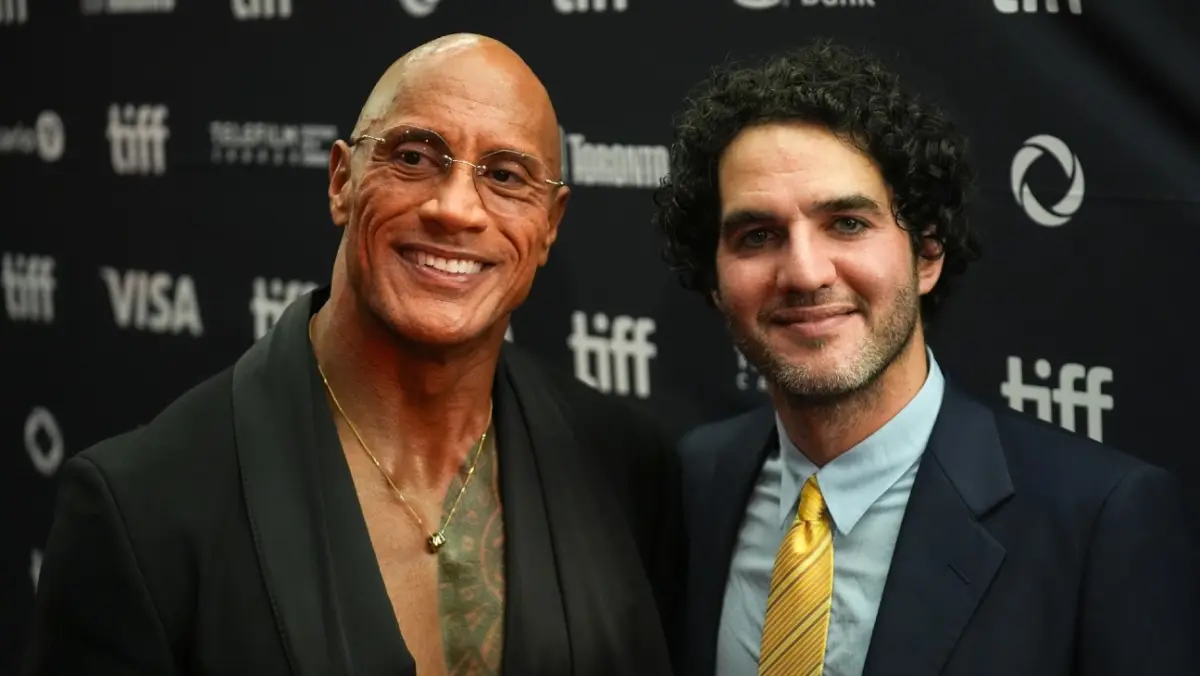
Amazon MGM Studios has officially slated the ambitious hybrid live-action and CGI project for a wide theatrical release, positioning it as a cornerstone of their 2027 holiday slate. The film, which adapts the cult-classic children’s novel by Daniel Pinkwater, marks a significant departure in tone for both lead actor Dwayne Johnson and director Benny Safdie, moving from the gritty, grounded realism of their previous collaboration, The Smashing Machine, into the realm of whimsical, surrealist fantasy.
The production represents a high-profile convergence of creative talent. Beyond Johnson, the ensemble cast includes an expansive list of industry veterans and rising stars, featuring Theo Clark Leber, Alicia Silverstone, Tim Heidecker, Arya Parvathi, Regina Hall, Colman Domingo, Jeff Goldblum, Rachel McAdams, Andrew Dice Clay, and David Krumholtz. This roster suggests a project with significant commercial reach, blending the broad, family-friendly appeal of Johnson with the quirky, indie-sensibility that Safdie has curated throughout his career.
The Narrative Foundation and Creative Origins
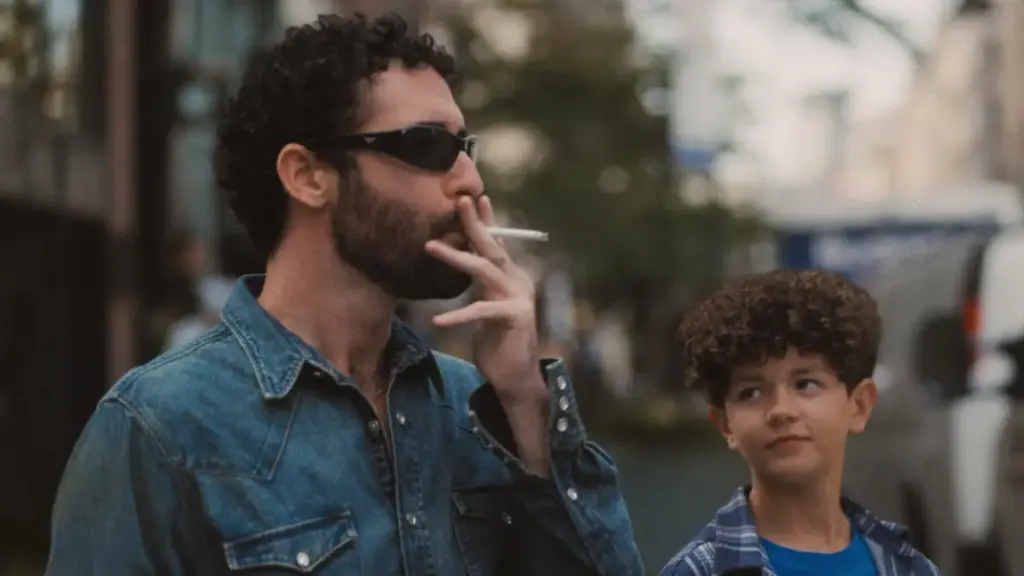
Daniel Pinkwater’s original novel, published in 1973, has long been regarded as a piece of quintessential weird fiction for young readers. The story centers on a young boy who, while channel-surfing late at night, stumbles upon an inexplicable broadcast featuring a band of music-playing lizards. The pursuit of the origin of this broadcast leads him to the Chicken Man, an eccentric septuagenarian played by Johnson, and his 111-year-old companion, a chicken named Claudia.
The narrative acts as a gateway into a hidden society, blending elements of the mundane with the surreal. Safdie, who penned the screenplay, is expected to maintain the off-kilter energy of the source material while utilizing advanced visual effects to bring the reptilian musicians to life. For Safdie, this project serves as a test of his ability to balance technical demands—specifically the integration of CGI characters with live-action performances—with the character-driven storytelling that defined his earlier work alongside his brother, Josh Safdie.
Chronology of a Creative Partnership
The professional trajectory of Johnson and Safdie has been one of the more compelling stories in Hollywood over the last twenty-four months. Their initial collaboration on The Smashing Machine—the A24 biographical drama about MMA fighter Mark Kerr—was widely seen as a turning point for Johnson. By shedding his traditional blockbuster persona, Johnson earned critical acclaim for a vulnerable, physically demanding performance that signaled a shift in his career priorities toward prestige dramatic work.
Following the success of that project, the decision to pivot immediately to a family-oriented, high-concept project like Lizard Music demonstrates a strategic effort by both men to diversify their portfolios. The project is currently in the development and pre-production phase, with the studio aiming to capitalize on the holiday box office window. This timeline places the film’s release exactly three years after the initial development talks began, a relatively aggressive schedule given the complexity of the animation and live-action integration required.
Production and Industry Context
The production machinery behind Lizard Music is substantial, involving a coalition of high-powered banners. Scott Stuber and Nick Nesbitt are producing on behalf of United Artists, while Safdie’s own Out for the Count Productions and Johnson’s Seven Bucks Productions are also deeply involved. David Koplan rounds out the production team for Magnetic Fields Entertainment.
The involvement of Stuber, who recently transitioned from his high-level role at Netflix, highlights the competitive nature of the theatrical distribution market. By securing a high-concept adaptation of a beloved literary work, Amazon MGM is clearly signaling its intent to dominate the theatrical landscape during a period when family audiences traditionally flock to cinemas. The film will be distributed by Amazon MGM Studios, which has been aggressively expanding its theatrical footprint to bolster the value of its streaming platform, Prime Video, once the initial box-office run concludes.
Competitive Landscape of the 2027 Holiday Season
The release date of December 25, 2027, is a strategic move that pits Lizard Music against some of the most anticipated films of the decade. The landscape for that specific week is already crowded with high-profile projects:
- Alone at Dawn: Directed by Ron Howard and starring Anne Hathaway and Adam Driver, this Amazon MGM drama is poised to capture the adult prestige demographic, providing a counter-programming option to the more family-centric Lizard Music.
- Paris Paramount: Directed by Nancy Meyers and featuring an ensemble cast including Penélope Cruz, Kieran Culkin, Jude Law, and Owen Wilson, this Warner Bros. comedy is expected to draw the mature, sophisticated audience that Meyers’ films typically command.
The presence of three major films—all backed by significant studios—suggests a robust recovery and growth in the theatrical sector for late 2027. Market analysts suggest that the competition will not necessarily cannibalize ticket sales but rather create a "destination" environment for theater-goers, where the variety of options encourages broader audience attendance.
Analysis: The Evolution of the "Holiday Blockbuster"
The decision to release Lizard Music on Christmas Day is a calculated maneuver designed to maximize long-term playability. Historically, films released on December 25 benefit from the "holiday leg" effect, where audiences remain off from school and work, allowing for high-frequency repeat viewings and strong word-of-mouth growth through the New Year.
From a stylistic perspective, the film represents an interesting case study in the evolution of the "Safdie brand." While Benny Safdie gained fame for the frantic, anxiety-inducing pacing of films like Uncut Gems and Good Time, his solo directorial efforts indicate an interest in exploring folklore and fantasy. By integrating CGI characters into a live-action world, he is stepping into a genre dominated by major animation houses. The success of this film will likely depend on whether Safdie can translate his penchant for "uncomfortable" or "authentic" human interactions into a world populated by talking lizards and elderly poultry.
Economic and Cultural Implications
The budget for such a project, while not yet publicly disclosed, is estimated to be significant given the technical requirements for high-end CGI and the inclusion of a sprawling, A-list cast. For Amazon MGM Studios, the project is a bet on the "Johnson effect"—the actor’s long-standing ability to drive international box office revenue regardless of the genre.
Furthermore, the adaptation of Daniel Pinkwater’s work suggests a broader trend in Hollywood of mining cult-classic literature for intellectual property. As audiences show signs of "superhero fatigue," studios are increasingly looking toward whimsical, grounded, or surreal literature to fill the void. If Lizard Music succeeds, it could set a precedent for similar adaptations that prioritize unique, auteur-driven visions over standard franchise sequels.
Conclusion and Future Outlook
As the 2027 release date approaches, the industry will be watching to see how Safdie balances the technical rigors of the production with the inherent whimsy of the source material. For Dwayne Johnson, the film serves as a crucial bridge between his action-star roots and his desire to establish a legacy in more narratively diverse roles.
The logistical challenge of coordinating a cast of this size—including veterans like Goldblum, McAdams, and Domingo—will require precise management from the production team. However, with the backing of Amazon MGM and a distribution strategy that prioritizes the theatrical experience, Lizard Music is positioned to be one of the most discussed and potentially transformative projects of the late 2020s. Whether it succeeds in becoming a perennial holiday classic remains to be seen, but the sheer ambition of the collaboration ensures it will be a focal point of the industry’s calendar for the foreseeable future.