The Denver Film Festival is preparing to transform the Mile High City into a global nexus of cinematic innovation as Denver Film officially announced the programming for its 49th annual iteration. Scheduled to run from October 22 through November 1, the event stands as one of the longest-running and most prestigious cultural gatherings in the Rocky Mountain region. This year’s roster, which encompasses 129 distinct features, documentaries, and short films, underscores the festival’s commitment to bridging the gap between high-profile Hollywood productions and the raw, experimental spirit of independent storytelling.
A Cinematic Journey: From Opening Night to Closing Credits
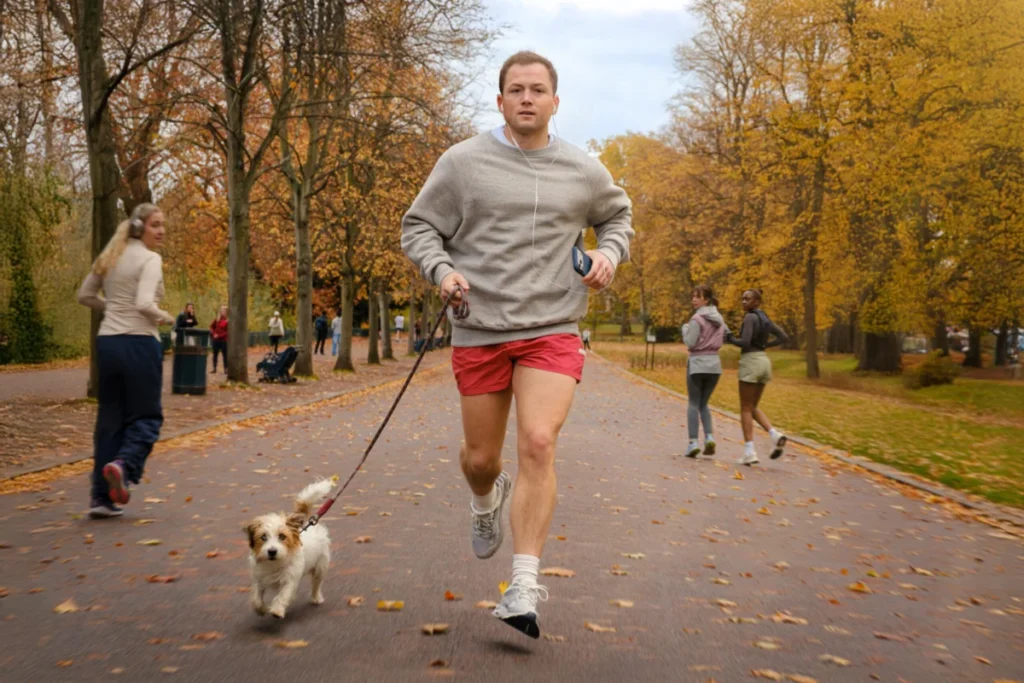
The festival’s curatorial strategy for the 2026 edition reflects a balanced blend of industry-heavy hitters and emerging auteurs. The proceedings will commence at the historic Ellie Caulkins Opera House with the screening of Peter Farrelly’s I Play Rocky. The film, featuring Anthony Ippolito in the transformative role of Sylvester Stallone, serves as a poignant nod to the tenacity of the creative spirit. Writer Peter Gamble is confirmed to attend the premiere, offering audiences a rare opportunity for post-screening dialogue.
As the festival progresses, it will utilize a diverse array of venues across the city, including the Sie FilmCenter, the MCA Denver at the Holiday Theater, and the Denver Museum of Nature & Science. The event is set to conclude at the MCA Denver with the highly anticipated Paper Tiger, directed by James Gray and featuring an ensemble cast led by Adam Driver, Scarlett Johansson, and Miles Teller.

In the interim, the festival’s centerpiece selections highlight the breadth of contemporary talent. Notable among these is Danny Boyle’s Ink, a film already generating significant buzz for the performances of Jack O’Connell, Guy Pearce, and Claire Foy. Furthermore, the inclusion of Tony Gilroy’s Behemoth!, starring Pedro Pascal as a gifted cellist, reinforces the festival’s dedication to showcasing high-caliber dramatic performances that traverse the lines between character-driven intimacy and grand-scale storytelling.
Expanding the Horizon: International and Special Presentations
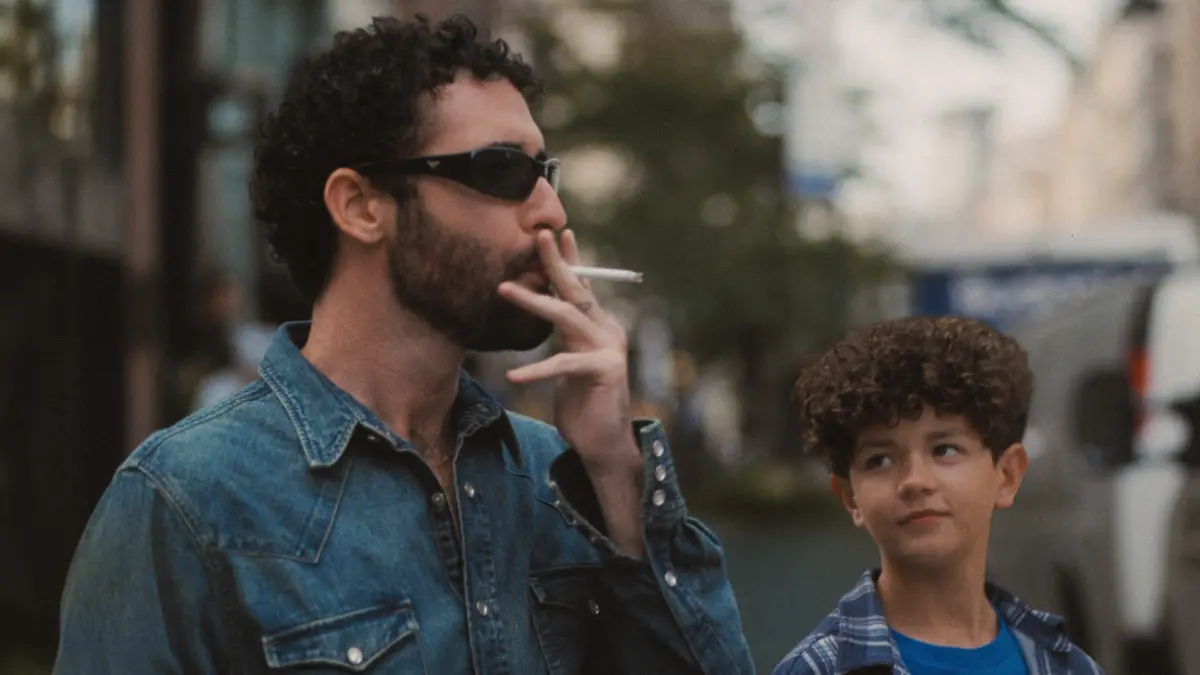
The festival’s "Special Presentations" category remains the beating heart of the event, offering a curated look at the fall festival circuit’s most vital contributions. This year’s selection is notably eclectic, featuring works such as Jordan Firstman’s Club Kid, Jesse Eisenberg’s The Debut, and Brad Bird’s animated feature Ray Gunn.
The festival has also taken proactive steps to integrate with the broader regional film ecosystem. By co-presenting screenings of Josephine and Take Me Home with the Sundance Film Festival—which is slated to establish a presence in Boulder, Colorado, by 2027—Denver Film is signaling a strategic alignment with its neighbors to bolster the state’s status as a burgeoning hub for international cinema.
International representation remains a cornerstone of the 49th edition. Audiences will have the opportunity to engage with world-class works such as the Netflix-acquired La Bola Negra (a TIFF People’s Choice winner), Ryusuke Hamaguchi’s All of a Sudden, and the Cannes Grand Prix-winning Minotaur from director Andrey Zvyagintsev. These selections provide a necessary global context to the domestic narratives presented throughout the ten-day schedule.

Honoring Excellence: Awards and Recognition
The Denver Film Festival has long served as a platform for acknowledging significant contributions to the craft. This year’s awards slate celebrates a range of talents across acting, directing, and technical design.
Carrie Coon is set to receive the Excellence in Acting Award, a recognition fueled by her powerhouse performance in The Liberation. In this film, Coon portrays a woman navigating the complexities of a cult led by Lily James—a role that has garnered significant critical attention. Joining her in the winner’s circle is John Cho, who will be honored with the Outlaw Award for his collaborative work with Mahershala Ali in Your Mother Your Mother Your Mother.
The festival is also prioritizing the "breakthrough" talent of the future. Liz Sargent, the director of Take Me Home, will be recognized as a breakthrough filmmaker. Her feature, expanded from her original short film, offers an unflinching look at the realities of intergenerational caretaking. Similarly, Fred Hechinger, who has seen a rapid ascent in prominence following his roles in The White Lotus and Gladiator II, will receive the Rising Star prize during the screening of his latest project, A Long Winter.
Technical excellence is also a focal point of this year’s ceremonies. David Acord will receive an Excellence in Sound Design award for his intricate work on Behemoth!, while experimental filmmaker Michael Gitlin will be honored with the annual Stan Brakhage Award. The latter award is accompanied by a curated retrospective of Gitlin’s work, emphasizing the festival’s commitment to preserving the history and evolution of non-traditional film forms.

Industry Perspectives: The Vision for the Future
Artistic Director Matthew Campbell emphasized that this year’s program was designed to mirror the complexities of the human experience. "This year’s program highlights the remarkable ways cinema captures human connection and resilience," Campbell stated. "From sharp, high-altitude Colorado comedies to award-winning festival circuit fare, these films demonstrate the pure joy and impact of great storytelling."
Kevin Smith, CEO of Denver Film, echoed these sentiments, framing the festival’s longevity as a testament to the community’s engagement. "Forty-nine years in, the Denver Film Festival is still driven by what has always mattered most: bringing our community together around great movies and the people who make them," Smith said. "We’re incredibly proud to be a long-standing part of Denver’s vibrant arts and cultural landscape."
Economic and Cultural Impact
The festival’s sustainability is supported by a robust coalition of partners, including the Colorado Office of Film and Television, the Bonfils Stanton Foundation, and the Scientific and Cultural Facilities District (SCFD). These partnerships, alongside corporate backing from entities like Amazon, Mercedes-Benz of Denver, and the Anna and John Sie Foundation, allow the festival to maintain a high level of production value while keeping the event accessible to the public.
A particularly noteworthy initiative for the 2026 festival is the "Pay-What-You-Can" sliding-scale admission program. Funded through the Denver Arts & Venues and the 2026 Arts Complex Creates grant, this initiative applies to all three public screenings at the Ellie Caulkins Opera House. This policy reflects a growing trend in the arts sector to dismantle financial barriers to entry, ensuring that the festival remains an inclusive environment for all demographic groups within the Denver metropolitan area.

Implications for the Regional Film Market
The 49th Denver Film Festival arrives at a pivotal moment for Colorado’s creative economy. With major festivals shifting their focus toward the state and a concerted effort by local leadership to attract production investment, the festival serves as a vital barometer for regional growth. The inclusion of diverse programming—ranging from Ron Howard’s Avedon and Mike Leigh’s Tender Loving Care to the animated Tangles—suggests that the festival is not merely a regional event, but a significant node in the national distribution and exhibition circuit.
As the festival approaches its 50th anniversary next year, the current slate suggests a legacy of consistency and adaptation. By balancing the "boldfaced name" appeal of Hollywood stars with the grit of independent, experimental, and local cinema, Denver Film is positioning itself to remain a cornerstone of the American cultural landscape for decades to come. Attendees and industry observers alike can look forward to a program that, as the organizers promise, is as intellectually stimulating as it is commercially viable.