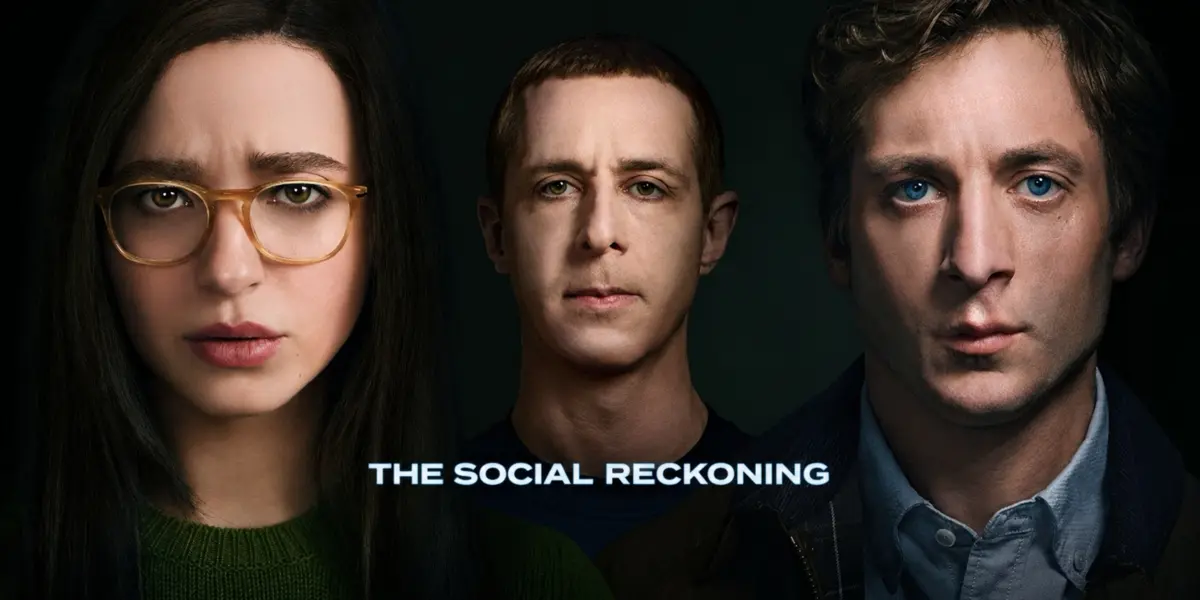
The cinematic landscape of the digital age is once again intersecting with the real-world evolution of social media infrastructure as critics and analysts dissect Aaron Sorkin’s latest dramatic feature, The Social Reckoning. In a comprehensive, spoiler-filled analysis hosted by the Next Best Picture Podcast, critics Matt Neglia, Ema Sasic, and Dan Bayer have delivered an exhaustive review of the film, which functions as a thematic and narrative companion piece to the 2010 modern classic The Social Network.
Directed and written by Academy Award-winner Aaron Sorkin, The Social Reckoning shifts its analytical gaze away from the garage-born origins and rapid initial expansion of Facebook. Instead, the narrative focuses on the contemporary iteration of the platform, exploring how it accumulated unprecedented global influence and examining the critical inflection points that brought society to its current socio-political juncture. The film places a primary dramatic focus on the seismic events of 2021, specifically centering on the high-profile disclosures initiated by Facebook whistleblower Frances Haugen and the foundational investigative reporting conducted by journalist Jeff Horwitz.
The ensemble cast assembled for the project features prominent contemporary talent, including Mikey Madison, Jeremy Allen White, Wunmi Mosaku, Betty Gilpin, Billy Magnussen, Bill Burr, and Jeremy Strong. Throughout the podcast episode, the panel evaluates the stylistic divergences between Sorkin’s directorial approach and the iconic, briskly paced aesthetic established by David Fincher in the original 2010 film. In addition to dissecting character arcs, narrative pacing, and the signature rhythmic dialogue synonymous with Sorkin’s screenplays, the reviewers project the film’s potential trajectory through the upcoming awards season, considering its prospects among major cinematic accolades.
Chronology of the 2021 Facebook Leaks and Whistleblower Disclosures
To fully contextualize the subject matter dramatized in The Social Reckoning, it is necessary to examine the actual timeline of events that unfolded between late 2020 and the autumn of 2021. The disclosures brought forth by Frances Haugen exposed internal documents—subsequently referred to as the Facebook Papers—revealing how company leadership was allegedly aware of the platform’s potential to amplify divisive content, contribute to mental health issues among teenage users, and facilitate misinformation campaigns globally.
In September 2021, The Wall Street Journal, featuring the investigative reporting of Jeff Horwitz and his colleagues, published a multi-part series titled "The Facebook Files." This investigative journalism was derived from internal research documents leaked by Haugen, who subsequently revealed her identity during a 60 Minutes interview on September 3, 2021. Haugen testified before the United States Senate Commerce Subcommittee on Consumer Protection, Product Safety, and Data Security on October 5, 2021, presenting lawmakers with internal data outlining the platform’s algorithmic biases and prioritization of engagement over user safety. These coordinated revelations triggered widespread international scrutiny, legislative hearings across multiple jurisdictions, and increased demands for rigorous regulation of major technology conglomerates.
Cast Dynamics and Performances in The Social Reckoning
The film relies heavily on a robust ensemble cast to portray the complex ecosystem of corporate governance, investigative journalism, legal navigation, and whistleblowing. Jeremy Strong, known for his intense portrayals of ambitious and conflicted professionals, steps into a pivotal role that anchors the corporate tension within the narrative. Alongside Strong, Mikey Madison delivers a performance that critics have highlighted as central to the emotional and ethical core of the picture.
Supporting performances by Jeremy Allen White, Wunmi Mosaku, Betty Gilpin, Billy Magnussen, and Bill Burr contribute to the multifaceted exploration of a tech giant under siege. The Next Best Picture Podcast panel evaluates how these actors navigate Sorkin’s trademark dialogue, which demands precise comedic and dramatic timing while delivering dense expositions of algorithmic mechanics and corporate strategy. The contrast between the ambitious young technocrats portrayed in the 2010 film and the institutional defenders and critics featured in The Social Reckoning forms a central pillar of the podcast’s performance critique.

Stylistic and Narrative Comparisons: The Social Network Versus The Social Reckoning
A significant portion of the Next Best Picture Podcast discussion centers on the evolution of cinematic storytelling regarding Silicon Valley. While David Fincher’s The Social Network, released in 2010 with a screenplay also penned by Sorkin, captured the claustrophobic ambition of Harvard dorm rooms, legal depositions, and the betrayal of early partnerships, The Social Reckoning operates on a broader, more systemic canvas.
Fincher’s direction utilized a cold, desaturated color palette, Trent Reznor and Atticus Ross’s atmospheric and unsettling score, and a narrative structure framed by legal proceedings to explore themes of isolation, class, and validation. In contrast, Sorkin’s direction and writing in The Social Reckoning tackle an entity that has matured into an entrenched geopolitical and social infrastructure. The film shifts from an intimate interpersonal drama to a sprawling institutional thriller, examining how individual whistleblowers interface with massive bureaucratic machinery, global media networks, and legislative bodies.
Oscar Prospects and Industry Reception
As the cinematic release of The Social Reckoning is analyzed within the broader context of the awards season, critics are increasingly weighing its potential in major categories, including Best Adapted or Original Screenplay (depending on its final classification by governing bodies), Best Director, and major acting categories for its ensemble. Sorkin’s history with the Academy—highlighted by his win for Best Adapted Screenplay for The Social Network and nominations for Moneyball, Steve Jobs, and The Trial of the Chicago 7—positions his latest work as an immediate object of industry attention.
Podcasters Matt Neglia, Ema Sasic, and Dan Bayer debate whether the film’s pointed critique of contemporary media consumption and platform governance will resonate with voting bodies accustomed to more traditional biographical or historical dramas. The discussion highlights the challenges of translating complex algorithmic and data-privacy concepts into compelling cinematic narratives that sustain audience engagement without sacrificing factual rigor.
Broader Impact and Implications of Tech-Centric Cinema
The release of The Social Reckoning arrives at a time when public discourse surrounding the societal impact of social media platforms has reached unprecedented levels. The dramatization of real-world regulatory battles, internal dissent, and the ethical dilemmas of data monetization serves a dual purpose: it entertains audiences while simultaneously codifying recent technological history into the cultural consciousness.
By transforming contemporary journalistic investigations into narrative cinema, films like The Social Reckoning influence how the general public perceives complex digital phenomena that often evade simple legislative remedies. The Next Best Picture Podcast review underscores the ongoing relevance of these cinematic explorations, noting that as technology continues to evolve at a rapid pace, the artistic mediums tasked with reflecting its societal consequences face the ongoing challenge of remaining both critically rigorous and dramatically compelling.
Listeners interested in the complete, spoiler-laden breakdown can access the full episode of the Next Best Picture Podcast across major audio streaming platforms, via the embedded YouTube player, or through the Evergreen Podcasts Network. Support for the platform and access to ad-free content are available through their official Patreon page.