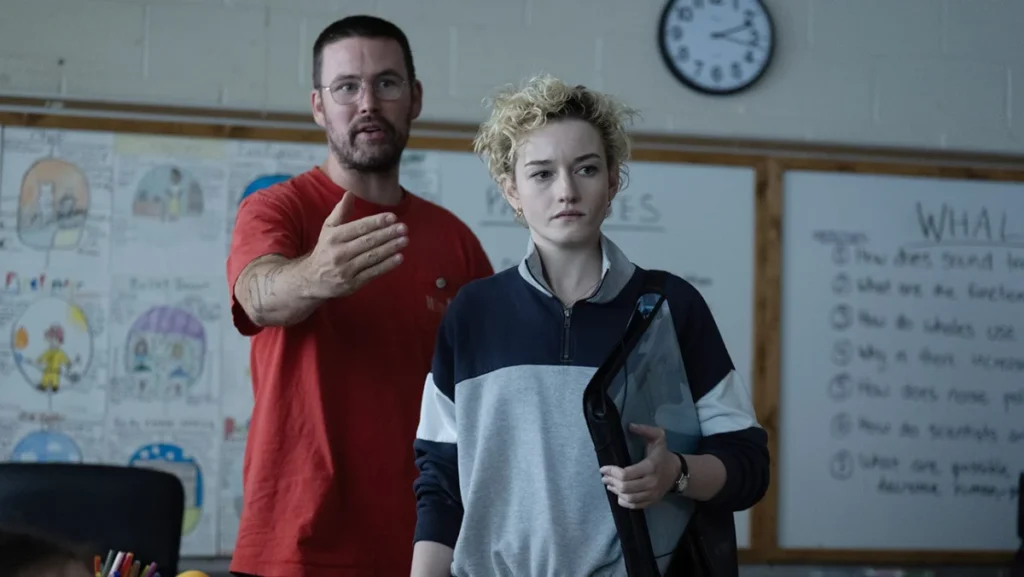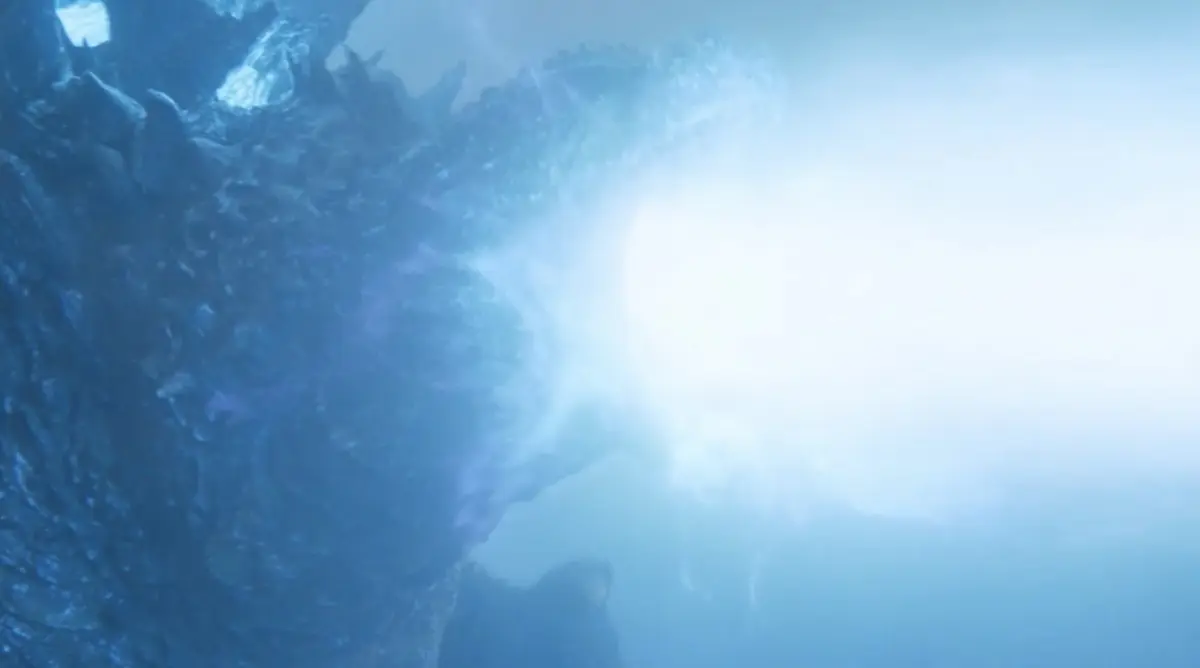
The cinematic landscape is bracing for the return of the King of the Monsters as Toho Co., Ltd. unveiled the final promotional trailer for Godzilla Minus Zero during the closing ceremonies of New York Comic-Con. This sequel to the Academy Award-winning Godzilla Minus One arrives amidst significant commercial expectations, with the studio confirming a staggered international rollout beginning in early November. While the marketing campaign for the film has been consistent with the somber, character-driven tone established by director Takashi Yamazaki in the previous installment, this final preview has prompted varied reactions regarding its pacing and narrative focus compared to its predecessor.
Chronology and Production Context
The development of Godzilla Minus Zero serves as a direct follow-up to the 2023 phenomenon, Godzilla Minus One. Directed by Takashi Yamazaki, who also serves as the primary screenwriter and visual effects supervisor, the project was fast-tracked following the unprecedented global success of the franchise’s 37th entry. Set two years after the conclusion of the previous film, the narrative seeks to explore the long-term societal and psychological scars left by the kaiju’s initial rampage.
The production timeline has been notably tight, reflecting Toho’s intent to maintain the momentum generated by the first film’s critical and financial performance. Since the announcement of the sequel, the studio has managed a controlled release of information, utilizing major cultural events like New York Comic-Con to anchor its primary marketing beats. As of October 2026, the film is officially entering its final marketing phase, with global distributors, including GKIDS, coordinating a unified release strategy.
Analysis of the Final Trailer and Marketing Strategy
The final trailer, released to the public shortly after its Comic-Con debut, emphasizes the human element of the conflict. By prioritizing dialogue-heavy sequences and character-focused vignettes over the spectacle of the monster’s destruction, the trailer deviates from the high-octane action expected of the kaiju genre. This stylistic choice underscores a thematic commitment to the "human drama" approach that defined Yamazaki’s previous work, though it has resulted in a more subdued response from segments of the fanbase accustomed to faster-paced previews.
Industry analysts suggest that this strategy is intended to position the film as a prestige drama rather than a conventional blockbuster. By highlighting the emotional stakes—specifically the lingering trauma of the populace—the marketing team is clearly attempting to replicate the critical appeal that helped the first film secure an Oscar for Best Visual Effects. However, the trailer does feature a climactic, high-intensity sequence in its final moments, signaling that the film will retain the large-scale destruction sequences necessary for its theatrical presentation in premium formats such as IMAX and Dolby Cinema.
Critical Reception and Early Reviews
The critical reception to Godzilla Minus Zero has been multifaceted, reflecting a divergence between technical appreciation and narrative evaluation. A recent review published by Rory Doherty highlights this divide, awarding the film a 3/5 rating. While the review praises the technical execution of the visual effects—noting that the monster’s presence remains as imposing as ever—it expresses reservations regarding the film’s narrative structure.
Specifically, the critique points toward a sense of repetition in the character arcs and a sluggish, deliberate pacing that may challenge audience engagement. This sentiment suggests that the film faces the "sequel hurdle," where the challenge lies in expanding the world without merely retreading the emotional beats that made the first film successful. Despite these critiques, the early consensus remains that the film is a significant technical achievement, confirming that Yamazaki’s dual role as director and VFX supervisor continues to produce a visual standard that few other franchises currently match.

Market Implications and Distribution Strategy
The distribution strategy for Godzilla Minus Zero is designed to maximize its cultural impact across both Japanese and North American markets. Toho is set to release the film in Japan on November 3, 2026, a date historically significant to the franchise as it coincides with the anniversary of the original 1954 Godzilla film. This alignment serves to honor the legacy of the character while reinforcing the brand’s enduring relevance in Japanese cinema.
For North American audiences, GKIDS has scheduled early-access IMAX screenings for November 3, followed by a wide theatrical rollout on November 6. This distribution model acknowledges the growing domestic demand for Japanese-language cinema in the United States. By leveraging the premium format of IMAX, the studio aims to draw in audiences seeking an immersive, "event-style" theater experience. Data from previous releases suggests that the "Godzilla" brand has become a reliable performer for boutique and major distributors alike, with ticket sales often peaking in the first 48 hours of availability.
The Role of Takashi Yamazaki
Takashi Yamazaki remains the central figure in this era of the Godzilla franchise. His unique approach—balancing traditional tokusatsu (special effects) techniques with modern digital integration—has effectively revitalized the brand. By retaining creative control over the writing, directing, and visual effects, Yamazaki ensures a cohesive vision that remains rare in major studio tentpoles.
His involvement in Godzilla Minus Zero is seen as a commitment to the "auteur" style of kaiju filmmaking. While this level of control has historically allowed for deep character development, the current discourse surrounding the sequel’s pacing suggests that the audience is looking for a shift in narrative trajectory. Whether Yamazaki’s decision to dwell on the "human experience" will resonate as deeply as it did in 2023 remains the central question facing the film’s upcoming theatrical run.
Broader Impact on the Kaiju Genre
The success of the "Minus" series has had a ripple effect on the broader kaiju genre. By proving that a mid-budget, high-quality, character-driven monster movie can achieve global commercial viability, Toho has challenged the industry’s reliance on massive production budgets to deliver spectacle. This has encouraged other studios to re-evaluate their own monster properties, focusing more heavily on the relationship between the human protagonist and the "other."
Furthermore, the integration of digital effects with the weight and scale of the Godzilla suit continues to influence how visual effects teams approach creature design. The impact of these films is not limited to ticket sales; they represent a fundamental shift in how international audiences engage with non-English language genre cinema. As the November release approaches, industry observers will be monitoring not only the gross box office figures but also the audience sentiment metrics to determine if the "Godzilla fatigue" feared by some is a legitimate concern or if the brand possesses the resilience to sustain this pace of output.
Conclusion and Future Outlook
As the release date nears, the discourse surrounding Godzilla Minus Zero serves as a microcosm of the current state of film promotion. The shift in tone from the explosive marketing of the first film to the more somber, contemplative tone of the sequel reflects the studio’s confidence in the brand’s intellectual depth. While the final trailer may not have provided the visceral adrenaline surge some fans were expecting, it has successfully set the stage for a film that prioritizes thematic consistency and technical grandeur.
With tickets now available and the international marketing machine in full swing, the stage is set for a pivotal moment in the franchise’s history. Whether or not Godzilla Minus Zero manages to surpass the high bar set by its predecessor, its arrival marks the continuation of a successful era for Toho. The coming weeks will provide the definitive answer as to whether the sequel successfully expands the emotional stakes of the Godzilla saga or if it becomes a case study in the challenges of maintaining momentum in a highly competitive theatrical market. The convergence of critical assessment and box office performance in early November will ultimately determine the future direction of the franchise as it heads into 2027.