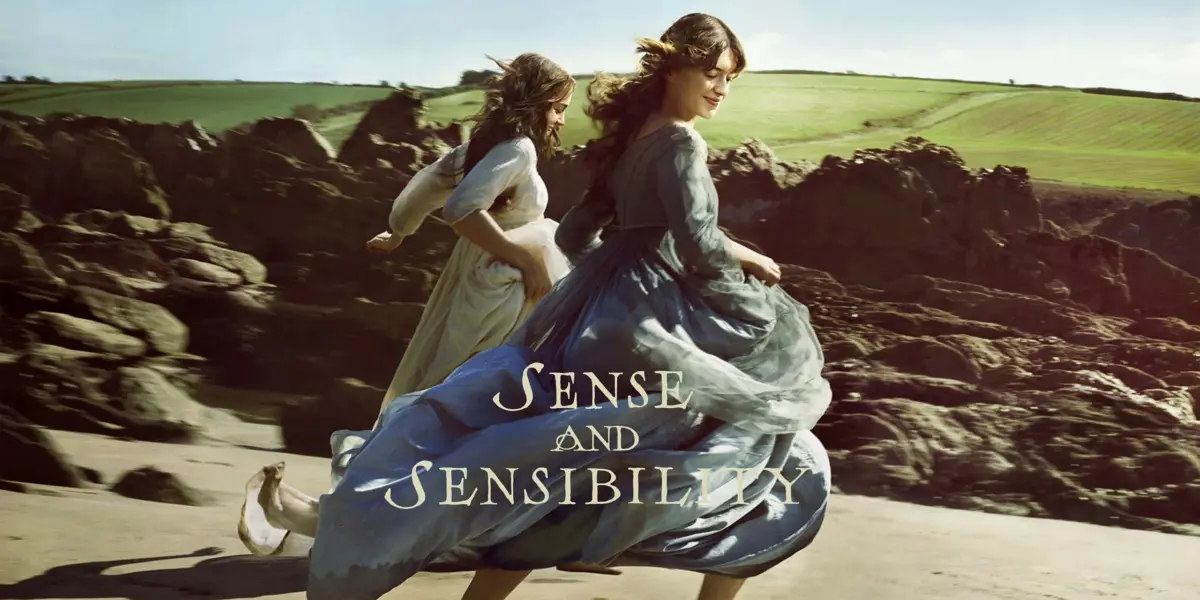
The cinematic landscape of literary adaptations has long been defined by definitive milestones, among which Ang Lee’s 1995 Academy Award-winning adaptation of Jane Austen’s 1811 classic Sense and Sensibility stands as a monumental achievement in period drama. In the latest installment of the Next Best Picture Podcast, host Matt Neglia is joined by film critics Nadia Dalimonte, Josh Parham, and Dan Bayer to deliver a comprehensive, spoiler-filled analysis of director Georgia Oakley’s contemporary take on the timeless material. Featuring a star-studded ensemble cast that includes Daisy Edgar-Jones, Esmé Creed-Miles, Caitríona Balfe, Frank Dillane, Herbert Nordrum, George MacKay, and Fiona Shaw, and boasting a screenplay by Diana Reid, this new iteration attempts to introduce Austen’s beloved Dashwood sisters to a modern demographic. The episode delves deeply into the challenges of reimagining classic literature, evaluating the artistic successes and thematic shifts of a production that has quickly become a focal point of awards-season discourse.
Background Context and Literary Lineage
Jane Austen’s Sense and Sensibility, published anonymously in three volumes in 1811 under the simple attribution "A Lady," was the author’s first published novel. The narrative fundamentally explores the polar opposite temperaments of the eldest Dashwood sisters: Elinor, who embodies prudence, emotional restraint, and rational judgment (the "sense"), and Marianne, who represents passionate romanticism, impulsivity, and unfiltered emotional expression (the "sensibility"). Following the death of their father, the sisters, alongside their younger sibling Margaret and their grieving mother, are legally disinherited by primogeniture laws and forced to relocate from their expansive Norland Park estate in Sussex to the modest Barton Cottage in Devonshire. There, they navigate the complexities of financial insecurity, social propriety, and romantic disillusionment.
Over the past century, the novel has undergone numerous adaptations for television, stage, and film. However, Ang Lee’s 1995 feature film version—adapted by and starring Emma Thompson alongside Kate Winslet, Hugh Grant, and Alan Rickman—remains the gold standard for cinematic Austen translations. Thompson’s script won the Academy Award for Best Adapted Screenplay, while the film received six additional Oscar nominations, cementing its status in cinematic history. When a contemporary filmmaker like Georgia Oakley tackles material with such a deeply entrenched legacy, the artistic stakes are exceptionally high. Oakley, celebrated for her breakthrough directorial work, steps into the period-drama arena with a distinct vision, while screenwriter Diana Reid adapts Austen’s prose to reflect contemporary sensibilities without sacrificing the historical integrity of Regency-era England.
Production Chronology and Creative Team Dynamics
The development of this new adaptation has been tracked closely by industry insiders and literary enthusiasts alike. Casting announcements throughout pre-production generated substantial online buzz, particularly regarding the selection of Daisy Edgar-Jones and Esmé Creed-Miles to portray the iconic central duo of Elinor and Marianne Dashwood. Edgar-Jones, known for her acclaimed performances in Normal People and Where the Crawdads Sing, brings a quiet vulnerability and measured dignity to Elinor, while Creed-Miles infuses Marianne with a fervent, tempestuous energy. The supporting cast—featuring established luminaries such as Caitríona Balfe and Fiona Shaw alongside versatile contemporary actors like George MacKay and Frank Dillane—further elevates the project’s prestige profile.
During the podcast discussion, the panel meticulously deconstructs the film’s developmental choices, exploring how Diana Reid’s script updates the pacing and psychological depth of the characters. While retaining the foundational plot points of social displacement and romantic trials, Reid’s adaptation allegedly emphasizes the economic vulnerability of women in nineteenth-century Britain with heightened immediacy. Oakley’s direction is examined through the lens of visual craftsmanship, production design, and cinematography, assessing whether the film successfully differentiates itself from Lee’s luminous 1995 classic or if it operates strictly within its towering shadow.

Detailed Panel Analysis and Critical Reception
The Next Best Picture Podcast conversation navigates multiple layers of the film, beginning with an assessment of individual performances. Nadia Dalimonte, Josh Parham, and Dan Bayer offer nuanced critiques of how the ensemble handles Austen’s famously witty and cutting dialogue. Particular praise is directed toward the chemistry between the principal actors, noting that the sibling dynamics feel authentic and grounded, moving away from the purely idealized portrayals often found in traditional costume dramas.
Furthermore, the critics analyze the technical aspects of the production, discussing the costume design, atmospheric scoring, and location choices that help define Barton Cottage and the surrounding Devonshire landscape. The panel addresses the inherent risks of remaking a universally adored classic, debating whether modernizing narrative beats enhances the emotional resonance for contemporary viewers or alienates purists of the source material. By dissecting specific spoiler-heavy plot developments, the podcast provides listeners with a granular understanding of where the narrative succeeds in forging a new path and where it occasionally stumbles under the weight of its literary predecessor.
Awards Season Prospects and Industry Implications
As the cinematic release coincides with a competitive phase of the film calendar, the podcast discussion inevitably shifts toward the picture’s Academy Awards prospects. Period dramas historically find favorable ground with voting bodies across technical and performance categories, and the combination of Austen’s pedigree, a high-profile cast, and a fresh directorial perspective positions the film as a potential contender in several races.
The panel evaluates the movie’s viability in major categories, including Best Adapted Screenplay for Diana Reid, lead and supporting acting citations for the ensemble cast, and various below-the-line categories such as Costume Design, Production Design, and Cinematography. While previous adaptations have proven that Academy members respond warmly to well-executed Austen material, this version must prove that its modern stylistic choices resonate broadly enough with voters accustomed to more traditional interpretations. The analysis provides industry observers with a clear framework for understanding how the film may perform as precursor awards and critics’ association accolades begin to roll out.
Network Affiliation and Accessibility
The Next Best Picture Podcast continues to serve as a premier destination for comprehensive film criticism, awards prediction analysis, and deep-dive filmmaker retrospectives. As a proud member of the Evergreen Podcasts Network, the platform offers listeners consistent access to high-grade audio and video content covering the global film industry. Enthusiasts seeking to engage further with the platform can subscribe via major podcast directories, including Apple Podcasts, where listener ratings and reviews contribute significantly to the show’s visibility. Additionally, supporters utilizing Patreon gain access to exclusive, ad-free content, early episode releases, and specialized community discussions. Through meticulous curation and insightful panel commentary, the podcast remains an indispensable resource for cinephiles tracking the intersection of classic storytelling and contemporary filmmaking.