Director Romain Gavras, renowned for his visually arresting music video background and cinematic ventures such as the 2022 Netflix release Athena, returns with his most ambitious and star-studded project to date: Sacrifice. Premiering in the fall of 2025 at the Toronto International Film Festival, the high-concept dark comedy boasts an ensemble cast featuring Chris Evans, Anya Taylor-Joy, Vincent Cassel, Salma Hayek-Pinault, and John Malkovich. Following its festival run, the film secured a hybrid distribution model, receiving theatrical rollouts in various international territories while launching directly on Netflix in select major markets, specifically the United States and France. This dual-release strategy mirrors distribution adjustments observed during the post-COVID-19 theatrical landscape, bringing high-profile auteur-driven cinema straight to the streaming platform’s massive global subscriber base.
The Premise and Narrative Chronology
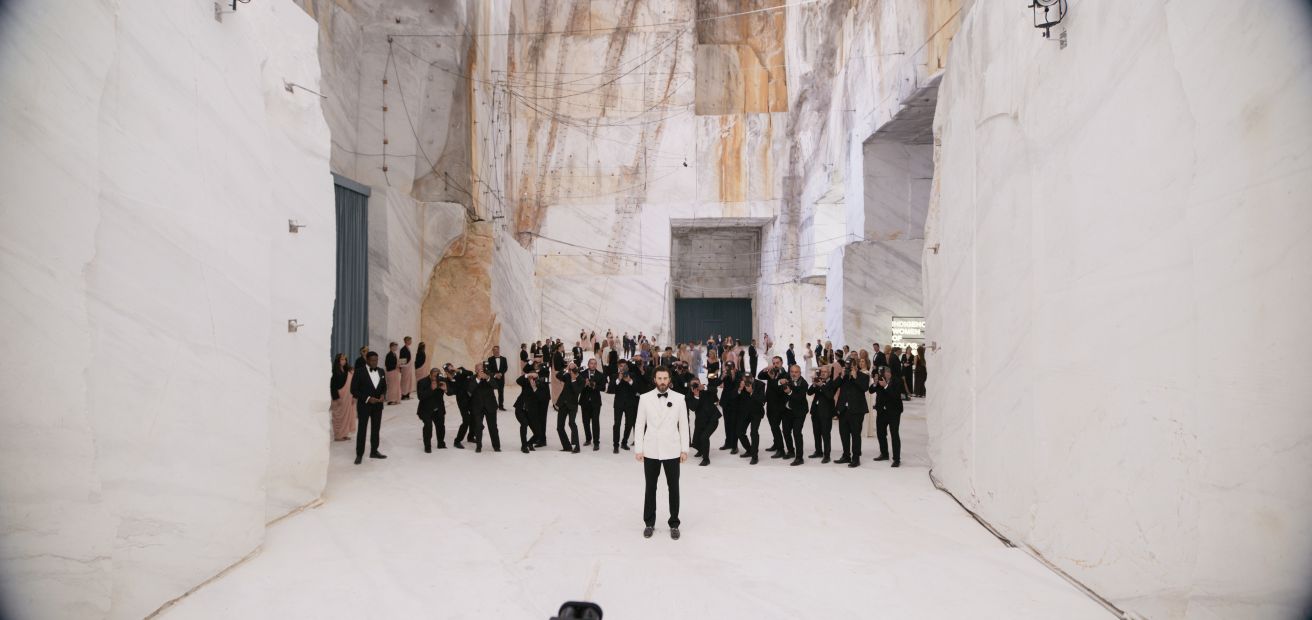
The narrative of Sacrifice revolves around the tagline "change requires sacrifice," setting a satirical tone centered on privilege, performative activism, and existential dread. The story opens on a magnificent Greek island hosting an exclusive charity gala dedicated to raising funds for climate change mitigation. Into this privileged setting steps Mike Tyler, played by Chris Evans, an actor attempting a career comeback following a widely publicized, highly embarrassing meltdown on the set of a historical peplum film. Tyler navigates the event under the watchful eye of his agent and handler, played by Sam Richardson.
The guest list features ultra-wealthy elites and cultural figures, notably tech billionaire Ben Bracken, portrayed by Vincent Cassel, and his pop-star wife Gloria, played by Salma Hayek-Pinault. Bracken harbors a personal grievance against Tyler, whereas Gloria expresses public sympathy for the actor’s mental health struggles and recent public scrutiny.
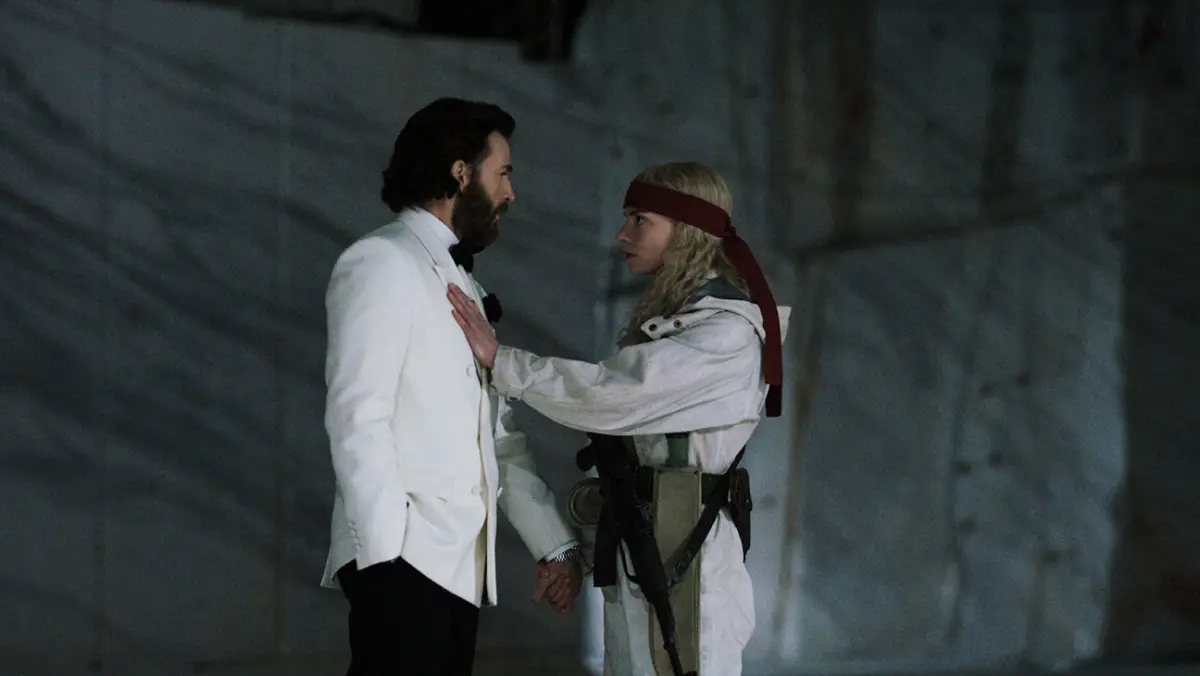
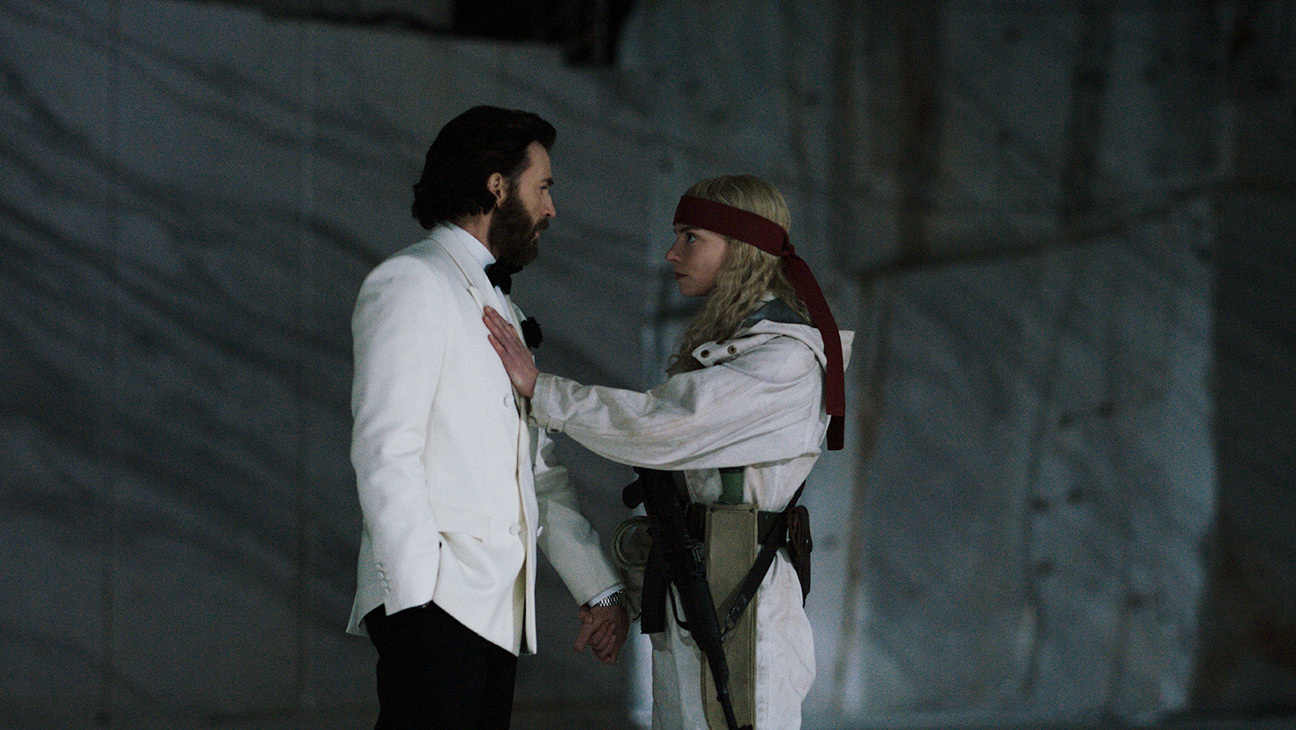
The social proceedings are violently interrupted by a radical eco-terrorist cell led by Joan, played by Anya Taylor-Joy. Motivated by the death of her mother—depicted in the film’s opening sequence—Joan and her followers seize control of the island venue. Their objective is as apocalyptic as it is absurd: they plan to sacrifice three high-profile hostages into a nearby active volcano to appease geological forces and prevent a cataclysmic eruption that threatens global survival. Following a ritual of humiliation, the radicals successfully select their victims and evacuate the premises, shifting the narrative dynamic away from a traditional hostage negotiation framework.
Thematic Satire and Character Dynamics
Sacrifice directs its satirical lens squarely at the self-absorbed upper echelons of society who utilize philanthropy as a veneer for social capital. The film highlights the superficiality of celebrity climate activism, exemplified by a narrative detail wherein Gloria has recently released a studio album written "from the perspective of a flood." Tyler, despite his own pompous and self-absorbed nature, serves as an outspoken cynic who vocalizes contempt for the performative charade, earning the mockery of the assembled elites.
As the plot progresses, the character dynamics evolve into a complex and occasionally confusing character study. Evans portrays the conflicted thespian with an energetic self-awareness, balancing pomposity with a genuine yearning for authenticity that resonates with Joan’s radical principles. Conversely, Taylor-Joy’s characterization of Joan suffers from an underdeveloped backstory that imbues the radical leader with the posture of a rebellious teenager rather than an authoritative, chilling revolutionary figure.
Gavras heavily leans into his stylistic strengths to establish the film’s atmosphere. Utilizing striking visual palettes characterized by fire-and-brimstone hues—partially captured on location in Iceland—coupled with alarming, choir-heavy musical compositions, the director heightens the impending doom. However, as dream sequences and increasingly outlandish plot twists accumulate, the political commentary becomes muddled. The boundary between sharp satire and apocalyptic dread blurs, causing the narrative to function more as an insular cinematic exercise than a cohesive critique of modern socio-political anxieties.
Production Background and Distribution Strategy
The development and distribution of Sacrifice highlight ongoing shifts in the entertainment industry regarding how high-budget, star-studded features find their audiences. By partnering with Netflix for primary distribution in the United States and France, the production team ensured immediate access for millions of households, circumventing the financial risks traditionally associated with mid-budget adult comedies and satires in a crowded theatrical market.
Romain Gavras, who built his reputation directing visually striking music videos for artists such as Kanye West, M.I.A., and Jamie xx, brings his signature aesthetic urgency to the feature film format. His previous Netflix feature, Athena, drew critical acclaim for its continuous, highly choreographed tracking shots and intense exploration of civil unrest in France. With Sacrifice, Gavras attempts to translate that kinetic energy into international dark comedy, collaborating with prominent screenwriters and a powerhouse cast to merge high-stakes action with biting social commentary.
Critical Reception and Audience Implications
Critical consensus regarding Sacrifice highlights a distinct division between the strength of its individual elements and the cohesion of its final product. While performances from Chris Evans and Anya Taylor-Joy have received praise for anchoring chaotic material, the screenplay has faced criticism for leaning too heavily on broad, predictable satirical tropes reminiscent of sketch comedy rather than sustained narrative critique.
The film’s pacing and tonal shifts have also sparked debate among film critics. The transition from a sharply observed critique of elite hypocrisy to an apocalyptic volcano narrative challenges viewer suspension of disbelief, occasionally alienating audiences seeking a grounded thriller or a sharply focused satire. Nevertheless, Taylor-Joy’s commanding on-screen presence has frequently been singled out by reviewers as a standout element, providing necessary gravity to an otherwise uneven storyline.
Broader Industry Impact
The release of Sacrifice on Netflix in key territories underscores the streaming giant’s continued strategy of acquiring prestige projects featuring top-tier Hollywood talent. By positioning the film alongside previous high-concept releases, Netflix aims to capture subscriber attention through star power and high production values.
As streaming platforms increasingly balance global accessibility with selective theatrical releases, films like Sacrifice serve as barometers for how auteur-driven projects navigate the modern marketplace. Whether the film’s divisive satirical approach will influence future hybrid-release strategies remains to be seen, but it undoubtedly reinforces the evolving relationship between traditional film festivals, streaming giants, and global audiences.