The cinematic landscape is continually challenged by high-concept survival thrillers that test the physical and psychological limits of both characters and audiences, a tradition that continues with the upcoming release of Whalefall. Directed, co-written, and produced by acclaimed filmmaker Brian Duffield, the American survival thriller is adapted from Daniel Kraus’s bestselling 2023 novel of the same name. Distributed by 20th Century Studios, the feature film is slated to arrive in theaters nationwide on October 16th, bringing a unique narrative premise to the big screen involving deep-sea exploration, family reconciliation, and an unprecedented battle for survival inside the belly of a marine mammal.
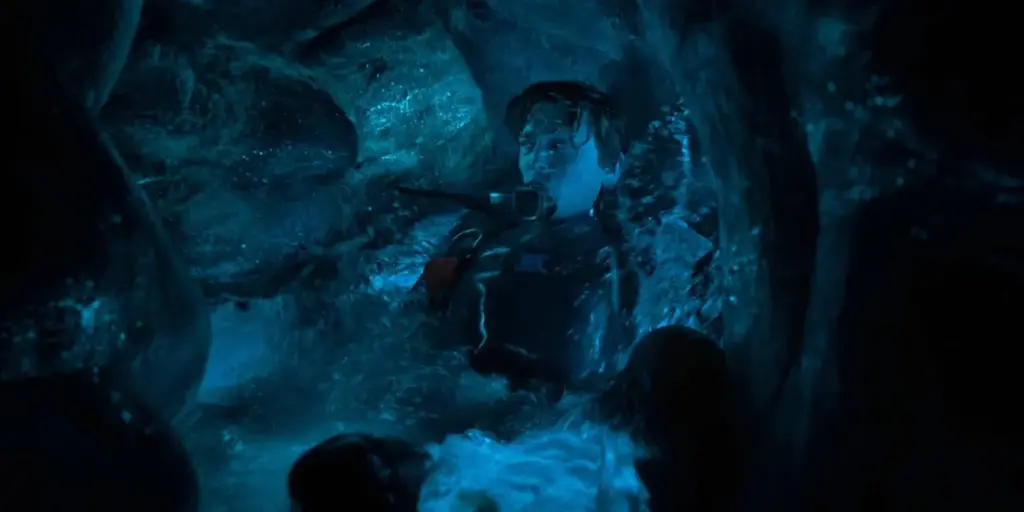
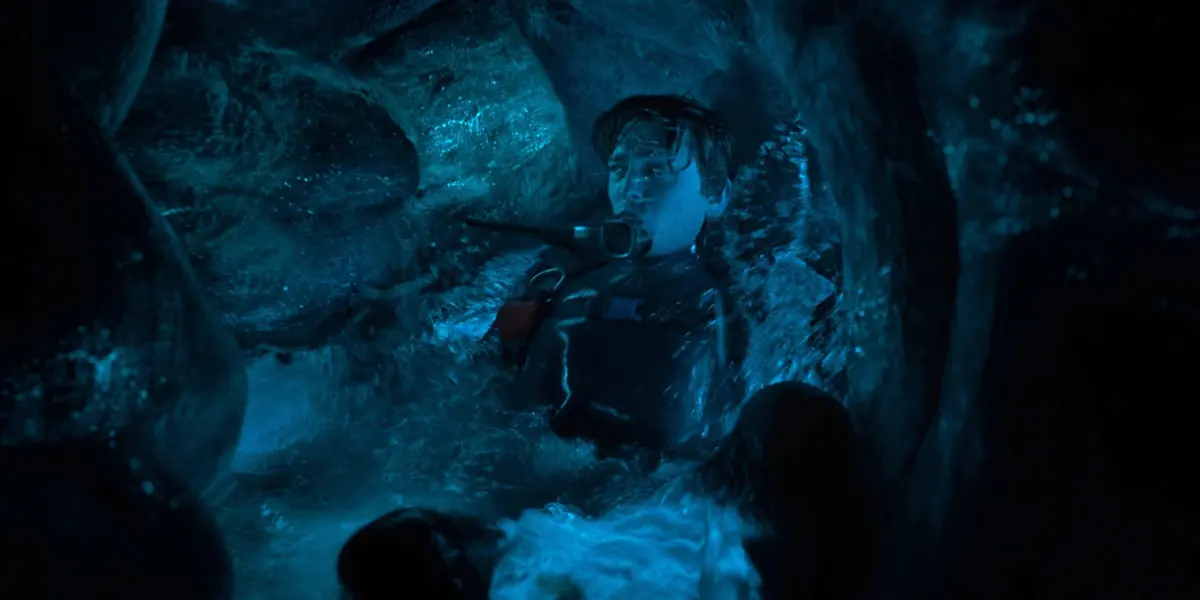
The central narrative follows a young scuba diver, portrayed by Austin Abrams, who embarks on a perilous deep-sea expedition to locate and recover the remains of his estranged father, played by Josh Brolin. During the course of the dive, a catastrophic sequence of events culminates in the diver being swallowed alive by a massive sperm whale. Trapped in the dark, acidic, and claustrophobic confines of the creature’s stomach, the protagonist must utilize his remaining oxygen, technical gear, and sheer willpower to orchestrate a near-impossible escape before time runs out. The supporting cast features a roster of recognizable talent, including Elisabeth Shue, John Ortiz, Jane Levy, and Emily Rudd, adding dramatic depth to the high-stakes survival scenario.
Origins and Development of the Adaptation
The journey of Whalefall from the printed page to the cinematic screen represents a notable achievement in modern adaptation strategy. Daniel Kraus’s 2023 novel captured critical and commercial attention for its audacious premise and meticulous attention to biological and psychological realism. When 20th Century Studios optioned the property, Brian Duffield was brought on board to helm the project, drawn to the story’s unique blend of visceral danger and intimate paternal drama.
Duffield, known for his distinct voice in genre filmmaking—having previously written and directed Love and Monsters and Spontaneous, as well as penning Underwater—faced a monumental task in translating a narrative predominantly set within the interior of a whale into a visually compelling and technically sound feature film. Pre-production required extensive collaboration between writers, marine biologists, and visual effects supervisors to establish a realistic portrayal of both the deep-sea environment and the internal anatomy of a sperm whale without compromising the pacing and tension required for a theatrical survival thriller.
Production Craft and Technical Innovation

Early responses to Whalefall have praised the film’s exceptional technical craftsmanship, highlighting the collaborative efforts of the below-the-line departments. Industry reviewers have singled out the claustrophobic production design, which required the construction of elaborate, tactile interior sets designed to simulate the shifting, organic textures of a whale’s digestive tract.
Furthermore, the sound design has been lauded as an immersive auditory experience, utilizing acoustic engineering to replicate the muffled, resonant sounds of the ocean combined with the biological reverberations inside the marine animal. Seamless visual effects bridge the gap between practical set design and computer-generated imagery, ensuring that the harrowing journey of Abrams’ character remains grounded in physical reality. These achievements position the film as a masterclass in spatial limitation, echoing classic survival narratives while pushing the boundaries of modern filmmaking technology.
Exclusive Filmmaker Insights and Media Engagement
In anticipation of the October theatrical rollout, director Brian Duffield participated in an in-depth interview with the Next Best Picture Podcast, a member of the Evergreen Podcasts Network. During the conversation, Duffield addressed the intricate logistical hurdles of bringing Daniel Kraus’s vision to life, detailing the complex coordination required between the actors, stunt coordinators, and visual effects teams. The discussion sheds light on the creative choices made to maintain dramatic tension while respecting the source material’s scientific and structural boundaries. Media outlets and film enthusiasts can access the full recorded interview across major podcast platforms and through video streaming channels to gain a comprehensive understanding of the film’s production history.
Broader Impact and Industry Implications
The release of Whalefall by 20th Century Studios arrives at a time when studios are increasingly looking for high-concept, original, or uniquely adapted intellectual properties that can drive theatrical attendance amidst competition from streaming services. By anchoring a massive conceptual premise—a man trapped inside a whale—with an emotional father-son dynamic and a tightly focused cast led by Austin Abrams and Josh Brolin, the production aims to capture both genre enthusiasts and mainstream moviegoers.
The film’s performance at the box office starting October 16th will serve as an important indicator of audience appetite for high-risk, single-location survival dramas on the big screen. As critics continue to praise the film’s technical execution, sound design, and direction, Whalefall stands as a testament to contemporary Hollywood’s capacity for inventive storytelling under extreme physical and creative constraints.