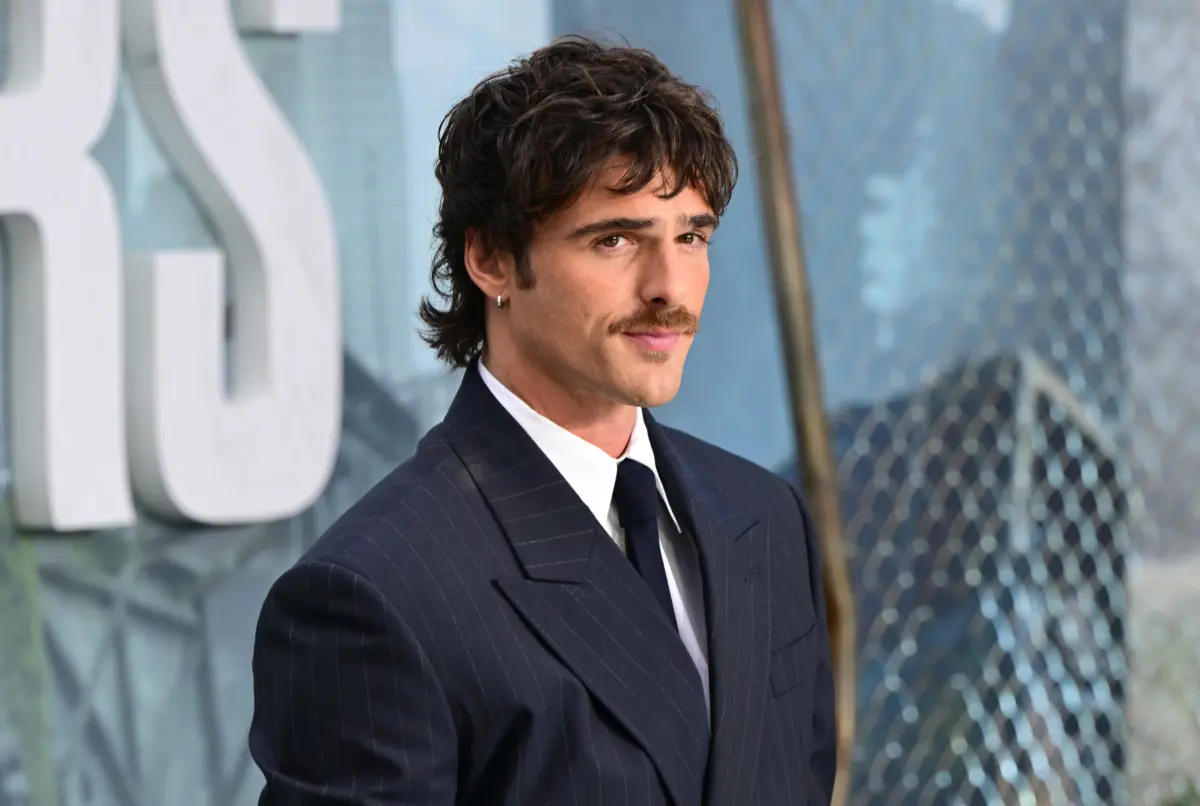
The evening centered on a screening of the 1977 cult classic Opening Night, directed by independent cinema pioneer John Cassavetes. The film stars the legendary Gena Rowlands as Myrtle Gordon, a Broadway actress spiraling into an existential crisis while preparing for a career-defining performance. For Elordi, the film was not merely a piece of cinema history; it served as a therapeutic mirror for his own experiences within the high-pressure environment of the modern entertainment industry.
A Career Defined by Creative Anxiety
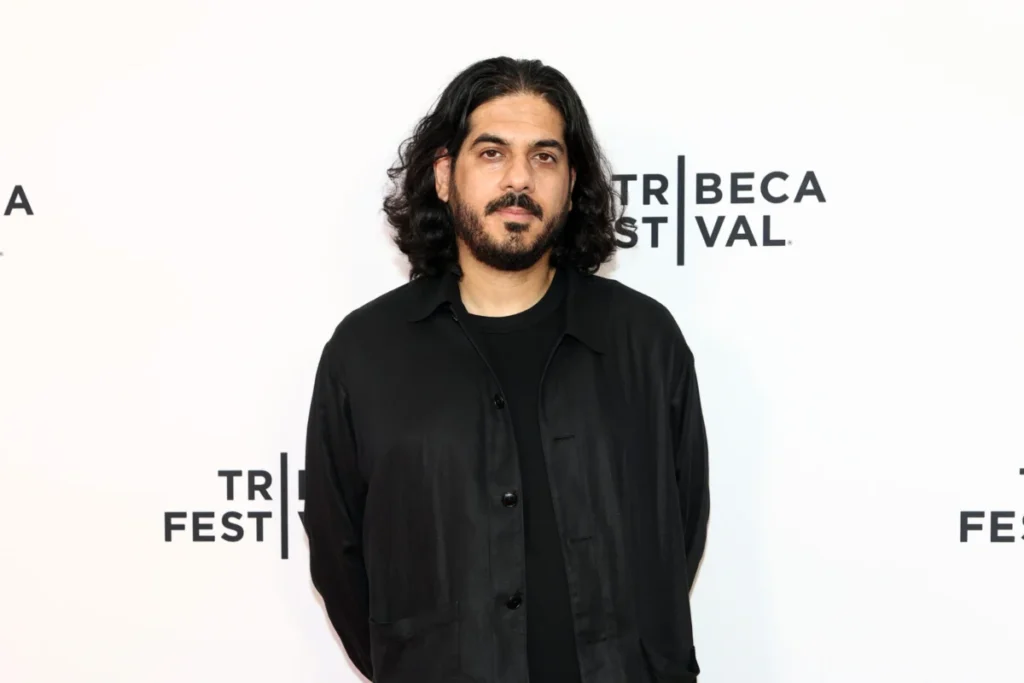
During the panel discussion, which featured filmmaker Sean Baker and was moderated by screenwriter Kim Morgan, Elordi spoke candidly about his early career struggles. He admitted that in his formative years, he felt alienated by the intensity required of the craft. Before gaining widespread recognition, Elordi starred in several projects that he felt fell short of his artistic aspirations. He described a period of profound self-doubt, noting that he initially misidentified the inherent pressures of character development as symptoms of a personal mental breakdown.
"I probably made three movies that I thought were pretty bad when I was young, and I had hopes and dreams of being this kind of terrific, ferocious stage actor," Elordi stated. "So I was pretty not fond of myself at that time. Watching Opening Night was one of the first times that I saw the creative process of an actor fleshed out in detail. The movie made me feel a lot less insane and alone."
This sentiment resonates with many actors who navigate the transition from technical performance to method-based, immersive character work. Elordi’s admission highlights the often-invisible psychological toll of artistic commitment, suggesting that the "breakdown" experienced by his character in the film—and mirrored by his own career anxieties—is a standard, if difficult, component of the creative process.
The Legacy of John Cassavetes and Independent Cinema
The choice of Opening Night was deliberate. As a Cartier ambassador, Elordi was tasked with selecting a film that reflected the spirit of the Cartier Cinema Club—an initiative that debuted at the Venice Film Festival last month to celebrate the "big-screen" experience. By selecting a Cassavetes work, the event underscored the luxury brand’s commitment to supporting auteur-driven, non-commercialized artistic integrity.
Sean Baker, the director behind critically acclaimed films such as The Florida Project and the recent Cannes Palme d’Or winner Anora, provided historical context for the significance of Cassavetes’ filmography. Baker noted that Cassavetes is widely regarded as the "godfather of U.S. independent cinema."
"You get asked often as an independent filmmaker, ‘What is your favorite Cassavetes?’ And it really depends on the day because, first off, they’re all masterpieces," Baker remarked. "They deal with very personal, universal issues and struggles that we all go through. He was always ahead of his time, but it also proves one very important thing: that cream rises. We’re here 50 years later talking about this film and celebrating this film. That proves that taking risks, staying true to your own voice, not compromising, and making art that’s a little unsafe is worth it."
Artistic Risk and the Modern Studio System
The discussion expanded into the broader implications of the current film landscape. Elordi, who is currently preparing for his role in Ari Aster’s upcoming film Scapegoat, reflected on the difficulty of maintaining artistic authenticity within the modern studio system. He noted that despite the evolution of the industry since 1977, the internal struggle of the actor remains constant.
"I’m getting ready to do a movie now and I’ve been kind of throwing myself on the floor and wondering, should I just drink a lot of vodka? Or should I smash a window?" Elordi said. "It invited me back into the creative process and what it means. You can be searching for a character and not know that you’re searching for it. It starts happening in your toes and your knees and your chest."
This dialogue between Elordi and Baker highlights a central tension in contemporary Hollywood: the struggle to balance the commercial requirements of major studio productions with the uncompromising, often "ferocious" nature of true artistic expression. Both men agreed that the most enduring work is that which feels inevitable—the kind of story that an artist feels compelled to tell regardless of the financial or personal cost.
The Technical Brilliance of Gena Rowlands
A significant portion of the conversation was dedicated to the performance of Gena Rowlands, who passed away in August 2024. Elordi expressed profound admiration for her ability to convey raw, unbridled emotion without succumbing to caricature.
"I don’t know how you do that and not look like a ham because everything she does is so big and so expressive, but it’s all completely contained in truth inside her," Elordi said. "I’ve watched that scene so many times. You can spin around in circles until you’re dizzy, you can get drunk, you can do all kinds of things, but I don’t know how she does that. She’s a genius."
Rowlands’ performance in Opening Night remains a touchstone for dramatic acting. Her work in the film, which often blurs the lines between reality and performance, is frequently studied for its technical precision. For Elordi, analyzing this performance is not just a study in history but a necessary component of his own preparation for future roles.
Industry Implications and Future Initiatives
The debut of the Cartier Cinema Club in Santa Monica marks a strategic shift for luxury houses in the arts sector. By aligning with figures like Jacob Elordi and filmmakers like Sean Baker, Cartier is positioning itself as a patron of high-concept, independent filmmaking. This event is part of a larger trend of luxury brands investing in film preservation and cultural programming to enhance their brand equity among cinephiles and high-net-worth audiences.
From a production standpoint, the success of such events indicates a continued appetite for repertory cinema. As streaming platforms dominate the distribution landscape, the physical act of gathering in theaters to discuss the mechanics of acting and the history of film remains a potent cultural activity. The dialogue between the younger generation of actors, represented by Elordi, and the seasoned independent directors, represented by Baker, suggests a bridging of gaps within the industry.
As Elordi prepares for his upcoming high-profile projects, his public reflection on the "process" serves as a reminder that even the most successful performers grapple with the fundamental anxieties of creation. The event at the Aero Theatre provided a rare look into the vulnerability of the modern star, grounded by the timeless, uncompromising vision of John Cassavetes. In an era often dominated by franchise blockbusters and algorithmic content, the focus on the "ferocious" and the "uncompromising" serves as a call to action for both filmmakers and audiences to continue seeking out art that challenges the status quo.
The event concluded with an appreciative audience, signaling that the intersection of luxury branding and independent cinema is not only viable but highly relevant in the current cultural climate. As the Cartier Cinema Club continues its tour, it promises to keep the conversation regarding the "creative process" and the legacy of the masters at the forefront of the industry.