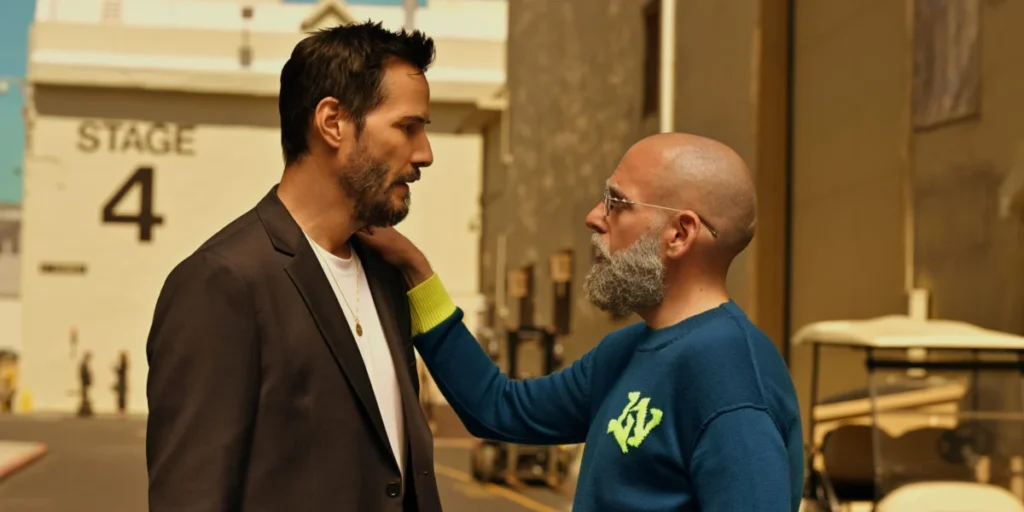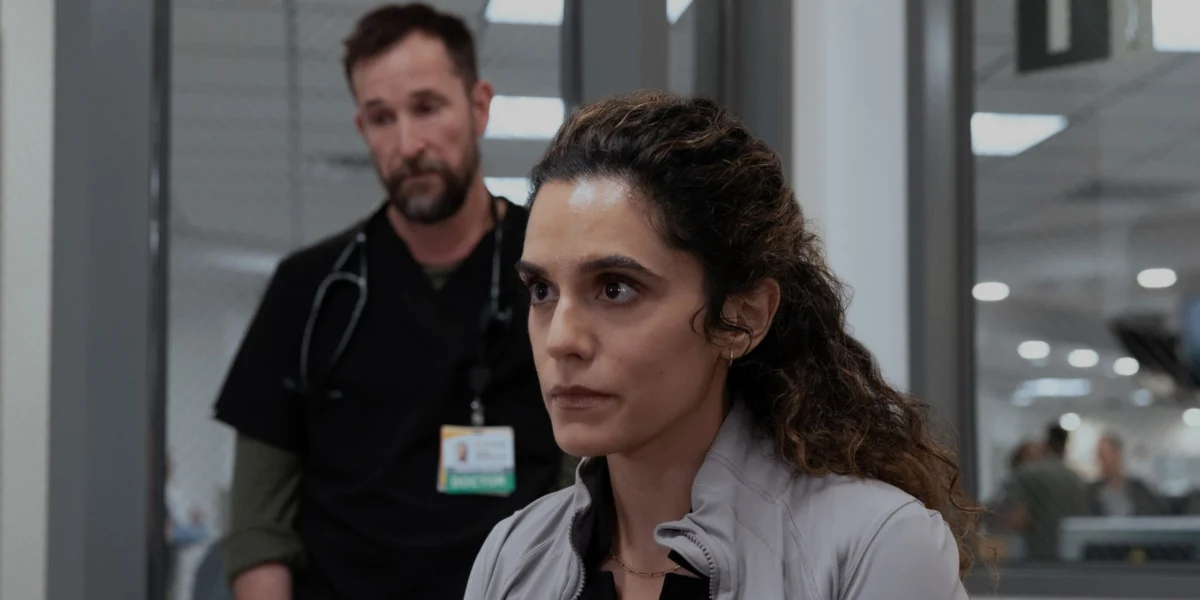
The Pitt is an American medical drama television series created by R. Scott Gemmill and executive-produced by industry veterans John Wells and Noah Wyle. This high-stakes procedural, set within the fictional Pittsburgh Trauma Medical Center, has quickly established itself as a cornerstone of modern television, blending technical accuracy with intense human drama. Following its critically acclaimed debut, the series has returned for a second season that intensifies its exploration of the systemic pressures facing the American healthcare system. Starring Noah Wyle alongside an ensemble cast including Tracy Ifeachor, Patrick Ball, Katherine LaNasa, Supriya Ganesh, Fiona Dourif, Taylor Dearden, Isa Briones, Gerran Howell, Shabana Azeez, and Sepideh Moafi, the program has garnered significant attention for its unique structural choices and its unflinching look at the lives of frontline medical workers.
A Real-Time Approach to Medical Crisis
The Pitt distinguishes itself from contemporary medical dramas through its rigid adherence to a real-time narrative format. Each season of the series is designed to follow the emergency department staff through the challenges of a single 12-hour shift. Each individual episode covers approximately one hour of that shift, allowing the audience to experience the escalating fatigue, the compounding stress of administrative failures, and the rapid-fire decision-making required in a Level 1 trauma center.
This format, while narratively demanding, serves a specific thematic purpose: it mirrors the relentless pace of a modern emergency room. By stripping away the temporal jumps common in television, the series forces viewers to sit with the consequences of every medical decision and the emotional weight of every patient interaction. The fictional Pittsburgh Trauma Medical Center serves as a microcosm of the broader American healthcare landscape, where staff shortages, chronic underfunding, and the remnants of a post-pandemic world create a volatile environment for both providers and patients.
The Creative Pedigree and Evolution of the Genre
The creative force behind The Pitt carries a significant historical weight in the television industry. Creator R. Scott Gemmill and executive producers John Wells and Noah Wyle are perhaps best known for their foundational work on ER, the long-running NBC series that redefined the medical drama in the 1990s. The collaboration on The Pitt represents a spiritual evolution of that legacy, updated for the complexities of the 2020s.
While ER focused on the adrenaline of the "golden hour," The Pitt shifts its gaze toward the sustainability of the medical profession itself. The series addresses the "moral injury" often cited by modern healthcare professionals—the distress felt when providers are prevented from giving the care they believe their patients need due to systemic constraints. This shift in focus has been noted by critics as a necessary evolution, moving the genre away from idealized heroics toward a more grounded, often bleak, but ultimately compassionate realism.
Critical Acclaim and the 77th Primetime Emmy Awards
The reception of The Pitt has been overwhelmingly positive, with critics praising the series for its performances, direction, and technical precision. This critical success translated into significant recognition during the awards season. At the 77th Primetime Emmy Awards, the first season of the series secured five major wins, solidifying its status as a prestige drama.
The awards included:
- Outstanding Drama Series: A recognition of the show’s overall narrative cohesion and impact.
- Outstanding Casting for a Drama Series: Highlighting the strength of the ensemble led by Wyle and Moafi.
- Outstanding Lead Actor in a Drama Series: Awarded to Noah Wyle for his nuanced portrayal of a veteran physician navigating personal and professional crises.
- Outstanding Supporting Actress in a Drama Series: Awarded to Katherine LaNasa.
- Outstanding Guest Actor in a Drama Series: Awarded to recurring guest star Shawn Hatosy.
In addition to its Emmy success, the American Film Institute (AFI) named The Pitt one of the 10 best television programs of 2025. The series also secured the win for Best Television Series – Drama at the 83rd Golden Globe Awards. These accolades underscore the series’ ability to resonate with both industry professionals and the general public, bridging the gap between technical procedural and high-art drama.
Authenticity and the Medical Community’s Response
One of the most significant metrics of success for The Pitt has been its reception within the actual medical community. Historically, medical dramas have been criticized for inaccuracies ranging from improper CPR techniques to the dramatization of rare diseases at the expense of common health issues. The Pitt has largely avoided these pitfalls, earning praise for its realistic representation of healthcare workflows.

Medical professionals have specifically lauded the show’s portrayal of:
- Staff Shortages: The constant struggle to maintain safe nurse-to-patient ratios.
- Administrative Friction: The tension between clinical needs and budgetary restrictions imposed by hospital administration and insurance providers.
- Burnout and Mental Health: The psychological toll of working in a high-mortality environment without adequate support systems.
- Post-Pandemic Realities: The long-term effects of the COVID-19 pandemic on hospital infrastructure and staff morale.
By consulting with medical experts and prioritizing the "boring" but essential parts of medicine—charting, insurance calls, and waiting for labs—the series achieves a level of verisimilitude that enhances the stakes of its more dramatic moments.
Technical Mastery: The Cinematography of Johanna Coelho
The visual language of The Pitt is instrumental in maintaining its real-time tension. Cinematographer Johanna Coelho has been credited with creating a visual style that is both immersive and claustrophobic. Utilizing long takes and a fluid, handheld camera approach, the cinematography allows the audience to move through the hospital corridors alongside the characters.
In recent interviews, Coelho discussed the challenges of lighting a set that must remain consistent across a simulated 12-hour window. Because the series is set in real-time, the lighting must subtly shift to reflect the time of day—or the lack thereof in the windowless interior of a trauma center. This attention to detail ensures that the passage of time is felt viscerally by the audience, contributing to the sense of mounting exhaustion as the "shift" progresses.
Spotlight on the Ensemble: Sepideh Moafi and Season 2
As the series enters its second season, the focus expands to deeper character studies within the ensemble. Sepideh Moafi, who joined the cast to high acclaim, has become a pivotal figure in the show’s narrative arc. In discussions regarding her role, Moafi has highlighted the importance of representing the diverse backgrounds of those who make up the backbone of urban trauma centers.
Season 2, titled "Life, Death, and No Easy Answers," continues to push the boundaries of the characters’ endurance. The new episodes delve into the personal crises of the staff, illustrating how their domestic lives are often sacrificed at the altar of their professional responsibilities. The addition of Moafi and the continued development of characters played by Tracy Ifeachor and Patrick Ball provide a multi-generational perspective on the medical field, from the idealistic residents to the battle-hardened veterans.
Broader Implications for the Television Landscape
The success of The Pitt on HBO Max signals a shift in streaming priorities. While high-concept sci-fi and fantasy often dominate the charts, the resurgence of the "blue-collar" procedural—refined for a prestige audience—suggests a hunger for stories grounded in contemporary reality. The Pitt’s focus on the "trauma" of the system, rather than just the trauma of the patients, offers a critique of American social infrastructure that is rare in mainstream entertainment.
Furthermore, the real-time format provides a blueprint for future episodic storytelling. By limiting the scope of time, creators are forced to find drama in the minutiae, leading to richer character development and a more sustained sense of suspense. The series demonstrates that the limitations of time and space can be assets rather than hindrances when backed by strong writing and a dedicated cast.
Conclusion and Future Outlook
As The Pitt continues its run on HBO Max, it remains a frontrunner for the upcoming awards cycle. With its blend of technical accuracy, social commentary, and high-caliber acting, the series has set a new benchmark for the medical drama genre. The production team, led by Gemmill, Wells, and Wyle, has successfully created a program that honors the grueling reality of healthcare workers while providing compelling, prestige entertainment.
For viewers seeking a television experience that is both intellectually stimulating and emotionally resonant, The Pitt offers a deep dive into the heart of the American medical system. As the staff of Pittsburgh Trauma Medical Center faces the next hour of their shift, the audience is left to contemplate the fragile balance between life and death, and the extraordinary people who stand in the gap. The series is currently available for streaming, and with the Emmy consideration window approaching, it remains a central fixture in the cultural conversation regarding the power and responsibility of modern television.