More than four years after Studio Trigger and CD Projekt Red captivated global audiences with the critically acclaimed debut of Cyberpunk: Edgerunners, the dystopian universe of Night City has officially expanded with its highly anticipated second season. Among the new ensemble of voice talent breathing life into the franchise’s gritty underworld is actor, disability rights advocate, and environmental activist Analesa Fisher. Taking on the role of Omi, a nomadic survivor navigating the unforgiving landscapes beyond the urban sprawl, Fisher steps into a significantly different sonic and emotional space compared to their previous animation credits. In a comprehensive interview, Fisher reflects on the spontaneous audition process, the challenges of dropping their vocal register for a more grounded performance, the thematic weight of the new ten-episode arc, and their ongoing humanitarian and environmental advocacy outside the recording booth.
The Production Background and Evolution of Cyberpunk: Edgerunners Season 2
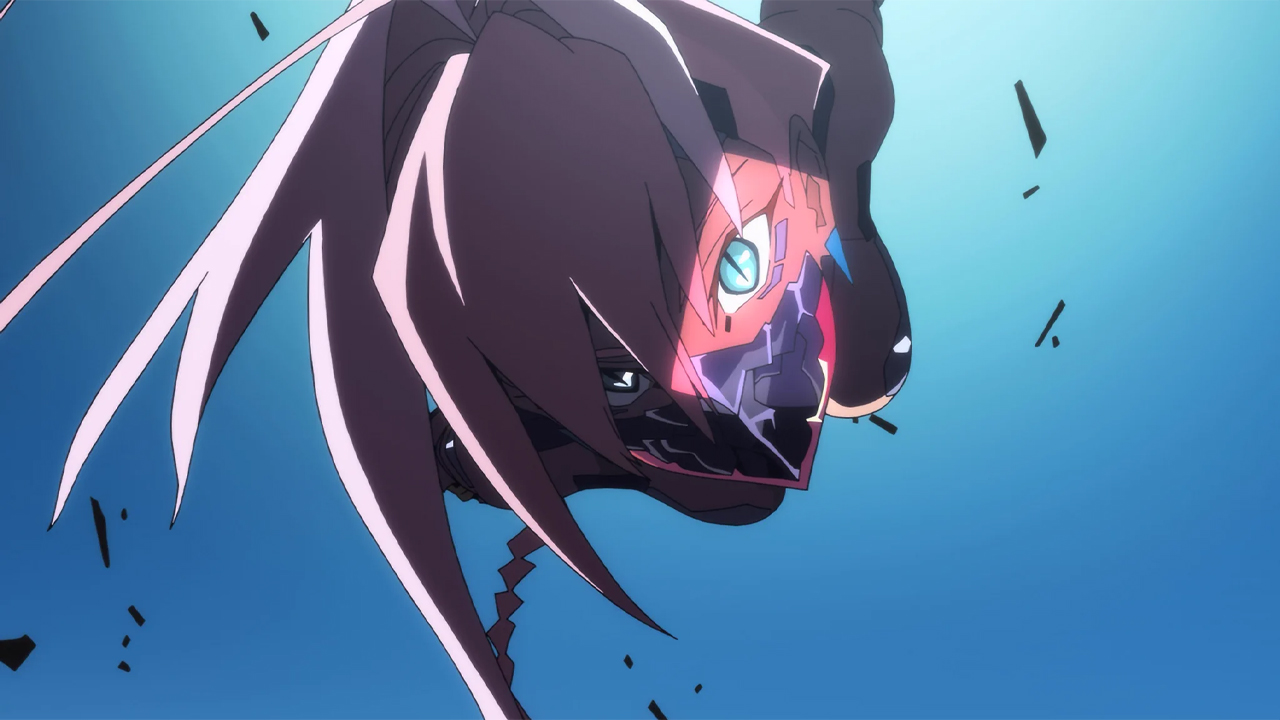
The return of Cyberpunk: Edgerunners marks a major milestone for Netflix and Studio Trigger, building upon a cultural phenomenon that initially propelled CD Projekt Red’s video game universe back into the mainstream zeitgeist in September 2022. The first season achieved widespread critical acclaim for its breathtaking visual style, relentless pacing, and a heartbreaking narrative centered on David Martinez. Rather than attempting a direct continuation of that specific storyline, the second season functions as a standalone ten-episode narrative exploring new facets of Night City and its periphery.

The narrative structure of season two introduces starkly contrasting character arcs. Viewers follow Weak, a washed-up cyberpunk legend struggling to find purpose after losing his cyberware in a world that has discarded him, alongside D, a deadly nomad whose quest for vengeance pulls him dangerously close to tightly guarded corporate secrets. Parallel to these intersecting plots are the struggles of characters like Omi and Talia, whose personal journeys emphasize human resilience, community, and the refusal to succumb to the cyclical violence that defines the urban core. The thematic framework deliberately contrasts the high-tech, sensory-overloaded decay of Night City with the distinct, traditionalist culture of the nomads, offering a nuanced sociological look at a fractured society.
An Unexpected Audition in a Parking Garage
Fisher’s journey to landing the role of Omi was defined by unexpected circumstances and rapid industry turnaround times. Initially, Fisher had auditioned for the role of Yupi, an upbeat and eccentric character whom Fisher humorously admitted to chasing enthusiastically during the preliminary casting calls. After not securing that part, Fisher traveled to Portland, Oregon, to visit family.
While visiting relatives, Fisher received an unexpected call from close friend and fellow voice actor Valeria Rodriguez, who voices the character Roman in the series. Rodriguez was in the middle of a recording session and handed the phone to voice director and industry veteran Wendee Lee. Recognizing the urgency, Lee asked Fisher to submit an immediate audition for Omi, noting that studio timelines required rapid turnaround.

Lacking professional studio equipment while traveling, Fisher utilized a makeshift recording setup inside a parked automobile in their mother’s apartment parking garage, balancing a laptop on the dashboard and using a portable travel microphone. Confronted with sides featuring deeply emotional and somber dramatic material—a stark departure from Fisher’s typically high-pitched, comedic vocal style—Fisher leaned into the raw emotional vulnerability of the scene. Despite initial uncertainties regarding the audio quality and a lack of immediate response from casting directors, Fisher received a booking confirmation the following Tuesday while working in an unrelated recording session in Los Angeles.
Crafting Omi: Vocal Challenges and Artistic Direction
Stepping into the role of Omi required Fisher to fundamentally adjust their vocal delivery. Known predominantly for higher-pitched characters in animation franchises such as Monster High and Miraculous: Tales of Ladybug and Cat Noir, as well as prominent video game titles like Honkai: Star Rail and Cookie Run: Kingdom, Fisher had to cultivate a deeper, more solemn tone suitable for a hardened nomadic survivor.
Throughout the recording sessions, Fisher worked closely with voice director Wendee Lee and representatives from CD Projekt Red to maintain Omi’s grounded, realistic persona. A notable challenge during recording involved emotional scenes where natural physiological responses caused Fisher’s voice to rise back into its customary higher register, requiring continuous adjustments to maintain the character’s steady, gravitas-laden presence. Furthermore, while many characters in the Cyberpunk universe heavily utilize futuristic street slang such as chooms, the nomadic characters were directed to speak with a more deliberate, classical cadence—a stylistic choice that presented distinct synchronization challenges when matching dialogue to Japanese-style animation mouth flaps.

Fisher noted that Omi represents a vital thematic counterweight to characters consumed by destructive impulses. While characters like D pursue paths of ruinous retaliation, Omi’s narrative function centers on the preservation of life, community, and memory. This performance style mirrors broader industry trends toward naturalistic, understated voice acting in mature animated series, drawing comparisons to the dramatic articulation found in productions like Castlevania.
Multifaceted Career: Writing, Advocacy, and Environmental Activism
Beyond voice acting, Fisher maintains an active career spanning screenwriting, disability rights advocacy, and environmental conservation. Fisher has been writing scripts since the age of fifteen, culminating in the development of a semi-autobiographical young adult thriller feature script titled Wake Up. Exploring themes of teenage alcoholism, growing up on the autism spectrum, and the disorienting psychological effects of lucid dreaming, the script successfully secured representation with United Talent Agency (UTA) in 2023 and is currently being developed for production within the Young Hollywood landscape.
In addition to their cinematic work, Fisher serves as a prominent member of the Environmental Media Association’s (EMA) Young Hollywood Board. Having held this position for multiple years, Fisher utilizes their platform to advocate for shark conservation and sustainable lifestyle choices. Rather than endorsing unachievable standards of absolute sustainability—which often lead to activist burnout—Fisher and the EMA board advocate for individualized, manageable advocacy where members champion specific causes, such as public transportation, organic urban farming, and marine preservation. Through public speaking engagements and convention appearances, Fisher leverages their growing pop-culture profile to foster optimism and actionable environmental awareness among Gen Z audiences.
Implications and Cultural Impact of Cyberpunk: Edgerunners Season 2
The expansion of the Cyberpunk: Edgerunners franchise through its second season demonstrates the enduring commercial and artistic viability of multimedia adaptations within the video game industry. By coupling high-octane cyberpunk aesthetics with grounded, emotionally resonant character studies, Studio Trigger and CD Projekt Red have reinforced the medium’s capacity for complex storytelling. Performances by actors like Analesa Fisher contribute significantly to this success, anchoring fantastical, dystopian narratives in authentic human emotion. As the series reaches global audiences on Netflix, the character of Omi stands as a testament to the resilience of the human spirit amidst systematic collapse, echoing Fisher’s off-screen dedication to hope, perseverance, and advocacy.