Located in Lazise, Italy, near the shores of Lake Garda, Movieland Park has recently garnered significant international attention following a viral social media showcase by content creator Matthew Ables. The park, a component of the larger Canevaworld Resort, distinguishes itself through a unique business model that pays homage to iconic Hollywood intellectual properties through a series of "inspired-by" attractions. While the park does not hold official licensing agreements with major American film studios for these specific rides, the thematic parallels to Universal Studios and Disney properties have sparked a global conversation regarding the limits of theme park homage and the ingenuity of independent amusement operators.
A Chronology of Movieland’s Thematic Evolution
Movieland Park was established as part of the Canevaworld complex in the early 2000s, positioning itself as a cinematic alternative to the traditional amusement parks found in Northern Italy. Unlike its competitors, which often rely on original IP or European cultural themes, Movieland adopted a strategy of mimicking the aesthetic of Golden Age Hollywood and contemporary blockbuster cinema.
Over the past two decades, the park has systematically expanded its roster of attractions to include experiences that mirror the high-budget thrills of American theme parks. The timeline of its development reflects an aggressive push toward immersive storytelling. By 2010, the park had solidified its "Hollywood" identity, introducing technical rides that required significant mechanical engineering to simulate the cinematic experiences guests associated with global franchises. The current iteration of the park represents a culmination of these efforts, blending live stunt shows, interactive dark rides, and physical thrill attractions that borrow liberally from the cultural lexicon of 1980s and 1990s science fiction and horror films.
Breakdown of Key Attractions and Cinematic Parallels
The park’s attraction catalog serves as a masterclass in thematic proximity. One of the most prominent examples is the attraction titled "We Are Back: Kids from the Future." While the title and the inclusion of a modified DeLorean vehicle clearly evoke Robert Zemeckis’s Back to the Future franchise, the attraction utilizes proprietary ride technology to create a unique narrative experience that differentiates itself from the defunct Universal Studios motion simulator rides.
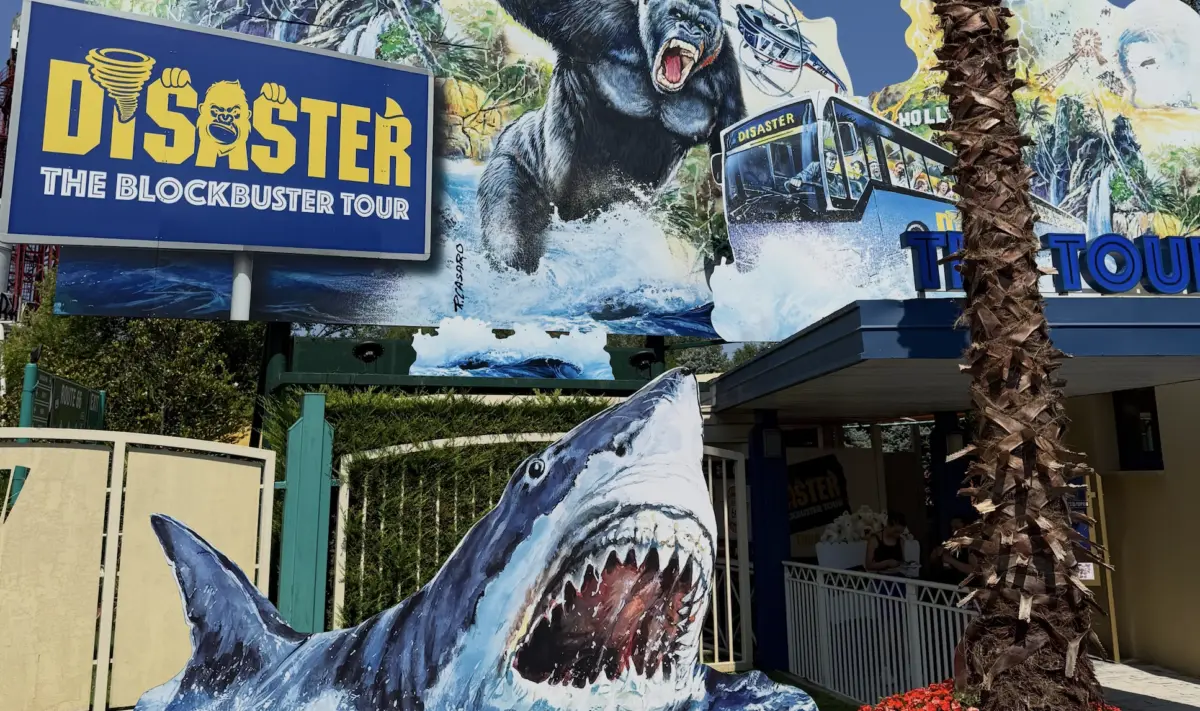
Perhaps the most notable attraction currently drawing social media interest is "Shark Park." This experience effectively blends the high-seas tension of Steven Spielberg’s Jaws with the prehistoric, creature-feature intensity of Jurassic Park. By combining a water-based transit system with animatronic predators, the attraction creates a hybrid environment that satisfies the audience’s demand for creature-driven spectacle.
Furthermore, the "Hollywood Action Tower" provides a localized interpretation of the "drop tower" genre. While the structure and the presence of bellhop-themed staff draw direct comparisons to Disney’s Tower of Terror, the mechanical operation of the ride is distinct. The park employs an outdoor free-fall system that emphasizes speed and visibility, moving away from the internal narrative-heavy dark ride structure of its American counterpart.
The Pangea Experience: An Interactive Innovation
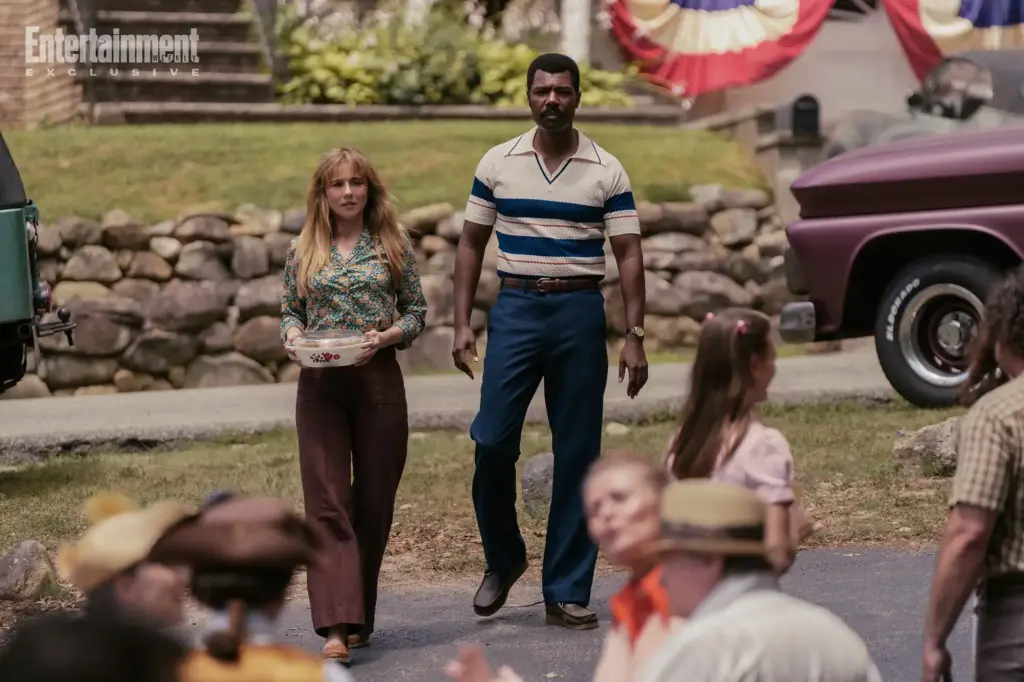
One of the most technically ambitious offerings at Movieland is the "Pangea" attraction. Unlike standard "safari" or "dinosaur" rides where guests are passive observers on a tracked vehicle, Pangea puts the guest in the driver’s seat. Visitors operate actual modified Jeep vehicles, navigating a rugged, forest-themed terrain populated by life-size, animatronic dinosaurs.
From an engineering perspective, this represents a significant shift in guest engagement. By requiring participants to navigate the course themselves, the park increases the level of perceived danger and personal agency. Data from park attendance records suggest that interactive attractions like Pangea are key drivers of visitor retention, as they offer a degree of replayability that static, track-based rides cannot match.

Seasonal Integration: The Horror Influence
Beyond its year-round attractions, Movieland has successfully integrated seasonal horror programming into its business model. During the Halloween season, the park transforms into a landscape of iconic slasher figures. The presence of characters synonymous with the horror genre—including Art the Clown from the Terrifier series, Freddy Krueger, Michael Myers, and Pennywise—demonstrates the park’s commitment to "meta-horror" tourism.
By licensing or creating homages to these figures, the park attracts a demographic of horror enthusiasts that standard family-oriented theme parks often overlook. This strategy provides a crucial revenue stream during the shoulder season, effectively extending the park’s operational profitability into the autumn months.
Legal and Industry Implications of Thematic Homage
The business of "knockoff" or "homage" attractions occupies a complex space within intellectual property law. Generally, theme parks are permitted to create attractions that utilize generic concepts—such as time travel, shark attacks, or prehistoric jungles—provided they do not infringe on specific copyrighted material, names, or trademarked branding.
Legal analysts note that as long as Movieland avoids using the specific names, logos, or musical scores associated with films like Jurassic Park or Back to the Future, they operate within a gray area of thematic inspiration. This practice is common in the global tourism industry, particularly in regions where international copyright enforcement may vary or where the attractions are framed as parodies or tributes. For Movieland, the "insane" nature of the park—as described by online commentators—is precisely its selling point. It offers a nostalgic, hyper-real version of the American movie-going experience, repackaged for a European audience that may not have regular access to the domestic parks in Orlando or Hollywood.
Broader Economic Impact and Future Outlook
The viral success of user-generated content, such as the TikTok footage by @matthewables, highlights a changing landscape in theme park marketing. Independent operators like Movieland no longer rely solely on traditional advertising; instead, they benefit from the "authenticity" of influencer-led discovery.
Economically, Movieland’s model offers a lower-cost entry point for tourists compared to the multi-day, high-cost investment required for a visit to major international theme park conglomerates. By positioning itself as an affordable, accessible "all-in-one" experience, the park continues to capture a significant share of the regional tourism market in the Lake Garda area.
Looking ahead, the success of the park suggests a growing trend toward "boutique" cinematic parks. While it is unlikely that these independent operators will ever rival the scale or technical complexity of multi-billion dollar franchises, their ability to provide high-energy, recognizable entertainment ensures their relevance. The integration of more advanced robotics, such as those seen in Pangea, indicates that Movieland is moving toward higher-fidelity attractions, potentially narrowing the gap between "knockoff" status and genuine, world-class theme park competition.
In conclusion, while Movieland may lack the corporate backing of a major film studio, its success is a testament to the enduring appeal of the cinematic experiences it mimics. By combining bold, high-concept attraction design with a savvy understanding of horror and adventure tropes, the park has secured its place as a notable destination in the global amusement sector, proving that in the world of theme parks, the spirit of the spectacle is often as important as the name on the gate.