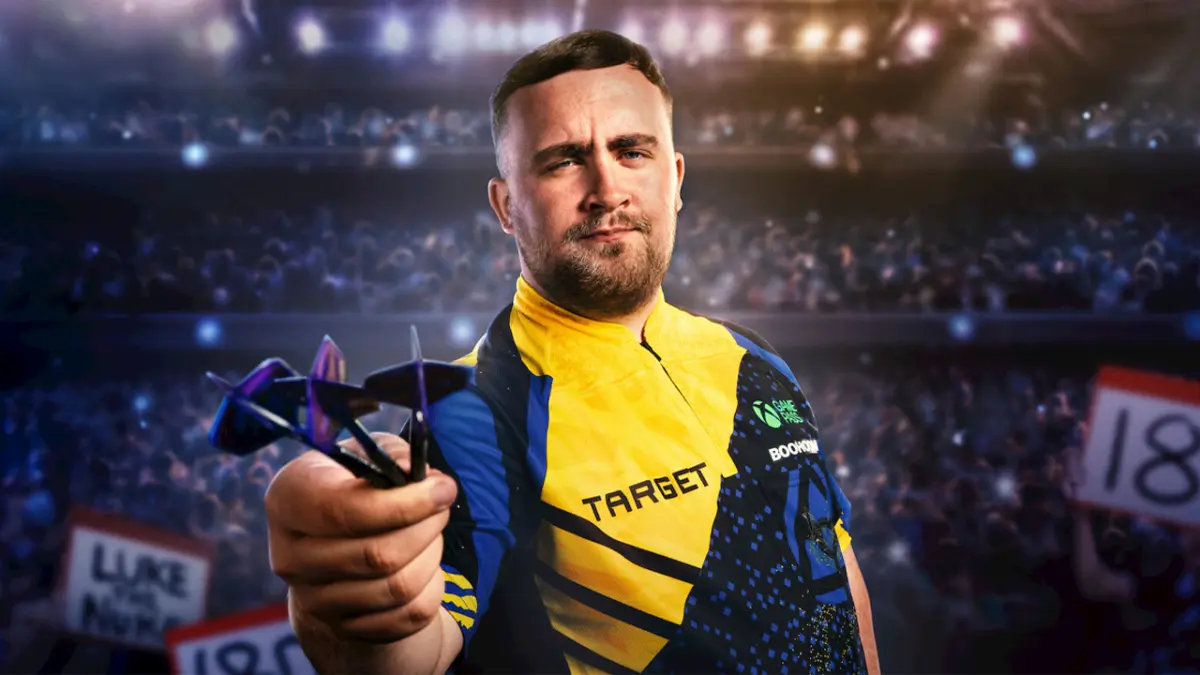
Before a single dart is thrown on the oche, Netflix’s ambitious live sports special Beat Luke Littler has generated significant controversy among sports fans and industry observers alike. Billed as a definitive David-versus-Goliath competition offering everyday pub players and amateur enthusiasts a once-in-a-lifetime opportunity to challenge the reigning world number one, the event’s credibility came under immediate scrutiny following the public unveiling of the contestant roster. Viewers quickly identified seasoned professionals, circuit regulars, and former World Championship competitors among the selected lineup, sparking widespread debate across social media regarding fairness, transparent casting practices, and the integrity of the format.
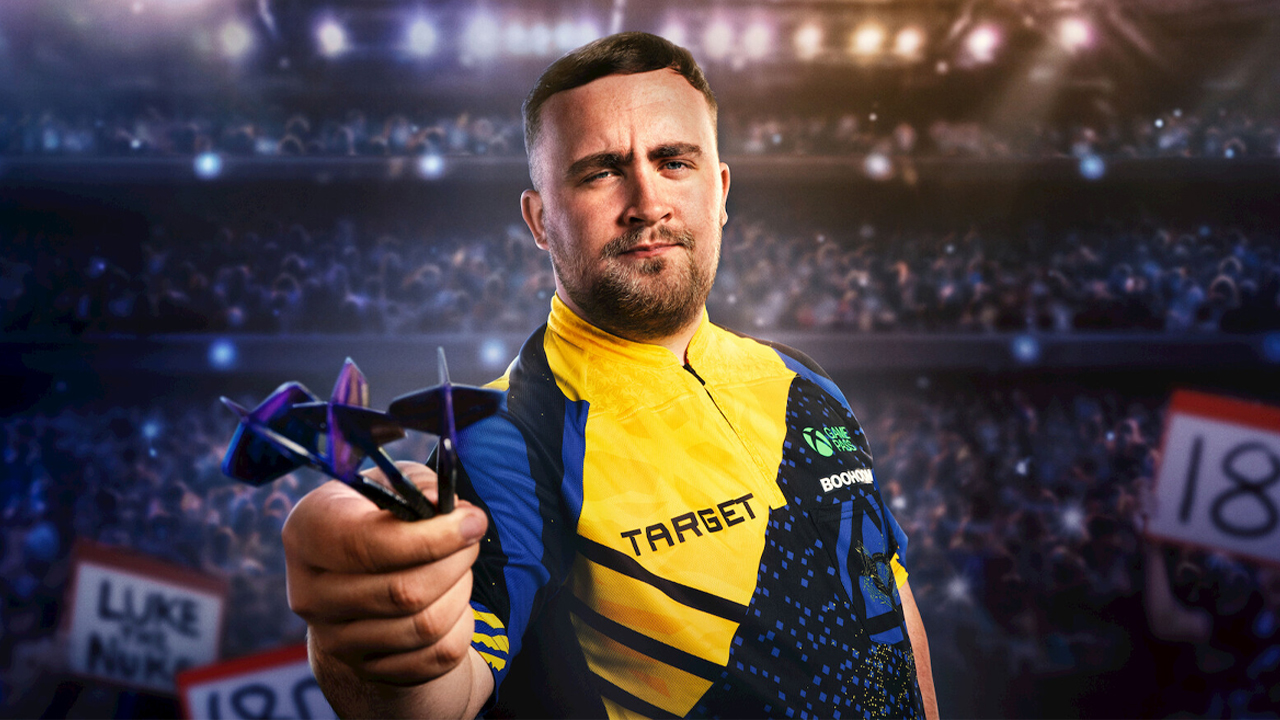
The high-stakes live broadcast, scheduled to air globally at 7:00 PM BST on October 30, 2026, positions 19-year-old darting phenomenon Luke "The Nuke" Littler as the ultimate final boss. Littler, a two-time defending Professional Darts Corporation (PDC) World Champion who boasts an extraordinary resume of 28 PDC titles, including 13 major singles victories and two PDC Player of the Year awards, invited public challengers with a confident promotional statement: "Everyone thinks they can beat me. Now they get a chance to prove it." However, the inclusion of established names within a tournament explicitly marketed for non-professional talent has disrupted the narrative of grassroots accessibility.
Background Context and the Evolution of Netflix Live Sports
The controversy arrives as streaming giant Netflix continues its aggressive and strategic expansion into the live sports broadcasting sector. Over recent years, the platform has diversified its programming portfolio to capture traditional sports audiences through high-profile acquisitions, including National Football League (NFL) Christmas Day games, Major League Baseball (MLB) broadcasts, elite tennis tournaments such as the Six Kings Slam, and blockbuster boxing events like the anticipated heavyweight clashes between Tyson Fury and Anthony Joshua.
Beat Luke Littler represents a unique hybrid within this strategy: a bespoke, entertainment-driven live sports special designed to blend grassroots participation with elite athletic dominance. Promising a life-changing grand prize of £501,000 for any competitor capable of defeating the young superstar, the production aimed to capture the populist appeal of televised reality competitions while maintaining the high production values associated with major PDC tournaments. Yet, the friction between entertainment television conventions and strict sporting integrity has created a public relations challenge for the platform.
Chronology of the Controversy and Eligibility Rules
The seeds of the current dispute trace back to the initial casting announcement released by Netflix in July 2026. At the time, promotional materials and official eligibility guidelines explicitly stated that applicants must be everyday players residing in the United Kingdom and, crucially, must never have held a PDC Tour Card—the coveted license that grants full-time professional status and direct access to the premier professional circuit.
The application window invited hopefuls from diverse backgrounds, leading to months of auditions and regional selections. When Netflix officially published the 24-player roster in October, the demographic proved remarkably varied, spanning ages 14 to 57 and featuring professions as eclectic as school pupils from Wales and Scotland, a local authority refuse worker from Bedford, a national restaurant chain manager, a former British Army captain, and an Australian jockey with more than 7,500 professional horse race appearances.
However, the inclusion of prominent circuit competitors—such as notable women’s darts trailblazer Fallon Sherrock and rising talent Mitchell Lawrie—immediately alarmed eagle-eyed followers of the sport. Fans noted that several participants possessed extensive television experience, having previously competed on major stages including the PDC World Darts Championship and secondary ProTour circuits. The revelation prompted an immediate wave of criticism from viewers who felt the fundamental premise of a purely amateur showcase had been compromised without prior disclosure from the network.
Public Reaction and Social Media Backlash
The announcement on X (formerly Twitter) by Netflix UK catalyzed an immediate backlash from the darts community. Supporters and casual viewers alike took to the platform to voice their dissatisfaction, questioning the transparency of the vetting process and accusing producers of prioritizing recognizable names over genuine grassroots hopefuls.
Prominent fan accounts and independent commentators pointed out the glaring disparity between the marketing campaign and the actual personnel. One user remarked, "When is he playing against the amateur pub players like we were told he would be?" while another added, "Swear they said only amateur players? Can see Fallon Sherrock and Mitchell Lawrie, a lot of them are far from amateur."
Further criticism targeted the perceived unfairness toward everyday players who dedicated time and personal resources to attend regional auditions under the impression that they would be competing against peers of similar skill levels. A disillusioned applicant expressed relief at having bypassed the Manchester auditions, arguing that the selection process offered little genuine opportunity for unheralded talent. Other observers contextualized the misstep within modern television production trends, suggesting that reliance on scouted talent and familiar faces often undermines the authentic discovery formats popularized by traditional sports and reality programming.
Conversely, a segment of the audience defended the eclectic mix, proposing that incorporating experienced players alongside novices aligns more closely with exhibition formats such as a wrestling "Royal Rumble," where surprise entrants and recognized circuit figures create dynamic entertainment.
Official Silence and Analytical Implications
As of publication, Netflix has not issued a formal clarification addressing the eligibility of the professional and semi-professional players included in the roster, nor have they updated the initial terms concerning PDC Tour Card restrictions.
From an analytical perspective, the inclusion of higher-caliber players fundamentally alters the competitive dynamics of the broadcast. While an entirely amateur field might have resulted in heavily lopsided legs and predictable statistical dominance by Littler, the presence of seasoned professionals ensures a higher standard of scoring and checkouts. This adjustment may ultimately serve the broadcaster’s commercial interests by delivering a more competitive and visually engaging spectacle for mainstream audiences tuning in for live entertainment, even if it alienates purists who value strict adherence to amateur sporting definitions.
As the October 30 broadcast approaches, attention remains fixed on how the competition will unfold on stage. Whether the backlash impacts live viewership figures or merely fuels pre-show anticipation, Beat Luke Littler has successfully dominated sports media headlines, proving that the intersection of streaming entertainment and professional athletics remains a volatile and intensely scrutinized frontier.