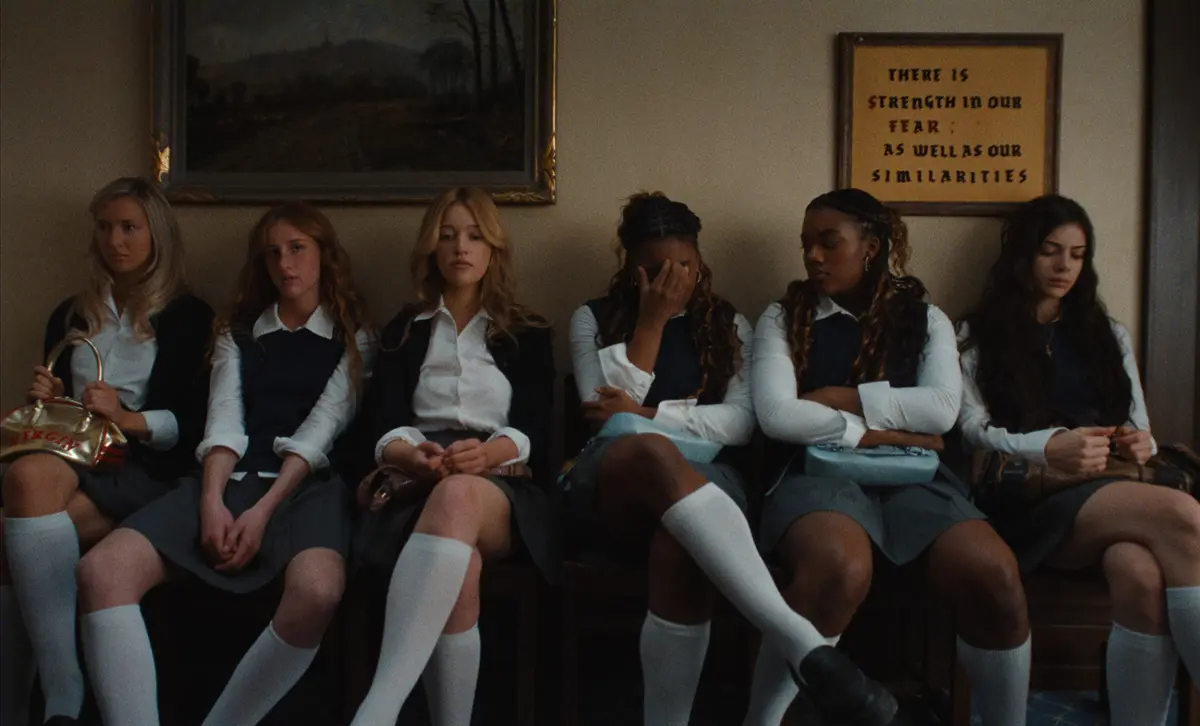
The landscape of contemporary streaming television frequently witnesses the intersection of provocative artistic vision and intense public polarization. Netflix’s newest young adult drama series, The Body, has emerged as a primary case study for this phenomenon. Released globally on November 11, the supernatural-psychological thriller has rapidly ascended the streaming platform’s daily charts, capturing high-ranking positions across dozens of nations. Simultaneously, however, the production has faced a coordinated international backlash. A formal petition hosted on the CitizenGo platform has steadily accumulated signatures from critics who view the series as offensive to Christian sensibilities.
Despite the controversy and the vocal opposition demanding its immediate removal from the streaming catalogue, viewership metrics indicate that public curiosity and demand for the program are exceptionally high. Showrunner Quinn Shephard, alongside her creative team, has engineered a narrative designed to provoke deep philosophical and theological inquiry, a factor that appears to be driving both the widespread viewership and the severe censure from religious advocacy groups. As industry analysts monitor the trajectory of the series, the debate surrounding The Body highlights the ongoing cultural negotiations between creative freedom, platform responsibility, and audience sensibilities in the digital age.
Main Facts and Global Chart Performance
Since its debut on November 11, The Body has demonstrated robust performance metrics across international markets. According to data tracked by FlixPatrol, the series immediately established a strong footprint upon its release. On its first full day of tracking on November 12, the program entered the television Top 10 lists in 63 countries, securing an average global ranking of 6.7. This initial momentum accelerated rapidly within a twenty-four-hour period. By November 13, the series expanded its reach into 83 countries, with the average global ranking improving significantly to 4.3.
The geographical distribution of these rankings underscores the broad appeal of the genre. On its second day of charting, The Body captured the number-one position in six distinct territories: Bulgaria, Guadeloupe, Kenya, Latvia, Lithuania, and Martinique. Furthermore, the series secured top-three placements in 28 countries and positioned itself within the top five in 61 regions. In major media markets such as the United States, the United Kingdom, and Brazil, the series showed consistent upward mobility. In the United States, the program moved from the number four spot on its first day to number two by day two. Similar upward trends were observed in the United Kingdom, where the show shifted from fifth to third place, and in Brazil, where it advanced from fourth to second place.
Critical reception has contributed to the discourse surrounding the series. Review aggregation platforms reflect a generally favorable consensus among professional critics and audiences alike. On IMDb, the series holds a stable rating of 7.4 out of 10 based on thousands of user reviews. On Rotten Tomatoes, the show achieved an 83 percent critical approval rating, accompanied by an exceptionally high Popcornmeter audience score of 98 percent from over 250 verified ratings. Reviewers from major entertainment publications have offered varied perspectives; outlets such as Variety characterized the production as an ambitious period piece, while other publications debated its thematic execution, ensuring high visibility across cultural and media forums.
Chronology of the Release and Controversy
The timeline surrounding the launch of The Body is characterized by simultaneous promotional campaigns and organized public resistance. The sequence of events highlights how modern digital campaigns can target media releases in real time:
- Late October to Early November: Netflix initiates an aggressive social media and digital marketing campaign to promote the upcoming supernatural teen drama, highlighting its Y2K aesthetic and high-concept premise.
- Early November: Concurrently, conservative advocacy groups deploy a petition via the CitizenGo platform addressed to Peter Rice, Chief Content Officer at Netflix. The petition explicitly calls for the cancellation of the series prior to its premiere, citing perceived historical grievances regarding previous Netflix releases and labeling the new production as offensive to Christian families.
- November 11: The Body officially premieres globally on Netflix, releasing all episodes simultaneously in accordance with the platform’s standard drop model.
- November 12 (Day 1 of Charting): FlixPatrol data indicates the series debuts in the television Top 10 across 63 countries, maintaining an average position of 6.7. Meanwhile, the cancellation petition surpasses 80,000 signatures.
- November 13 (Day 2 of Charting): The series expands its charting presence to 83 countries, improving its average global ranking to 4.3 and securing the number-one position in six regions. The CitizenGo petition continues to grow, approaching 84,000 signatories.
- Upcoming Milestones: Netflix is scheduled to release its official, audited weekly top ten viewing hours data, providing concrete metrics regarding aggregate hours viewed worldwide.
The Anatomy of the Backlash and Institutional Silence
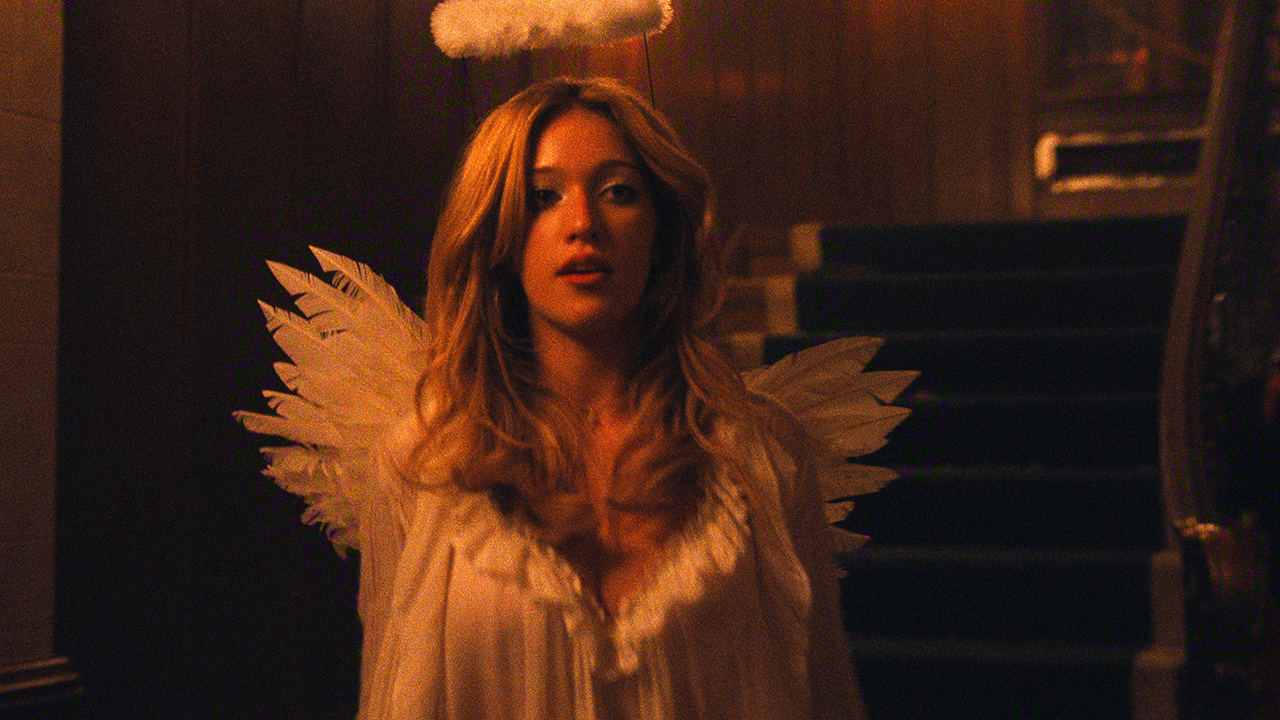
The opposition to The Body materialized before the series officially aired, coordinated primarily through digital petition drives. The CitizenGo campaign targeted executive leadership at Netflix, asserting that the platform habitually produces content that disparages Christian faith while avoiding similar creative risks concerning other major world religions. The petition text explicitly referenced past controversies involving the streaming service, framing the release of The Body as a continuation of a perceived corporate strategy.
Organizers of the petition utilized comparative rhetoric, arguing that community standards applied to other demographic groups should be extended to Christian traditions. The petition initially set a target of 100,000 signatures and gained rapid traction following its launch, crossing the 80,000 threshold within the first week of the show’s availability.
Despite the formal requests for cancellation and the substantial volume of signatures, Netflix proceeded with the scheduled global release of the series. Industry observers note that streaming platforms rarely alter release schedules or cancel completed productions in response to consumer petitions unless faced with severe regulatory pressures or catastrophic financial backing losses. Requests for official comment directed to Netflix representatives regarding the petition and the surrounding public discourse went unanswered as of the publication of viewing metrics.
Narrative Framework and Creative Intent
Set against the atmospheric backdrop of Halloween 2004, The Body follows a Catholic school dance troupe that experiences severe psychological distress, collective hysteria, and supernatural visions following a botched initiation ritual. The juxtaposition of a strict religious environment with occult elements forms the narrative core of the series, which was created and showrun by Quinn Shephard, known for her previous work on Blame and Under the Bridge.
Addressing the religious undertones and thematic complexity of the series, Shephard emphasized in interviews that the production seeks to explore the psychological necessity of faith rather than engage in simplistic satire. She described the narrative framework as an examination of systems that manipulate human spiritual desires while simultaneously acknowledging the genuine human need for transcendental experiences. The creative team aimed to maintain nuance by incorporating diverse personal perspectives from writers and crew members from varied backgrounds, striving to avoid broad stereotypes and instead provoke internal questioning among viewers regarding belief systems and community hysteria.
Broader Industry Implications and Future Prospects
The simultaneous surge in viewership and public controversy surrounding The Body illustrates several prevailing trends in the contemporary streaming economy. First, content that touches upon institutional religion, youth culture, and supernatural horror frequently generates high levels of digital engagement. The phenomenon aligns with the "controversy-visibility" loop, wherein public debate and critical discourse inadvertently amplify the visibility of a project, driving algorithm-based recommendations and drawing curious viewers to the platform.
Furthermore, the operational structure of Netflix regarding young adult programming allows for scalable success across international borders. As demonstrated by the charting data, series tailored to younger demographics often achieve rapid global penetration, transcending linguistic and cultural barriers through universal themes of identity, peer pressure, and rebellion.
Regarding the longevity of the series, The Body was not commissioned as a limited or miniseries, leaving the narrative architecture open for potential continuation. Showrunner Quinn Shephard has acknowledged that preliminary concepts for a second season have been discussed with co-creators and executive producers. Whether these plans materialize into a formal renewal will depend heavily on the proprietary metrics evaluated by Netflix following the release of the platform’s official weekly engagement reports. For the present, the series remains available for streaming worldwide, commanding significant audience share amid ongoing cultural discussions regarding artistic boundaries and digital-age media consumption.