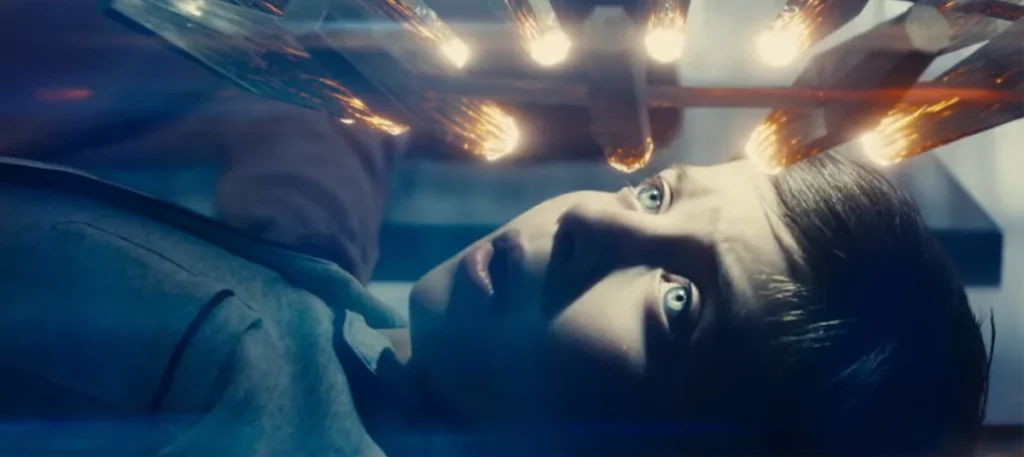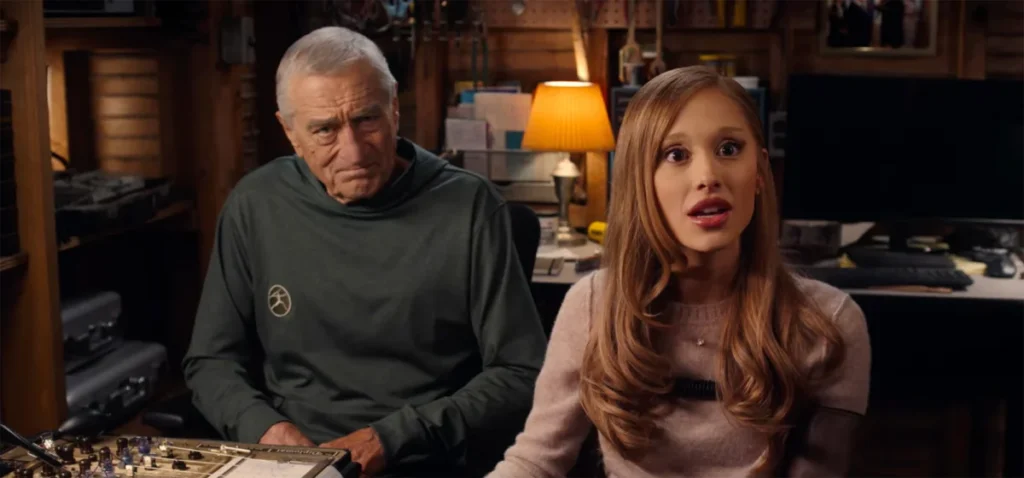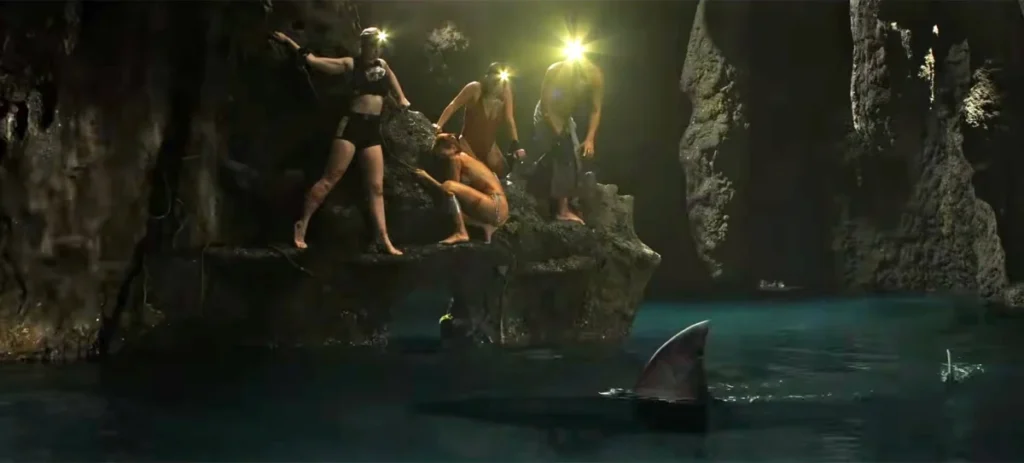
The landscape of independent horror cinema continues to thrive on ingenuity, resourcefulness, and a willingness to subvert classic literary tropes for modern audiences. Terror Vision has officially released the trailer and promotional materials for Spirit Tasting, the latest feature-length project from prolific indie genre filmmaker Chris LaMartina. Billed as a sobering, post-punk reimagining of W.W. Jacobs’ seminal 1902 horror short story The Monkey’s Paw, the film promises an intoxicating blend of psychological dread and visceral, practical-effect gore.
The rollout for Spirit Tasting begins with a high-profile red-carpet premiere in Baltimore, Maryland, setting the stage for an unconventional theatrical distribution model. Rather than relying on a traditional wide release or an immediate streaming debut, the film is slated for an extensive, multi-city roadshow throughout the remainder of the year. This grassroots approach reflects both the DIY ethos of its production and the enduring appeal of experiential cinematic events within the contemporary horror community.
Main Facts and Narrative Premise
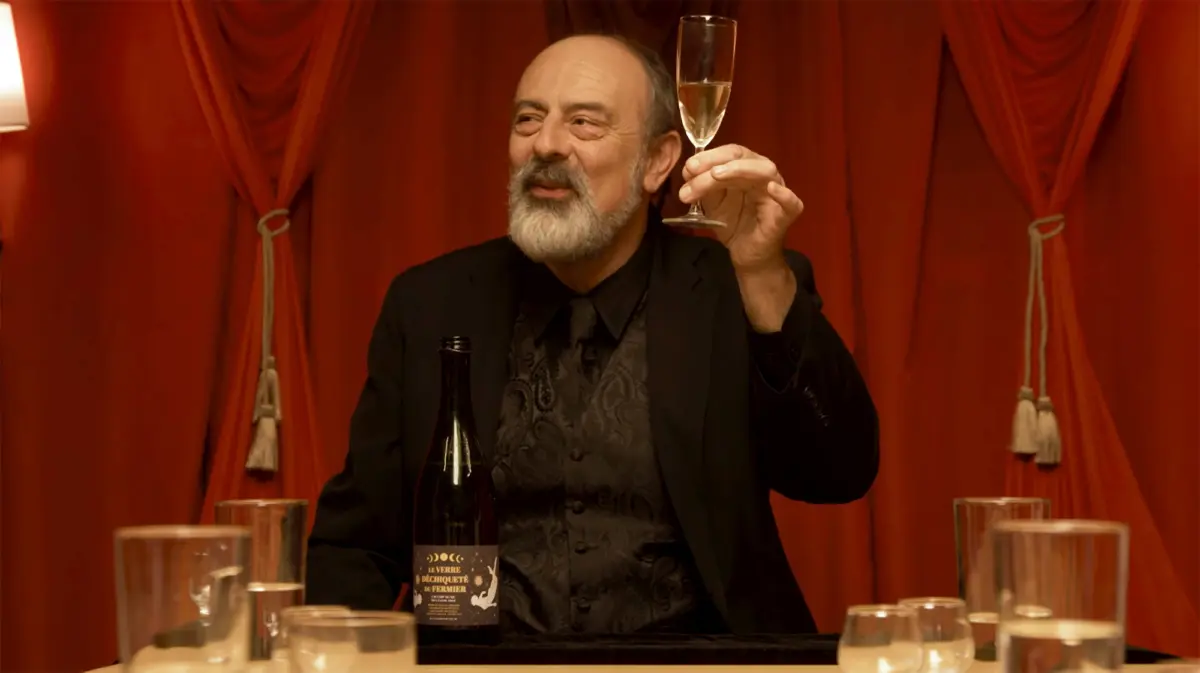
At its core, Spirit Tasting unfolds within the claustrophobic and atmospheric confines of the fictional Red Bat Distillery on New Year’s Eve. The narrative follows three estranged former punk bandmates who reunite under somber circumstances to pay tribute to their late friend. Their solemn remembrance takes a bizarre and perilous turn when they are introduced to a mysterious sommelier, portrayed by Matt Lake, who invites them to participate in an exclusive top-shelf tasting experience.
The premise hinges on a macabre caveat: every bottle opened during the session requires a formal wish from those partaking in the pour. Initially treated as a morbid joke or a way to reckon with past regrets and future aspirations, the wishes quickly warp into grotesque nightmares. As the boundaries between desire and consequence dissolve, the characters realize that every glass poured at the Red Bat Distillery exacts a heavy and deeply personal toll.

The film’s ensemble cast features performances from Sean Doherty, Matt Lake, Melissa LaMartina, Trevor Wilhelms, Matt Baughman, Cate Paris, and Tatiana Nya Ford. The screenplay was co-written by Chris LaMartina and Michael Varrati, with production duties shared by Ted Geoghegan, Chris LaMartina, Melissa LaMartina, and Michael Varrati.
Production Background and Micro-Budget Ingenuity
The production of Spirit Tasting stands as a testament to the viability of micro-budget filmmaking in the modern cinematic ecosystem, drawing explicit inspiration from the legendary, fast-paced methodologies of B-movie maverick Roger Corman. Operating under strict logistical and financial constraints, the production team completed principal photography for the feature film in a remarkably brief window of just four days, utilizing an estimated total budget of $40,000.
In an era where independent horror often struggles to balance high production values with financial sustainability, LaMartina’s project demonstrates how creative framing, tight locations, and practical effects can maximize limited resources. The choice to anchor the film largely within a single, stylized location—the distillery—allowed the crew to focus intensely on lighting, sound design, and character dynamics without the inflated costs associated with extensive set shifting or location scouting.
This lean approach is characteristic of Chris LaMartina’s broader filmography. Over a career spanning more than a decade, the director has built a dedicated cult following through resourceful, genre-bending projects such as President’s Day, Witch’s Brew, Call Girl of Cthulhu, Grave Mistakes, Book of Lore, and Out There Halloween Mega Tape. By maintaining creative control and keeping overhead low, LaMartina and his collaborators have cultivated a sustainable model for regional genre filmmaking that bypasses the traditional studio gatekeeping system.
Chronology and Release Timeline
The release strategy for Spirit Tasting embraces a theatrical roadshow model designed to build organic momentum through live audience engagement. The timeline for the film’s deployment includes:

- November 12, 2026: Terror Vision officially drops the worldwide trailer and key art poster, generating immediate buzz across genre-focused media outlets.
- Opening Night: The film holds its world premiere screening in Baltimore, Maryland, at the historic Senator Theatre, establishing a local touchstone for the production team and regional supporters.
- November 20, 2026: The nationwide roadshow officially kicks off, with Terror Vision and Massive Failure deploying the film into select US independent cinemas and repertory houses.
- Late 2026: The roadshow continues to travel across various markets throughout the remainder of the calendar year, utilizing Q&A sessions with the filmmakers and cast to drive ticket sales and community building.
This scheduled progression allows the distributors to treat each screening as an event rather than a passive viewing experience, fostering a sense of community among horror enthusiasts who value physical media and theatrical repertory culture.
Industry Perspectives and Creative Collaboration
The collaborative engine behind Spirit Tasting brings together several prominent figures from the contemporary independent horror community. Producer Ted Geoghegan, known for his work on critically acclaimed genre features like We Are Still Here and Mohawk, brings significant industry experience to the production team. His involvement underscores a growing trend of established indie producers championing ultra-low-budget regional horror that prioritizes bold artistic vision over commercial homogenization.
Co-writer Michael Varrati brings a deep knowledge of horror history and queer cinema to the script, helping to shape the emotional architecture of the narrative. By grounding the supernatural stakes of The Monkey’s Paw in the very real grief, nostalgia, and disillusionment experienced by aging subculture participants, Varrati and LaMartina infuse the monster-in-the-bottle trope with genuine thematic resonance.
The inclusion of post-punk iconography and sensibilities further distinguishes the film from standard supernatural thrillers. Rather than utilizing generic protagonists, the film explores the psychological residue of youth counterculture—examining what happens when the rebellious aspirations of early adulthood collide with the compromises and tragedies of middle age. The sommelier character acts not merely as a supernatural antagonist, but as a catalyst who forces the characters to confront the literal and figurative debts of their past choices.
Broader Impact and Implications for Indie Distribution
The release of Spirit Tasting arrives at a pivotal time for independent film distribution. As traditional theatrical windows shorten and streaming platforms saturate the market with algorithmic content, alternative distribution models—such as repertory roadshows and boutique physical media partnerships—have become increasingly vital for niche genres.

Terror Vision, known primarily for its dedication to rediscovering and preserving overlooked cult cinema, has expanded its mandate to include the curation and theatrical distribution of original independent features. By partnering with entities like Massive Failure to bring Spirit Tasting directly to audiences via a rolling roadshow, the company is bypassing the prohibitively high marketing costs associated with nationwide studio releases.
This localized distribution strategy offers several distinct advantages for micro-budget features:
- Higher Revenue Retention: Direct-to-theatre roadshows allow independent filmmakers and regional distributors to retain a larger percentage of ticket sales compared to traditional box office splits with major conglomerate chains.
- Targeted Audience Engagement: Screening in specific art-house venues and indie cinemas ensures that the film reaches audiences actively seeking out alternative genre cinema.
- Word-of-Mouth Amplification: Eventized screenings featuring cast and crew Q&As generate social media engagement and press coverage that standard streaming drops rarely achieve.
As Spirit Tasting embarks on its journey across American screens, its performance will likely be watched closely by other ultra-low-budget filmmakers seeking viable pathways to distribution outside the major streaming oligopoly. By proving that a $40,000, four-day shoot can command theatrical bookings and generate enthusiastic critical discourse, LaMartina and Terror Vision have reinforced the enduring vitality of independent horror filmmaking done on its own terms.