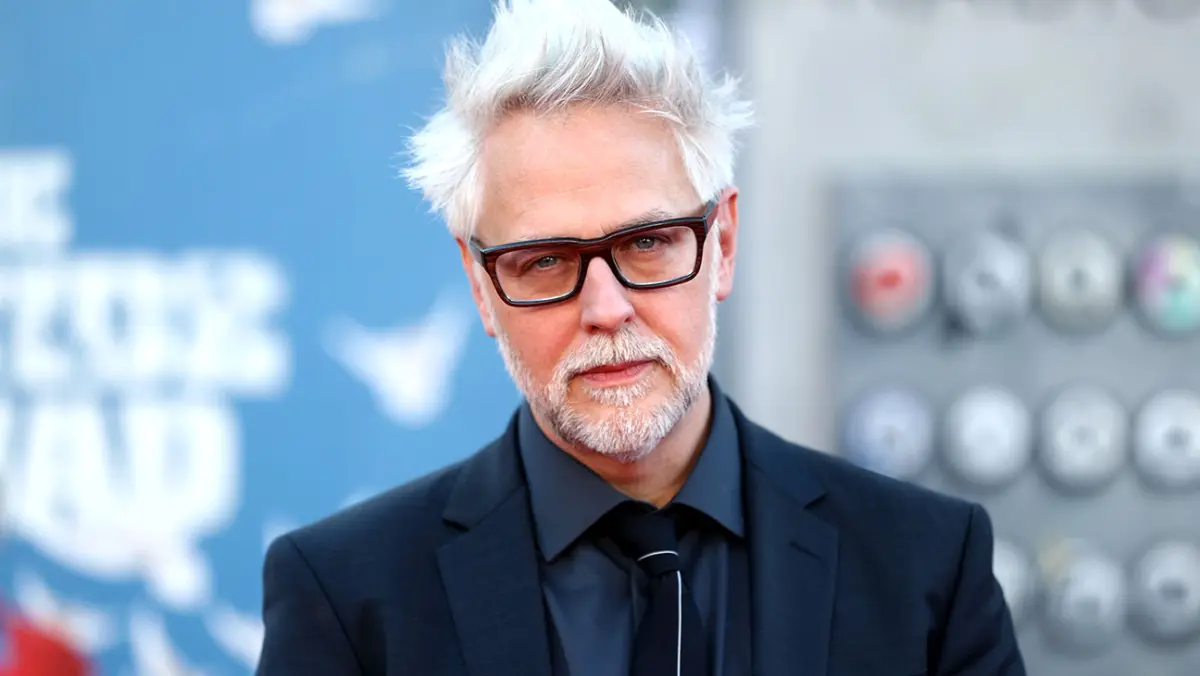
The landscape of DC Studios is currently undergoing a period of profound organizational flux, prompting DC Studios co-head James Gunn to issue a definitive rebuttal against circulating rumors concerning the upcoming feature film Man of Tomorrow. The discourse surrounding the project follows the high-profile announcement that Gunn and his partner Peter Safran are preparing to step down from their executive leadership positions at the studio. This transition has triggered widespread speculation among industry analysts and fan communities alike, particularly regarding the creative autonomy of films currently in the post-production pipeline.
Reports originating from various online outlets had suggested that Skydance, an entity frequently cited in the context of the studio’s ongoing restructuring, was already exerting influence over the creative direction of Man of Tomorrow. Specifically, these rumors posited that the studio was mandating the removal of key characters and demanding structural narrative alterations to align the film with a new corporate vision. Gunn, utilizing the social media platform Threads, moved quickly to characterize these claims as entirely devoid of factual merit, emphasizing the lack of external access to the film’s current cut.
"There are a lot of untrue rumors going around, but one of them is that Skydance has seen Man of Tomorrow and that all sorts of sweeping changes are being made," Gunn stated in his official response. "No one from Skydance has even seen the movie — the only people that have are Peter Safran and a very small trusted group of friends and family. So any stories around this narrative are false."
The Chronology of a Leadership Shift
The current tension within the DC ecosystem traces back to the abrupt announcement that Gunn and Safran would be vacating their roles at the helm of DC Studios. Appointed in late 2022 to oversee the revitalization of the DC brand, the duo was tasked with creating a cohesive cinematic and television universe—a mandate that resulted in the ambitious 2025 Superman project and the subsequent development of Man of Tomorrow.
The transition process is scheduled to culminate on December 1, when former Marvel executive Jeremy Latcham assumes the position of president and chief creative officer of DC Studios. The proximity of this leadership handover to the release date of several major projects has created an environment where industry observers are hyper-focused on the potential for "creative interference." Historically, when major studio leadership changes occur, films in post-production often face scrutiny regarding their tone, budget, and integration into a new broader strategy.
Production Status and Cast Dynamics
Man of Tomorrow, which serves as the direct sequel to the 2025 Superman film, represents a significant investment for the studio. The production boasts a high-profile ensemble cast, including David Corenswet reprising his role as Clark Kent/Superman, alongside Nicholas Hoult, Rachel Brosnahan, Lars Eidinger, Skyler Gisondo, Sara Sampaio, Isabela Merced, Nathan Fillion, Edi Gathegi, and Adria Arjona.
Principal photography for the project reached completion in August, marking the transition into a lengthy post-production phase that typically involves visual effects refinement, color grading, and final sound mixing. The film is currently slated for a theatrical release on July 9. The production timeline is notably concurrent with the post-production efforts for The People v. Gorilla Grodd, a television series for HBO Max that also features key members of the Superman production ensemble, including Skyler Gisondo.
Gisondo’s public remarks following the announcement of the leadership departure reflect a sentiment of uncertainty among the creative talent involved in the project. "It’s really sad to see them go. They really changed all of our lives. I’m just immensely grateful for the opportunity that they’ve given me," Gisondo noted in a recent interview with The Hollywood Reporter. When pressed on the long-term future of the projects he is involved in, he candidly admitted, "I think there’s a lot I still don’t know."
Contextualizing the Rumor Mill
The speed at which misinformation propagated regarding Man of Tomorrow serves as a case study for the current state of digital entertainment reporting. In an era of high-frequency news cycles, unverified "insider" reports regarding corporate restructuring and creative revisions often gain traction before they can be fact-checked against official statements.
The specific involvement of Skydance in these rumors appears to be based on an over-interpretation of the studio’s broader involvement in entertainment production and distribution. While corporate synergy is common in major media conglomerates, the claim that a third party would be reviewing, let alone editing, a project as significant as a DC flagship sequel before it has been finalized by its primary producers is, according to Gunn, logistically and contractually improbable at this stage of the film’s lifecycle.
Broader Implications for DC Studios
The departure of Gunn and Safran marks the end of a singular era for DC Studios. Under their tenure, the studio attempted to move away from the fragmented and often reactive development strategies of the past decade, opting instead for a "story-first" approach that prioritized long-term narrative connectivity. The development of a third Superman film, which was reportedly in the early stages of planning under Gunn’s supervision, highlights the extent to which the studio had committed to a multi-film vision.
The appointment of Jeremy Latcham as the new president and CCO suggests a pivot toward a different management style. Latcham’s background, particularly his extensive experience at Marvel, implies that the studio may be looking to refine its production methodology to be more efficient and potentially more collaborative across different media divisions. However, this shift inherently brings questions about continuity. Can a new administration maintain the momentum established by the previous leadership, or will the "DC Universe" undergo another radical recalibration?
For now, the studio’s primary focus remains the delivery of the existing slate. With Man of Tomorrow and The People v. Gorilla Grodd in the final stages of post-production, the primary objective is to maintain the creative integrity of these works while navigating the internal politics of a management transition. The success or failure of these films will undoubtedly be viewed as a litmus test for the studio’s ability to maintain a steady course during executive turnover.
Data and Financial Considerations
The financial stakes for DC Studios are substantial. The 2025 Superman film and its sequel, Man of Tomorrow, represent the bedrock of the studio’s current fiscal strategy. Large-scale superhero productions typically carry production budgets exceeding $200 million, not including significant global marketing and distribution expenditures. Any major creative revision at this stage—such as the reshoots or structural changes suggested by the rumors—would necessitate a massive influx of capital and potentially delay the release, which would have cascading effects on the studio’s quarterly earnings and promotional partnerships.
Furthermore, the integration of streaming projects like The People v. Gorilla Grodd into the theatrical slate signifies an attempt to leverage the brand across multiple platforms. This strategy requires precise coordination. If the theatrical films are subject to sudden shifts, the television components, which are often designed to build upon the events of the theatrical releases, would also require modification, creating a ripple effect of increased costs and operational complexity.
Conclusion: A Wait-and-See Approach
James Gunn’s intervention serves to stabilize the narrative surrounding Man of Tomorrow, at least temporarily. By explicitly stating that no external entities have viewed the film, he effectively discredits the notion that the movie is being dismantled or drastically altered. However, the anxiety felt by the cast and the broader fan base underscores a deeper issue: the vulnerability of creative works to the volatility of corporate governance.
As the industry looks toward December 1 and the formal commencement of Jeremy Latcham’s tenure, the focus will likely shift from the rumors of today to the strategic mandates of tomorrow. For the cast and crew of Man of Tomorrow, the mandate remains unchanged: deliver a high-quality product that honors the established narrative. For the fans, the reality is that until official trailers or press releases confirm otherwise, the version of the film currently in post-production is the one that will arrive in theaters this July. The transition at DC Studios may change the trajectory of future projects, but the current slate appears, for the moment, to be insulated from the immediate tremors of administrative change.