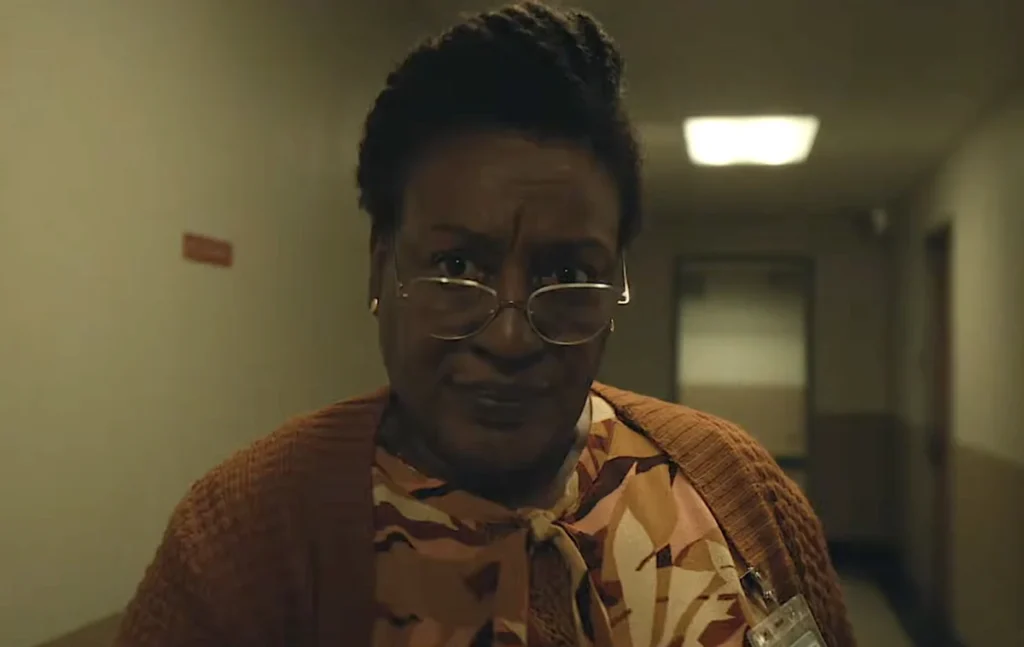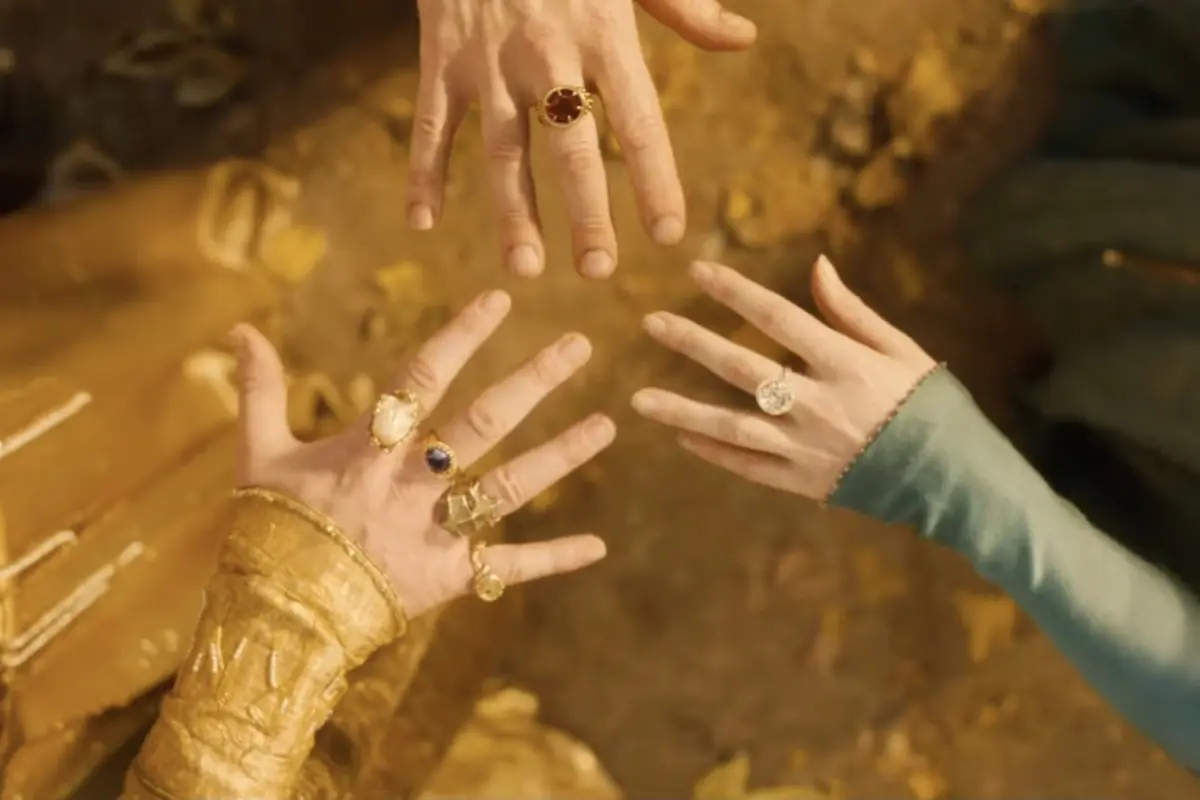
The premiere of The Lord of the Rings: The Rings of Power Season 3 delivered an unexpected narrative jolt to its audience, featuring the swift and definitive death of the fan-favorite Silvan elf Arondir. Played by Ismael Cruz Córdova since the inception of Amazon Prime Video’s high-fantasy epic, the character’s sudden departure has ignited widespread discussion across fandoms. While viewers expressed immediate dismay and surprise at the loss of a prominent hero so early in the third installment, Cruz Córdova revealed in a recent post-release interview that the character’s mortality was an anticipated reality he had prepared for from the very beginning of his tenure on the series.
Background and Non-Canon Narrative Pressures
To understand the trajectory of Arondir’s storyline, one must examine the foundational framework of The Rings of Power. Set during the Second Age of Middle-earth, the television adaptation is bound by the overarching historical milestones established by J.R.R. Tolkien in his extensive appendices and published legendarium. However, the production team, led by showrunners J.D. Payne and Patrick McKay, introduced several original characters to populate the expansive canvas of Middle-earth—figures who possess no direct textual counterpart in Tolkien’s canon.
Among these original creations, Arondir quickly emerged as a central pillar of the narrative, anchoring emotional stakes through his defense of the Southlands and his complex relationship with the human healer Bronwyn. Yet, because original characters exist outside the rigid chronological demands of canonical events—such as the fate of Elrond, Galadriel, or Sauron—they operate without the structural armor that shields historical figures from early elimination. Cruz Córdova noted that this dynamic placed him on perpetual notice regarding his character’s long-term survival.
"It’s the Rings of Power, it’s not Arondir’s show," Cruz Córdova explained during his discussion with industry outlets. Reflecting on the grand design of the series, the actor articulated an objective view of the production’s structural necessities. "There’s a direction the show needs to take in order to reach the things we already know. There are characters that need to reach the final episode of the series. It was always like—any of the characters that are not canon had the possibility [of dying]. I started this show knowing that."
Production Timeline and Discovery of the Fate
The reality of Arondir’s demise transitioned from a theoretical possibility to an immediate production reality just as the cast assembled to shoot the third season. According to Cruz Córdova, the initial indicator that his character’s arc was reaching its conclusion arrived quietly through scheduling adjustments. He noted that the first tangible sign of his impending exit came when production coordinators requested that he begin physical and logistical preparations for the upcoming block of episodes well ahead of his fellow cast members.
Despite the abrupt shift in his character’s narrative trajectory, the actor harbor no resentment toward the creative team. Instead, he expressed profound gratitude for the manner in which his departure was scripted. Rather than being sidelined or written out through ambiguous means, Arondir was granted a high-stakes, emotionally resonant send-off designed to leave an indelible mark on the audience and pivot the broader narrative toward the conflicts of the later seasons.
"The way I saw it when I reversed engineered it—everything that needs to happen in the next two and a half seasons and all of these storylines they have to wrap up, there is a danger that a character that isn’t canon won’t have the chance to have such a nice moment," the actor elaborated. "Because you have these characters that take priority in terms of the canon… I said, ‘Well, this is the last bit you can devote this much time to Arondir,’ and I was like… thanks."
Comparative Analysis: The Red Wedding of Middle-earth
In structuring the narrative mechanics of Season 3, the creative team aimed to establish a sense of high-stakes unpredictability—a creative choice that Cruz Córdova openly endorsed. As high-fantasy television continues to evolve, audiences have grown accustomed to the paradigm shifts popularized by prestige television milestones like HBO’s Game of Thrones. Cruz Córdova explicitly invoked one of the most infamous television events of the past decade to contextualize the narrative objective behind Arondir’s death.
"I just know in terms of what they needed for the show and what they wanted to achieve in terms of a jolt that comes with seeing something like The Red Wedding," Cruz Córdova stated, referencing the brutal massacre from George R.R. Martin’s adapted universe. "This is your Red Wedding. I love that episode. I’m all about that kind of surprise for the show and for the audience."
This deliberate parallel highlights a strategic pivot for The Rings of Power as it enters its third season. Following a two-season establishment phase characterized by massive world-building, geographic expansion, and the gradual consolidation of villainous forces under Sauron, the narrative is transitioning into a phase of active attrition. By eliminating a primary protagonist early in the season, the production signals to the viewership that no character remains safe from the escalating friction of the impending war.
Broader Implications for the Series and Audience Reception
The removal of a foundational original character carries substantial weight for the ongoing architecture of The Rings of Power. Arondir had served as a primary bridge between the immortal Elven perspective and the fragile, turbulent existence of mortal Men in the Southlands (subsequently transformed into Mordor). His interactions with characters such as Isildur, Theo, and the leadership of Lindon provided critical thematic contrast regarding duty, prejudice, and survival.
With Arondir’s arc concluded, the narrative responsibilities he once bore must now be absorbed by the remaining ensemble. This reallocation of screen time aligns with the showrunners’ stated intentions of streamlining various subplots as the overarching timeline accelerates toward the forging of the final rings and the ultimate confrontation with the Dark Lord. Analytical observers of the series note that such narrative consolidation is often necessary in multi-season fantasy arcs to prevent plot stagnation and to elevate the urgency of the central conflict.
Furthermore, fan community reactions have reflected a mixture of grief and appreciation. Social media and dedicated Tolkien discussion forums have dissected the choreography and emotional weight of Arondir’s final sequence, cementing the character’s legacy within the broader tapestry of screen adaptations of Middle-earth. Cruz Córdova himself expressed confidence that the character’s contributions will resonate with viewers long after his departure, even lightly joking about hypothetical, alternate-universe spin-offs—such as placing the displaced elf into the bustling environment of modern-day New York City—before confirming that Arondir’s journey has reached its definitive end.
As The Rings of Power continues its multi-season rollout on Amazon Prime Video, the absence of Arondir will undoubtedly alter the tactical and emotional landscape of the resistance against Sauron. The boldness of the creative decision underscores a commitment to raising dramatic stakes, ensuring that the journey toward the conclusion of the Second Age remains fraught with authentic peril for all who walk the soil of Middle-earth.