The Mechanics of the Integration
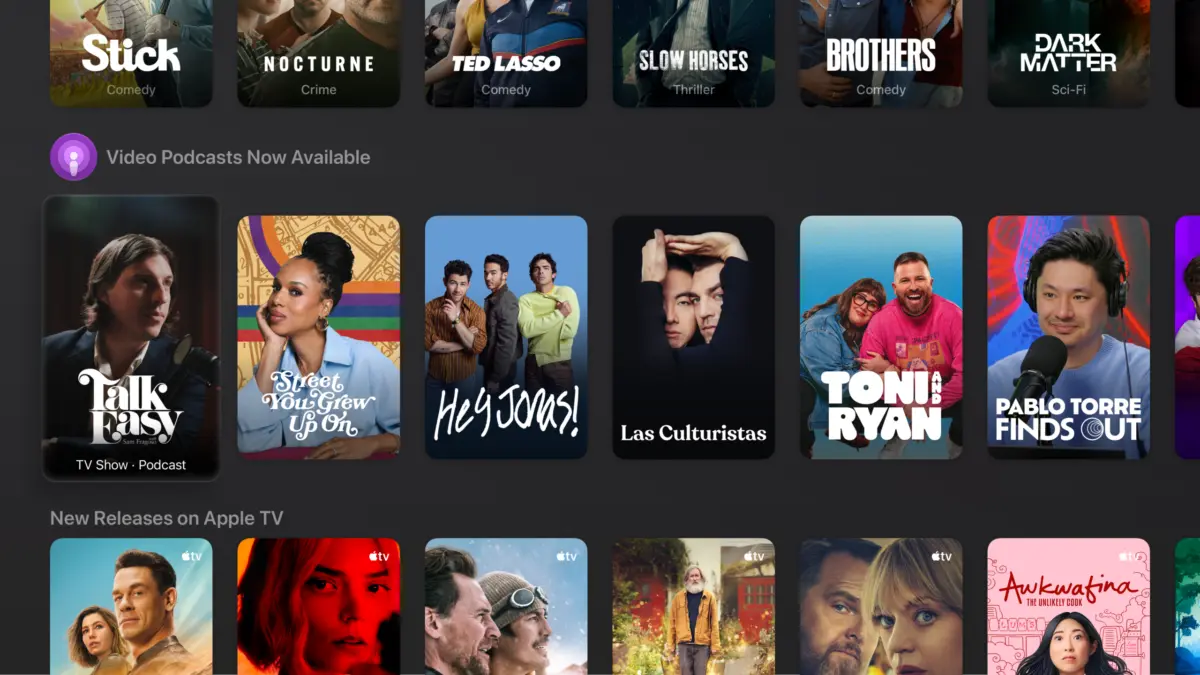
The new functionality allows video podcasts currently hosted on Apple Podcasts to be accessed directly through the Apple TV app. This development does not require a separate subscription, making the content readily available to anyone with an Apple ID and a device compatible with the Apple TV app, including Apple TV 4K, Apple TV HD, smart TVs, and gaming consoles.
Perhaps the most significant technical feature of this rollout is the synchronized playback state. Because the Apple TV app and the Apple Podcasts app are now linked via the user’s iCloud account, a viewer can begin watching a podcast episode on their commute via an iPhone or iPad and resume the exact same moment on their living room television. This “pick up where you left off” capability is a hallmark of Apple’s ecosystem, designed to remove friction from the user experience and encourage longer viewing sessions.
A Rapidly Expanding Catalog
The integration comes at a time of explosive growth for video-based podcasting. Apple reports that within the last three months alone, the number of creators publishing video components to their podcasts has doubled. Even more striking is the surge in available content; the platform’s video episode catalog has tripled in size during that same period.
Internal metrics provided by the company indicate that this transition toward a visual medium is yielding tangible results for content creators. Podcasts that incorporate video elements have observed a 20 percent increase in viewership on average. This data suggests that audiences are increasingly viewing podcasts as a multi-modal medium rather than a strictly audio-only experience, a trend that Apple is now aggressively capitalizing on to retain its dominance in the creator economy.
Chronology and Evolution of Apple’s Podcast Strategy
To understand the weight of this move, one must look at the historical trajectory of Apple’s podcast division. Apple effectively pioneered the modern podcasting era when it introduced support for the format in iTunes in 2005. For over a decade, the experience remained largely static, focusing on RSS-driven audio downloads.
- 2012: Apple releases the dedicated Podcasts app, signaling a move toward a more mobile-first experience.
- 2021: The company introduces Apple Podcasts Subscriptions, allowing creators to monetize their shows through paywalls and exclusive content, marking a shift toward a more professionalized creator ecosystem.
- 2023–2024: Apple begins to lean heavily into video support, recognizing the shift in consumer behavior driven by platforms like YouTube.
- 2026 (Present): The integration of video podcasts into the Apple TV app represents the final stage of this transition, moving podcasts from a niche audio category into the broader mainstream video-on-demand landscape.
By embedding these podcasts into the Apple TV app, the company is effectively legitimizing the podcast format as a form of premium programming. Where podcasts were once categorized as "alternative media," they are now being placed alongside high-budget Apple TV+ original series, films, and live sports coverage.
Implications for the Competitive Landscape
The decision to leverage the Apple TV app is a clear response to the evolving competitive landscape of digital media. For years, YouTube has served as the de facto home for video podcasts, with creators utilizing the platform’s massive discovery engine to build audiences. By creating a native, friction-free experience on television sets, Apple is attempting to claw back a segment of the audience that might otherwise migrate to YouTube for their long-form video consumption.
Furthermore, this move places Apple in direct competition with major streaming services. While platforms like Netflix and Disney+ have largely focused on scripted television and feature films, they have also begun to experiment with lifestyle and documentary-style podcast content. Apple’s advantage, however, lies in the sheer volume of its existing podcast library. By lowering the barrier to entry for viewing this content on a large screen, Apple is essentially turning its TV app into a "super-aggregator" that rivals the breadth of traditional cable and streaming competitors.
The Creator Perspective: Reach and Monetization
For the creators, this integration is a transformative development. Historically, podcasts were consumed primarily through mobile devices during multitasking activities like driving or exercising. By making these shows available on the Apple TV app, creators now have a direct line to the living room—the most valuable "real estate" in the digital media market.
TV sets offer a different viewing experience than mobile devices, typically characterized by higher engagement and longer attention spans. For independent creators and established media brands alike, the ability to appear in the same interface as major film and television productions provides a significant boost in legitimacy and discoverability. Furthermore, the synchronization features ensure that creators can maintain a consistent connection with their audience, regardless of where or how that audience chooses to consume their work.
Analysis: Why Now?
Industry analysts point to several factors driving this timing. First, the saturation of the audio podcast market has forced creators to differentiate themselves through high-quality video production. Second, the hardware cycle of the Apple TV device requires a constant infusion of new, engaging content to remain competitive against cheaper streaming sticks and integrated smart TV interfaces.
By utilizing existing podcasts to bolster the Apple TV app, the company is maximizing the utility of its existing assets without the significant cost of producing new, original high-budget series. It is a highly efficient way to increase the "Time Spent" metric within the Apple TV app, which is a key performance indicator for the company’s services division.
Challenges and Future Considerations
While the move is broadly viewed as a positive development for both users and creators, challenges remain. Content discovery within the Apple TV app is dominated by high-production-value algorithmic recommendations. Integrating thousands of individual podcast episodes into this environment requires sophisticated curation to ensure that users are not overwhelmed by the sheer volume of content.
Additionally, the transition to video places higher demands on creators. Producing high-quality video content is significantly more expensive and time-consuming than audio production. As Apple continues to push for this integration, it may eventually need to provide more robust tools for creators to manage their video assets, or perhaps offer monetization incentives that specifically target those who invest in high-production-value video episodes.
Conclusion
The arrival of video podcasts on the Apple TV app represents more than just a software update; it is a fundamental shift in how Apple treats its media ecosystem. By erasing the lines between audio-first podcasting and video-first streaming, the company is betting that users want a unified experience where content is accessible on any screen, at any time.
As the creator economy continues to mature, this move positions Apple as a formidable player in the video space. By leveraging its existing strength in podcasts to bolster its television interface, Apple is creating a unique value proposition that is difficult for competitors to replicate. For the end-user, the result is a more cohesive, flexible, and immersive way to engage with the creators they follow. As the catalog continues to grow, it is likely that the Apple TV app will become an increasingly vital hub for all forms of digital video, from short-form episodes to long-form episodic series, further cementing Apple’s role as the central gateway for modern digital entertainment.