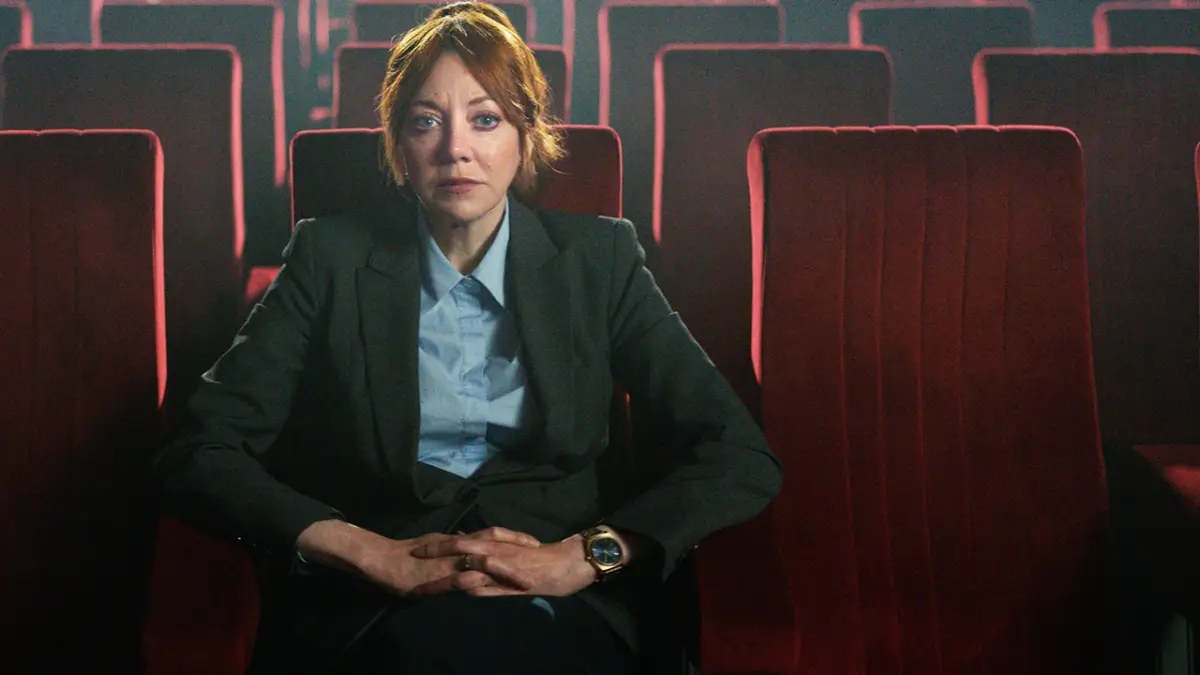
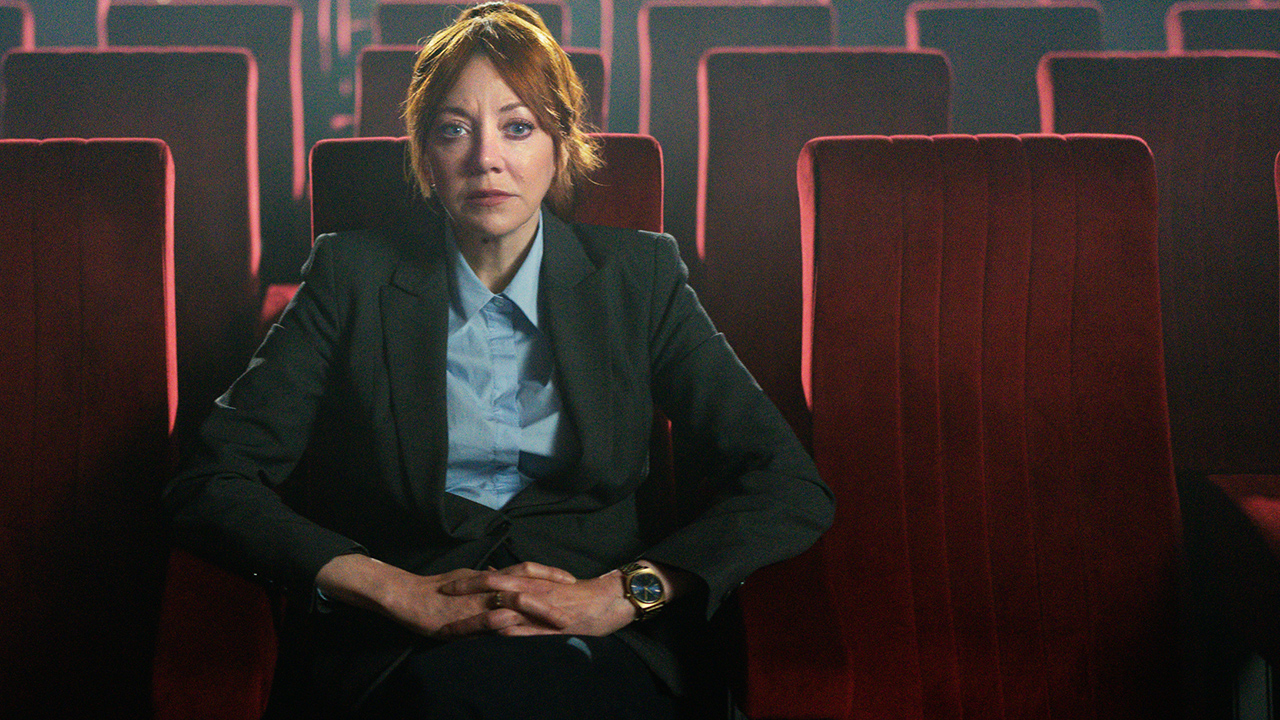
The global release of the mockumentary series Cunk on Cinema on Netflix has brought to light a curious divergence in broadcast editing standards between traditional public service television and international streaming platforms. Starring Diane Morgan as the inimitable, chronically perplexed historical documentarian Philomena Cunk, the critically acclaimed comedy special premiered in the United Kingdom via BBC Two and BBC iPlayer in mid-November before rolling out to international audiences on Netflix. However, meticulous viewers quickly discovered that the streaming version is far from a direct transatlantic port. Instead, Netflix viewers are treated to an entirely restructured edit that features reorganized episode structures, shortened dialogue sequences, altered musical cues, and the complete excision of specific locally tailored comedic sketches.
This unexpected editorial split has ignited lively discussions across online fan communities, highlighting the nuanced, often invisible adjustments major streaming services make when acquiring content originally produced for domestic linear broadcast. While the core comedic premise—Philomena Cunk interrogating baffled cultural and historical experts with absurd philosophical inquiries—remains fully intact, the structural discrepancies between the two versions raise broader questions about international localization, rights management, and the pacing requirements of modern on-demand viewing habits.
Chronology of the Release and Discovery
The rollout of Cunk on Cinema followed a staggered release schedule across domestic and international markets, creating a temporary window for dual-platform observation.
November 12, 2025: The series debuted in the United Kingdom on BBC Two and BBC iPlayer, airing as three distinct, half-hour episodes designed to fit traditional linear television scheduling blocks and public broadcasting formats.
November 15, 2025: Netflix released the series globally across all territories outside of the United Kingdom and the Republic of Ireland. Rather than maintaining the three-episode structure, the streaming platform packaged the content into six shorter installments, complete with individual, pun-heavy episode titles and separate credit sequences.
November 16, 2025: Dedicated fans utilizing side-by-side playback tools identified the discrepancies. Detailed comparative analyses began circulating on social media platforms, notably via a viral thread on X (formerly Twitter) by user @OctoSquigglez, which was subsequently expanded upon within dedicated enthusiast communities on Reddit. These analyses cataloged exact timing differences, missing sketches, and newly inserted introductory segments unique to the Netflix platform.
November 19 to November 26, 2025: The remaining episodes continued their scheduled weekly linear broadcast rollouts on BBC Two, while international audiences consumed the entire six-part package simultaneously on Netflix.
Structural and Quantitative Differences Between the Edits
A quantitative breakdown of the two releases reveals how fundamental the structural reorganization is. The original BBC commission consists of three episodes, each running approximately 29 minutes, resulting in a cumulative runtime of roughly 87 minutes. In contrast, the Netflix presentation divides these three blocks into six separate episodes ranging between 13 and 15 minutes each. When aggregated, the Netflix cut runs for approximately 84 minutes.
Given that the Netflix version must accommodate six distinct sets of opening titles, recap sequences, and end credits—compared to only three sets in the BBC broadcast—the actual body content of the show has undergone a net reduction. This compression required editors to trim numerous sequences to fit the designated runtime quotas favored by streaming algorithms, which often prioritize shorter, easily digestible video chunks to maintain viewer retention.
Below is the comparative structural mapping of the two releases:
BBC iPlayer / BBC Two Cut:
- Episode 1: 29 minutes
- Episode 2: 29 minutes
- Episode 3: 29 minutes
Total Cumulative Runtime: ~87 minutes
Netflix International Cut:
- Episode 1: The Opening Shot (13 minutes)
- Episode 2: The Sweet Sound of Success (15 minutes)
- Episode 3: A/Several Star(s) Is/Are Born (13 minutes)
- Episode 4: Sex and Violence and Sharks (14 minutes)
- Episode 5: Star Harder (14 minutes)
- Episode 6: Hollypocalypse Now (15 minutes)
Total Cumulative Runtime: ~84 minutes
Content Omissions and Exclusive Additions
Beyond the division of episodes, the most substantive divergence involves the removal of specific comedic material. The most prominent casualty of the Netflix edit is a sketch dedicated to British film censorship. In the BBC broadcast of Episode 2, the narrative explores the history of film regulation, prominently featuring a satirical segment built around the British Board of Film Classification (BBFC). In the Netflix version—where this section falls into Episode 4—the entire BBFC sketch has been removed, necessitating a subtle narrative bridge to transition smoothly into the 1970s cinema retrospective.
Furthermore, the Netflix version implements numerous minor trims across almost every episode. Notable cuts include:
- A roughly one-minute introductory segment featuring actor Benedict Cumberbatch in the opening episode.
- Significant compression of historical background segments, such as Eadweard Muybridge’s pioneering experiments with moving pictures, which was reduced from roughly a full minute down to 15 seconds.
- Truncated voiceover passages regarding classic cinematic milestones, including Sergei Eisenstein’s Battleship Potemkin (specifically the Odessa Steps sequence), Vittorio De Sica’s Bicycle Thieves, Jean-Luc Godard’s Breathless, and the evolution of computer-generated imagery (CGI). These trims typically range from 5 to 45 seconds per segment.
- Adjusted timing and partial trimming of archival clip sequences analyzing films such as Gold Diggers of 1933, Alfred Hitchcock’s Psycho, and George Lucas’s Star Wars.
Conversely, the Netflix edit is not entirely devoid of exclusive content. Netflix’s premiere episode opens with a brief comedic bit referencing Project Hail Mary, the science-fiction film starring Ryan Gosling. This sequence, running slightly under a minute, does not appear in the BBC broadcast. Consequently, while individual historical segments were shortened, the inclusion of this contemporary cultural reference slightly extends the runtime of the streaming service’s opening episode.
Background Context and Industry Implications
The existence of dual cuts for internationally exported television content is a common, if rarely publicized, practice within the global media distribution landscape. Programmers frequently tailor content to suit the regulatory frameworks, cultural contexts, and technical delivery mechanisms of different regions.
In the case of Cunk on Cinema, several operational and creative factors likely influenced the decision to produce a distinct Netflix edit. First, streaming platforms operate under different viewer engagement metrics compared to traditional broadcasters. Shorter episode formats are frequently deployed on platforms like Netflix to encourage continuous "binge-watching," lowering the perceived barrier to entry for casual viewers.
Second, the excision of the BBFC sketch points strongly toward cultural localization. The British Board of Film Classification is an institution deeply embedded in the UK cultural consciousness; international audiences outside of Britain may lack the contextual familiarity required to appreciate the satirical nuances of the bureaucratic institution. Replacing or omitting region-specific humor is a standard localization strategy designed to ensure that comedy translates effectively across diverse global demographics.
Finally, differences in music licensing and archival footage rights often necessitate alternate edits for international streaming. The rights to specific cinematic clips, musical compositions, and archival photographs are frequently negotiated on a territory-by-territory basis. When a production company secures distribution rights for a global platform like Netflix, the licensing agreements may restrict the use of certain copyrighted materials outside of the originating domestic market, forcing editors to substitute or trim affected scenes.
Industry Response and Viewer Reception
As of publication, neither Netflix, the British Broadcasting Corporation (BBC), nor the primary production banner, Pacesetter Productions, have issued official public statements detailing the specific rationale behind the creation of two distinct editorial cuts. Requests for comment sent to the respective corporate communications departments have not yet yielded clarification.
Despite the absence of corporate commentary, media analysts and television critics have noted that such discrepancies underscore the evolving complexities of modern content distribution. In an era where intellectual property routinely crosses linear and digital boundaries simultaneously, the traditional notion of a single, definitive "director’s cut" is increasingly yielding to flexible, platform-specific versions tailored to maximize commercial and engagement potential.
For dedicated fans of Diane Morgan’s character—who has previously skewered historical epochs, scientific discoveries, and general human knowledge in critically lauded predecessors such as Cunk on Earth and Cunk on Britain—the discovery of the alternative edit has added an unexpected layer of engagement. While the Netflix version remains an accessible and widely praised comedy special, international completists now recognize that a slightly longer, more culturally localized version exists exclusively for domestic British viewers, highlighting a persistent divide in how content is experienced across international borders.