The creative team behind the sleeper hit Wicker is currently reveling in a rare confluence of critical success and digital notoriety, as the romantic fantasy continues to outperform box office projections while simultaneously dominating internet discourse. During a high-profile screening at the Camerimage Film Festival in Toruń, Poland, this past Thursday, the film’s cinematographer, Lol Crawley, addressed a packed audience to discuss the project’s unlikely journey from a niche Sundance premiere to a mainstream cultural touchstone defined largely by its provocative, meme-heavy marketing.
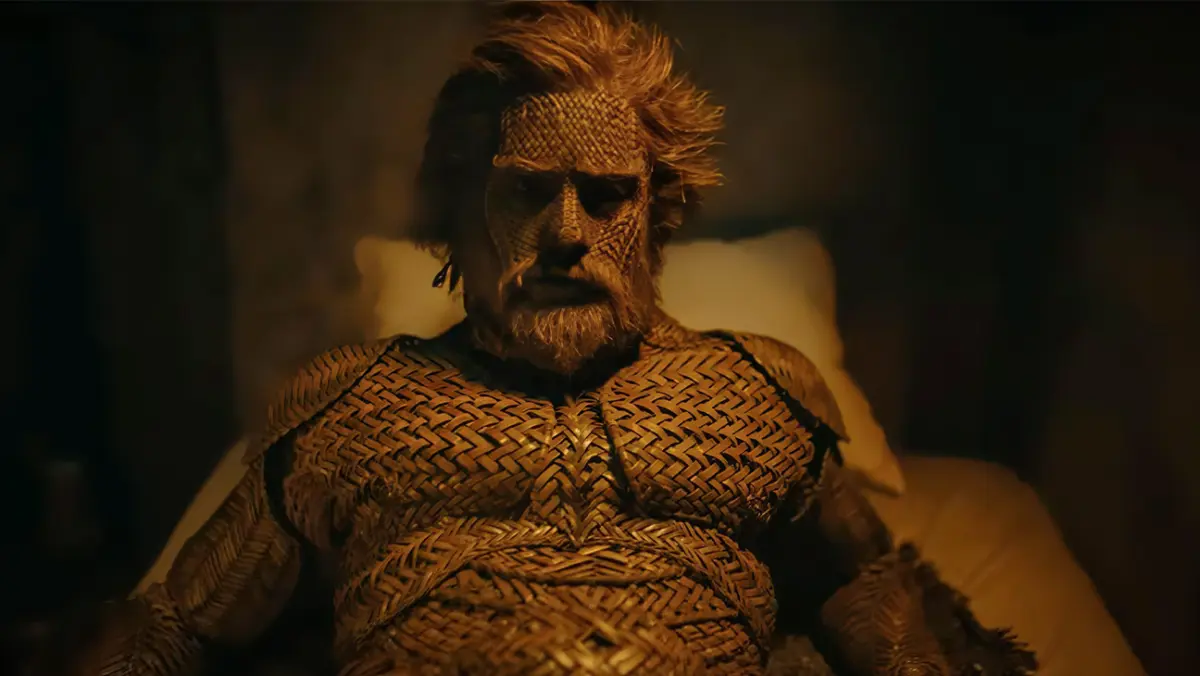
Directed by Eleanor Wilson and Alex Huston Fischer, Wicker stars Academy Award winner Olivia Colman as a woman struggling with profound isolation who decides to commission a custom-made husband, crafted from wicker, by a local artisan played by Peter Dinklage. The resulting creation—a sentient, woven man portrayed by Alexander Skarsgård—has sparked a surprising level of online fervor, leading to everything from fan-made merchandise to widespread viral commentary regarding the character’s unique aesthetic.
A Timeline of an Unlikely Viral Hit
The trajectory of Wicker has been anything but conventional. The film first gained industry attention during its premiere at the Sundance Film Festival in January of this year. At the time, early reviews highlighted the film’s whimsical yet melancholic premise, praising the chemistry between the lead performers and the directors’ ability to balance high-concept fantasy with grounded emotional stakes.
Following its festival debut, the film entered a period of anticipation as audiences awaited a wide theatrical release. The turning point arrived with the debut of the official trailer, which showcased the film’s peculiar visual style and the striking appearance of Skarsgård’s wicker-based character. The internet’s reaction was immediate and intense. Within weeks of the trailer’s release, social media platforms—particularly X (formerly Twitter) and TikTok—became saturated with memes, fan art, and analytical threads debating the nature of the film’s central romantic relationship.
By the time Black Bear released the film theatrically on October 23, the organic marketing generated by the audience had already created a significant groundswell of interest. This momentum translated directly into ticket sales, defying the traditional struggles often faced by mid-budget, high-concept original films in the current theatrical landscape.
Box Office Performance and Financial Implications
The financial performance of Wicker serves as a compelling case study in modern film distribution. As of the latest industry data, the film has grossed $23.7 million domestically and an additional $13.4 million in international markets. These figures are particularly impressive given the film’s tonal departure from traditional blockbuster fare.
Industry analysts suggest that the "sleeper hit" status of Wicker is a direct byproduct of its meme-ability. In an era where traditional marketing budgets are often dwarfed by the sheer volume of content vying for consumer attention, Wicker managed to cut through the noise by offering a visual hook that was inherently shareable. The "wicker nipples" and the life-sized cardboard cutouts of Skarsgård have become shorthand for the film’s brand, fostering a sense of community among viewers who feel they are participating in a shared cultural moment.
For the studio, this performance validates the strategy of leaning into the audience’s digital engagement rather than attempting to suppress or ignore it. By allowing the "horny memes" and humorous discourse to proliferate, the production team effectively turned the film’s most surreal elements into its greatest promotional assets.

The Cinematographic Vision at Camerimage
Camerimage, a festival dedicated specifically to the art of cinematography, provided a unique venue for the film’s team to discuss the technical execution of such a bizarre premise. Lol Crawley, whose previous work includes the critically acclaimed The Brutalist—for which he won a Golden Frog at the 2024 edition of the festival and an Academy Award—noted that Wicker presented a significant creative shift in his career.
"It’s a fantastic dark fable," Crawley remarked during his address to the Polish audience. "It is quite different material for me, but it was a very, very enjoyable experience."
Crawley’s involvement brings a level of prestige to the project, grounding the whimsical story in high-quality visual craft. His ability to render the absurdity of a wicker man with the same technical precision applied to prestige dramas has been cited by critics as a key factor in why the film avoids feeling like a mere gimmick. In his review for The Hollywood Reporter, critic Richard Lawson emphasized this balance, noting the film’s "winning mix of irreverence and compassion," which prevents the story from descending into pure parody.
Cultural Impact and Future Outlook
The success of Wicker raises interesting questions regarding the future of genre-bending films in theaters. As the industry continues to recover from recent years of volatility, the appetite for original, auteur-driven stories remains high, provided they can connect with modern digital audiences.
The film’s impact extends beyond the balance sheet. It has sparked a broader conversation about the role of the "internet-friendly" aesthetic in film production. When a movie generates its own viral identity before it even reaches the general public, it changes the relationship between the filmmaker and the viewer. The film is no longer a static piece of art to be consumed, but an interactive text that audiences are eager to remix, discuss, and disseminate.
For the filmmakers, this has been an overwhelmingly positive experience. During the Q&A portion of the screening in Toruń, Crawley expressed his genuine amusement at the international reach of the film’s viral reputation. After a translator conveyed the nuances of the audience’s reception into Polish, Crawley jokingly remarked on the linguistic hurdles of his new fame: "Now I know what ‘wicker nipples’ is in Polish, which is a takeaway for me."
Broader Implications for the Industry
The longevity of Wicker will be measured by its post-theatrical life, but the current data suggests it has secured a place in the cultural zeitgeist for the remainder of the year. The film’s ability to sustain its momentum suggests that audiences are increasingly seeking out stories that defy easy categorization.
Furthermore, the involvement of actors like Olivia Colman and Peter Dinklage lends the project a level of legitimacy that appeals to both arthouse audiences and the general public. By casting performers known for their dramatic gravitas in a high-concept, slightly absurd premise, the directors have ensured that the film remains emotionally resonant even as it leans into its viral marketing.
As the theatrical run continues, industry observers will be watching to see if Wicker can maintain its pace in international markets. The film has already proven that in the current media ecosystem, the barrier between high art and internet meme culture is thinner than ever—and that for the right project, that space is where the most significant box office rewards are found. The team behind Wicker, from the cinematographers to the performers, appears to have embraced this reality, viewing the digital frenzy not as a detraction from their work, but as a vital, organic extension of the film’s intended audience experience.