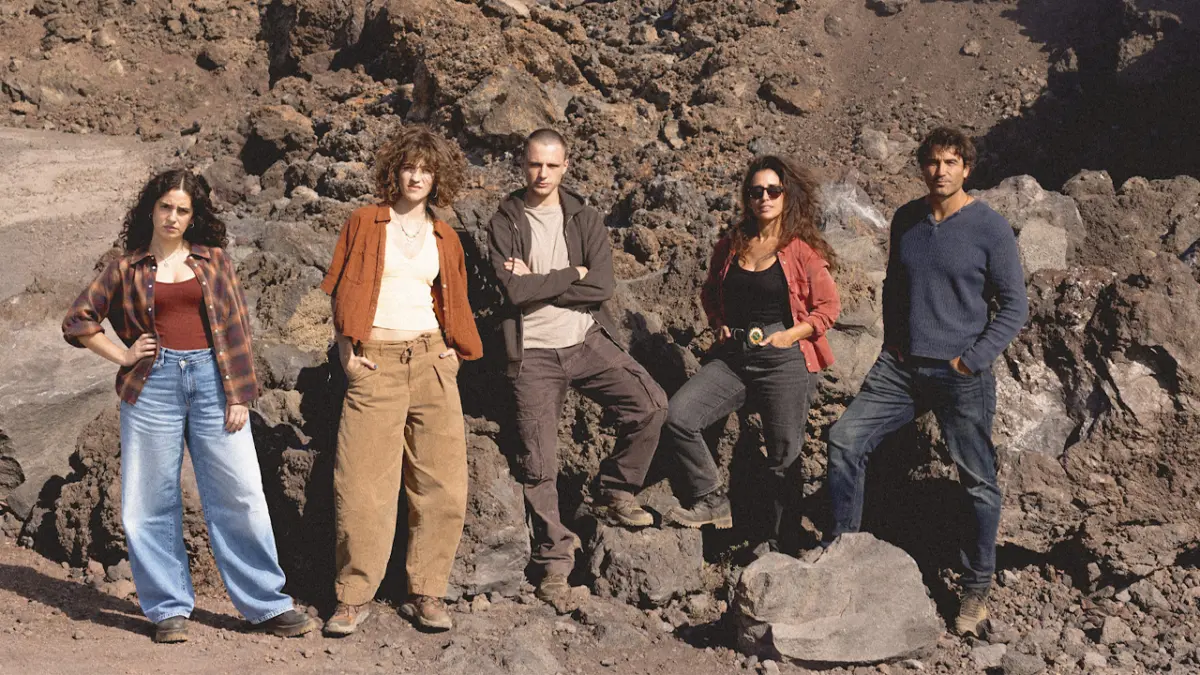
Building on a high-performing year of streaming content in 2025, Netflix has accelerated its development and production pipeline for the Spanish market, securing a diverse portfolio of original series, true-crime dramatizations, and feature-length adaptations slated for global release across 2026 and 2027. Spain continues to function as a cornerstone for Netflix’s continental European strategy. This dominance is anchored by the state-of-the-art Tres Cantos production hub near Madrid, a facility featuring advanced soundstages and post-production suites that streamline the creation of high-end international content.
The sustained investment aligns with strategic financial commitments outlined by Netflix executive leadership, including a landmark pledge by Co-CEO Ted Sarandos to invest €1 billion in Spanish original productions over a four-year period. This capital injection seeks to capitalize on the enduring international appeal of Spanish-language storytelling. Franchises such as Money Heist remain foundational to the platform’s non-English viewership records, while spin-off properties like Berlin continue to generate robust opening-week metrics. The forthcoming 2026-2027 slate reflects a deliberate dual-track programming model: long-running episodic comedies and dramas paired with high-concept, high-stakes event miniseries designed to capture global audiences through ripped-from-the-headlines narratives and literary adaptations.
Returning Hits and Final Seasons: The Core Lineup
The schedule features high-profile renewals that balance established audience favorites with definitive conclusions. Among the comedic offerings, Old Dog, New Tricks returns for its second season on January 1, positioning the quirky vet-practice comedy as a tentpole release for the New Year. Created by Víctor García León, the series stars Luis Zahera and Lucía Caraballo as they navigate the unexpected commercial success of their rural veterinary practice amidst rapid gentrification and suspicious local developments.
In the dramatic sector, several flagship series are approaching their final chapters. Gangs of Galicia heads into its third and final season, with Vaca Films producing the concluding arc for characters Ana (Clara Lago) and Daniel (Tamar Novas). Showrunner Jorge Guerricaechevarria and directors Ángeles Huerta and Javier Rodríguez are overseeing the final episodes, which focus on Daniel’s desperate search for Ana and their daughter within the witness protection program, alongside an escalating threat from an Albanian crime syndicate. Production in A Coruña and surrounding Galician locales runs through October, targeting a first-half 2027 release.
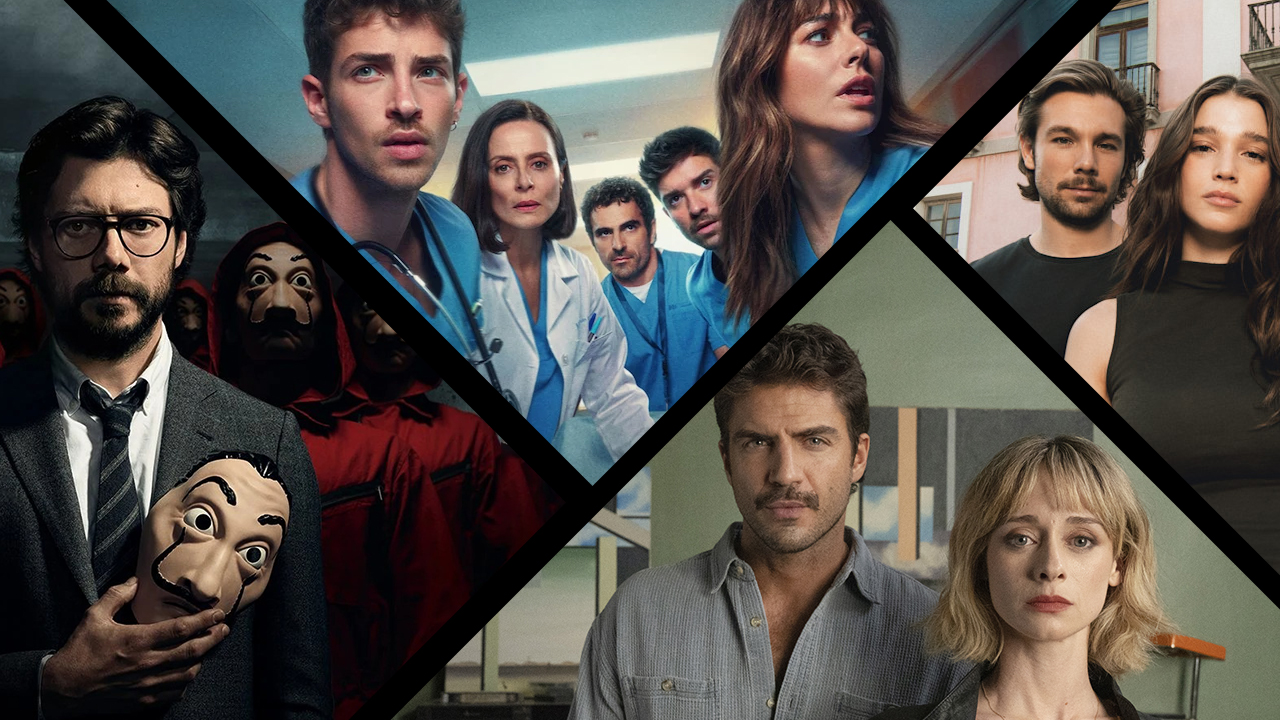
Similarly, the popular medical drama Breathless (Respira) is set to conclude with its third and final season in 2027. Amidst global interest in high-stakes medical procedurals, the eight-episode final season introduces Belén Cuesta as Judit Casat, a hardline hospital manager and podcast host whose presence ratchets up pressure on the medical staff. The narrative centers on the fierce departmental power struggle between surgeons Jéssica (Blanca Suárez) and Pilar (Aitana Sánchez-Gijón), alongside lingering romantic and professional turmoil among the broader ensemble cast.
On the comedy front, Machos Alfa (Alpha Males) enters its sixth and final season. Created by the sibling team Alberto and Laura Caballero, the satirical look at modern masculinity has maintained a near-annual release cadence since its December 2022 premiere. The final 10-episode run will examine whether the central characters—portrayed by Fernando Gil, María Hervás, Raúl Tejón, and Kira Miró—can finally reconcile traditional behavioral patterns with contemporary societal expectations.
Literary Adaptations and Prestige Period Dramas
A significant portion of Netflix’s Spanish expansion relies on translating best-selling literature and historical accounts into premium episodic television. Zeta Studios is spearheading Los Secretos de La Cortesana, an 18th-century period drama adapted from Estefanía Ruiz’s 2022 novel. Shot on location in Madrid and Segovia, the series blends palace intrigue, political maneuvering, and romantic drama between Julia (Carla Campra), the daughter of a court painter, and crown heir Gonzalo (Carlos Cuevas). Supported by a clandestine society of politically ambitious women, the project is positioned as a lavish, prestige-oriented counterweight to traditional crime thrillers.
Thrillers adapted from published works also dominate the upcoming calendar. Javier Castillo’s literary universe expands further with The Whisper Of Fire, a four-part miniseries co-produced by Atípica and directed by Laura Alvea and José Ortizuño. Following the success of previous Castillo adaptations like The Crystal Cuckoo, the narrative investigates the mysterious death of a young astrophysicist through the joint efforts of her twin brother and a Civil Guard Sergeant, starring Inma Cuesta.
In the crime genre, Santiago Díaz’s novel serves as the basis for Jotadé, a hard-boiled, four-part crime thriller directed by Daniel Calparsoro. The story follows an unorthodox, protective Romani police officer tasked with infiltrating a dangerous criminal network while maintaining a low profile. The series features a strong ensemble supporting veteran José Coronado and Money Heist alumnus Jaime Lorente.

Meanwhile, Morena Films is developing En El Círculo Del Asesino, a 1990s-set serial killer investigation that bridges past crimes with modern-day media culture. Inspired by real cases and starring Belén Rueda alongside Gabriela Andrada, the seven-episode drama follows a young journalist attempting to reconstruct a historical murder case via a narrative podcast while public outcry mounts over the impending release of the convicted perpetrator.
True-Crime and Historical Dramatizations
True crime continues to be a major driver of engagement for Netflix’s Spanish division, prompting the greenlighting of meticulous dramatizations of high-profile national tragedies. Bambú Producciones, following the international success of The Asunta Case, is in production on The Night Marta Disappeared (En El Nombre de Marta). Set in Seville, the six-part series dramatizes the 2009 disappearance of 17-year-old Marta del Castillo—a case that profoundly impacted public trust in Spain’s legal and judicial institutions. Showrunners Ramón Campos and Gema R. Neira emphasize a respectful, methodical reconstruction of the timeline and the family’s relentless pursuit of justice.
Additionally, Bambú is developing an untitled miniseries chronicling the legal proceedings surrounding Daniel Sancho, the Spanish chef convicted in Thailand for the 2023 murder and dismemberment of Colombian surgeon Edwin Arrieta. Starring Martiño Rivas, the production explores the intense media scrutiny and international legal complexities that gripped Spanish news outlets following the incident.
High-Stakes Heists and Narcothrillers
Expanding upon established stylistic traditions, Netflix is introducing high-concept crime and con-artist narratives. Notable among these is a series adaptation of the 2000 Argentinian cult classic film Nine Queens (Nueve Reinas). Transposed to 2012 Madrid during the peak of the European sovereign debt crisis, the project stars Money Heist veterans Álvaro Morte and Patrick Criado as two grifters attempting to execute an elaborate counterfeit stamp scam targeting a wealthy tycoon played by José Coronado.

In the realm of narcothrillers, Queenpin (La Dama Del Norte) adapts Ulises Bértolo’s novel detailing the 1990s cocaine trade in Galicia and northern Portugal. Directed by Esteban Crespo and Oskar Santos, the eight-episode series stars Elena Rivera as Diana, a young woman who rises through the ranks to lead a major drug cartel alongside associates Penélope and Maricarmen, while pursued by detective Medina (Maxi Iglesias).
Strategic Implications and Global Reach
The breadth and scale of the 2026-2027 Spanish production slate underscore Netflix’s intent to maintain dominance in non-English content exports. By combining established talent—such as Álvaro Morte, Najwa Nimri, and José Coronado—with emerging actors and established production banners like Vaca Films, Bambú Producciones, and Zeta Studios, the platform is reinforcing an industrial ecosystem capable of servicing both domestic subscribers and a vast international audience. As these series move through post-production at the Tres Cantos hub ahead of their staggered releases, they represent a calculated push to sustain subscriber retention and cultural resonance across global markets.