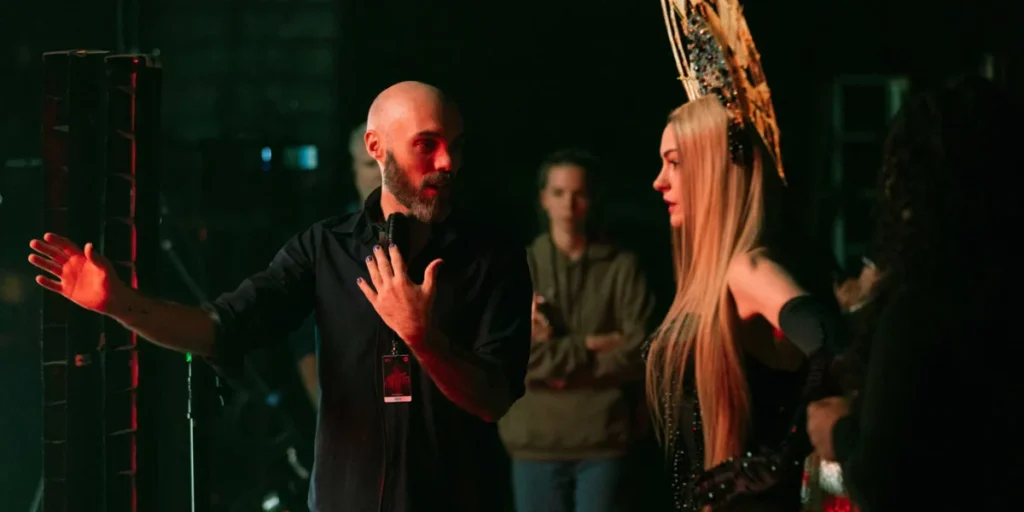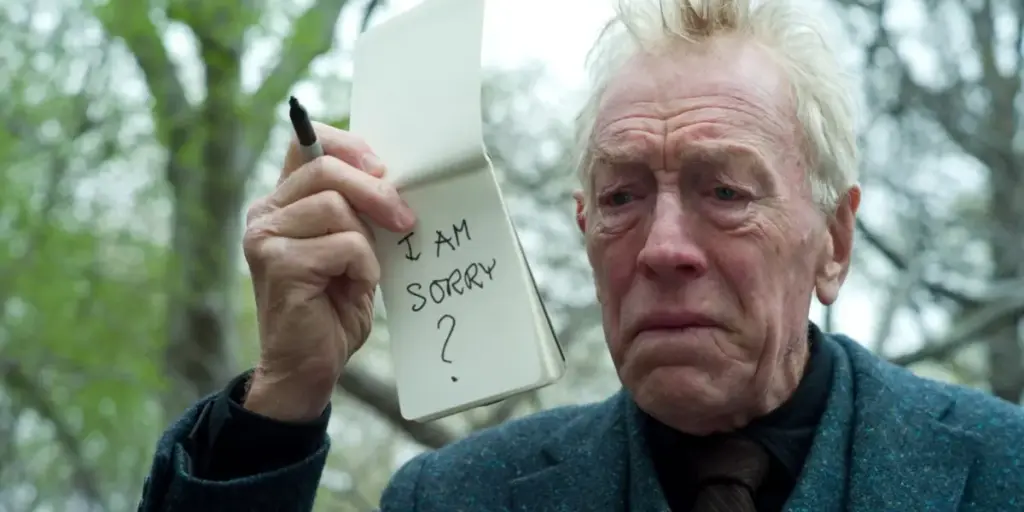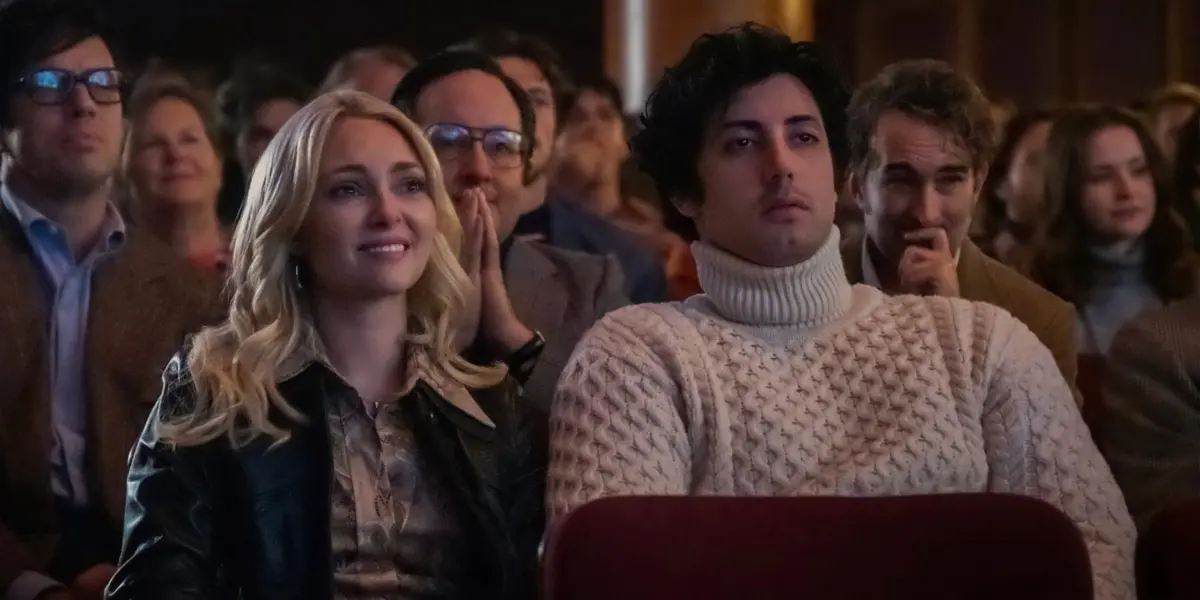
The biographical drama film I Play Rocky, directed by acclaimed filmmaker Peter Farrelly and written by Peter Gamble, has officially arrived in theaters nationwide following a celebrated premiere at the 2026 Toronto International Film Festival. Distributed by Amazon MGM Studios, the feature-length production chronicles the arduous, highly improbable development and eventual greenlighting of the iconic 1976 sports classic Rocky. Starring Anthony Ippolito as a young, struggling Sylvester Stallone alongside an ensemble cast featuring AnnaSophia Robb, Toby Kebbell, P.J. Byrne, Jay Duplass, Matt Dillon, Stephan James, and Tracy Letts, the film has captured the attention of both audiences and critics alike. Following its festival debut, where it earned a prestigious nomination for the People’s Choice Award, the creative team behind the picture has opened up about the immense responsibility of bringing Hollywood folklore to cinematic life. Members of the cast and crew—including AnnaSophia Robb, who portrays Sasha Czack; P.J. Byrne, who steps into the shoes of producer Irwin Winkler; editor Sam Seig; and casting director Rick Montgomery—recently sat down to discuss the meticulous collaborative effort required to recreate one of the most famous underdog stories in cinematic history.
Main Facts and Production Overview
I Play Rocky shifts the cinematic lens away from the fictional Philadelphia boxer and turns it directly onto the real-life struggles of Sylvester Stallone during the mid-1970s. Before the original film grossed over $225 million worldwide against a modest budget of roughly $1 million and claimed the Academy Award for Best Picture, Stallone was an unknown, impoverished actor and screenwriter living in New York City. He famously refused lucrative offers for his screenplay because major studios would not allow him to star in the lead role, a gamble that ultimately changed the trajectory of his life and modern Hollywood history.
Peter Farrelly, widely known for blending mainstream comedies with critically acclaimed human dramas such as Green Book, brings a grounded and empathetic touch to the biographical project. Penned by Peter Gamble, the screenplay captures the relentless grit, rejection, and eventual triumph of the production’s formative days. The ensemble cast was carefully assembled by casting director Rick Montgomery to reflect the distinct personalities of the actual figures who shaped the 1976 classic, including Irwin Winkler, Robert Chartoff, and Sasha Czack, Stallone’s first wife and a vital partner during his early career struggles.
Chronology of the Project and Festival Run
The journey of bringing I Play Rocky to the screen mirrors the resilience of its subject matter, moving through several key milestones from its initial script development to its commercial rollout:
- Early Development: Peter Gamble’s screenplay circulated within Hollywood for years, capturing industry attention for its focused look at the creation of a cinematic masterwork before landing with director Peter Farrelly.
- Casting and Production: Anthony Ippolito was cast as Sylvester Stallone, supported by a diverse and accomplished roster of actors including AnnaSophia Robb and P.J. Byrne, with principal photography capturing the period-accurate grit of 1970s New York and Los Angeles.
- Toronto International Film Festival Premiere: The film made its world premiere at the 2026 Toronto International Film Festival, where it was selected as a contender for the coveted People’s Choice Award, signaling strong early buzz among cinephiles and industry critics.
- Nationwide Theatrical Release: Amazon MGM Studios launched the film across domestic theaters, introducing the biographical drama to general audiences and positioning it as a major player in the cultural conversation surrounding classic cinema lore.
Cast and Crew Insights: Bringing History to Life
Bringing a well-documented piece of Hollywood mythology to the screen presented unique challenges for the cast and creative team. AnnaSophia Robb, who portrays Sasha Czack, noted in her recent interview the profound responsibility of playing a real person whose behind-the-scenes contributions to Stallone’s early success are frequently overlooked by the general public. Czack was an essential emotional and logistical anchor for Stallone during the years he spent writing the script and fighting for creative control, and Robb’s performance captures the sacrifices made by the partners of artists striving for a breakthrough.
P.J. Byrne, who takes on the role of legendary producer Irwin Winkler, spoke candidly about how participating in a film about the mechanics of filmmaking resonated with his own journey as a working actor. Winkler, alongside late partner Robert Chartoff, took a massive financial and professional risk by greenlighting a script written by an unproven writer starring an unknown lead. Byrne’s portrayal highlights the tension and ultimate synergy between visionary studio gatekeepers and stubborn creative talent.
Behind the camera, editor Sam Seig and casting director Rick Montgomery faced the monumental task of honoring a universally recognized cultural touchstone while establishing a fresh narrative identity. Montgomery’s casting choices were vital in grounding the biographical elements, ensuring that historical figures like Winkler and Czack were portrayed with authenticity rather than mere caricature. Meanwhile, Seig’s editorial pacing mirrors the rhythm of a classic sports drama, building dramatic tension not through in-ring combat, but through the high-stakes boardroom negotiations and personal sacrifices that made the original production possible.
Supporting Data and Critical Reception
Since its debut, I Play Rocky has garnered generally positive reviews from critics, who have praised its nostalgic charm, strong ensemble performances, and faithful recreation of 1970s Hollywood. On the festival circuit, the film’s nomination for the Toronto International Film Festival People’s Choice Award placed it in company with some of the year’s most celebrated narrative features—a notable achievement for a biographical drama focusing on industrial film history.
The box office and streaming landscape for biographical dramas has experienced a resurgence, with audiences showing a distinct appetite for "making-of" stories that humanize pop-culture phenomena. By focusing on the vulnerable pre-fame era of one of cinema’s most recognizable icons, I Play Rocky taps into the same universal themes of perseverance, self-belief, and defiance against the odds that made the original 1976 film a global phenomenon.
Broader Impact and Industry Implications
The release of I Play Rocky by Amazon MGM Studios underscores a broader industry trend toward investing in mid-budget, character-driven biographical dramas that appeal to adult audiences. While franchise filmmaking continues to dominate multiplexes, films that explore the history of cinema itself offer a reflexive, highly engaging meta-narrative that appeals strongly to cinephiles and casual moviegoers alike.
Furthermore, the film serves as a timely reminder of the shifting power dynamics within the entertainment industry during the 1970s—a transitional era when New Hollywood auteurs and risk-taking producers occasionally allowed unconventional voices to break through the studio system. By highlighting the stubborn refusal of Sylvester Stallone to compromise his artistic vision, the film offers a modern parable for creators navigating an increasingly risk-averse corporate media landscape.
As I Play Rocky continues its theatrical run nationwide, the conversations sparked by its cast and crew—including the deep dives featured on platforms like the Next Best Picture Podcast—highlight the enduring fascination with how cinematic masterpieces are born. Through dedicated performances, careful historical research, and a clear-eyed look at the hurdles of the film industry, Peter Farrelly and his team have crafted a companion piece to a classic that proves the most compelling underdog story of all is sometimes the one that happened behind the camera.