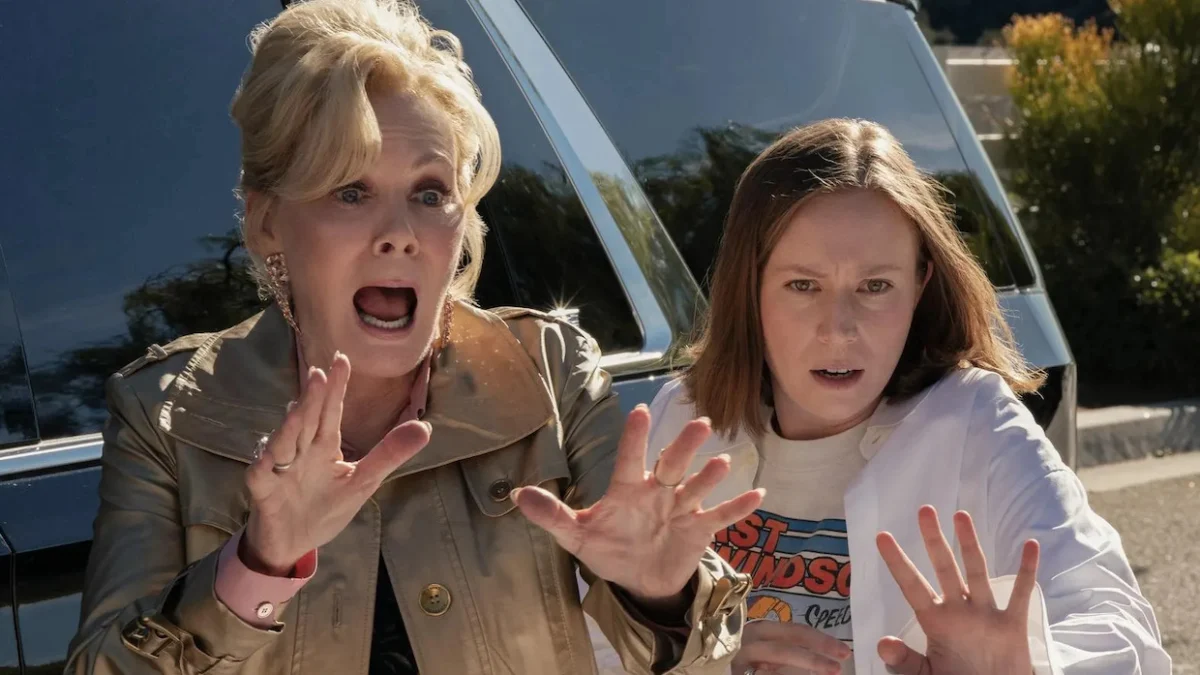
The television industry is currently in the throes of its most intense period of the year, with networks and streamers alike engaging in a frantic scramble to position their top shows for Emmy consideration. This period culminates in the crucial May 31 eligibility deadline, a benchmark that dictates which programs qualify for the upcoming Primetime Emmy Awards. Weeks after the cinematic fanfare of the Academy Awards, the focus shifts squarely to television, marking the unofficial commencement of a year-round awards cycle that sees the industry’s most prestigious honors debated and campaigned for months in advance.
The Intricate Emmy Calendar: A Year-Round Campaign
While the Primetime Emmy Awards ceremony typically takes place in September, the groundwork for nominations and victories is laid much earlier. For many industry observers and public relations teams, the tracking of potential contenders begins even before the calendar year turns. Following the eligibility window closure on May 31, a meticulous process unfolds:
- Submissions (April-May): Networks and streaming platforms submit their programs, performers, and craftspeople for consideration across hundreds of categories. This phase requires strategic decision-making on where to place talent (e.g., lead vs. supporting actor).
- Nomination Voting (June): Members of the Television Academy cast their ballots to determine the nominees in each category. This is where the sheer volume of content becomes a significant factor, testing voters’ capacity and attention.
- Nominations Announcement (July): The highly anticipated unveiling of the official list of nominees, which instantly elevates certain shows and talents into the public spotlight.
- Final Voting (August): Academy members vote on the winners from the nominated pool.
- Awards Ceremony (September): The grand event where statuettes are handed out, culminating months of campaigning and creative effort.
Unlike its cinematic counterpart, the Oscars, which benefit from a relatively clear-cut fall film release strategy often aligned with critical acclaim, the Emmy timeline presents unique challenges. Television’s continuous production cycle means that programs are constantly vying for attention. The May 31 deadline serves as a strategic point for streamers, in particular, to unleash their strongest contenders, hoping that "recency bias"—the tendency for voters to favor what they’ve seen most recently—will give their projects an edge in an increasingly saturated market. Cable and broadcast networks, with their traditional fall-to-spring weekly release schedules, often have a more distributed presence throughout the year, planning their Emmy campaigns well in advance. The palpable intensity of television programming releases in the spring is a direct consequence of this strategic window.
The Landscape of Contenders: A Post-Streaming Wars Reality
The current television landscape is a direct result of the "Streaming Wars" of the past decade. While initially characterized by an explosion of new platforms and content, this era has now transitioned into one of corporate consolidation and strategic maneuvering. The Emmy race, at its core, has become a battleground for a handful of powerful legacy studios and their dominant streaming counterparts. These include:
- Disney: A vast empire encompassing ABC, Fox, FX, and Hulu, offering a diverse slate from network sitcoms to prestige dramas.
- Paramount: Home to CBS, Paramount+, and Showtime, covering broadcast, premium cable, and streaming.
- Warner Bros. Discovery (WBD): A formidable player with HBO and HBO Max, known for consistently producing critically acclaimed and awards-heavy content.
- Universal (NBCUniversal): Managing Bravo, NBC, and Peacock, with offerings spanning reality, broadcast, and streaming.
- Independent Streamers: Apple TV+, Netflix, and Prime Video, which operate without the same legacy broadcast or cable infrastructure but have invested heavily in original content to build subscriber bases.
This consolidation means that while the number of platforms may have slightly decreased from its peak, the volume of high-quality, awards-caliber content has not. Each of these conglomerates is vying for prestige and market share, understanding that Emmy recognition can significantly boost a show’s profile, attract new subscribers, and retain existing ones. The sheer financial investment in "For Your Consideration" (FYC) campaigns—billboards, trade advertisements, exclusive screenings, and Q&A panels with talent—reflects the high stakes involved. Industry reports estimate that major studios can spend millions on FYC campaigns for their flagship shows, a testament to the perceived value of an Emmy win or even a nomination.
Emmy Nomination Dynamics: A Different Calculus
The process of determining Emmy nominations diverges significantly from the Oscars, creating a distinct awards ecosystem. While the Academy Awards typically nominate five films in most categories (with ten for Best Picture), the Emmys employ a more flexible system, where the number of nominees is directly influenced by the number of submitted entries. This often results in larger categories, offering more opportunities for recognition.

- Drama and Comedy Series: These flagship categories often feature eight nominated shows, reflecting the vast quantity of quality content available.
- Limited/Anthology Series: Typically sees five nominees.
- Acting Categories: The number of nominees can fluctuate year by year, but it is common to see more supporting nominees than leads, again due to the volume of submissions and the desire to recognize a broader range of talent.
This system, while inclusive, can lead to complex mathematical considerations for prognosticators. The result is often record-breaking nomination hauls. For instance, in past years, The Bear and The Studio have tied for the most comedy series nominations in a single year with 23 nods each, while Game of Thrones holds the record for a drama series with an astounding 32 nominations in one year. These figures underscore the sheer scale of the Emmy competition and the expansive reach of the Television Academy’s recognition.
Furthermore, unlike the film world where new releases dominate the awards conversation, the Emmys frequently feature debut seasons of television competing directly with established shows that have been on air for years. This creates an interesting dynamic where long-running fan favorites can go head-to-head with critically acclaimed newcomers. Adding to the complexity, the television industry lacks the direct "precursor" awards that so often shape Oscar predictions. Major professional guilds (Writers Guild, Directors Guild, Screen Actors Guild) typically hand out their TV awards months after the Emmys, often alongside their film counterparts. This means that many brand-new shows, despite being top-of-mind for publicists, enter the Emmy race without the predictive momentum of earlier industry accolades, making prognostication a far more challenging, and often surprising, endeavor.
Key Categories and Early Frontrunners
Despite the inherent unpredictability, certain patterns and strong contenders emerge in the crowded field, often due to critical acclaim, sustained popularity, or previous Emmy success.
Drama Series:
The race for Outstanding Drama Series is often a battle of titans. HBO Max’s The Pitt stands out as a formidable frontrunner. Having just concluded its wildly popular second season, The Pitt has become a cultural phenomenon, generating significant social media discourse and strong viewership numbers. Its weekly release schedule has cultivated a dedicated fan base, making it one of the closest modern equivalents to a traditional "water cooler show." With the potential to scoop up a second consecutive Emmy for best drama series, The Pitt embodies the kind of high-stakes, prestige television that often resonates with voters.
However, the competition remains fierce. Previous nominees such as Prime Video’s Fallout, Apple TV+’s The Morning Show, Hulu’s Paradise, and Netflix’s Stranger Things all boast strong critical and popular support. New series like Apple’s Pluribus and HBO’s Task are also vying for attention. In a category with eight potential slots, merely securing a nomination is considered a significant achievement, a sentiment often echoed by veteran publicists who note that "the nomination is the win" in such a competitive environment.
Comedy Series:
The Outstanding Comedy Series category frequently showcases a blend of sharp wit, social commentary, and relatable humor. HBO Max’s Hacks, particularly with its final season, is a strong contender to reclaim the top prize. Its insightful portrayal of the entertainment industry, coupled with Jean Smart’s consistently acclaimed performance (potentially earning her a fifth consecutive Emmy for lead actress), gives it a distinct advantage. Voters often connect with "backstage comedies" that offer a realistic glimpse into their own world. Hacks also benefits from the fact that last year’s winner, The Studio, is currently between seasons, clearing a path.
FX’s The Bear, a previous winner, is expected to be among the nominees, though its intense style may have contributed to Hacks breaking its Emmy-winning streak in 2024. ABC’s Abbott Elementary continues to enjoy widespread affection, a remarkable feat for a network sitcom in an era dominated by streamers, highlighting its enduring appeal and critical praise. Netflix’s Nobody Wants This and Apple’s Shrinking, both of which earned nominations in previous seasons, also remain strong contenders. Among debut series, Apple’s Margot’s Got Money Troubles has garnered significant buzz. HBO’s The Comeback, a beloved Hollywood satire, could also make a surprise entry, despite its previous nominations in 2006 and 2015 (including two for star Lisa Kudrow) never having translated into a series nomination.
Limited/Anthology Series:
This category is often the most dynamic and unpredictable, serving as a fertile ground for experimental storytelling and impactful narratives. Unlike ongoing series, limited series offer a complete story arc within a single season, making them akin to the "sequels of the TV world" when subsequent seasons of anthology series appear. This year’s slate features a rich tapestry of buzzy shows, many exploring themes of complex relationships and contemporary anxieties.
Notable contenders include Netflix’s Beef, a critical darling delving into the consequences of a road rage incident; HBO’s DTF St. Louis, exploring modern dating dynamics; and FX’s Love Story: John F. Kennedy Jr. & Carolyn Bessette, a historical drama. Richard Gadd, fresh off his Emmy-winning success with Baby Reindeer in 2024, returns with HBO’s Half Man, which is rumored to be even more harrowing, signaling a trend towards darker, more psychological narratives. Netflix is also strong with a fresh adaptation of Lord of the Flies, following its sweep with Adolescence last year, indicating the streamer’s prowess in marketing and delivering tales of complex British youth. Prime Video’s Bait, a half-hour dark comedy starring Riz Ahmed as an actor vying for the role of James Bond, adds another layer of genre blending and self-referential humor to the mix.
Emerging Trends and Future Implications
The current Emmy season is not just a competition for awards; it’s a reflection of broader shifts and trends within the television industry and wider society. As the deadline approaches and campaigns intensify, several key areas of focus are emerging:
- Genre Blending: The increasing fluidity between comedy and drama, often resulting in "dramedies" or "dark comedies" that defy easy categorization, allowing creators more narrative freedom.
- The Impact of AI: A growing number of shows are beginning to tackle the nuances, ethical dilemmas, and existential threats posed by artificial intelligence, reflecting its increasing prominence in public discourse.
- Political and Social Commentary: The political chaos and social anxieties of our current era are profoundly impacting the stories being told on television, with creators using the medium to explore complex contemporary issues and offer critical perspectives.
- The Global Reach of Television: While the Emmys are American-centric, the global appeal and production of television content are undeniable, with international productions increasingly influencing American awards.
The sheer volume of high-quality television presents a formidable challenge for Emmy voters, who must sift through hundreds of hours of content to identify the year’s best. This environment demands sophisticated campaign strategies from studios and publicists, as well as a robust critical apparatus to help guide audiences and voters. As the industry moves closer to the nomination announcements and the final ceremony, the ongoing effort to organize this creative chaos and recognize artistic excellence in a rapidly evolving medium remains a central, fascinating, and often unpredictable endeavor. The weeks ahead will undoubtedly shape the narrative of the 2026 Primetime Emmy Awards, highlighting the shows, talents, and trends that define television’s current golden age.