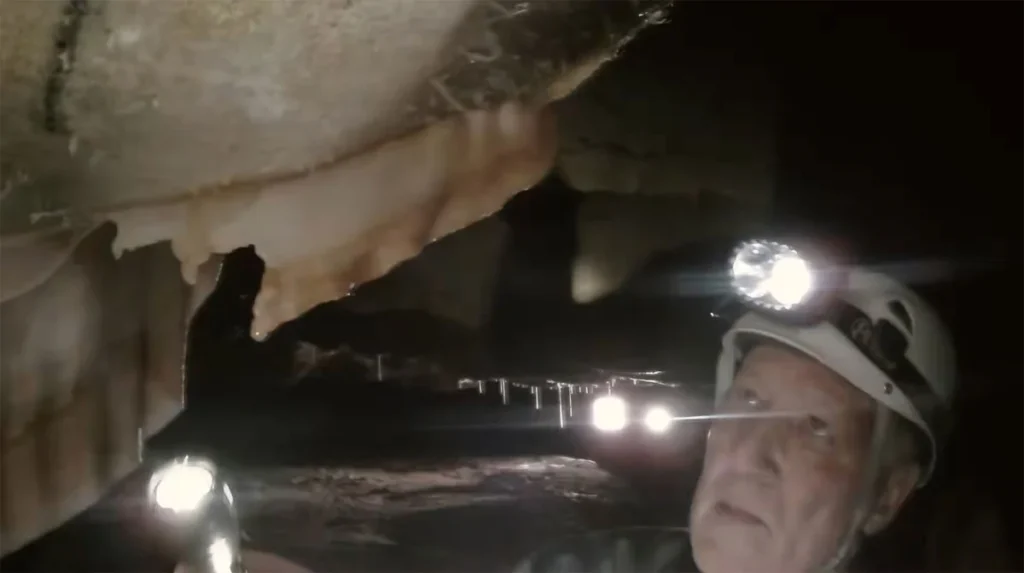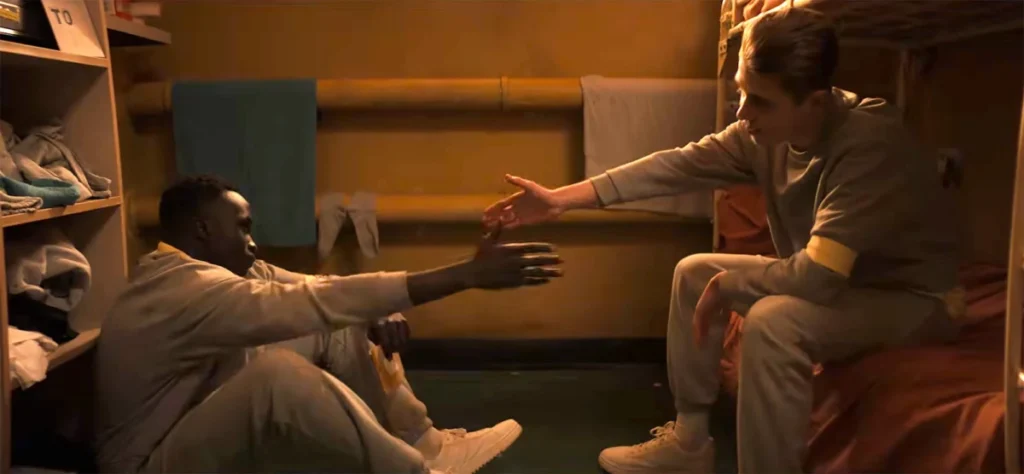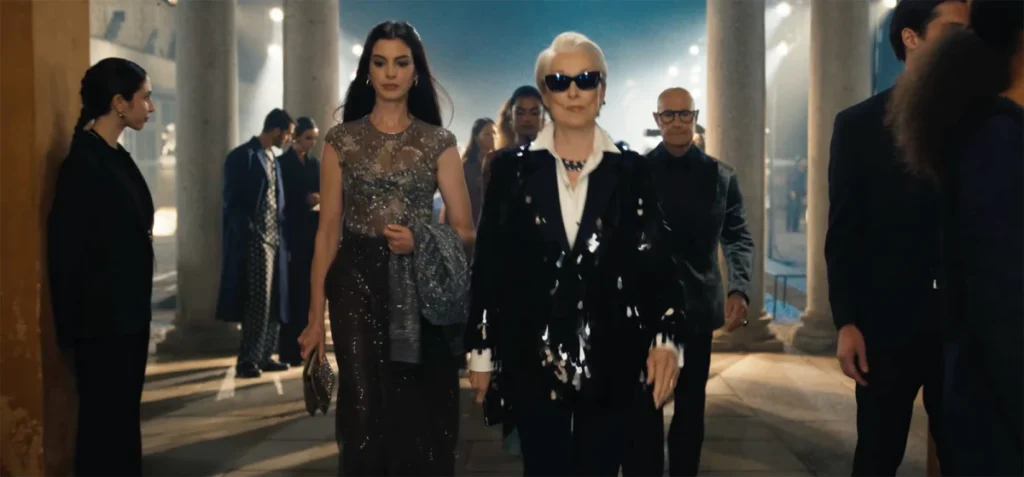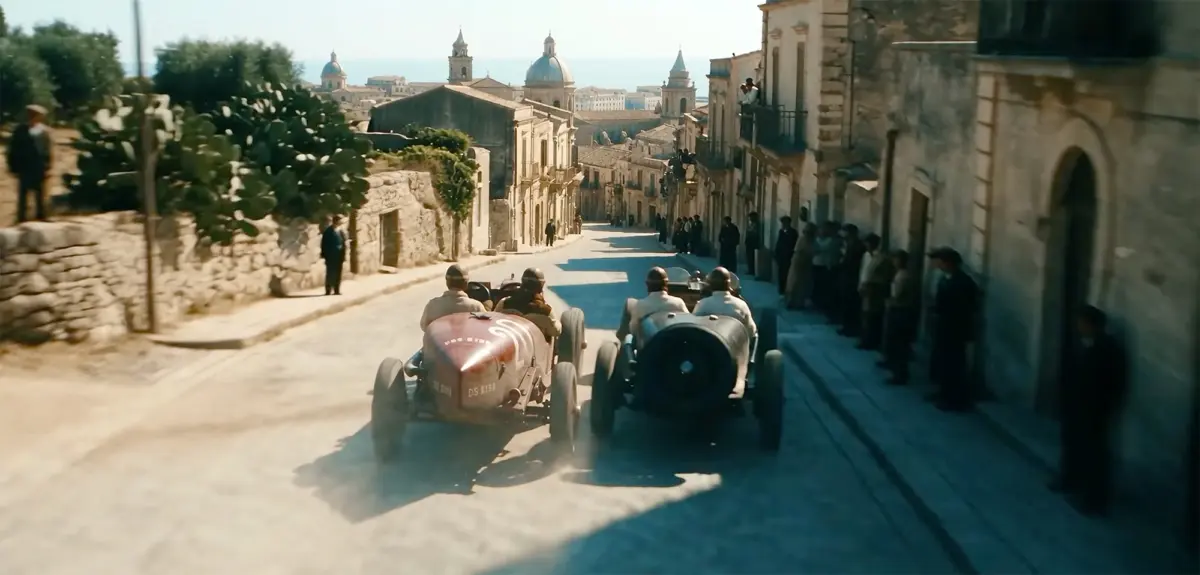
Magenta Light Studios has officially released the high-octane trailer for Maserati: The Brothers, a sweeping biographical drama chronicling the meteoric rise of the legendary Italian automotive dynasty. Directed by Italian-American filmmaker Bobby Moresco, the feature film traces the lineage of the Maserati family from its modest, soot-stained origins in a Bologna workshop in 1914 to its status as an elite global symbol of luxury, engineering prowess, and elite motorsport competition. Headlined by an extraordinary ensemble cast featuring Hollywood heavyweights Anthony Hopkins, Al Pacino, and Andy Garcia, alongside Jessica Alba, the film is scheduled to make its long-awaited arrival in United States theaters on January 29, 2027.
The unveiling of the promotional footage has sent ripples through the entertainment and automotive enthusiast communities alike. Initially premiering at an international film festival circuit in 2025, the project has steadily generated quiet anticipation before securing domestic distribution via Magenta Light Studios. The newly minted trailer leans heavily into the quintessential tropes of the prestige automotive biopic, drawing inevitable thematic and visual comparisons to past high-profile cinematic explorations of Italian motoring titans, most notably Michael Mann’s 2023 release Ferrari starring Adam Driver.
Yet, as industry analysts and film historians alike point out, Maserati: The Brothers occupies a unique historical niche. While brands like Ferrari and Lamborghini have frequently dominated the cinematic landscape—with Moresco himself having previously directed Lamborghini: The Legend in 2022—the multifaceted story of the Maserati siblings has long remained underrepresented on the grand scale of Hollywood storytelling. With a robust narrative framework, a formidable cast, and lavish on-location production values captured across Italy, the film aims to redefine how the sacrifices, rivalries, and relentless technological innovations of early 20th-century industrialists are portrayed on screen.
From Bologna Workshops to Global Motoring Royalty
To fully understand the gravity of the cinematic narrative crafted by Moresco and screenwriters Amanda Moresco and Stefano Torrisi, one must examine the historical genesis of the Maserati marque. Founded on December 1, 1914, in the heart of Bologna, Italy, the enterprise was born out of the collective vision, mechanical genius, and unyielding ambition of the Maserati brothers: Alfieri, Bindo, Carlo, Ettore, and Ernesto.

Operating under the founding entity Società Anonima Officine Alfieri Maserati, the brothers began their industrial journey not as manufacturers of luxury street vehicles, but as fiercely dedicated artisans of race cars. Alfieri Maserati, who serves as a focal point of the dramatic tension in the film, was joined by his siblings in transforming a makeshift workshop into a crucible of automotive engineering. Carlo, the eldest, had laid early groundwork in the industry before his untimely passing, leaving his younger brothers to inherit both his mechanical blueprints and his boundless ambitions.
The early decades of the 20th century were perilous for visionaries. Operating against the backdrop of political instability, economic depression, and the devastation of the First World War, the Maserati family had to wage a continuous battle against poverty and widespread skepticism. The trailer captures this visceral reality, emphasizing the grit of the workshop floor, the roar of early internal combustion engines, and the high-stakes danger of Grand Prix racing circuits where drivers tested experimental machines at breakneck speeds.
By the 1920s and 1930s, the trident badge—inspired by the Fountain of Neptune in Bologna’s Piazza Maggiore, a design attributed to artist Mario Maserati, the only brother who pursued fine art rather than mechanics—had become synonymous with track dominance. Maserati vehicles secured victories across Europe, setting land-speed records and engaging in legendary duels with rival manufacturers. However, the immense financial pressures of maintaining a competitive racing team ultimately forced the family to relinquish majority control of the company in 1937 to the Orsi family, though the brothers remained deeply entrenched in engineering and development for years to follow. This complex transition of power, corporate betrayal, and familial sacrifice forms the emotional core of Moresco’s cinematic exploration.
An Ensemble Cast of Cinematic Icons
One of the most striking elements of Maserati: The Brothers is its monumental cast list, which bridges generations of cinematic excellence. Academy Award winners Anthony Hopkins and Al Pacino bring gravitas and theatrical weight to the production, anchoring a narrative that relies heavily on generational wisdom, paternal figures, and the intense psychological pressures faced by industrial pioneers.
Joining Hopkins and Pacino is veteran actor Andy Garcia, whose presence adds further depth to the sprawling familial and corporate dynamics depicted in the script. Jessica Alba rounds out the prominent American contingent of the cast, bringing international star power to the biographical drama.

Meanwhile, the core of the Maserati family is portrayed by a dynamic cast of European talent. Michele Morrone steps into the pivotal role of Alfieri Maserati, capturing the charismatic, driven spirit of the brother who served as the primary catalyst for the company’s early triumphs. Matteo Bassi embodies Ettore Maserati, while Lorenzo de Moor portrays Carlo Maserati, supported by performances from actors including Gina La Piana.
The casting choice reflects a deliberate strategy by producers Andrea Iervolino, Gary Michael Walters, and Bob Yari to blend authentic European cultural representation with globally recognized box-office appeal. Filmed entirely on location in Italy, the production leveraged authentic landscapes, historic streets, and preserved automotive archives to recreate the sensory environment of early 20th-century Bologna, ensuring that the visual texture of the film matches its historical ambitions.
Director Bobby Moresco and the Automotive Biopic Subgenre
Director Bobby Moresco is no stranger to the high-stakes world of Italian automotive history. Having previously directed Lamborghini: The Legend, Moresco has carved out a distinct niche as a cinematic chronicler of Italy’s post-war industrial titans. His directorial portfolio also includes features such as One Eyed King, 10th & Wolf, Bent, and the comedy special Colin Quinn: Red State Blue State.
Collaborating with co-writers Amanda Moresco and Stefano Torrisi, the director approached the Maserati script not merely as a chronological accounting of mechanical milestones, but as an intimate character study of brotherhood. In official promotional materials released by Magenta Light Studios, the film is described as a quintessentially Italian biopic defined by a dream greater than the individuals who birthed it. The narrative highlights the psychological toll of visionary ambition—the friction between creative engineering and commercial viability, and the strain that shared enterprise can place on even the strongest familial bonds.
This release arrives during a notable resurgence of high-end cinematic interest in the titans of motorsport. Over the past decade, Hollywood has increasingly turned its lens toward the biographical roots of global engineering empires. From James Mangold’s Ford v Ferrari (2019) to Michael Mann’s Ferrari (2023) and Michael Moresco’s own prior work, audiences have demonstrated a sustained appetite for stories that combine high-speed racing sequences with the interpersonal drama of corporate boardrooms and family dining tables.

However, this trend also presents distinct challenges. Critics and audiences have occasionally noted formulaic tendencies within the subgenre—frequently citing recurring motifs of shouting matches across dinner tables, brooding patriarchs overlooking drafting tables, and cinematic sequences of roaring vintage engines tearing through winding Italian countryside roads. Maserati: The Brothers will inevitably face scrutiny regarding how it differentiates its narrative voice from its immediate cinematic predecessors, particularly given the strong shadow cast by Mann’s Ferrari.
Chronology of Production and Distribution
The path of Maserati: The Brothers from conception to commercial release has been characterized by careful strategic positioning. Principal photography took place on location in Italy, utilizing historical sites to maximize authenticity. Following the completion of principal production, the film underwent a selective festival run beginning in 2025, allowing the creative team to gauge critical reception and build organic word-of-mouth momentum among international cinephiles.
For a period, the project remained relatively under the radar for mainstream audiences, overshadowed by larger studio tentpoles. However, the acquisition of the film by Magenta Light Studios marked a turning point in its commercial trajectory. By securing a prime late-January release slot for the United States market—traditionally a window utilized for prestige dramas seeking counter-programming against blockbuster sequels—the studio has signaled confidence in the film’s awards potential and its enduring appeal among mature demographics and automotive enthusiasts.
The official trailer rollout in late November 2026 served as the starting gun for the marketing campaign, accompanied by a series of promotional posters that emphasize the classic iconography of the trident badge, period-accurate racing goggles, and the brooding expressions of the film’s stellar cast.
Broader Implications for Independent Cinema and the Luxury Automotive Brand

Beyond its immediate box-office prospects, the release of Maserati: The Brothers holds broader implications for both the independent film financing model and the modern marketing strategies of luxury automotive brands.
In the contemporary media landscape, high-budget biographical dramas featuring A-list talent are increasingly reliant on international co-productions and independent distribution networks like Magenta Light Studios. The collaboration between producers Andrea Iervolino, Gary Michael Walters, and Bob Yari highlights a growing financial ecosystem capable of mounting period pieces outside the traditional umbrella of major Hollywood conglomerates. By leveraging tax incentives, European locations, and pre-sales to international territories, productions of this scale can achieve lavish production values while retaining creative autonomy.
Simultaneously, the film serves as a powerful piece of long-form cultural branding for Maserati itself. In an era where legacy automotive manufacturers are navigating a seismic transition toward electrification and digital connectivity, heritage storytelling plays an increasingly vital role in maintaining brand equity. By reminding global consumers of the grit, passion, and racing pedigree that forged the trident marque a century ago, projects like Maserati: The Brothers reinforce the emotional and historical connection between the brand and its global clientele.
As the January 29, 2027 theatrical release date approaches, industry observers will be watching closely to see whether the combined star power of Anthony Hopkins and Al Pacino, coupled with the timeless allure of Italian racing history, can propel Moresco’s ambitious drama to commercial success. For millions of enthusiasts worldwide, the film offers an invitation to step back in time—to a gritty Bologna workshop where a handful of dreamers dared to challenge the limits of speed, poverty, and time itself.