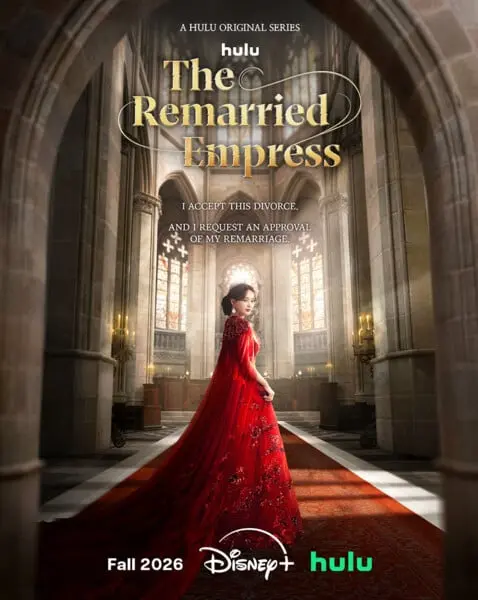
The premiere of the Disney+ live-action adaptation of The Remarried Empress has catalyzed a significant resurgence in the popularity of its source material, with Naver WEBTOON reporting an unprecedented spike in global engagement. Data released by the platform on November 19 indicates that the two-week period following the series’ November 3 debut saw a 35-fold increase in global views for the original webtoon compared to baseline figures recorded in mid-August. This phenomenon highlights the enduring influence of transmedia storytelling, where high-profile streaming adaptations serve as potent discovery engines for established digital intellectual property.
Chronology of a Digital Phenomenon
The trajectory of The Remarried Empress from a digital literary experiment to a global streaming sensation spans several years of consistent growth. Originally conceived by author Alphatart, the narrative first appeared on the Naver Web Novel’s Challenge League, a platform designed for emerging writers to cultivate an audience. Following its successful reception, the story was transitioned to an official serialization on Naver Series, eventually garnering a massive following.
The adaptation process intensified as the property proved its commercial viability. The webtoon version, featuring a collaborative effort between writer HereLee and illustrator SUMPUL, became a staple of the fantasy-romance genre, eventually crossing the 3 billion cumulative views threshold worldwide. Following a seven-year run, the main narrative concluded in January 2026. However, recognizing the momentum generated by the impending Disney+ live-action series, the creators launched a series of "side stories" on October 29, 2026, effectively bridging the gap between the conclusion of the webtoon and the television debut.
The television adaptation, which features Min-A Shin as Empress Navier, Ji-Hoon Ju as Emperor Sovieshu, and Jong-suk Lee as Prince Heinrey, launched globally on November 3. The narrative, centered on a high-stakes imperial divorce and a strategic remarriage between kingdoms, struck a chord with international audiences, leading to immediate critical and commercial traction.
Quantifying the Reader Surge
The statistical impact of the Disney+ series on the source material is substantial. Naver WEBTOON’s analysis compared readership data from the two-week window following the November 3 premiere (November 3–16) against a baseline period prior to the release of the series’ promotional preview video (August 12–25).
The growth metrics were consistent across multiple demographics and languages:
- Global Aggregate: A 35-fold increase in total views.
- Korean-Language Market: A 54-fold surge, indicating strong domestic interest in the adaptation.
- English-Language Market: A 35-fold increase, confirming the show’s success in bridging the cultural gap for international readers.
- Web Novel Performance: The original text-based version on Naver Series saw an even more dramatic uptake, with a 45-fold increase in readership over the same timeframe.
These figures underscore a "halo effect," where the visual medium of television acts as a high-visibility marketing tool that drives audiences back to the original text-based and graphic-novel formats. The consistent growth across all available languages suggests that the themes of the narrative—political intrigue, romance, and empowerment—possess universal appeal that transcends regional boundaries.
Industry Context and Streaming Performance
The success of The Remarried Empress is not an isolated incident but part of a broader trend of South Korean intellectual property (IP) dominating global streaming charts. According to data provided by Disney+, the series secured the top spot as the most-watched locally produced original title across all Disney+ international markets during its inaugural 72-hour release window.

By November 18, industry monitor FlixPatrol reported that the series had solidified its position as the second most-watched television program globally on the platform. This performance serves as a testament to the high production values associated with contemporary K-drama adaptations and the strategic decision by major streamers to invest in proven digital literature. The ability of the series to sustain high viewership into its third week suggests that the audience engagement is driven by both the initial curiosity surrounding the adaptation and the narrative depth of the source material.
The Broader Implications for Digital IP
The symbiotic relationship between streaming television and web-based literature has become a cornerstone of the modern entertainment economy. For platforms like Naver WEBTOON, the conversion of a viewer into a reader is a critical performance indicator. By successfully funneling television audiences toward the webtoon and the original web novel, the franchise extends the lifecycle of the intellectual property well beyond the final episode of the show.
This synergy is further supported by physical publishing efforts, such as those by Ize Press, which has begun releasing the series in print. By providing multiple entry points—digital novels, illustrated webtoons, physical volumes, and streaming television—the franchise creators have created a multi-layered ecosystem that captures varying consumer preferences.
Furthermore, the industry is already looking toward the next phase of the franchise’s expansion: an anime adaptation scheduled for 2027. This move into the animation space indicates a strategy to diversify the visual style of the adaptation, targeting both the established webtoon demographic and the broader animation-viewing audience.
Corporate and Creative Perspectives
While formal statements from the production companies often emphasize the technical success of the launch, the data implies a high level of satisfaction regarding the integration of the franchise across platforms. The ability to launch side stories just days before the live-action premiere was a calculated creative choice intended to capitalize on the expected influx of new readers.
Industry analysts suggest that this strategy—timing the release of supplementary content to coincide with major marketing pushes—is becoming the industry standard. For creators like Alphatart, HereLee, and SUMPUL, the success of the live-action series serves as both a validation of the original work and a catalyst for future creative opportunities. The surge in readership also provides a stable foundation for the upcoming 2027 anime, as it ensures that the core audience remains engaged and invested in the lore of the Eastern Empire and the Western Kingdom.
Future Outlook
As the live-action series continues its run, the challenge for the platform will be to maintain the current reader retention levels. Historical data suggests that while "premiere spikes" are common, long-term retention depends on the quality of the source material and the availability of the content in localized formats.
With the English-language version of the webtoon readily available on the WEBTOON platform and physical copies circulating through retail channels, the infrastructure is in place to support continued growth. As the market for Korean-produced content continues to mature, the case study of The Remarried Empress will likely be cited as a model for how to leverage digital storytelling to build global franchises.
The convergence of high-quality live-action production and deep-seated digital literary fandom has proven to be a winning formula. By bridging the gap between the static image of the webtoon and the dynamic nature of television, The Remarried Empress has effectively redefined the expectations for how serialized digital stories can be adapted for the global stage. Whether this momentum can be sustained through the release of the 2027 anime remains a point of interest for market observers, but for now, the data confirms that the empire of this specific digital IP is expanding at an unprecedented rate.