The status of the long-gestating revival of the 1981 dystopian classic Escape from New York has entered a new phase of speculation following recent comments from the film’s original architect, John Carpenter. During an appearance on the podcast Dropping Names with Brent and Jonny, Carpenter confirmed that filmmaker Robert Rodriguez has expressed a concrete interest in revitalizing the property with a unique narrative vision. This development adds a new layer of complexity to the ongoing efforts by StudioCanal to bring the iconic anti-hero Snake Plissken back to the big screen.
The Evolution of the Escape from New York Revival
The history of a potential Escape from New York reboot or sequel spans nearly two decades of stalled development. Following the release of the 1996 sequel, Escape from L.A., which failed to reach the critical and commercial heights of its predecessor, the franchise remained largely dormant. However, as the industry trend toward "legacy sequels" and high-budget reimaginings intensified in the 2010s, StudioCanal—which acquired the rights to the franchise—began actively seeking a path forward.
In June, reports surfaced confirming that Zack Snyder, known for his distinct visual style in films such as 300, Watchmen, and the 2004 Dawn of the Dead remake, had entered discussions to write and direct a new iteration of the project. At the time, the proposal reportedly focused on a grounded approach, prioritizing practical effects and location-based cinematography over the heavy reliance on digital environments that defined some of Snyder’s later DC Extended Universe work.
Carpenter’s Recent Clarifications
The recent dialogue on Dropping Names with Brent and Jonny has caused a stir regarding the project’s leadership. When discussing the current state of the IP, Carpenter noted, "We have a backup. Robert Rodriguez wants to. He has a new story he wants to do. So, we’ll see."
While some industry observers interpreted this as a definitive departure for Zack Snyder, the context of the conversation suggests a more fluid arrangement. There has been no official statement from StudioCanal or Snyder’s production team indicating that he has officially exited the project. Instead, the comments from Carpenter appear to highlight the existence of multiple creative pathways currently being evaluated by the studio. For his part, Carpenter has maintained a consistent interest in participating in the musical scoring of any potential new entry, ensuring that the sonic identity of the franchise—famously characterized by his own minimalist synthesizer scores—remains intact.

Comparative Profiles: Snyder and Rodriguez
The mention of Robert Rodriguez brings a different stylistic pedigree to the discussion. Rodriguez, who rose to prominence with the ultra-low-budget success of El Mariachi, became a cornerstone of independent cinema in the 1990s. His work on From Dusk Till Dawn and the Grindhouse project (specifically Planet Terror) demonstrates a penchant for high-octane, stylized violence and a gritty aesthetic that aligns closely with the tone of the original Escape from New York.
Zack Snyder, conversely, brings a background in grand-scale visual storytelling and comic book adaptation. His 2004 remake of Dawn of the Dead is often cited as a benchmark for how to update a cult classic while maintaining the core tension of the original material. The decision between these two filmmakers represents a fundamental choice in the direction of the franchise: whether to lean into a more grounded, exploitation-style action film (Rodriguez) or a stylized, operatic reimagining (Snyder).
Franchise Legacy and Economic Context
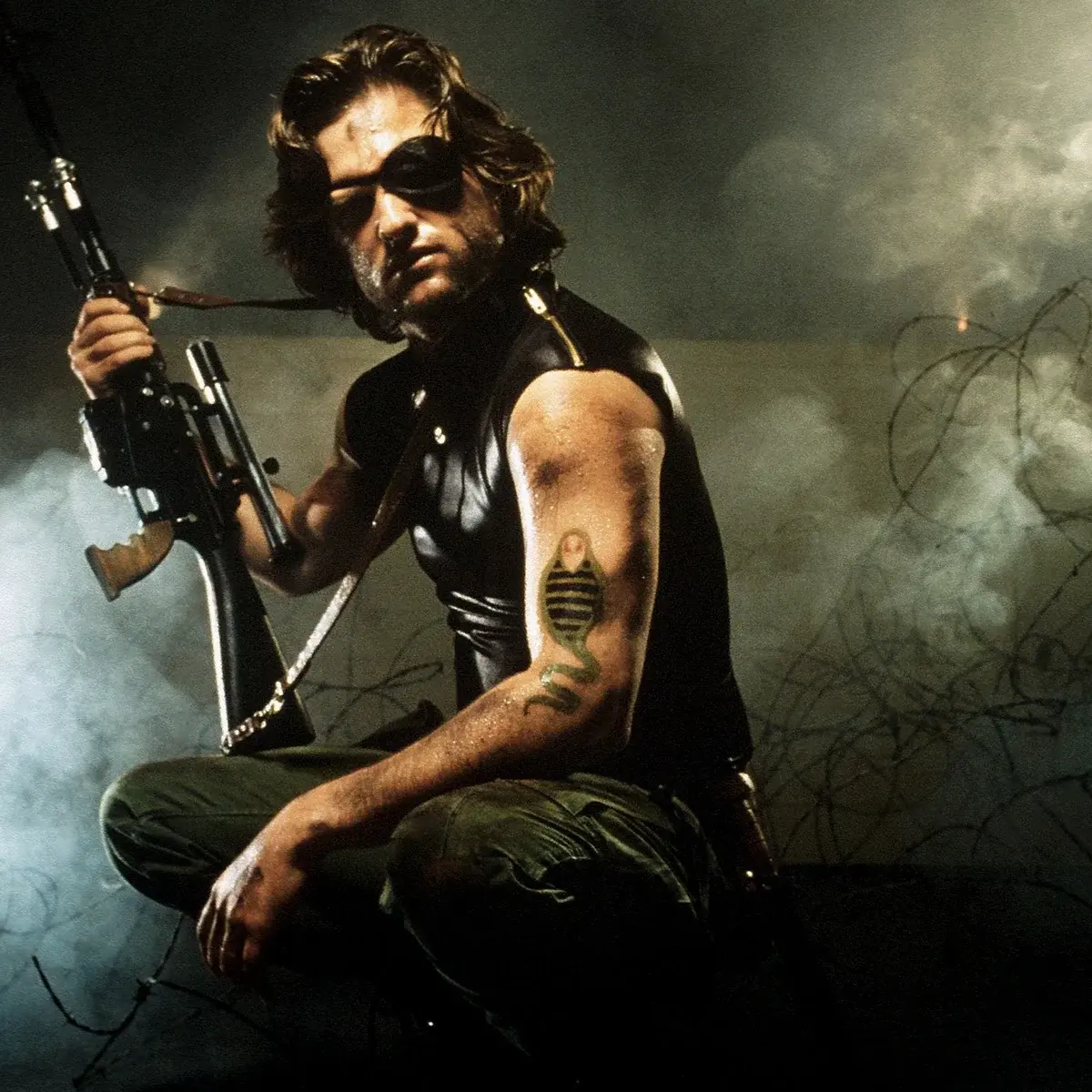
The enduring appeal of Escape from New York lies in the character of Snake Plissken, portrayed by Kurt Russell. The original 1981 film was produced on a budget of approximately $6 million and grossed over $25 million domestically, marking a significant success for Carpenter at the time. Its influence on the action-thriller genre is immeasurable, providing a blueprint for the "one-man army" trope that dominated cinema throughout the 1980s.
For a modern studio, the property represents a high-value asset. The "Snake Plissken" archetype—the cynical, reluctant hero operating within a collapsed social order—remains a staple of modern dystopian fiction. Economically, reviving such a well-known brand allows the studio to capitalize on existing name recognition while potentially launching a new franchise cycle. However, the challenge lies in modernizing the high-concept premise of Manhattan as a maximum-security prison without losing the specific "Carpenter-esque" cynicism that defined the original.
The Question of Kurt Russell’s Involvement
A recurring topic among fans and industry analysts is the potential return of Kurt Russell. While the original films are inextricably linked to his performance, any new project faces the tactical dilemma of whether to recast the role or frame the film as a direct sequel featuring an older Snake Plissken.
From a narrative standpoint, there is precedent for the latter. The "legacy sequel" model has proven successful for other long-running properties, such as the Halloween franchise—which Carpenter also executive produced—and Top Gun: Maverick. Should the studio opt for a direct continuation, it would likely necessitate a script that accounts for the passage of time and the evolution of the character’s legend. While no casting decisions have been announced, the prospect of Russell reprising his role remains the most significant variable in determining audience interest.

Implications for the Future of the Property
The current situation serves as a microcosm of how major film studios manage legacy intellectual property in the current era. By keeping multiple high-profile filmmakers in the loop, StudioCanal is effectively hedging its bets. This "backup" strategy allows the studio to pivot if one creative team’s vision fails to gain traction or if scheduling conflicts arise.
The involvement of John Carpenter as an executive producer provides a degree of legitimacy that is often missing in such revivals. His presence ensures that the "spirit" of the original is at least part of the internal conversation, even if his actual creative control is limited. As the project continues to evolve, the primary hurdle remains the delicate balance of preserving the subversive, anti-establishment tone of the 1981 original while meeting the expectations of a modern blockbuster audience.
Strategic Outlook
Looking ahead, the next phase for the Escape from New York revival will likely involve a definitive selection of a director and the finalization of a script. Whether the studio moves forward with the "practical effects" vision proposed by Snyder or the "new story" concept pitched by Rodriguez, the film will be under intense scrutiny from both critics and the original film’s dedicated fanbase.
The industry will be watching closely to see if the project can transcend the "remake fatigue" that has impacted other recent genre revivals. If the studio manages to capture the same raw energy that propelled the original into the cultural zeitgeist, the new film could prove that the streets of Manhattan—or whatever prison it replaces—still have plenty of stories left to tell. For now, the project remains in the development phase, with the industry waiting on a formal confirmation of the creative path forward.