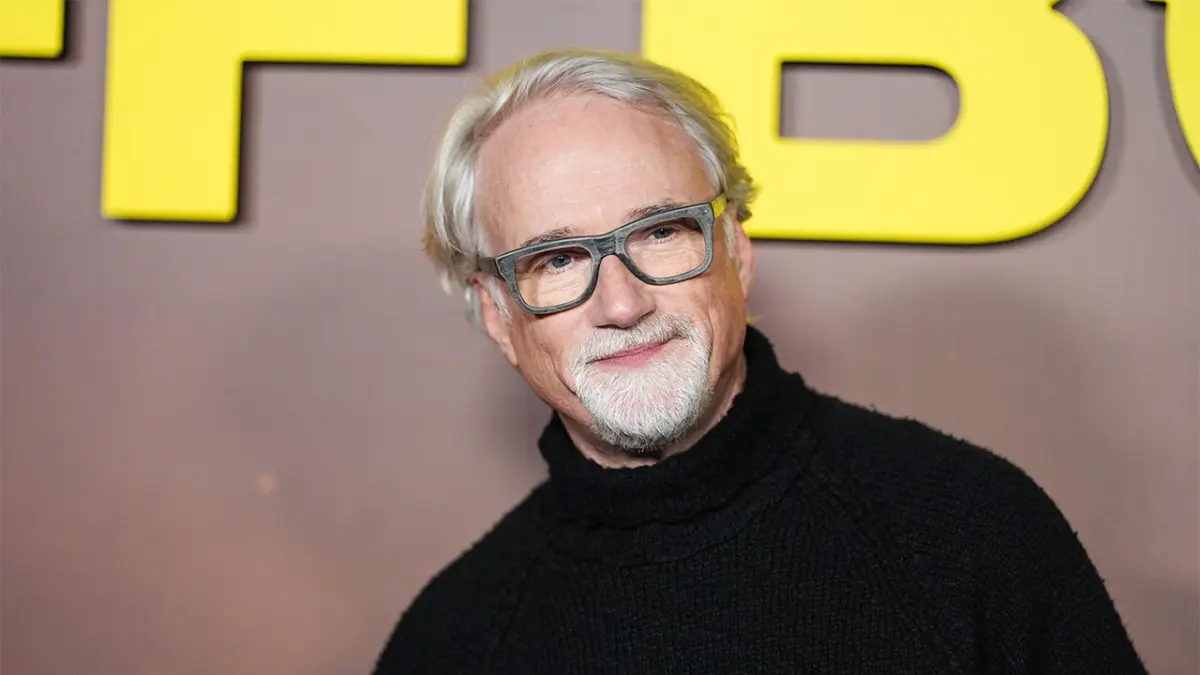
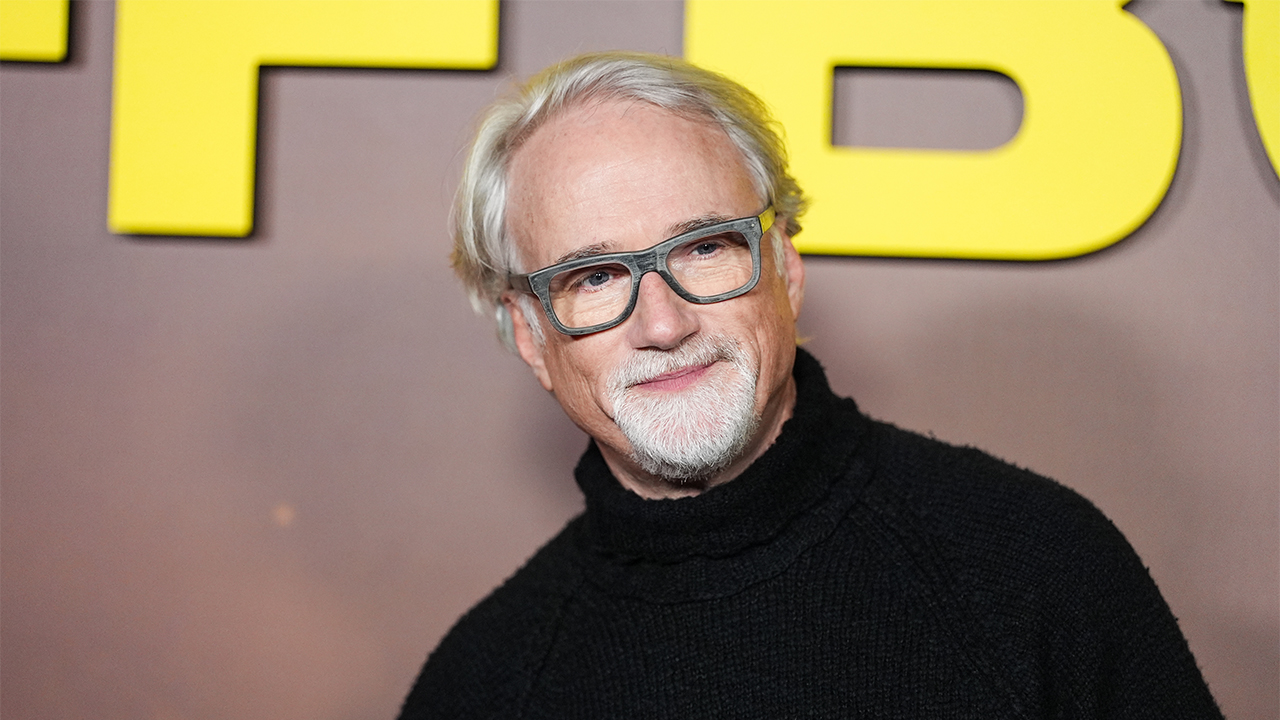
Acclaimed filmmaker David Fincher has officially dispelled persistent industry rumors regarding the purported $200 million price tag of his upcoming Netflix feature, The Further Mis-Adventures of Cliff Booth. Speaking during an extensive 90-minute interview on the Happy Sad Confused podcast, the director clarified that the actual production budget for the movie hovers closer to $120 million, significantly lower than the figures heavily circulated across entertainment media since mid-2025.
The conversation offered rare, granular insights into the collaborative dynamic between Fincher and legendary writer-director Quentin Tarantino, the logistical hurdles of filming period-accurate Los Angeles, and the meticulous post-production timeline that stretched right up to the film’s red-carpet premiere.
Deconstructing the Budget: Separating Fact from Speculation
The narrative surrounding a $200 million budget originated in August 2025 during an appearance by Quentin Tarantino on The Church of Tarantino podcast. At the time, Tarantino remarked that the project would be the largest-budgeted venture associated with his career, estimating costs "in the region of $200 million." The statement immediately caught fire within industry circles, framing the Netflix release as an unprecedented financial gamble for both auteurs.
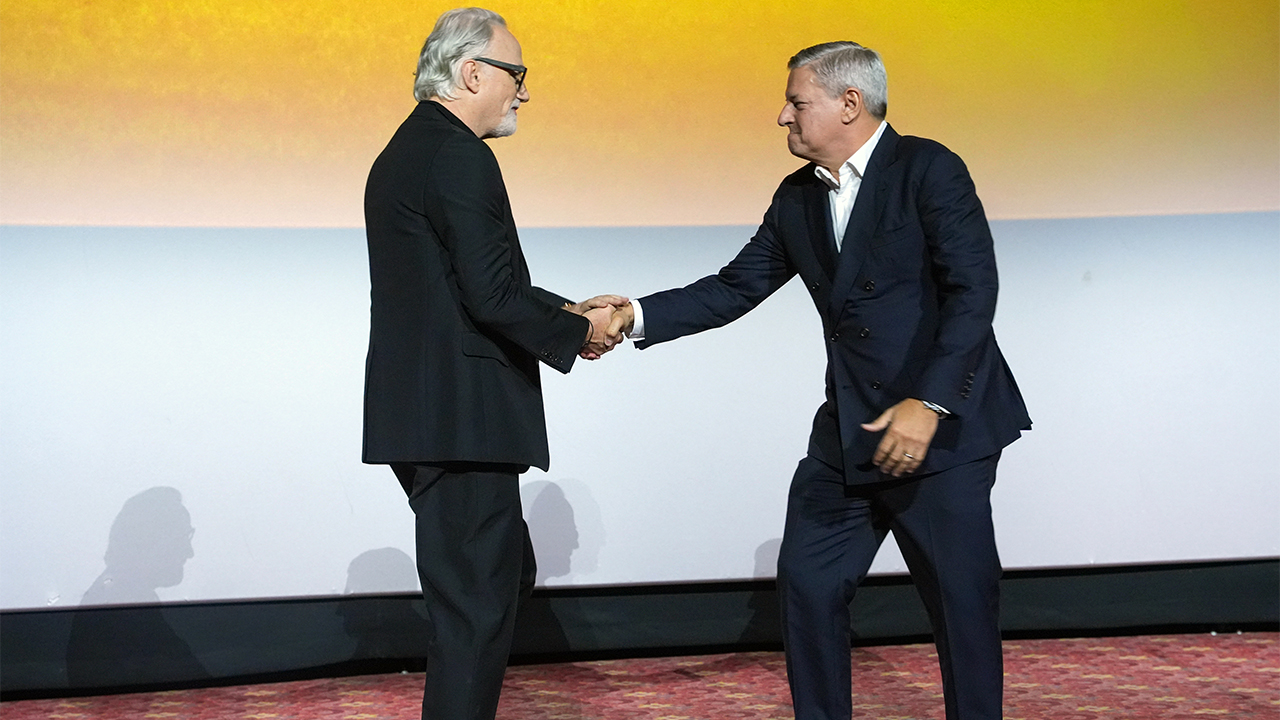
Fincher, however, firmly pushed back against these assertions. According to the director, his initial financial blueprint presented to Netflix Co-CEO Ted Sarandos was modeled directly after the production costs of Tarantino’s Once Upon a Time in Hollywood (2019), which famously operated on a budget estimated between $90 million and $96 million.
Fincher stated that the actual expenditure for The Further Mis-Adventures of Cliff Booth landed between $120 million and $123 million. He attributed the roughly $24 million inflation compared to the 2019 predecessor entirely to the compounding costs of shooting on location in Los Angeles six years later. Emphasizing the operational parity between the two productions, Fincher noted that both films utilized virtually identical shooting schedules and crew sizes.
While Fincher did not explicitly itemize what expenses were included in his $120 million figure, prior industry reporting indicated substantial upfront talent commitments: Brad Pitt reportedly secured a $40 million acting fee, Fincher commanded a $20 million directing fee, and Tarantino received upwards of $20 million for the screenplay. Factoring these prominent figures into the overall financial equation aligns closely with the director’s clarified ledger.
The Genesis of the Project and Tarantino’s Hand-Off
The journey to bringing Cliff Booth back to the screen began long before cameras rolled. Fincher revealed that Brad Pitt had actively discussed a prospective follow-up centered on the charismatic stuntman for nine to ten months before formally asking Fincher to review the script.
Despite his enthusiasm—noting that Cliff Booth was his favorite character from Once Upon a Time in Hollywood—Fincher maintained strict professional etiquette. He refused to open the screenplay until he received explicit permission and blessing from Tarantino.
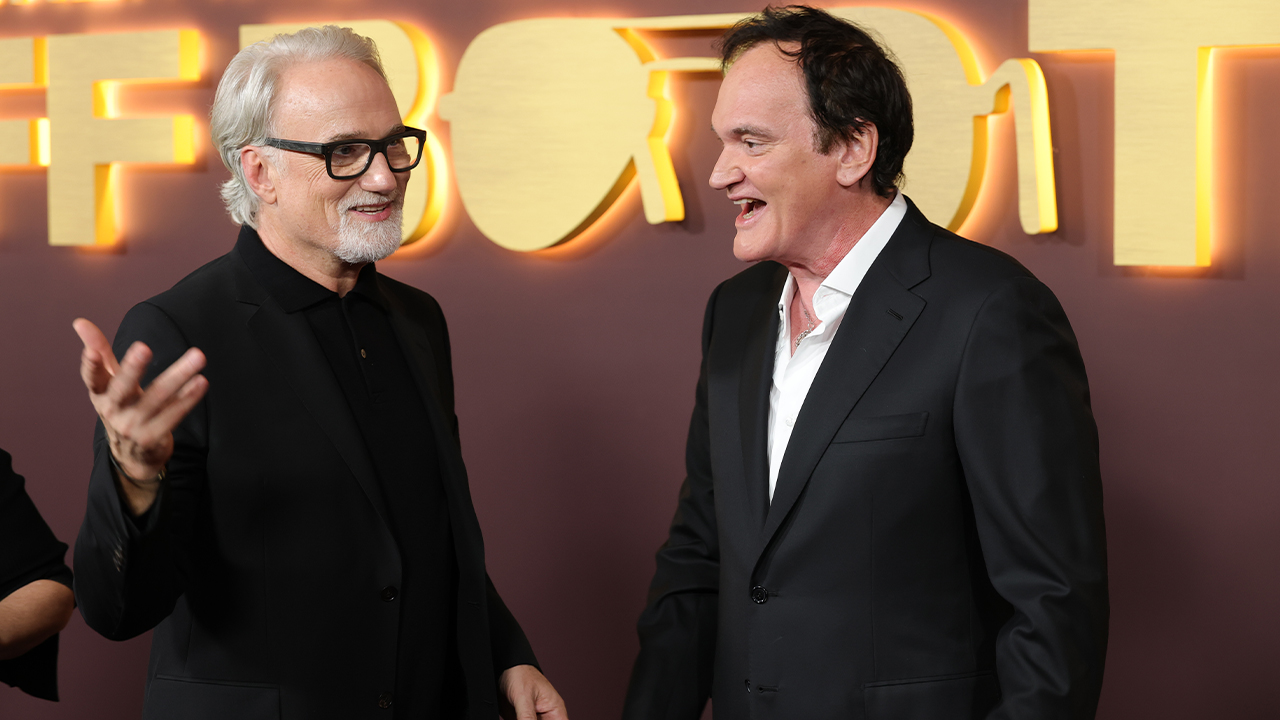
Once greenlit by the original creator, Fincher dove into a massive 230-page script. The sheer volume of material previously fueled industry speculation that the project might be developed as a multi-episode television series rather than a feature film. Fincher praised the opening sequence as one of the finest pieces of writing he had encountered in years, while also highlighting a pivotal, tension-filled balcony scene. Notably, the director was quick to correct interview nomenclature, explicitly stating, "It’s not a sequel, okay?"
The narrative itself is anchored in a precise historical window: approximately nine days after the cultural phenomenon Star Wars premiered on May 25, 1977. This temporal placement allows the production to explore the shifting cultural landscape of late-1970s Hollywood through the eyes of a rugged, aging veteran.
Character Dynamics: Crafting Karen Crosby and Channeling Vietnam Realism
A central focus of Fincher’s interview was the introduction of Karen Crosby, portrayed by Elizabeth Debicki. Described by the director as a towering, uncompromising Australian who acts as a fierce gatekeeper for her elite clientele, Crosby demands a face-to-face meeting with Cliff Booth before granting him access to her principal client.
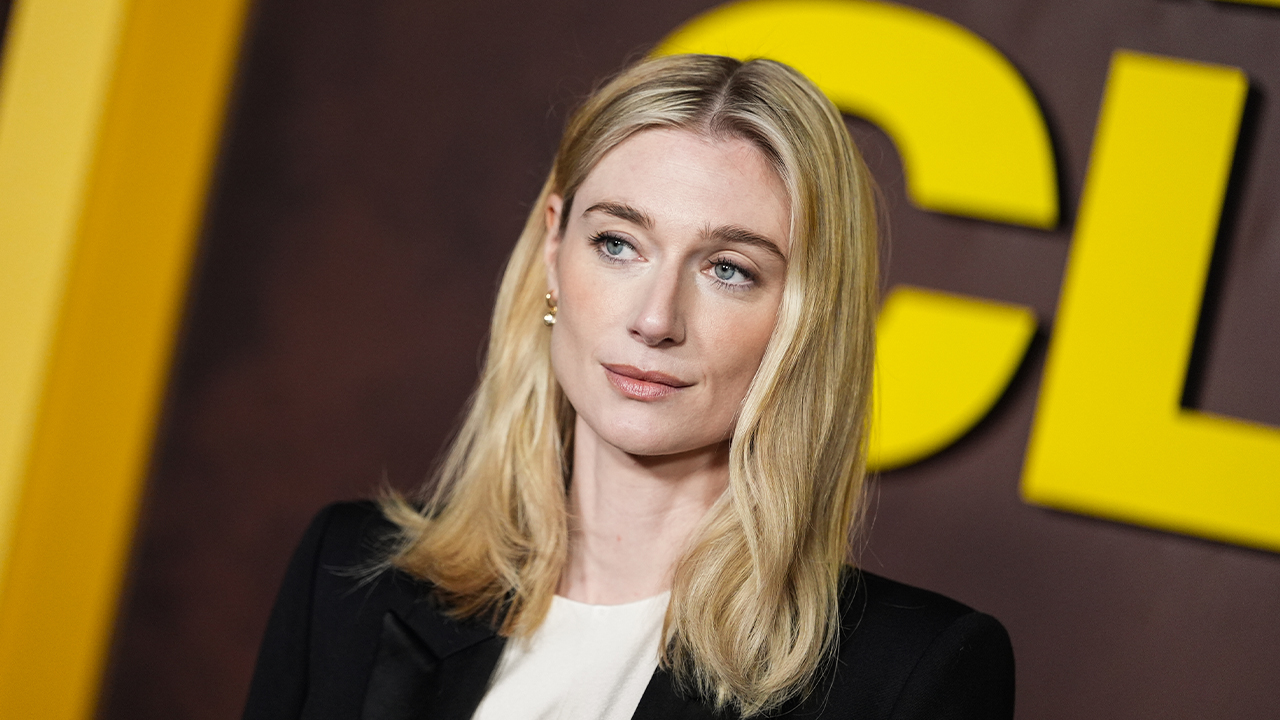
Fincher explained that Crosby’s rigorous due diligence stems from her need to protect her professional standing while evaluating a man dogged by persistent rumors regarding the mysterious death of his wife via spear gun. Fincher expressed fascination with how Crosby deviates from typical Tarantino archetypes; whereas most characters in Tarantino’s cinematic universe possess absolute certainty in their identities, Crosby is depicted as an individual actively trying to navigate and secure her place in the industry.
When conceptualizing Cliff Booth’s persona, Fincher drew heavily from personal nostalgia, comparing the character directly to the Vietnam veteran janitors he encountered during his middle-school years. These figures, characterized by physical intimidation, handlebar mustaches, floral-print Hawaiian shirts, and an unmistakable aura of unpredictability, left a lasting impression.
"There was the guy that you go, ‘Hey, you spilled that paint.’ You could call the janitor. It’s like, ‘I’m not calling that guy. That guy’s fucking crazy,’" Fincher recalled. He credited Brad Pitt with softening this menacing blueprint, imbuing the hardened character with a charming, self-effacing quality that has ultimately mythologized Booth into a distinctly disarming pop-culture icon.
Production Chronology and Post-Production Pressure
The physical production and post-production phases of The Further Mis-Adventures of Cliff Booth pushed right up against the calendar’s absolute limits. Fincher disclosed that the final digital renders for the film were completed only days before his press appearances, specifically noting that the rendering process concluded on the Thursday prior to the interview. The earliest cuts viewed by industry insiders still contained nearly sixteen temporary visual effects shots.
This compressed timeline coincided with intense online discourse surrounding the film’s utilization of artificial intelligence in post-production workflows. While social media aggregators amplified polarizing debates across fan communities, industry analysts have noted that the integration of advanced digital tools remains a standard, albeit sensitive, frontier in high-end studio filmmaking.
Despite the technical complexities and the distinct stylistic philosophies separating Fincher and Tarantino—with Tarantino preferring rapid, day-of-shoot performances reminiscent of theatrical plays, and Fincher favoring meticulous, multi-week assembly of micro-fragments—mutual respect defined the collaboration. Tarantino reportedly checked in during production, expressing awe at Fincher’s deliberate pacing while reviewing rushes of Zodiac-style methodical coverage.
Strategic Release Model and Industry Implications
The distribution strategy for The Further Mis-Adventures of Cliff Booth represents a continuation of Netflix’s calculated hybrid release model for high-profile auteur projects. The film is scheduled for a targeted IMAX theatrical engagement on November 25, designed to capture prestige box-office momentum and critical validation, before making its global streaming debut on Netflix on December 23.
Fincher summarized the overarching tone of the film as a "hamburger movie," characterizing it as an accessible, visceral cinematic experience "meant to get all over you." As the industry evaluates the financial realities behind the production, Fincher’s clarification provides a clearer economic baseline for how major streaming platforms continue to finance high-budget auteur cinema in an evolving theatrical and digital marketplace.