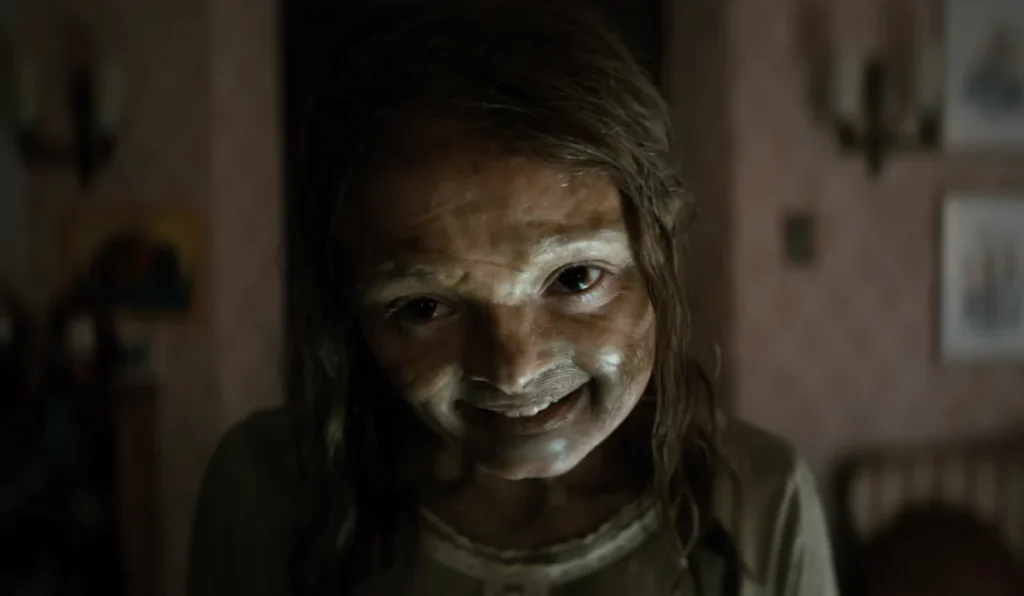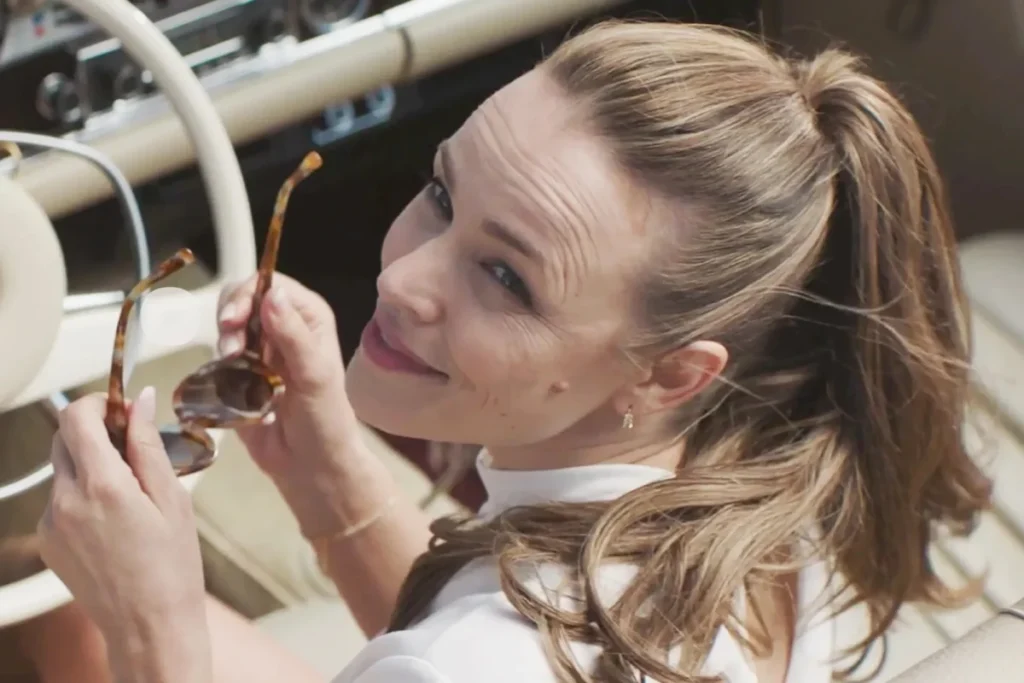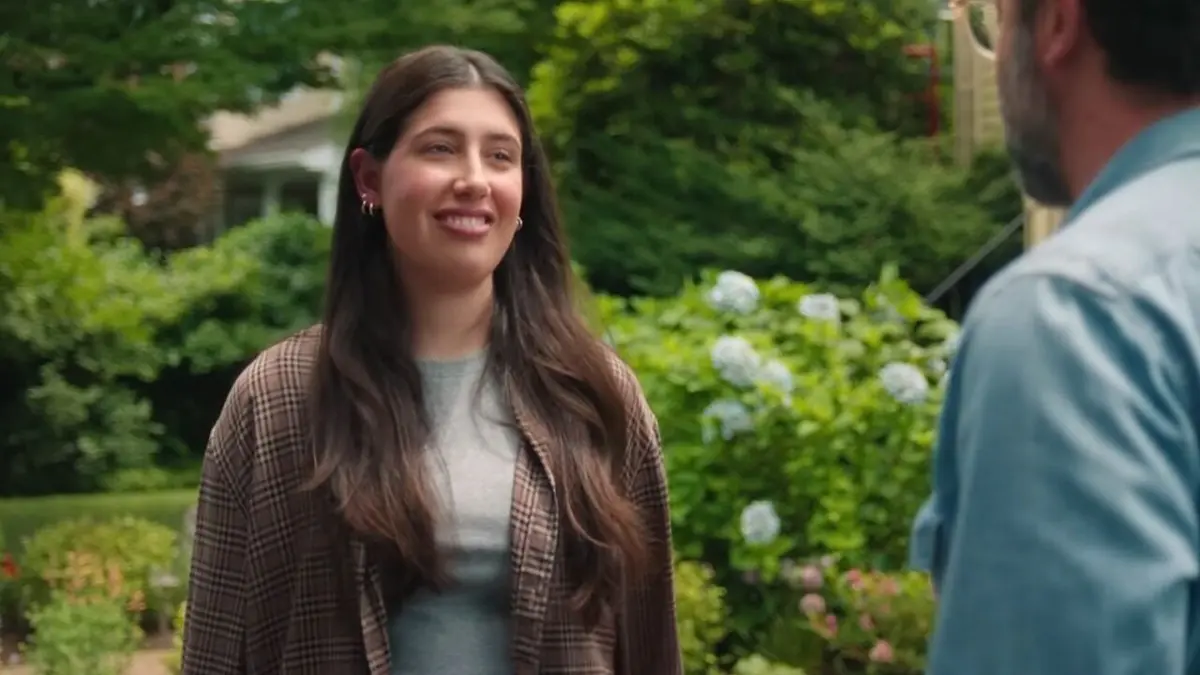
Sadie Sandler, the emerging actress known for her contributions to the Hotel Transylvania franchise and her recurring presence in Happy Madison productions, has officially signed on to headline the upcoming Netflix horror feature titled Malibu. The project, which represents a significant transition for the younger Sandler into the genre-film space, is currently in development under the auspices of Vertigo Entertainment, Room 101, and Happy Madison Productions. Production for the film is slated to commence in early 2027.
The narrative of Malibu follows a young, aspiring actress who finds herself in a precarious situation after accepting a last-minute dog-sitting engagement at the sprawling Malibu estate of a reclusive cinematic icon. As the plot unfolds, the protagonist discovers that the residence holds dark, unforeseen secrets, forcing a confrontation with forces that transcend the mundane responsibilities of her employment. Industry insiders have likened the premise to a modern, high-stakes thriller that blends the atmosphere of classic Hollywood obsession with contemporary psychological horror elements.
Creative Team and Directional Vision
The production will be helmed by director Tod “Kip” Williams, a filmmaker with a substantial background in the horror genre. Williams is perhaps best known for directing the 2010 blockbuster Paranormal Activity 2, a film that redefined the found-footage aesthetic for a mainstream audience and grossed over $145 million domestically against a modest budget. His filmography also includes the adaptation of Stephen King’s Cell, which further cemented his reputation for translating high-tension literary and conceptual concepts into visual media.
Williams is collaborating on the screenplay with writer Tom Pabst, whose resume includes writing credits for the gritty DC superhero series Titans. The partnership between Williams and Pabst is expected to bring a sophisticated, character-driven approach to the horror elements of Malibu, moving away from simple jump-scare tactics toward a more atmospheric, suspense-heavy experience.
Sadie Sandler’s Evolution as a Performer
While Malibu is marketed as Sadie Sandler’s first foray into live-action horror, her professional portfolio is already characterized by a diverse range of roles. Born into a family deeply embedded in the cinematic landscape, she has honed her craft through a series of collaborations with her father, Adam Sandler. Her vocal performance as the character Winnie in the commercially successful Hotel Transylvania animated series—which has collectively grossed over $1.3 billion worldwide—demonstrates her comfort with high-concept storytelling.
Her live-action appearances, including roles in Hubie Halloween and Roommates, have showcased a naturalistic acting style that producers believe is well-suited for the grounded, character-focused horror of the new Netflix project. By headlining Malibu, Sandler is effectively distancing herself from the ensemble comedic roles that have defined her early career, signaling a strategic move toward dramatic and genre-specific lead performances.
Industry Context and Production Background
The film is the result of a collaborative effort between three major production houses: Roy Lee’s Vertigo Entertainment, Steven Schneider’s Room 101, and Happy Madison Productions. Vertigo Entertainment has long been a powerhouse in the genre space, having produced successful thrillers and horror films such as Barbarian and The Strangers. The inclusion of Happy Madison, the production company founded by Adam Sandler, ensures that the project maintains a high production value while leveraging the distribution infrastructure of Netflix, which has become a primary incubator for original horror content over the past decade.

Netflix’s investment in Malibu aligns with its broader strategy of acquiring and producing genre films that cater to a global audience. The streaming giant has consistently found that horror films often generate high engagement metrics and long-term viewership, making them a cornerstone of their original content library. By pairing a recognizable talent like Sadie Sandler with an established genre director like Tod Williams, the studio aims to capture both the demographic interested in youth-oriented thrillers and the dedicated horror fan base.
Anticipated Impact and Thematic Implications
The announcement of Malibu has drawn immediate comparisons to seminal films that explore the intersection of fame, isolation, and the macabre. The premise of a "reclusive movie star’s mansion" serves as a classic trope in horror, frequently used to explore themes of voyeurism, the cost of success, and the decay of the Hollywood dream. By placing the narrative in Malibu—a location synonymous with both luxury and detached celebrity culture—the film positions itself to critique the very industry it represents.
Analysts note that the shift toward "elevated" horror, where the environment acts as an antagonist, has proven successful in recent years. If the script successfully balances the tension of the dog-sitting setup with the deeper, psychological elements implied by the premise, Malibu could serve as a breakout vehicle for Sandler. Furthermore, the film is expected to leverage the aesthetic of the Malibu landscape to heighten the sense of isolation, a technique frequently employed in psychological thrillers to increase audience anxiety.
Timeline and Future Developments
With production scheduled to begin in early 2027, the project is currently in the pre-production phase, which includes casting supporting roles and finalizing the visual design of the titular estate. The timeline suggests that Netflix is looking toward a potential 2028 release window, provided that the production schedule remains on track.
The involvement of industry veterans like Roy Lee and Steven Schneider provides a level of institutional stability that is often required for high-concept horror films. As the project nears its start date, additional announcements regarding the supporting cast are expected to clarify the scale of the production. For the time being, the industry remains focused on how the chemistry between Williams’ directorial vision and Sandler’s lead performance will translate the screenplay into a viable horror product.
Broader Market Context
The horror genre continues to demonstrate remarkable resilience in the streaming era. Data from recent years indicates that horror remains one of the most profitable genres for streaming platforms, frequently appearing in the "Top 10" lists of Netflix globally. The decision to cast a legacy talent like Sadie Sandler in a lead role is a calculated effort to bridge the gap between niche horror enthusiasts and broader, mainstream audiences who follow the Sandler family’s work.
Ultimately, Malibu stands as a case study in how established production houses are pivoting toward a younger generation of leads to revitalize traditional horror sub-genres. As the project moves into the active phase of filming in 2027, the success of the film will likely hinge on the tension between the claustrophobic nature of the mansion setting and the performance of its lead, providing a significant milestone in Sadie Sandler’s burgeoning career. The industry will be watching closely as this collaboration unfolds, marking a potential shift in the trajectory of Netflix’s horror slate for the coming years.