The cinematic landscape of the 2020s has seen a notable resurgence in high-concept, low-budget independent filmmaking, a trend exemplified by the release of the dark comedy thriller Drag. Directed and written by the creative duo of Raviv Ullman and Greg Yagolnitzer, the film serves as a modern exploration of the "bottle movie" subgenre, focusing on a singular, claustrophobic location to drive narrative tension. With a streamlined runtime of 86 minutes, the production prioritizes character-driven conflict and physical comedy over the expansive set pieces common in contemporary blockbuster cinema. Starring Lizzy Caplan, Lucy DeVito, and John Stamos, the film centers on a botched home invasion in upstate New York that escalates into a life-or-death struggle when a physical injury renders one of the perpetrators immobile.
Narrative Overview and Character Dynamics
The plot of Drag follows two sisters with a history of interpersonal friction who attempt to burglarize a remote residence. The narrative structure is intentionally schematic, with characters identified primarily by their roles or archetypes rather than traditional names. Lizzy Caplan portrays the protagonist, identified in the credits as "Fuckup," a woman whose life has been characterized by a series of poor decisions and financial instability. Her sister, played by Lucy DeVito and referred to as "Sister," represents the antithesis of this lifestyle, maintaining a stable family life and a conventional career.
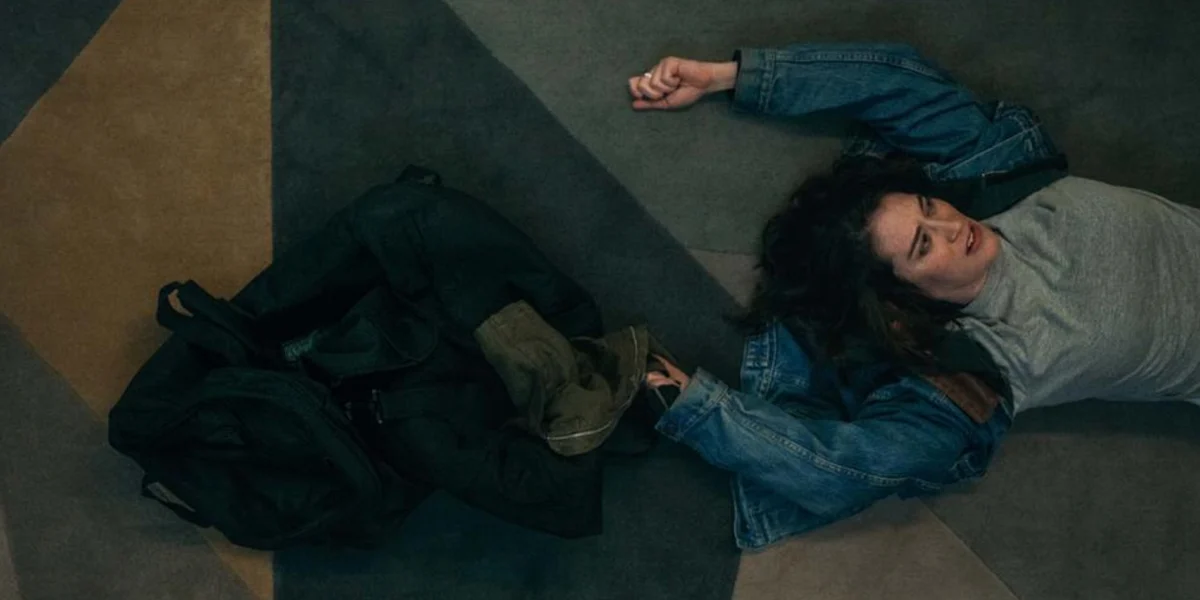
The premise hinges on a singular inciting incident: while attempting to rob the rural home of an eccentric artist, Fuckup suffers a debilitating back injury. The injury, specifically an acute lumbar strain or "thrown-out back," occurs while she is in the master bathroom on the second floor of the house. This physical limitation transforms a standard heist narrative into a grueling, slow-motion escape mission. The sisters must navigate the architectural obstacles of the house while managing their mutual resentment, all while the threat of the homeowner’s return looms over them.
Production Background and Creative Team
Drag marks a significant collaborative effort for Raviv Ullman and Greg Yagolnitzer. Ullman, perhaps best known to audiences for his early career work as a performer, has transitioned into directing and writing, focusing on projects that blend genre elements with intimate character studies. Yagolnitzer, his long-term creative partner, shares the writing and directing credits, suggesting a unified vision for the film’s specific tonal balance of humor and horror.
The film was shot on location in upstate New York, utilizing the regional landscape to emphasize the isolation of the setting. The production design of the house itself serves as a secondary character; the interior is filled with the bizarre artwork and curated oddities of its owner, creating a surreal environment that contrasts with the grounded, visceral pain experienced by the protagonist. The choice to keep the runtime under 90 minutes reflects a growing industry trend toward "lean" storytelling, catering to audiences who favor tight pacing and singular premises.
Chronology of the Heist: A Night of Escalation
The events of the film take place over the course of a single night, following a strict chronological progression that heightens the sense of urgency.
- The Infiltration: The sisters arrive at the remote property under the cover of darkness. Sister acts as the reluctant lookout while Fuckup enters the premises. The motivation is purportedly debt recovery, though the legitimacy of this claim remains ambiguous throughout the first act.
- The Injury: Shortly after entry, a sudden physical mishap occurs in the upstairs bathroom. Fuckup becomes completely immobilized due to severe back spasms.
- The Extraction Attempt: Sister is forced to abandon her post and enter the house to assist. The second act is dominated by the physical struggle of moving an adult human down a flight of stairs and through narrow corridors without the use of their legs.
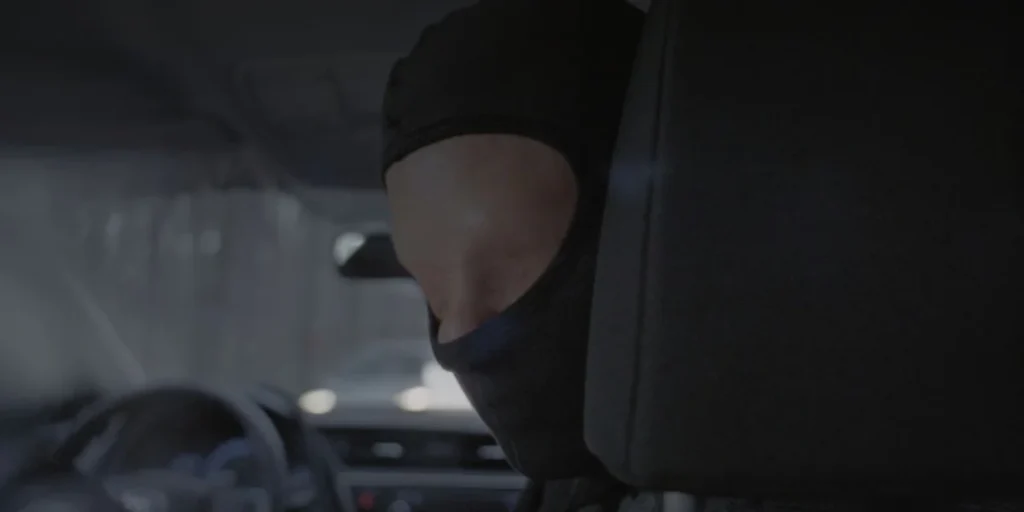
- The Homeowner’s Arrival: The situation shifts from a comedy of errors to a thriller when the homeowner, portrayed by John Stamos, returns earlier than anticipated. He is accompanied by a date, played by Christine Ko.
- The Discovery of Threat: The sisters hide within the house and witness the homeowner’s predatory behavior. It becomes clear that the homeowner has drugged his date, raising the stakes from a simple burglary to a potential rescue mission and a fight for survival.
- The Final Confrontation: The narrative culminates in a high-tension standoff where the sisters must overcome their physical and emotional limitations to escape the house and neutralize the threat posed by the homeowner.
Casting and Performance Analysis
The success of a contained thriller like Drag relies heavily on the caliber of its central performances. Lizzy Caplan’s portrayal of Fuckup has been noted for its physical commitment. Caplan, known for her range in both comedic and dramatic roles, utilizes her body to convey the agonizing reality of a back injury, a feat that requires a balance of slapstick and genuine pathos.
Lucy DeVito provides the necessary foil to Caplan’s kinetic energy. As Sister, she embodies the "straight man" archetype, providing the audience with a grounded perspective on the absurdity of the situation. The chemistry between the two leads is central to the film’s exploration of sibling dynamics, illustrating how shared trauma and long-standing grievances can both hinder and facilitate survival.
John Stamos’s casting as the antagonist represents a departure from his more traditional, charismatic roles. In Drag, Stamos leverages his established public persona to create a character that is outwardly charming but inwardly depraved. His performance as the "Artist" is characterized by erratic shifts in temperament, ranging from flamboyant narcissism to cold-blooded menace. Industry analysts have pointed to this role as a "reinvention" for Stamos, showcasing his ability to handle darker, more complex material.
Technical Execution and Stylistic Choices
Ullman and Yagolnitzer employ several specific filmmaking techniques to enhance the film’s premise. The cinematography utilizes tight framing and low-angle shots to emphasize the protagonist’s proximity to the floor, reflecting her restricted mobility. The editing, particularly during the scenes of physical exertion, is designed to mimic the staccato, painful movements of someone with a spinal injury.
The sound design also plays a critical role. Every creak of the floorboards and every muffled groan from Fuckup is amplified, contributing to the "stealth" aspect of the thriller. As the homeowner returns and begins playing music or moving through the house, the soundscape becomes a source of constant tension, signaling his proximity to the hiding sisters.
Genre Context and Economic Implications
Drag enters a market where "high-concept" indie films are increasingly valuable to streaming platforms and independent distributors. According to data from independent film market reports, films with a single primary location and a small cast (often referred to as "contained thrillers") offer a higher return on investment due to reduced overhead costs. By focusing on a "hook"—the back injury—the film differentiates itself in a crowded marketplace of home invasion movies.
Furthermore, the film’s blend of genres—comedy, heist, and horror—aligns with a shift in audience preferences toward "genre-bending" content. This approach allows the film to appeal to multiple demographics, from fans of Lizzy Caplan’s comedic work to enthusiasts of tense, B-movie thrillers.
Themes of Sisterhood and Moral Ambiguity
Beyond its surface-level premise, Drag examines the complexities of familial loyalty. The film posits that even in the most dysfunctional relationships, there exists an underlying bond that surfaces during crises. The lack of proper names for the sisters serves to universalize their conflict; they are not just specific individuals, but representations of the "responsible" sibling and the "errant" sibling found in many family structures.
The film also touches on moral ambiguity. While the sisters are technically criminals engaged in a robbery, the introduction of John Stamos’s character as a predator shifts the moral compass of the film. The protagonists are forced into a position of accidental heroism, challenging the audience to reconcile their illegal actions with their eventual efforts to save another victim.
Industry Impact and Conclusion
The release of Drag highlights the continued viability of the 86-minute feature in an era where major studio releases often exceed the three-hour mark. It serves as a case study in how a simple, almost anecdotal premise can be expanded into a compelling narrative through strong performances and disciplined direction.
While the film’s pacing has been described by some early viewers as "wobbly" during the transition to the third act, the overall consensus points to a successful execution of a difficult tonal balance. The production demonstrates that the "B-movie" spirit—characterized by ingenuity, limited resources, and a focus on entertainment—remains a vital part of the American film industry. As Drag moves through the festival circuit and toward wider distribution, it stands as a testament to the power of a well-executed "simple twist" in modern storytelling.