The highly anticipated Carrie series, helmed by acclaimed horror maestro Mike Flanagan, is set to make its debut on Amazon Prime Video this Fall, promising a fresh and contemporary interpretation of Stephen King’s iconic 1974 novel. Co-star Heather Graham, who has had the opportunity to view the initial episodes, shared her enthusiastic endorsement, highlighting the series’ innovative approach to integrating modern societal issues into the timeless narrative of Carrie White.
"I have seen the first three episodes, and they’re great," Graham stated in a recent interview with Collider. "They bring in an aspect of social media bullying and guns in school, so they try to modernize it, and I do feel like he captures the essence of what makes Carrie great." This revelation signals a significant departure from previous adaptations, aiming to resonate with a contemporary audience by addressing issues that are acutely relevant to today’s youth and society at large.
A Timeless Story, Reimagined for the Digital Age
Stephen King’s Carrie has long been a cornerstone of horror literature, resonating with readers through its exploration of adolescent alienation, religious extremism, and the terrifying consequences of unchecked rage. The story of Carrie White, a socially ostracized high school student with telekinetic powers, has been adapted multiple times, most notably in Brian De Palma’s seminal 1976 film starring Sissy Spacek and Kimberly Peirce’s 2013 remake with Chloë Grace Moretz. However, Flanagan’s vision appears poised to inject a new layer of urgency by confronting the pervasive influence of social media and the grim reality of school violence, issues that were nascent or non-existent in the era of King’s original publication.
The decision to weave social media bullying into the fabric of the narrative is particularly impactful. In the 21st century, online harassment has become a significant factor in the lives of teenagers, often exacerbating feelings of isolation and despair. By incorporating this element, Flanagan’s Carrie can tap into a deeply relatable source of torment, potentially amplifying the psychological impact of Carrie’s experiences. The inclusion of school shootings, a tragic reality that has cast a long shadow over contemporary society, further underscores the series’ commitment to modern relevance and its willingness to tackle sensitive subjects head-on.
The Narrative Arc and Key Cast Members
The eight-episode series will star Summer H. Howell as the titular Carrie White. Howell’s portrayal is expected to capture the vulnerability and burgeoning power of a high school misfit who has been raised in seclusion by her domineering, fanatically religious mother. The death of her father serves as a catalyst, forcing Carrie into the unforgiving environment of public high school. Here, she must navigate not only the typical social hierarchies and the emergence of her telekinetic abilities but also a scandal that rocks her community.
Supporting Howell in this ensemble cast are Samantha Sloyan, Siena Agudong, Alison Thornton, Thalia Dudek, Josie Totah, Arthur Conti, Joel Oulette, Amber Midthunder, and Matthew Lillard. The inclusion of Lillard, known for his iconic role as Stu Macher in Scream, adds a significant presence to the series, though his specific role has not yet been detailed.
Furthermore, a robust roster of recurring guest stars is set to enhance the production. This includes Kate Siegel, Michael Trucco, Katee Sackhoff, Rahul Kohli, Crystal Balint, Danielle Klaudt, Tim Bagley, Tahmoh Penikett, Mapuana Makia, Naika Toussaint, Delainey Hayles, Cassandra Naud, and Rowan Danielle. The presence of such a varied and talented group suggests a rich tapestry of characters and interpersonal dynamics that will surround Carrie’s central struggle.
Mike Flanagan’s Track Record in Horror
Mike Flanagan has established himself as a leading voice in contemporary horror, with a reputation for crafting character-driven, emotionally resonant, and critically acclaimed projects. His previous works, such as The Haunting of Hill House, The Haunting of Bly Manor, Midnight Mass, and The Fall of the House of Usher, have consistently pushed the boundaries of the genre, blending supernatural elements with profound explorations of grief, trauma, and the human condition. Flanagan’s involvement as writer, showrunner, and director of select episodes for Carrie signals a strong creative vision and a deep understanding of the source material.
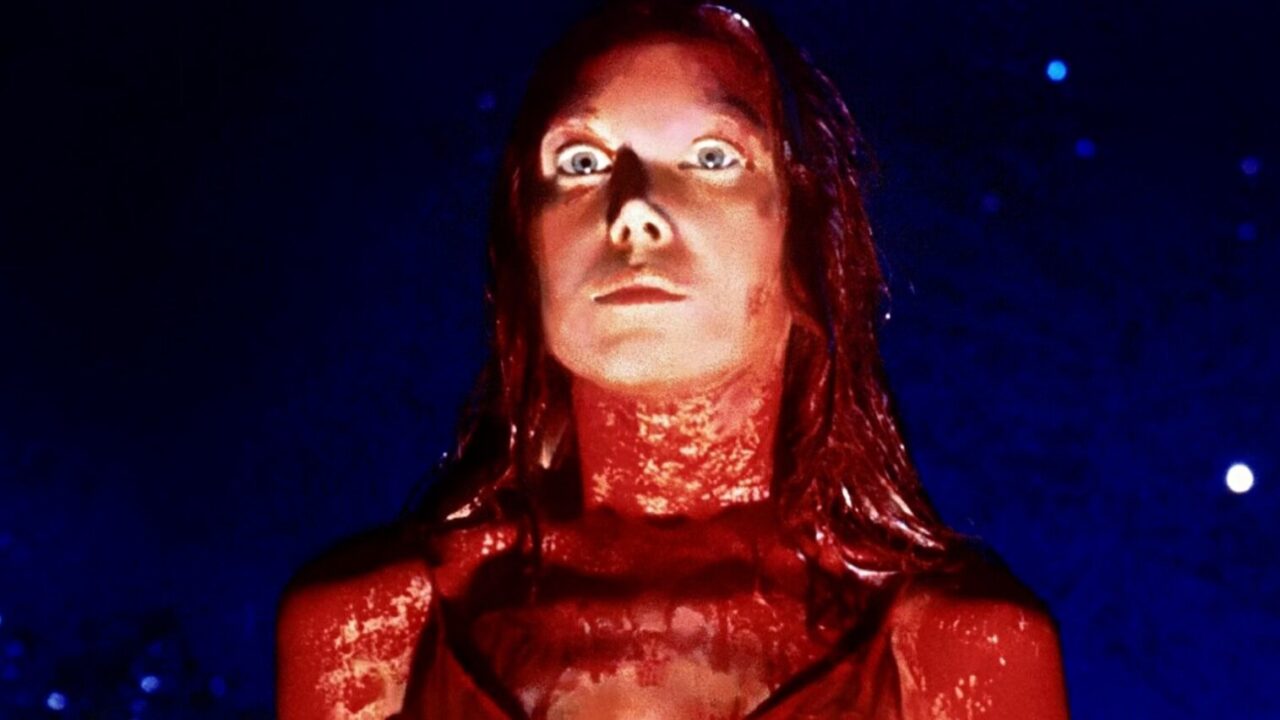
His approach often involves deconstructing horror tropes and using them to examine deeper psychological and societal issues. This is a style that has garnered him a dedicated following and critical praise, making his take on Carrie a highly anticipated event for fans of both classic horror and sophisticated storytelling. Amazon MGM Studios is producing the series, further solidifying its potential for high production values and broad distribution.
The Evolution of Carrie Adaptations
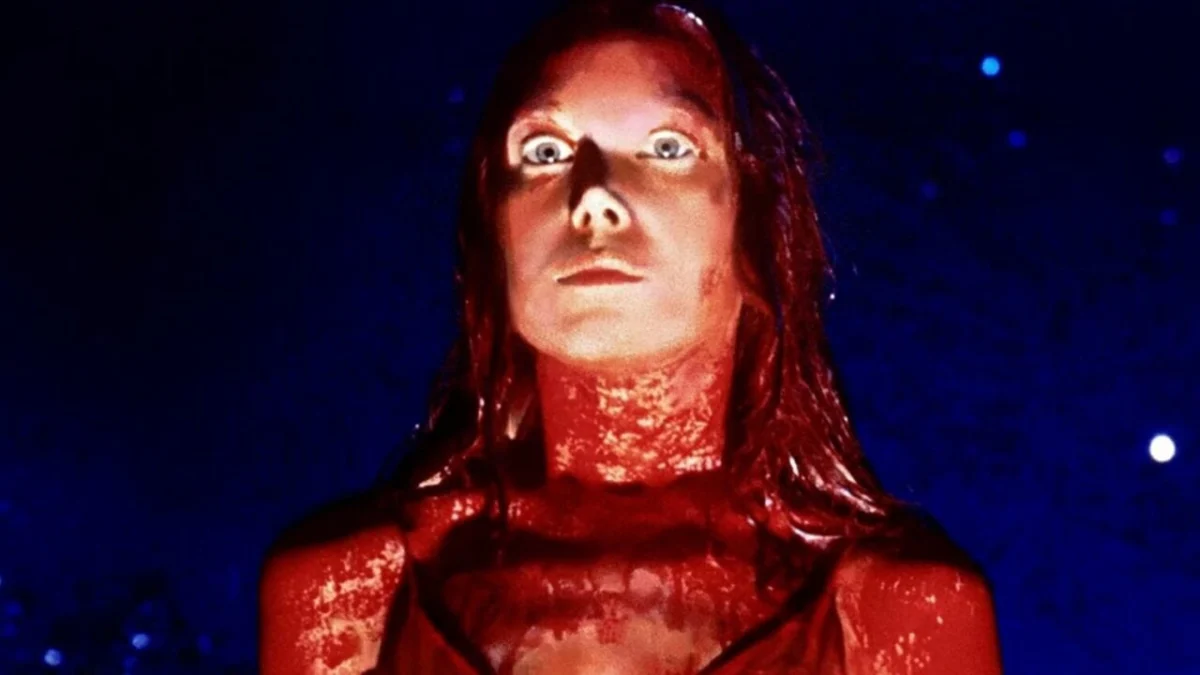
The journey of Stephen King’s Carrie to the screen is a significant one. The 1976 film adaptation, directed by Brian De Palma and starring Sissy Spacek, is widely considered a masterpiece of the genre. It earned Spacek an Academy Award nomination for Best Actress and cemented Carrie as a cultural touchstone. The film’s iconic prom scene remains one of the most memorable and terrifying sequences in cinematic history.
A less successful sequel, The Rage: Carrie 2, was released in 1999, followed by a television film adaptation in 2002. The 2013 remake, while featuring a strong performance from Chloë Grace Moretz, did not achieve the same critical or commercial success as the original. Flanagan’s series represents the latest attempt to revisit and reinterpret this enduring story, and the emphasis on modernizing its themes suggests a desire to find new resonance and relevance for a new generation.
Potential Implications and Broader Impact
The decision to incorporate themes of social media bullying and school violence into the Carrie narrative carries significant implications. It positions the series not merely as a horror story but as a commentary on contemporary societal anxieties.
Social Media Bullying: The digital landscape has created new avenues for torment and harassment, often with devastating consequences. By integrating this into Carrie’s story, the series can explore how online cruelty can amplify the isolation and suffering of vulnerable individuals, mirroring the offline bullying Carrie endured in the original novel. This could lead to a more nuanced understanding of the psychological toll of cyberbullying and its potential to push individuals to their breaking point.
School Violence: The tragic reality of school shootings has become an undeniable aspect of modern life. While the original Carrie dealt with the explosive consequences of pent-up rage, a modern adaptation might explore the societal factors that contribute to such violence, or the fear and trauma it instills. This is a sensitive topic, and how Flanagan handles it will be crucial to the series’ reception. It raises questions about whether the series will offer a cathartic release, a cautionary tale, or a critical examination of societal failures.
Queer Horror and Representation: While not explicitly stated in the provided text, the inclusion of actors like Josie Totah, who is transgender, and the potential for exploring themes of otherness and societal rejection, could position Carrie within the growing landscape of queer horror. Many critics and audiences have embraced horror as a genre that allows for the exploration of marginalized identities and experiences, providing a space for characters who are often ostracized by mainstream society to find agency and power, even if through terrifying means. This potential subtext could add another layer of depth and relevance to Flanagan’s adaptation.
Audience Engagement: The combination of Flanagan’s established fanbase, the enduring legacy of Stephen King’s work, and the timely thematic elements is likely to generate significant audience interest. The series has the potential to spark conversations about bullying, mental health, and the pressures faced by young people in the digital age, further cementing its place in the cultural discourse beyond its genre classification.
As the Fall release date approaches, anticipation for Mike Flanagan’s Carrie series continues to build. With its promise of a modern, socially conscious retelling of a beloved classic, it is poised to be a significant addition to the landscape of contemporary horror television, offering both thrills and thought-provoking commentary.