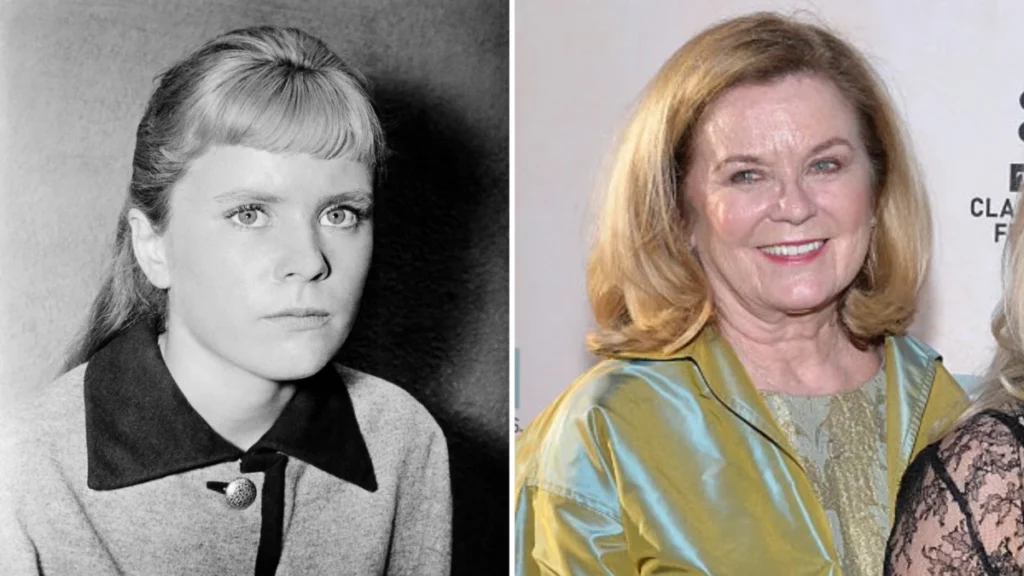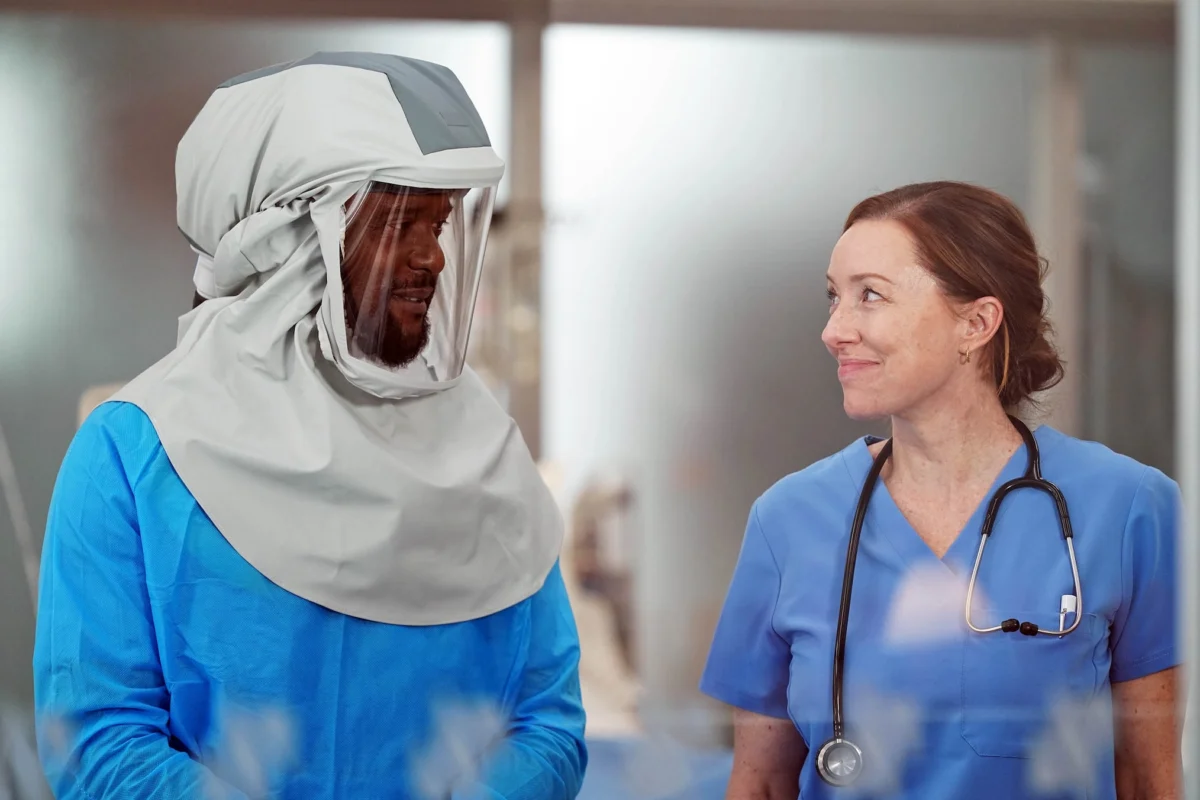
The Season 2 finale of Fox’s medical drama Doc concluded with a high-stakes two-hour event that fundamentally reshaped the landscape of Westside Hospital. Titled with the gravity of a series-altering milestone, the finale centered on a hospital-wide lockdown triggered by a lethal strain of hemorrhagic fever. The episode served as both a harrowing medical procedural and a pivotal narrative junction, resulting in the permanent departure of a central character, the introduction of a new series regular, and a complex romantic revelation that threatens to upend the life of Dr. Amy Elias (Molly Parker). As the series prepares for its third season, the fallout from these events suggests a shift in focus from internal medicine toward a more integrated surgical and residency-based format.
Chronology of the Westside Hospital Lockdown
The crisis began when a patient presented with symptoms of a virulent hemorrhagic fever, a condition characterized by high fever and internal bleeding, often associated with high mortality rates. Upon the patient’s death, the hospital administration immediately enacted lockdown protocols to prevent a community outbreak. This containment strategy isolated the primary cast within the facility, forcing them to confront both medical limitations and personal frictions under extreme duress.
The medical narrative intensified when several staff members, including Dr. Amy Elias and Dr. Richard Evans (Scott Wolf), were confirmed to be infected. The transmission to Amy occurred via an accidental needle stick while she was providing emergency care to Richard, a plot point that highlighted the inherent risks faced by frontline healthcare workers during infectious disease outbreaks. Nurses Liz (Conni Miu) and Lucy (Paulyne Wei) were also among the infected, further depleting the hospital’s available workforce.
The resolution of the medical crisis hinged on a multi-pronged approach involving experimental antivirals and antibody research. Gina (Amirah Vann) was discovered to possess a natural resistance to the strain, allowing the team to study her antibodies alongside Richard’s response to treatment. While the team successfully replicated a limited number of doses of an antiviral agent, the treatment carried severe side effects, specifically significant liver damage for Richard. This forced the medical team to pivot toward secondary treatments to stabilize the recovering patients, eventually leading to the lifting of the lockdown and the stabilization of the infected staff.
The Death of Dr. Joan Sullivan and the Legacy of Sacrifice
The most significant emotional beat of the finale was the death of Dr. Joan Sullivan, portrayed by Academy Award nominee Felicity Huffman. Joan’s arc in Season 2 concluded with a display of professional dedication; despite her declining health, she assisted in a critical surgery for Amy, utilizing the final remnants of her physical strength to ensure her colleague’s survival.
In a departure from standard television tropes, Joan’s actual passing occurred offscreen. The finale’s concluding moments depicted her in hospice care, surrounded by her family. Executive Producer Barbie Kligman noted that this creative decision was intended to afford the character "strength and dignity," focusing on the peace of her final moments rather than the clinical reality of death. Joan’s death marks the end of a one-season arc designed to provide a "tremendous impact" on Amy’s personal growth.
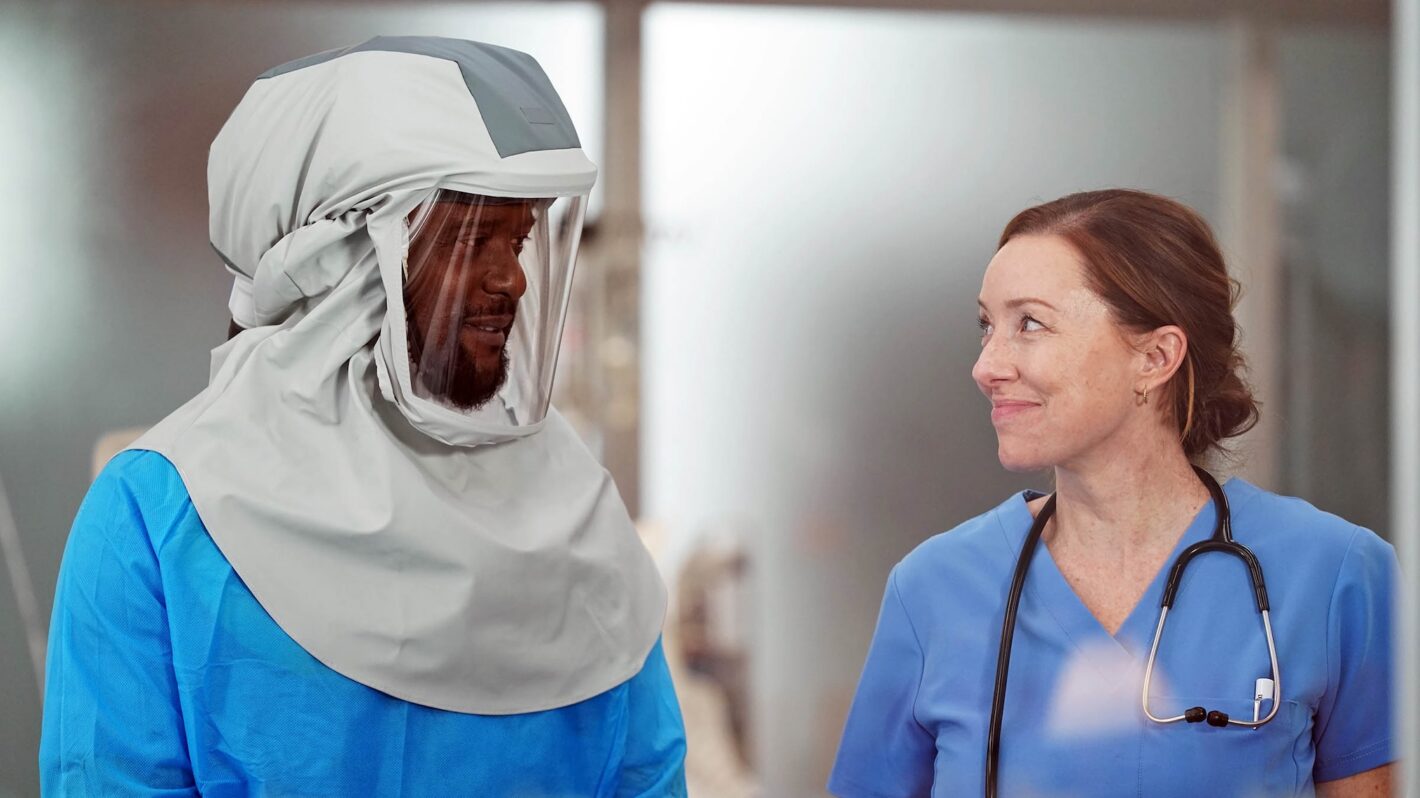
Joan’s final advice to Amy—emphasizing that she has "plenty more to give"—is expected to be the primary catalyst for Amy’s character development in Season 3. Having spent much of the series attempting to reclaim lost memories and living in the shadow of her past, Amy appears poised to embrace a "third chance" at life, focusing on forward momentum rather than retrospective longing.
Romantic Entanglements and the 2022 Revelation
The finale significantly complicated the romantic life of Dr. Elias. Her relationship with Jake (Jon Ecker) reached a state of profound uncertainty. The presence of Jake’s ex-partner, Rachel (Samantha Massell), during the lockdown exposed unresolved feelings that Amy found impossible to ignore. Simultaneously, Amy definitively closed the door on a reconciliation with Michael (Omar Metwally), acknowledging that returning to their previous dynamic would likely result in repeating past mistakes.
The narrative’s most significant "cliffhanger" arrived with the introduction of Dr. Ben Grant, played by Blair Underwood. A trauma and cardiothoracic surgeon, Ben arrived at the hospital as a concerned relative of an infected patient but quickly integrated into the surgical response. The final moments of the episode revealed a hidden history: a video from 2022 showed Amy wishing Ben a happy birthday, indicating they were involved in a significant romantic relationship during the period of Amy’s life she no longer remembers.
This revelation introduces a unique dynamic for Season 3. Unlike her previous relationships, where the history was either known or completely erased, Ben represents a "blind spot" in Amy’s memory. The fact that Ben possesses full knowledge of their past while Amy remains in the dark creates an immediate power imbalance and a fertile ground for conflict as they begin working together as colleagues.
Supporting Data and Production Context
The series Doc is an American adaptation of the highly successful Italian medical drama Nelle tue mani, which itself was inspired by the true story of Dr. Pierdante Piccioni. The show’s focus on a high-ranking physician navigating amnesia while maintaining their medical brilliance has been a staple of the procedural genre, but the Season 2 finale indicates a desire to broaden the show’s scope.
Industry analysts note that medical procedurals often utilize "event finales" involving outbreaks or lockdowns to reset character dynamics and introduce new cast members. The addition of Blair Underwood as a series regular is a strategic move to bolster the show’s veteran star power following the exit of Huffman. Underwood, a two-time Golden Globe nominee known for his work in L.A. Law and In Treatment, brings a seasoned presence to the surgical wing of Westside Hospital.
Furthermore, the show’s transition to a "co-chief resident" model for Season 3 mirrors real-world hospital structures where administrative and clinical duties are shared. This shift allows the narrative to explore leadership challenges and the mentorship of a new "crop of interns," ensuring the longevity of the series by introducing younger characters and fresh medical cases.
Implications for Season 3 and Official Responses
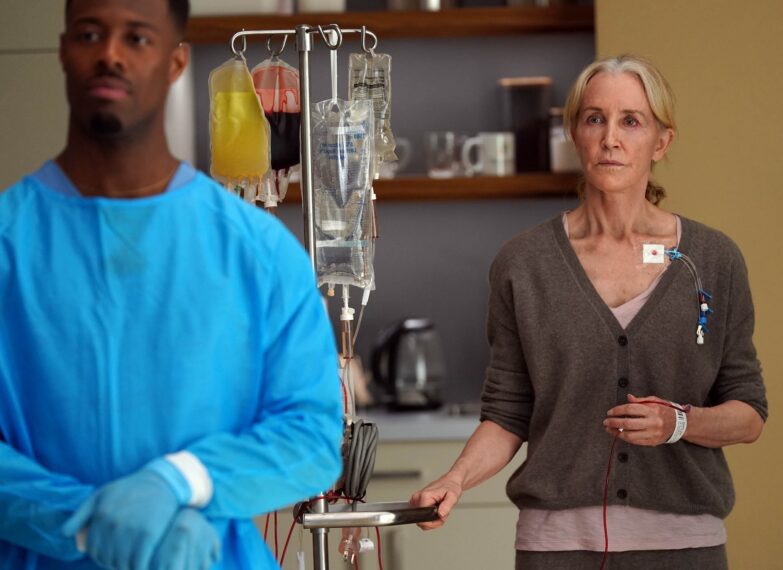
Executive Producer Barbie Kligman has confirmed several key directions for the upcoming third season. While Felicity Huffman’s Joan has passed away, the show’s use of "memory flashes" and flashbacks leaves the door open for guest appearances, a technique the series has used effectively to bridge the gap between Amy’s past and present.
Key developments anticipated for Season 3 include:
- Surgical Expansion: With Ben Grant joining the staff and TJ (Patrick Walker) transitioning into a surgical internship, the series will move beyond internal medicine to include more high-stakes operating room sequences.
- Leadership Dynamics: Amy and Sonya (Anya Banerjee) will navigate their new roles as co-chief residents, a move that will test their friendship and professional synergy.
- The Adoption Arc: Gina’s interaction with a young patient named Walter has sparked a desire for motherhood, a decision that conflicts with her previous stances and will likely create tension in her relationship with Wendy.
- Michael’s New Path: Michael is expected to move into a more "hands-on" patient care role, potentially working under Amy or Jake, which creates a reversal of the traditional hierarchy.
Regarding the return of Scott Wolf as Richard Evans, Kligman remained cryptic, citing his future as a "cliffhanger." However, she emphasized that the production team "loves Richard," suggesting that while the character’s health and career are in jeopardy following the fever, his story may not be entirely concluded.
Broader Impact on the Medical Drama Genre
The Season 2 finale of Doc reinforces the enduring appeal of the medical procedural by blending high-stakes crisis management with deep character study. By addressing the psychological toll of amnesia and the ethical complexities of experimental treatments, the show distinguishes itself from more traditional "case-of-the-week" programs.
The move toward Season 3 suggests a theme of "intentionality." Amy Elias is no longer a victim of her circumstances or her lost memory; she is a physician making a conscious choice to "move forward." This thematic shift, combined with the arrival of a major new antagonist/love interest in Ben Grant, positions Doc to explore new territory in the crowded landscape of network television. As Westside Hospital reopens its doors following the lockdown, the internal changes among its staff appear far more permanent than the temporary biological threat they overcame.