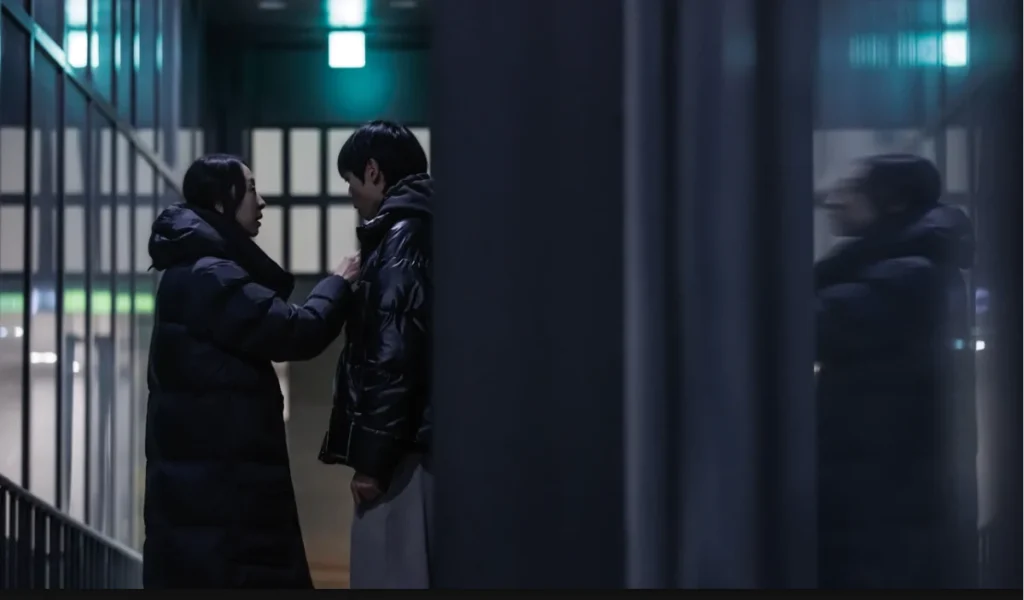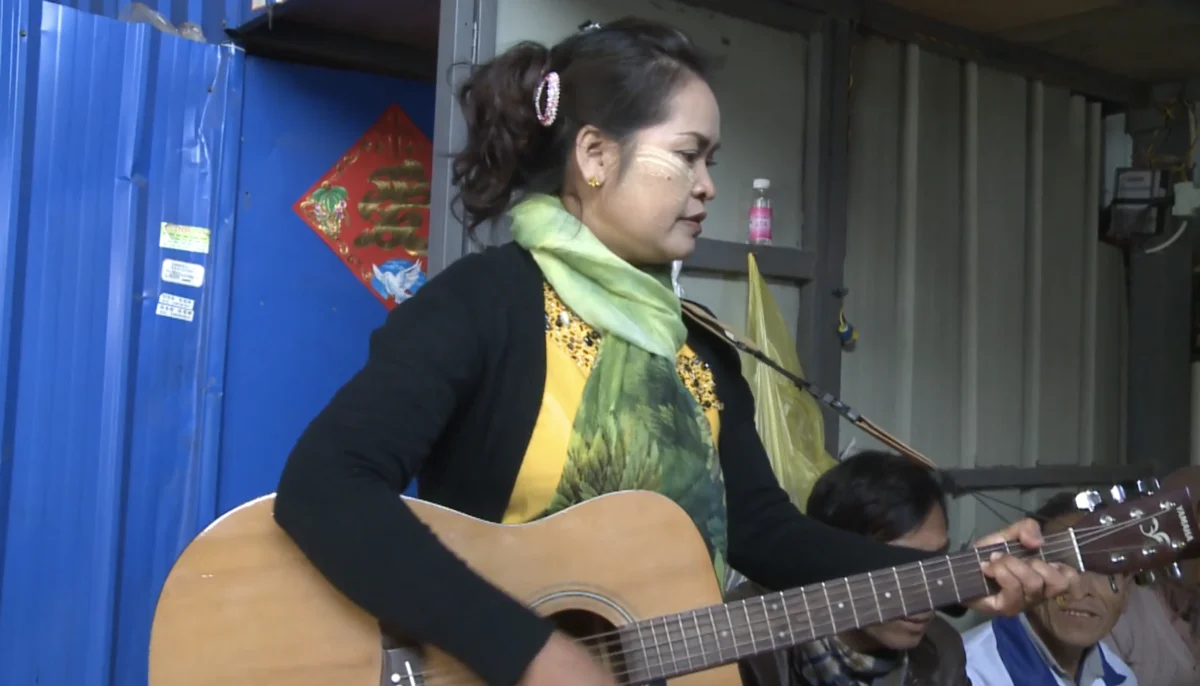
"Myanmar Bride" (Miandian xinniang in Chinese, meaning the same) is a 65-minute ethnographic documentary released in 2016. Helmed by journalist and filmmaker Huang Shudan, born in 1991 in Yichang, Hubei Province, the film meticulously examines a prevalent phenomenon along the border separating the People’s Republic of China and Myanmar: cross-border marriages between Chinese men and Burmese women. The documentary offers a vital counter-narrative to often simplistic portrayals of these unions, delving into the nuanced realities of individuals navigating cultural, economic, and political landscapes.
The Context of Cross-Border Marriages on the Sino-Myanmar Border
The border region between China and Myanmar is a vibrant, complex tapestry of shared ethnicities, ancient trade routes, and stark economic disparities. The marriages explored in "Myanmar Bride" are not primarily between Han Chinese men and Burmese women, but rather involve men from various ethnic minority groups residing in southwestern China. Specifically, the film focuses on three prefectures in Yunnan Province—Mangshi, Dehong Dai, and Jingpo—home to no fewer than five distinct ethnic minorities: the Dai, Jingpo, De’ang, Achang, and Lisu. These communities often share deep historical, linguistic, and cultural ties with their counterparts across the border in Myanmar, where the same ethnic groups reside. This shared heritage significantly lowers the social and cultural barriers to cross-border unions, despite the existence of a national boundary.
The economic chasm between China, the world’s second-largest economy, and Myanmar, one of the poorest nations globally, is a significant driver in these marital patterns. While the immediate difference might be less stark in the predominantly rural and agricultural border areas, the broader economic opportunities and social infrastructure in China, such as the school system, present a powerful draw. This economic differential creates a pull factor for women from Myanmar seeking improved living conditions and stability, and a push factor for Chinese men in rural border areas who may struggle to find local brides due to internal migration patterns and gender imbalances.
Minority Policies and Their Implications
Minority policy in China is a delicate and often scrutinized issue. Officially, Beijing promotes a narrative of extreme tolerance and support for its ethnic groups, emphasizing the preservation of their language, culture, and a degree of autonomy. However, neutral observers frequently express skepticism regarding the practical implementation and true efficacy of these policies, often citing concerns about assimilation pressures and restricted freedoms. The integration of foreign spouses, particularly those from culturally proximate but politically distinct nations like Myanmar, adds another layer of complexity to this already sensitive framework. The film subtly touches upon how these cross-border marriages intersect with, and are perhaps influenced by, the broader dynamics of minority life within China.
Filmmaker’s Journey and Investigative Approach
Huang Shudan’s journey to create "Myanmar Bride" began with a troubling awareness gleaned from media reports detailing human trafficking, forced sales of women, and forced marriages along the China-Myanmar border. These reports highlighted a significant humanitarian crisis, prompting her to delve deeper into the lives of women involved in these cross-border unions. Her initial investigations involved conversations with several young women, ultimately leading her to focus on three distinct individuals: Ma Azhen, Ma Yong, and Lang Han’ai. All three women are from Myanmar and are married in China, yet their stories diverge dramatically, offering a multifaceted perspective that challenges prevailing stereotypes.
To capture their experiences authentically, Huang Shudan adopted an immersive ethnographic approach, living for three months in the vicinity of her protagonists. This period allowed her to build trust and observe their daily lives, capturing their interactions, struggles, and triumphs with a rare intimacy. The documentary stands out for its commitment to presenting the women’s narratives from their own perspectives, eschewing sensationalism in favor of genuine human stories.
Challenging Narratives: The Protagonists’ Stories
A crucial revelation from Huang Shudan’s extensive fieldwork is that, contrary to the sensational media reports that initially drew her attention, none of the three primary protagonists in her film were sold or forced into marriage. Instead, they met their husbands through what are described as "traditional" means, emphasizing agency and choice in their marital decisions.
Ma Azhen, the youngest and arguably the most "modern" of the three, is married to a young farmer. Together, they cultivate sugarcane and other crops. Her segment addresses the topic of "bride-buying" rather jokingly, as the couple essentially marries live on camera. This casual approach hints at the complex interplay between traditional customs, economic realities, and individual agency in forming unions. It suggests that while economic considerations may play a role, the relationships themselves are built on personal connection rather than coercion.
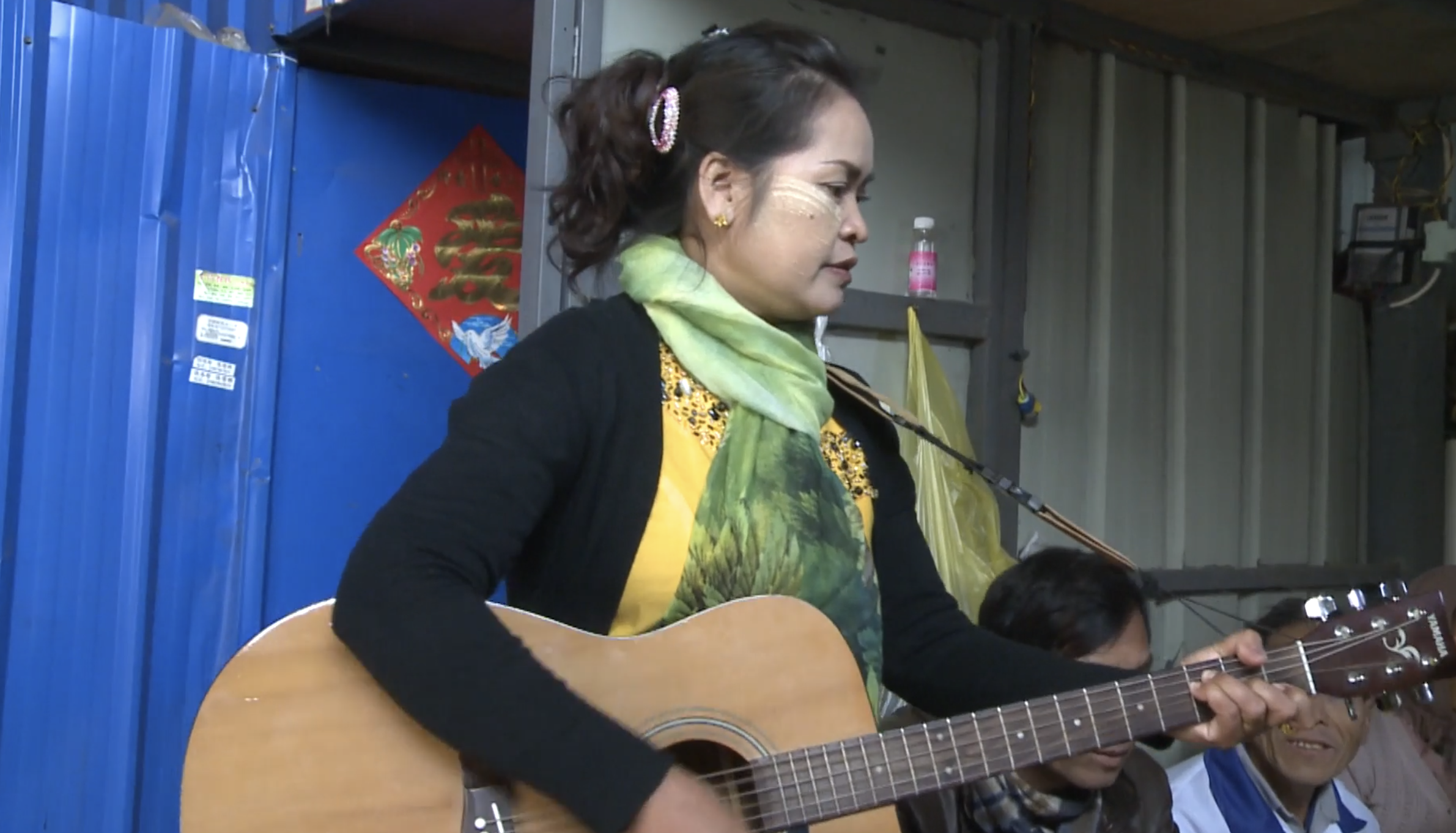
The story of Ma Yong introduces a more "explosive" element, highlighting the bureaucratic and humanitarian challenges faced by cross-border families. Her Chinese husband died young, and she brought a son from her first marriage in Myanmar with her to China. Chinese authorities have persistently refused to grant her son citizenship, despite an apparent lack of clear justification. This situation leaves the child in a precarious legal limbo, impacting his access to education, healthcare, and other fundamental rights. Ma Yong’s case underscores the often-overlooked legal and social hurdles faced by these families, particularly when children are involved, and exposes the rigidity of national immigration and citizenship policies in a region characterized by fluid ethnic boundaries. The denial of citizenship, without proper justification, raises significant human rights concerns and points to a broader systemic issue affecting families caught between two nations.
Lang Han’ai embodies yet another facet of these marriages. She speaks excellent Chinese, is a devout Catholic, and notably, studied at university—a background that distinguishes her significantly. Han’ai explicitly states that she married her husband, who is of humble origins, out of love. She even recounts defending her decision against her disapproving parents, illustrating a strong sense of personal autonomy and determination. Her narrative powerfully counters the perception that all such marriages are economically driven or coerced, emphasizing the role of individual choice, emotional connection, and the pursuit of happiness. Her story highlights that education and personal conviction can empower women to make choices that defy societal expectations, whether those expectations come from her birth family or from external observers.
Filming Style and Documentary Limitations
Huang Shudan, who undertook all the filming and editing herself, maintains a remarkably close and empathetic connection with her protagonists throughout the documentary. This intimate approach allows for a raw and unfiltered portrayal of their lives, fostering a deeper understanding among viewers. The film also gives due recognition to the central role of music and folklore in the women’s lives, showcasing the rich cultural heritage that often accompanies these cross-border ethnic communities. This cultural immersion not only enriches the narrative but also underscores the shared cultural fabric that transcends national borders.
One might question why the more negative issues, such as human trafficking and forced marriages, which initially motivated the film’s creation, are only touched upon briefly. It can be reasonably assumed that such complex and deeply sensitive questions could not be adequately addressed within the limited timeframe of what appears to be a television documentary. Documentaries, especially independent ones, often face constraints in terms of duration, funding, and the scope of what can be realistically covered while maintaining a cohesive narrative. By choosing to focus on consensual marriages, Huang Shudan provides an essential corrective to a narrative often dominated by sensationalism, without necessarily denying the existence of the more exploitative aspects. Her film’s contribution lies in broadening the public’s understanding of the range of experiences, rather than providing a comprehensive overview of all issues.
Broader Impact and Implications
"Myanmar Bride" makes a significant contribution to understanding the intricate dynamics of cross-border migration and marriage. It moves beyond the often-prevalent stereotype of "Myanmar brides" as solely victims of trafficking, presenting a far more nuanced and human reality. This documentary serves as a powerful reminder that individual agency, love, and the pursuit of a better life are often central to these unions, even amidst challenging socio-economic circumstances.
The film’s exploration of minority identities and cross-border ethnic connections sheds light on the limitations of national boundaries in defining cultural realities. The shared heritage of the Dai, Jingpo, and other groups living on both sides of the China-Myanmar border means that for many, crossing the border for marriage is not necessarily seen as marrying a "foreigner" in the traditional sense, but rather as uniting with someone from a familiar cultural milieu. This perspective is crucial for understanding the social acceptance and integration of these women within their new communities in China.
However, the documentary also implicitly highlights systemic challenges. The unresolved citizenship issue for Ma Yong’s son points to a broader problem within China’s legal framework for managing international marriages and the status of children born from such unions, particularly when one parent is foreign and the other belongs to a Chinese ethnic minority. Such cases can leave individuals in a state of legal vulnerability, impacting their access to essential services and their long-term prospects. This underscores the need for more flexible and humane immigration and citizenship policies that acknowledge the realities of cross-border communities.
While "Myanmar Bride" focuses on consensual marriages, it is imperative to acknowledge that human trafficking remains a grave concern along the China-Myanmar border. Various reports from international organizations and human rights groups consistently highlight the vulnerability of women and girls from Myanmar to trafficking, often lured by false promises of work or marriage in China. The film does not deny this reality but rather enriches the discourse by demonstrating that not every cross-border marriage falls into this category. It calls for a more sophisticated understanding that can differentiate between various forms of migration and marriage, enabling targeted interventions against trafficking while respecting legitimate personal choices.
The Filmmaker’s Subsequent Path
According to her concise biography, Huang Shudan has since pursued further studies at the University of South Carolina in the USA, indicating a continued engagement with academic or professional development. She is now reportedly pursuing other career paths. This suggests that "Myanmar Bride" may well be her only film, making it a particularly unique and poignant contribution to independent documentary filmmaking. The film stands as a testament to her journalistic integrity and empathetic storytelling, offering a rare and valuable window into a complex human landscape that remains largely unknown to many in the West. Its legacy lies in its ability to foster understanding and challenge preconceptions about a vital, often misunderstood, geopolitical and social phenomenon.