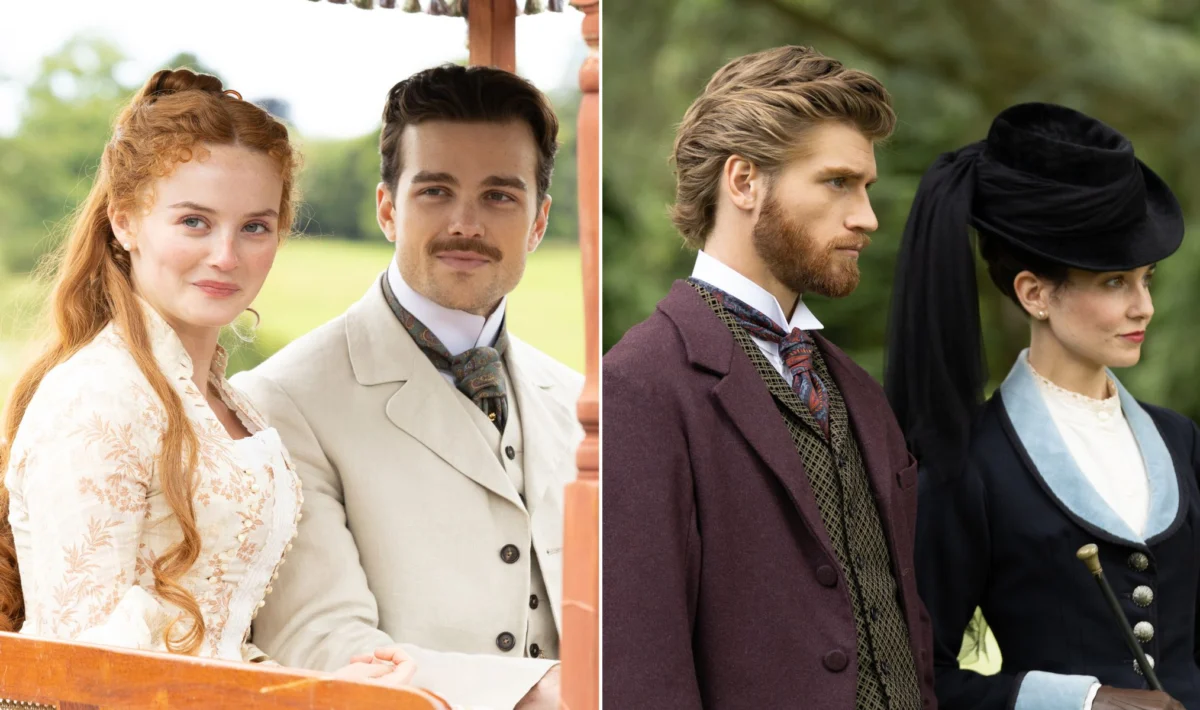
The premiere of the 2024 adaptation of The Forsyte Saga on PBS Masterpiece marks a significant expansion of the literary universe originally penned by Nobel Prize winner John Galsworthy. This latest iteration, stylized as a prequel to the core events of the classic novels, introduces a younger generation of the Forsyte family, focusing on the formative years of the characters that would eventually become icons of British literature and television history. The first episode centers on the marriage of Jolyon Forsyte Jr., portrayed by Danny Griffin, an event that serves as a catalyst for exploring the internal tensions and rigid social structures of the upper-middle-class London elite. By introducing new characters and backstories not found in the original 1906 text, the production aims to modernize the themes of property, desire, and class while maintaining the period authenticity that has become the hallmark of the Masterpiece brand.
Narrative Foundations and the Premiere Chronology
The 2024 series opens during a period of transition for the Forsyte family, long before the events of the 1886 "Man of Property" volume. The premiere episode establishes the family’s standing as successful stockbrokers and solicitors, men who view the world through the lens of acquisition and inheritance. The central plot point of the premiere is the wedding of Jolyon Jr., an event intended to solidify the family’s legacy and ensure the continuation of their financial dynasty. However, the narrative quickly pivots to the emotional undercurrents that threaten this stability.
A significant departure from the source material is the introduction of a new character played by Eleanor Tomlinson. While Galsworthy’s novels began with the family already established in their ways, this prequel format allows the writers to explore the "first loves" and early heartbreaks that shaped the elder Forsytes. The premiere reveals that Jolyon Jr., despite his formal union, remains tethered to a previous romantic engagement with Tomlinson’s character. This revelation sets the stage for a season-long exploration of the conflict between personal happiness and familial duty—a theme central to the Forsyte ethos.
The timeline of the premiere is meticulously crafted to showcase the late Victorian era’s social mores. The episode moves from the grandiosity of the wedding ceremony to the private, often suffocating confines of the Forsyte drawing rooms. This chronological progression highlights the contrast between the public image of the "Superior Dosset" (the patriarch’s lineage) and the private turmoil of its younger members.
Historical and Literary Context of The Forsyte Saga
To understand the impact of the 2024 series, one must look at the immense legacy of John Galsworthy’s work. Originally published between 1906 and 1921, the three novels and two interludes that comprise The Forsyte Saga were revolutionary for their critique of the British upper-middle class. Galsworthy, who won the Nobel Prize in Literature in 1932, used the Forsyte family as a microcosm of a society obsessed with "property"—a term he applied not just to land and money, but to wives and children as well.
This is not the first time the saga has captivated television audiences. The 1967 BBC adaptation was a cultural phenomenon, credited with inventing the modern "prestige miniseries." It drew an estimated 18 million viewers for its finale in the United Kingdom and was the first British drama to be sold to the Soviet Union. A subsequent 2002 adaptation starring Damian Lewis and Gina McKee further cemented the story’s relevance for a new generation.
The 2024 version distinguishes itself by functioning as a prequel. By moving the clock back, the series attempts to answer questions about the origins of the family’s coldness and the source of the deep-seated rivalries that define the later books. This creative choice aligns with a broader trend in television production where established intellectual properties are expanded through origin stories to attract both longtime fans and new viewers.
Production Data and Demographic Reach
The decision by PBS Masterpiece and its production partners to greenlight a new Forsyte adaptation is backed by significant viewership data regarding period dramas. According to industry reports, period dramas consistently rank among the highest-performing genres for public broadcasting and streaming services specializing in British imports. Masterpiece, which has been on the air since 1971, has seen a resurgence in interest following the global success of series like Downton Abbey and Poldark.
The casting of Danny Griffin and Eleanor Tomlinson is a strategic move to bridge demographic gaps. Griffin, known for his role in the Netflix series Fate: The Winx Saga, brings a younger, "Gen Z" and Millennial following to the production. Conversely, Eleanor Tomlinson is a veteran of the Masterpiece stage, having starred in the highly successful Poldark, making her a familiar and trusted face for the traditional PBS audience.
Production data indicates that the 2024 series utilized extensive location filming across England to capture the architectural transition from the Victorian to the Edwardian era. The costume department reportedly managed over 500 bespoke outfits for the primary cast and extras, emphasizing the high production value expected of a Masterpiece flagship series.
Casting Analysis and Character Development
The 2024 premiere places a heavy burden on Danny Griffin’s Jolyon Jr. In Galsworthy’s original timeline, Jolyon Jr. is often seen as the more artistic, "black sheep" of the family who breaks away from the rigid Forsyte code. By showing him at the moment of his wedding, the prequel provides a window into the pressure he faced to conform before his eventual rebellion. Griffin’s portrayal emphasizes a simmering discontent hidden beneath the veneer of a dutiful son.
Eleanor Tomlinson’s character represents the most significant creative risk of the series. As a character not found in the books, she serves as a personification of the "other path" Jolyon could have taken. Her presence introduces a "what-if" scenario that adds a layer of tragic irony to Jolyon’s later life. Tomlinson’s performance is noted for its groundedness, providing a foil to the often-stiff mannerisms of the Forsyte men.
The ensemble cast also includes veteran actors portraying the elder Forsytes, including the patriarchs who built the family fortune. These characters serve as the personification of the 19th-century mindset—valuing stability, reputation, and the accumulation of assets above all else. The premiere effectively establishes the generational divide that will eventually lead to the family’s fragmentation.
Official Responses and Industry Reception
While official viewership numbers for the premiere are still being tallied, initial responses from television critics and industry analysts suggest that The Forsytes (2024) is a successful modernization of a classic. PBS executives have noted that the series is a cornerstone of their current programming block, designed to maintain the momentum of "Appointment Television" in an era of fragmented streaming.
In statements regarding the production, the creative team emphasized the importance of making the Forsyte family relatable to contemporary audiences. "The themes Galsworthy wrote about—the struggle for independence within a family and the complexities of human relationships—are timeless," noted one of the series’ executive producers during a pre-release press tour. "By exploring these characters’ origins, we are giving the audience a deeper emotional connection to their future struggles."
Industry analysts point out that The Forsyte Saga remains a valuable IP because it offers a sprawling, multi-generational narrative that can support multiple seasons. If the 2024 prequel performs well, it could pave the way for a full re-adaptation of the original novels, potentially spanning several years of production.
Broader Impact and Socio-Political Implications
The return of The Forsyte Saga also prompts a reflection on the socio-political themes Galsworthy originally intended to highlight. The series arrives at a time when issues of wealth inequality, inheritance, and the role of women in society are once again at the forefront of public discourse. By depicting the Forsytes as a family obsessed with the "acquisition" of people as property, the show serves as a critique of unfettered materialism.
The inclusion of Eleanor Tomlinson’s character also allows the series to explore the limited agency of women during the late Victorian period. Even a woman of Tomlinson’s character’s standing (or lack thereof) serves as a reminder of the social barriers that dictated romantic and financial outcomes. The show’s focus on the legalities of marriage and the social consequences of divorce—topics Galsworthy was deeply passionate about due to his own personal history—remains a potent element of the drama.
Furthermore, the 2024 adaptation contributes to the ongoing debate regarding the "modernization" of classic literature. Some purists may argue against the addition of new characters and pre-novel timelines, but proponents of the series suggest that such changes are necessary to keep 100-year-old stories fresh and engaging for a global audience.
Conclusion and Future Outlook
As The Forsytes moves past its premiere, the focus will likely shift to the fallout of Jolyon Jr.’s internal conflict and the expanding web of family rivalries. The series has successfully established a high-stakes environment where every social interaction carries the weight of financial and reputational consequence. With its blend of established literary history and new narrative inventions, the 2024 series is positioned to be a defining entry in the Masterpiece catalog.
The upcoming episodes are expected to delve deeper into the lives of the other Forsyte siblings and cousins, further fleshing out the world Galsworthy created. For PBS, the series represents a continued commitment to high-quality, long-form drama that respects its source material while acknowledging the evolving tastes of the modern viewer. As the season progresses, the true impact of this prequel strategy will become clear, potentially setting a new standard for how classic literary dynasties are brought to life on the screen.