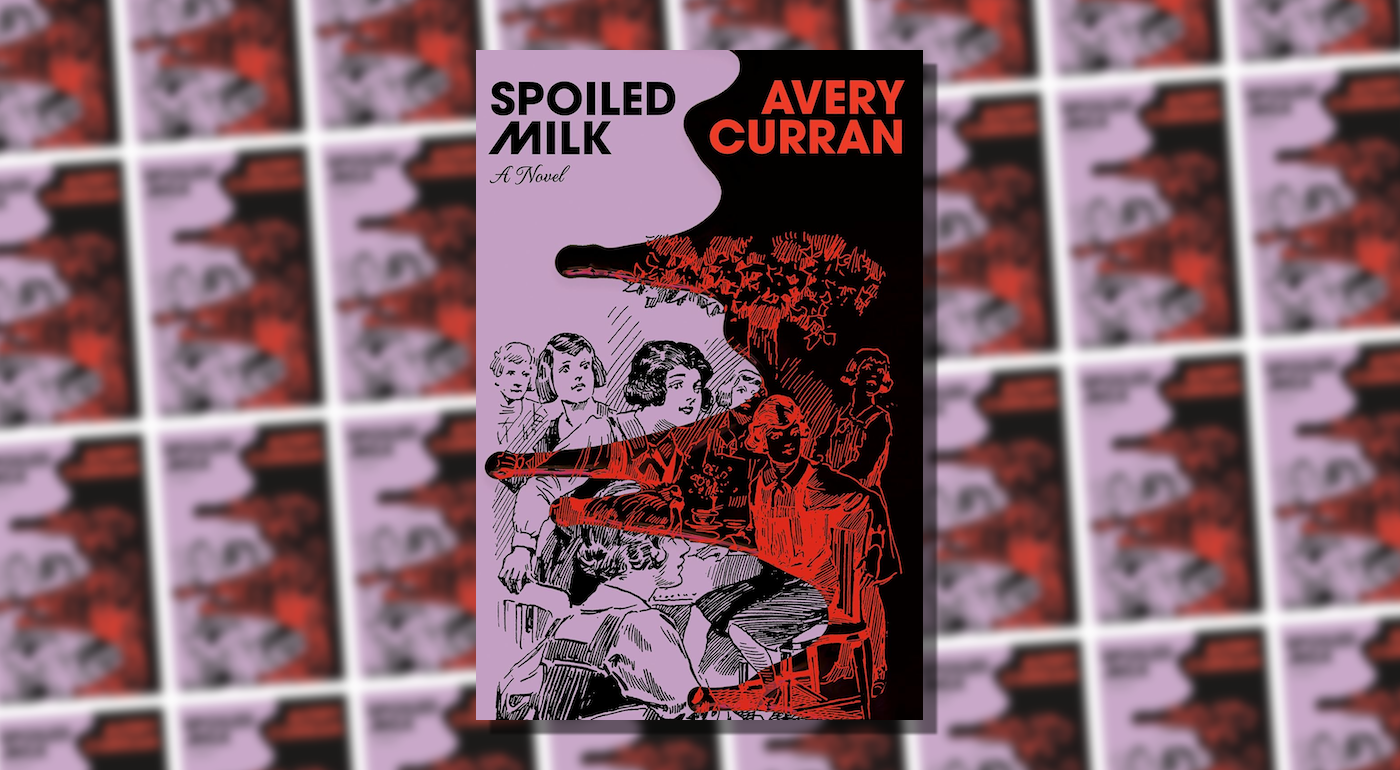
Avery Curran’s debut novel, Spoiled Milk, delves into the hallowed, and at times haunted, world of the English girls’ boarding school, a subgenre rich with tradition, ritual, and often, a hidden undercurrent of unease. Through the eyes of Emily Locke, a perceptive sixth-form student at the fictional Briarley school in the late 1920s, Curran crafts a narrative that is both transportive and introspective, tapping into a potent vein of escapist nostalgia while simultaneously dissecting the complex social dynamics and psychological landscapes that define such institutions. The novel’s exploration of grief, suspicion, and the intoxicating, often fraught, bonds of female friendship resonates deeply, inviting readers to confront their own memories and perceptions of adolescence.
The Enduring Appeal of the Boarding School Saga
The allure of the English boarding school narrative, as exemplified by the works of Enid Blyton with her St. Clare’s and Malory Towers series, lies in its ability to transport readers to a seemingly self-contained world. These stories, often characterized by midnight feasts, rigorous social grooming, and an emphasis on stiff-upper-lip camaraderie, have long captivated young readers. They offer an escape from the mundane, presenting a world where rules are clear, friendships are paramount, and personal growth often unfolds against a backdrop of picturesque campuses and shared experiences.
However, as the original author of the reviewed piece reflects, the idealized portrayals of these institutions, particularly in classic literature, often stand in stark contrast to the lived realities of attending such schools. The "cloying miasma" of idealized camaraderie can mask deeper complexities, and the perceived perfection of these environments can be shattered by the harshness of adolescent social hierarchies and personal struggles. Curran’s novel, while acknowledging the romanticized elements, navigates this terrain with a nuanced approach, presenting a more intricate and sometimes unsettling portrait of girlhood within the confines of an all-girls boarding school.
Spoiled Milk: A Tale of Suspicion and Suspense
Spoiled Milk centers on Emily Locke, a bright and precocious student at Briarley, a small, rural Church of England boarding school. The narrative opens with Emily’s deep affection for her school, a sentiment amplified by her close-knit class of six seniors, all grappling with the typical hormonal neuroses and intricate social politics of adolescence. The idyllic facade of Briarley begins to crumble with the suspicious death of Emily’s best friend, Violet. Emily, convinced that the young French teacher, Mademoiselle, is responsible, embarks on a quest for the truth. Her investigation is peppered with ominous signs – worm-riddled fruit, contaminated well water, and unsettling hallucinations – culminating in a chilling warning from a village medium about an impending, inexorable force.
The novel’s setting, steeped in the traditions of an Anglican education, evokes sensory details that resonate with personal histories. The "smell of wet wool, cold chapel pews," and the presence of religious iconography, such as a stone replica of Caedmon’s Cross, ground the narrative in a specific cultural and historical context. This attention to detail, a hallmark of the boarding school genre, allows Curran to build a palpable atmosphere that is both familiar and disquieting.
Navigating the Tropes and Subverting Expectations
Curran demonstrates a keen awareness of the established tropes within the boarding school genre. These narratives often exist in a "petri dish of racist, sexist, classist monstrosities," relying on homogenous character archetypes and predictable plotlines. At their best, they offer a magical realm for self-discovery; at their worst, they can be seen as "grooming pits designed to sustain conservatism, trauma, and abuse."
However, Spoiled Milk injects "fresh blood into the traditionally rigid paradigms of English girlhood narratives." Curran skillfully plays with these expectations, exploring themes of gender, queerness, and the intense dynamics of young women confined together. The novel touches upon the pervasive idea that girls can be "meaner to each other than boys," wielding "microdoses of spite and cruelty like a thousand hidden needles." It also alludes to the long-standing trope of "Schrödinger’s lesbians," the unspoken possibility of same-sex attraction in an all-girl environment, which is "one can only really tell if one actually wants to look." This echoes the atmospheric tension found in films like Sofia Coppola’s The Virgin Suicides, with Violet serving as Briarley’s own enigmatic "Lux Lisbon," a figure of intense peer fixation and infatuation.

The author’s success lies in her ability to incorporate these archetypes without resorting to flat clichés. The peer fixation and competitive infatuation that define so much of adolescent life are central to the novel’s emotional core. Emily’s observations, ranging from the petty and childish to the jarringly honest, reflect the chaotic spectrum of queer desire and coming-of-age crushes that often evaporate after graduation. Curran masterfully balances the period drama’s staid atmosphere with a protagonist who remains sharp, stubborn, and endearingly myopic. Emily’s fierce determination to uncover the truth provides momentum, contrasting with the voices of reason offered by her friends. Even the seemingly secondary character of Evelyn, initially an object of Emily’s disdain, evolves in complexity.
The Supernatural and the Psychological
The spiritualist themes woven into Spoiled Milk also tap into a common element of boarding school fiction, particularly those set in earlier eras. The mention of séances and ominous warnings evokes a sense of supernatural dread, reminiscent of the author’s own boarding school experiences with a Ouija board. Curran acknowledges that an environment rife with superstition and religious fervor, particularly in the 1920s, could easily foster self-inflicted terror.
However, Curran largely keeps the supernatural elements "loose," focusing instead on the core group of friends and their collective pursuit of answers. This approach harks back to the appeal of Enid Blyton’s stories for the author, where the "Scooby-Doo ride-or-die squad" dynamic was a significant draw, a stark contrast to the regimented reality of lining up for dinner. The novel wisely avoids over-exposition regarding the origins of Briarley’s "eldritch terror," allowing the inherent claustrophobia and the psychological intensity of the friendships to take center stage. The subtle fantasy of camaraderie in a place that might actively work to diminish it is where the true magic of the genre, and this novel, lies.
The Broader Implications of Englishness, Gender, and Civilization
On a broader level, Spoiled Milk invites reflection on a multitude of themes: Englishness, gender, sexuality, patriarchy, class, and the very nature of Western civilization. The novel offers few concrete answers, mirroring the messy and unresolved nature of adolescence itself. Emily’s journey is anything but "neat and clean," and Curran wisely avoids neat resolutions.
As the narrative progresses, Emily’s concerns expand to encompass the potential end of England or even the world, yet Curran masterfully maintains focus on the "small microcosm of terror" at Briarley, creating a powerful sense of claustrophobia. The most significant takeaway for many readers, including the original reviewer, is the novel’s ability to prompt deep reflection on personal experiences within these larger contexts. Curran’s writing style fosters a sense of direct engagement, making the reading experience feel akin to a conversation or a confession that resonates with the present day.
Spoiled Milk stands as a "refreshingly self-aware debut," built upon a rich foundation of gothic cultural capital and historical context. It is a must-read for enthusiasts of boarding school fiction, offering a compelling blend of suspense, psychological depth, and a nuanced exploration of the enduring mysteries of girlhood. The novel’s success lies not only in its intricate plot and atmospheric setting but also in its profound ability to connect with the reader’s own lived experiences, creating a dialogue that transcends the page and time.
The enduring popularity of the boarding school genre, evident in the continued sales of classic works and the consistent output of new titles, suggests a deep-seated fascination with these insular worlds. Data from publishers and literary databases indicates a steady demand for stories that explore themes of friendship, rivalry, academic pressure, and the often-unspoken emotional landscapes of adolescence. Authors like Enid Blyton, while subject to modern scrutiny for their portrayal of class and race, laid the groundwork for a rich tradition. More contemporary authors, like Jacqueline Wilson and Louise Rennison, have continued to explore similar themes with updated sensibilities, reflecting evolving societal norms and a greater emphasis on diverse representation.
Avery Curran’s Spoiled Milk fits squarely within this tradition, yet it carves out its own distinct space. By infusing the familiar tropes with a psychological intensity and a subtle exploration of queerness, the novel appeals to a contemporary audience seeking more complex and layered narratives. The book’s critical reception, marked by positive reviews in literary journals and online publications, suggests its success in capturing this nuanced approach. The continued interest in the genre highlights its capacity to resonate with readers across generations, offering a window into a specific kind of formative experience, whether real or imagined. The publication of Spoiled Milk by Doubleday further cements its place within the literary landscape, offering a compelling new voice in the enduring saga of the English boarding school.