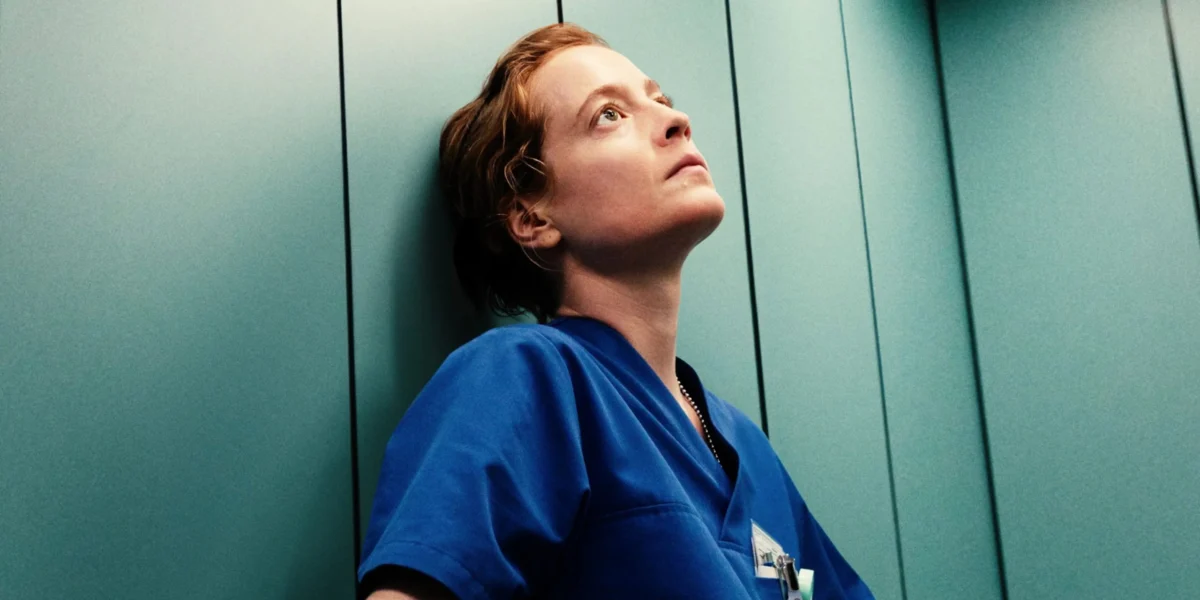
Directed and written by the acclaimed filmmaker Petra Volpe, this high-stakes drama has solidified its position as a significant cultural and cinematic touchstone within the contemporary landscape of European cinema. The film, which draws its narrative inspiration from Madeline Calvelage’s non-fiction work Unser Beruf ist nicht das Problem: Es sind die Umstände (Our Profession is Not the Problem: It is the Circumstances), offers a visceral, real-time exploration of the systemic pressures facing the global healthcare sector. Featuring a powerhouse performance by Leonie Benesch, the film centers on Floria, a dedicated young nurse whose commitment to her patients is pushed to the breaking point during a single, harrowing shift in an understaffed hospital ward. Following its high-profile world premiere in the Berlinale Special Gala section of the 75th Berlin International Film Festival, the film has garnered widespread critical acclaim and has been officially selected as Switzerland’s entry for the Best International Feature Film category at the 98th Academy Awards, successfully making the prestigious December shortlist.
Narrative Architecture and Cinematic Realism
The film’s narrative structure is designed to mirror the frantic, unrelenting pace of a modern medical facility. Unlike traditional medical dramas that often focus on the melodrama of patient lives or the romantic entanglements of staff, Late Shift remains steadfastly committed to the logistical and emotional labor of nursing. Floria, portrayed with a blend of stoic professionalism and mounting desperation by Benesch, serves as the audience’s lens into a system where human empathy is constantly at odds with administrative efficiency.
The screenplay by Volpe translates Calvelage’s literary analysis into a cinematic "race against time." The film employs a pressurized atmosphere where every minute lost to administrative hurdles or equipment failure has tangible consequences for patient care. This focus on "the circumstances"—as the source material’s title suggests—shifts the blame from the individuals working within the system to the structural deficiencies of the system itself. By doing so, the film transcends the boundaries of a simple character study and becomes a sharp piece of social commentary.
A Chronology of Critical and Awards Success
The journey of Late Shift from a conceptual adaptation to an Oscar-shortlisted contender has been marked by a series of strategic milestones. The project began with Volpe’s interest in Calvelage’s book, which served as a rallying cry for healthcare workers in German-speaking territories. Volpe, known for her ability to weave complex social issues into compelling human narratives—as seen in her previous hit The Divine Order—spent considerable time researching the daily realities of nursing to ensure the film’s authenticity.
In February 2025, the film made its world debut at the 75th Berlin International Film Festival. Selected for the Berlinale Special Gala, a section reserved for exceptional works by established filmmakers, Late Shift was immediately identified by critics as a standout. Reviewers praised the film’s "claustrophobic intensity" and Benesch’s "transfixing" performance.
Following its festival success, the Swiss selection committee announced in late 2025 that Late Shift would represent the nation in the race for the 98th Academy Awards. The committee cited the film’s universal relevance and its masterful execution as primary factors for its selection. By December, the Academy of Motion Picture Arts and Sciences confirmed the film’s placement on the shortlist for Best International Feature Film, narrowing the field from scores of global entries to a select few. This achievement marks a significant moment for Swiss cinema, which has seen a resurgence in international visibility over the last decade.
The Global Healthcare Context: Supporting Data and Real-World Implications
To understand the resonance of Late Shift, one must look at the data surrounding the global nursing crisis that the film depicts. According to reports from the World Health Organization (WHO) and the International Council of Nurses (ICN), the world is currently facing a global shortage of approximately six million nurses. This shortage is particularly acute in aging societies where the demand for chronic care is rising while the workforce is experiencing unprecedented levels of burnout.
In Switzerland and neighboring Germany—the primary settings for the film’s inspiration—surveys have indicated that nearly 40% of nursing staff have considered leaving the profession due to "the circumstances" referenced in Calvelage’s book. These circumstances include high patient-to-nurse ratios, long hours, and the moral injury that occurs when professionals are unable to provide the level of care they believe their patients deserve.
Late Shift captures this "moral injury" with clinical precision. The film’s depiction of an understaffed ward is not merely a dramatic device but a reflection of a documented reality where one nurse may be responsible for a dozen or more high-acuity patients during a night shift. By grounding the drama in these factual stressors, Volpe ensures that the film’s tension is derived from a source that the audience recognizes as a legitimate societal threat.
Artistic Collaboration and Director Perspectives
In recent discussions regarding the film’s development, Petra Volpe has emphasized the importance of the collaborative process in bringing such a demanding story to life. Working with Leonie Benesch was pivotal; Benesch, who recently received international acclaim for her role in the Oscar-nominated The Teachers’ Lounge, brought a rigorous preparation process to the role of Floria. The actress reportedly spent time shadowing real-life nursing staff to master the technical aspects of the job, from the specific way a syringe is handled to the "nursing walk"—a pace that is fast but never suggests panic to the patients.

Volpe’s direction focuses on the sensory experience of the hospital: the sterile lighting, the constant cacophony of monitor alarms, and the physical exhaustion that settles into the characters’ bodies. In interviews, Volpe has noted that the film was intended to "make the invisible labor visible." She sought to highlight the emotional intelligence required to manage not just the medical needs of patients, but their fears and dignity, all while the clock is ticking.
The director has also credited Music Box Films for their role in the film’s North American distribution. Music Box Films, a distributor known for championing high-quality international cinema (including the original Girl with the Dragon Tattoo trilogy and Ida), recognized the film’s potential to bridge the gap between European social realism and American prestige drama.
Official Responses and Industry Impact
The reception of Late Shift by the medical community has been notably positive, with many healthcare advocacy groups praising the film for its lack of sensationalism. In Switzerland, the film has sparked renewed public debate regarding healthcare funding and labor laws. Industry analysts suggest that the film’s success on the awards circuit is a testament to a growing appetite for "procedural realism"—films that find drama in the specificities of professional life rather than through contrived plot twists.
The Swiss Federal Office of Culture released a statement following the film’s Oscar shortlisting, noting that "Petra Volpe has once again demonstrated her unique ability to capture the zeitgeist. Late Shift is a testament to the strength of Swiss filmmaking and its ability to engage with the most pressing issues of our time on a global stage."
The film’s performance at the domestic box office in Switzerland and its subsequent rollout in major US markets like New York and Los Angeles indicate a strong crossover appeal. As it moves into a nationwide rollout, industry experts anticipate that Late Shift will continue to perform well with urban audiences and cinephiles who value socially conscious storytelling.
Analysis of Broader Implications
The success of Late Shift signals a broader trend in international cinema where filmmakers are moving away from abstract allegories and toward concrete, grounded depictions of labor and systemic failure. By focusing on a nurse, a figure often relegated to the background of medical narratives, Volpe centers the "essential worker" in a way that feels particularly poignant in the post-pandemic era.
Furthermore, the film’s inclusion on the Academy Award shortlist highlights the evolving criteria of the International Feature Film category. In recent years, the Academy has shown an increasing preference for films that tackle contemporary social crises with sophisticated technical execution. Late Shift fits this mold perfectly, offering a masterclass in tension-building while maintaining a deep sense of empathy for its protagonist.
As the 98th Academy Awards approach, the momentum behind Late Shift continues to build. Whether or not it secures the final nomination or the win, its impact on the conversation surrounding healthcare and the dignity of labor is already secure. The film serves as both a grueling cinematic experience and a necessary document of a profession under siege.
Conclusion and Release Information
Late Shift stands as a definitive work in Petra Volpe’s filmography, showcasing a director at the height of her powers. Through the lens of Floria’s harrowing night, the film asks the audience to consider the cost of a society that devalues the very people tasked with its care. It is a film that demands attention, not only for its artistic merits but for the urgency of its message.
The film is currently screened at The Quad Cinema in New York and the Laemmle Royal in Los Angeles. Following these prestige engagements, Music Box Films will oversee a nationwide expansion, bringing this critical Swiss drama to audiences across the United States. For those interested in the intersection of high-caliber filmmaking and vital social commentary, Late Shift is an essential viewing experience. The film’s journey from a German-language non-fiction book to the Oscars is a remarkable trajectory that underscores the universal power of a story well told, especially when that story reflects the silent struggles of those who work while the rest of the world sleeps.