The cinematic release of Project Hail Mary has not only captured the imagination of audiences worldwide but has also ignited a torrent of online discussion, firmly establishing its place as a significant cultural touchstone. Following a monumental opening weekend, the film, starring Ryan Gosling and helmed by the acclaimed directorial duo Phil Lord and Christopher Miller, has transcended mere box office success, becoming a focal point for extensive social media discourse and a benchmark for original science fiction properties in an industry often dominated by established franchises. Its debut, which surpassed $80 million domestically, marked a pivotal achievement for Amazon MGM Studios, signifying their strongest opening weekend to date and validating their investment in high-concept, non-IP cinema.
A Galactic Launch: Box Office Triumph and Studio Milestone
The impressive $80 million domestic opening for Project Hail Mary is more than just a number; it represents a powerful statement in the current theatrical landscape. In an era where audiences are increasingly selective about what draws them to cinemas, an original science fiction narrative achieving such a feat speaks volumes about the film’s inherent appeal and the effectiveness of its marketing. For Amazon MGM Studios, this performance is particularly noteworthy. As a relatively new powerhouse in theatrical distribution, building on the foundation of a tech giant’s streaming empire, securing a top-tier opening with a fresh property demonstrates their growing influence and strategic acumen in the competitive film market. This success provides crucial oxygen to the studio’s theatrical ambitions, signaling their capacity to produce and distribute films that resonate broadly and deliver substantial box office returns, thereby solidifying their position alongside traditional Hollywood studios. The film’s robust performance suggests a craving among moviegoers for compelling, fresh narratives that offer both intellectual stimulation and escapism, moving beyond the familiar confines of sequels, reboots, and comic book adaptations.
The Genesis of a Sci-Fi Phenomenon: From Page to Screen
Project Hail Mary originates from the brilliant mind of author Andy Weir, whose 2021 novel quickly became a bestseller, lauded for its scientific accuracy, engaging narrative, and signature wit. Weir’s previous works, notably The Martian, which was also successfully adapted into a critically acclaimed film, established him as a master of hard science fiction, capable of making complex scientific principles accessible and thrilling. Project Hail Mary continued this tradition, introducing readers to Ryland Grace, a science teacher thrust into an interstellar mission to save Earth from solar destruction, aided by an unforgettable alien companion named Rocky. The novel’s intricate problem-solving, relatable protagonist, and blend of peril and humor laid a fertile ground for cinematic adaptation.
The transition from page to screen was entrusted to a formidable creative team. Screenwriter Drew Goddard, celebrated for his work on The Martian adaptation and his unique genre-bending projects like The Cabin in the Woods, brought his keen understanding of pacing and character development to the script. At the helm were directors Phil Lord and Christopher Miller, known for their innovative storytelling, distinctive visual style, and ability to inject humor and heart into diverse projects, from The Lego Movie to Spider-Man: Into the Spider-Verse. Their collaborative track record suggested an ideal pairing for Weir’s intricate yet charming narrative. The casting of Ryan Gosling as Ryland Grace further elevated anticipation. Gosling, a versatile actor with a proven ability to anchor both dramatic and comedic roles, brought gravitas and relatability to the reluctant hero, making his journey all the more compelling for audiences. The combined creative firepower of Weir, Goddard, Lord, Miller, and Gosling set the stage for a cinematic event that promised to honor the source material while expanding its reach.
Unpacking the Online Debate: A Spectrum of Opinions
The film’s release unleashed a "flurry of social media posts," as described in initial reports, revealing a diverse and often passionate range of audience reactions. This extensive digital conversation spanned virtually every conceivable aspect of the production, transforming social platforms into impromptu forums for cinematic critique and cultural commentary. Debates unfolded regarding the film’s overall quality, with some hailing it as a potential sci-fi classic destined to stand alongside genre greats, while others found elements, such as its comedic timing or pacing, to be "out of place." Similarly, the quality of Andy Weir’s original novel became a renewed topic of discussion, with new film viewers often seeking out the book and existing fans comparing the adaptation to their beloved source material.

Beyond aesthetic judgments, the discourse delved into more thematic and even political territories. The frequency and perceived success of the film’s jokes were scrutinized, highlighting differing audience preferences for humor in a high-stakes sci-fi narrative. More profoundly, the film’s underlying political perspectives came under examination. As Jordan Levin, former CEO of both The WB and AwesomenessTV, observed, "Anything that incites debate — especially if you have people who are evangelical about the property and certain talent or creators — is going to drive the algorithm." Levin specifically noted how themes of international cooperation, central to the film’s premise of humanity uniting to avert disaster, became a "political debate" in itself. Furthermore, the foundational role of "fact-based science" in Andy Weir’s writing, and its portrayal as the ultimate problem-solver, resonated deeply, sparking discussions about the perception and value of scientific solutions in contemporary society. The film’s positioning of the U.S. within a global ecosystem, particularly in a mission requiring worldwide collaboration, also drew attention and commentary.
The performance and project choices of Ryan Gosling, a beloved and increasingly influential actor, were naturally a significant subject. Fans and critics dissected his portrayal of Ryland Grace, weighing it against his recent roles and overall career trajectory. Likewise, the track records of directors Phil Lord and Christopher Miller were discussed, with cinephiles evaluating Project Hail Mary within the context of their unique filmography.
A particularly animated debate among "cinephiles," as Levin pointed out, centered on the very nature of filmmaking and the theatrical experience itself. Questions like, "Is the moviegoing theater experience alive or dead?" found renewed relevance in the context of a successful original theatrical release. Moreover, the film’s production techniques garnered considerable attention. Many rallied around the discernible use of "practical sets and puppetry," contrasting it favorably with a perceived over-reliance on CGI in modern blockbusters. This emphasis on tangible effects was seen by many as a refreshing commitment to craft, further enriching the visual storytelling and lending a palpable authenticity to the alien world and its inhabitants. This diverse and robust online conversation is a testament to the film’s ability to touch upon a multitude of intellectual, emotional, and technical points of interest for its audience.
A Masterclass in Modern Marketing for Original IP
The success of Project Hail Mary and its subsequent digital footprint can also be attributed to a shrewd and innovative marketing campaign that skillfully leveraged the film’s original intellectual property (IP) and the star power of Ryan Gosling. Russell Schwartz, former president of theatrical marketing at New Line Cinema, highlighted the distinct advantage of promoting a non-IP movie: "The nice thing about a non-IP movie is that you’re able to conceptualize from zero: ‘What are the best companies or brands that we should work with?’ It’s a much more imaginative way of selling a movie than having to go with the established IP and knowing you’re going with your usual, run-of-the-mill partners." This creative freedom allowed the Amazon MGM team to craft unique and highly effective promotional moments.
Key among these was Ryan Gosling’s active and enthusiastic participation. Viral videos featuring Gosling’s unexpected appearance on Jeopardy! and showcases of his "football-tossing skills" captured widespread attention. These moments not only injected humor and personality into the promotional cycle but also capitalized on Gosling’s burgeoning status as a beloved internet figure, particularly after his recent role in Barbie. His willingness to engage in unconventional marketing demonstrated a remarkable synergy between the actor and the studio, a factor Schwartz pointed out as crucial.
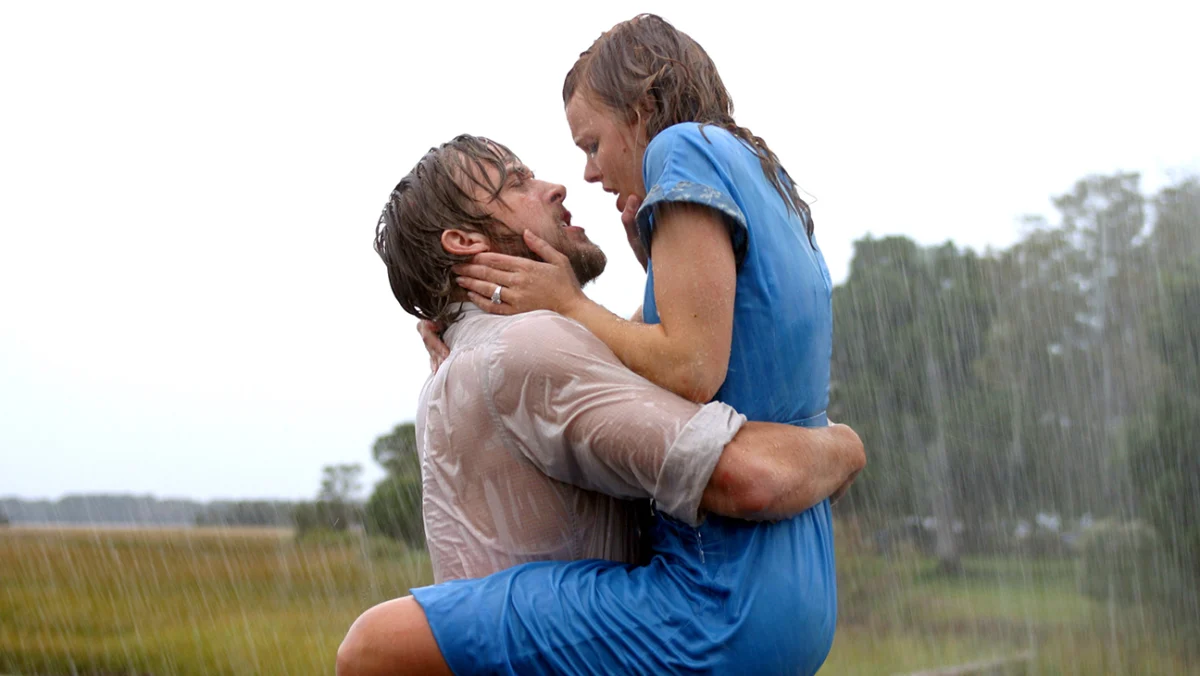
Schwartz recalled a memorable anecdote from his time marketing The Notebook, Gosling’s first major hit as a lead in 2004. He recounted how New Line founder Bob Shaye had initially disliked a poster featuring a bearded Gosling, insisting the facial hair be removed. However, Gosling firmly pushed back, stating, "I’m never doing publicity for this movie if you don’t put my beard back on." The beard, of course, was restored, and the film went on to become a massive success. This early example underscores Gosling’s acute understanding of character presentation and his commitment to his roles, a trait that clearly extended to Project Hail Mary. His active collaboration with Amazon MGM ensured that the marketing felt authentic and aligned with his public persona, fostering genuine engagement rather than forced promotion. This level of star involvement, coupled with the freedom to innovate due to the film’s original IP, created a powerful marketing engine that cut through the noise of crowded media landscapes.
Beyond the Screen: Inspiring Scientific Curiosity and Space Exploration
The impact of Project Hail Mary extends beyond the confines of cinematic and social media discourse, significantly influencing public interest in science and real-life space exploration. Prominent figures within the space community have lauded the film’s commitment to scientific integrity and its imaginative portrayal of interstellar travel. Chris Hadfield, retired astronaut and best-selling author of Final Orbit, confirmed his ongoing conversations with Andy Weir about the film and the author’s future projects. Hadfield expressed his satisfaction with the filmmakers’ dedication to making the movie "as visually realistic and compelling as they could," particularly commending the "deft way with which you decide to portray an alien," leaving enough to the imagination while still sparking curiosity. This endorsement from a renowned astronaut highlights the film’s success in balancing scientific accuracy with narrative creativity, a hallmark of Weir’s work.

Space-focused content creator Kobi Brown further elaborated on the film’s educational potential. Brown emphasized that "this movie and movies like it are engaging ways for people get familiar with pretty hard concepts." He cited the film’s exploration of "hardcore alien molecular biology and exploration of things like how the sun could be destroyed or how interstellar traffic works, time dilation." For many, Project Hail Mary serves as a crucial "first touchpoint for those concepts," igniting a desire to "know more" about the complex scientific principles underpinning the narrative. This effect is already palpable, with the film’s popularity coinciding with a renewed public spotlight on actual space endeavors. Notably, there has been a surge of interest in the impending launch of Artemis II, NASA’s groundbreaking mission marking its first return to the Moon in over 50 years. The film’s narrative, centered on a desperate space mission to save humanity, naturally resonates with and amplifies the excitement around such real-world exploratory efforts, fostering a generation curious about the cosmos.
The Unexpected Family Appeal and Future of Original Cinema
One of the more surprising outcomes of Project Hail Mary‘s release has been its broad demographic appeal, particularly attracting families, a segment that may not have been the initial target for its marketing campaign. Russell Schwartz noted, "I suspect the filmmakers made a movie for the Ryan Gosling sci-fi audience and ended up with a family movie." This unintended expansion of its audience base is a significant factor in the film’s sustained popularity. Its blend of adventure, humor, and a compelling alien friendship, coupled with a largely accessible scientific premise, proved universally engaging. This unexpected family appeal has undoubtedly contributed to the widespread word-of-mouth that continues to fuel its box office longevity.
The enduring success of Project Hail Mary serves as a powerful testament to the audience’s thirst for fresh, original storytelling. In an industry increasingly reliant on established franchises and pre-existing IP, this film’s triumph offers a compelling counter-narrative, proving that innovative concepts, when executed with talent and strategic marketing, can still draw massive theatrical crowds. "When it’s a surprise movie like that, it just does wonders for word of mouth. It’ll just go on and on. This movie’s not going anywhere," Schwartz concluded, anticipating a long and prosperous run for the film.
This success also provides valuable lessons for future cinematic endeavors. It underscores the importance of a strong, coherent vision from script to screen, the power of a charismatic lead actor fully invested in the project, and the strategic advantage of imaginative marketing tailored to an original property. Furthermore, the robust social media engagement, fueled by both fervent fandom and thematic debate, demonstrates the evolving role of digital platforms as integral components of a film’s cultural impact and commercial trajectory.
In a broader industry context, the film’s trajectory starkly contrasts with other recent productions where the synergy between talent and studio marketing was reportedly less cohesive. A stark contrast was drawn with other recent cinematic endeavors, where perceived disconnects between talent and studio marketing efforts, as reportedly seen with a recent A24 film and its lead, Timothée Chalamet, potentially impacted its awards season performance despite numerous nominations. Schwartz observed, "Obviously, Ryan was in terrific sync with the MGM people," highlighting the critical role of harmonious collaboration in maximizing a film’s reach and reception.
Ultimately, Project Hail Mary has emerged as a multifaceted success story. It is a box office hit, a social media phenomenon, an inspiration for scientific curiosity, and a beacon for the future of original storytelling in Hollywood. Its journey from a beloved novel to a cinematic triumph demonstrates that innovation, scientific wonder, and genuine human connection still hold the power to captivate and unite audiences across the globe.