AMC Entertainment Holdings, Inc. reported record-breaking second-quarter revenue of $1.59 billion, a 14 percent increase over the $1.39 billion reported during the same period in 2025, signaling a robust and potentially permanent recovery for the global exhibition industry. Despite the surge in top-line growth, the world’s largest theater chain reported a net loss of $11.4 million for the quarter, a notable increase from the $4.7 million loss recorded in the previous year. However, the company’s adjusted EBITDA (Earnings Before Interest, Taxes, Depreciation, and Amortization) soared to a record $320.6 million, significantly outpacing the $189.2 million reported in the second quarter of 2025. This financial performance reflects a broader stabilization of the theatrical market, driven by a consistent flow of high-performing blockbuster content and a return to pre-pandemic moviegoing habits among domestic and international audiences.
The market responded favorably to the results, which were released during a period of intense activity for the so-called "meme stock." In pre-market trading on Monday, shares of AMC Theatres rose by 34 cents, or approximately 17 percent, to reach $2.28. The investor enthusiasm appears to be tied to the company’s ability to capitalize on a revitalized summer slate, which has seen several tentpole releases exceed industry expectations. The momentum of the second quarter has provided a crucial buffer for AMC as it continues to navigate a complex debt structure and the lingering financial aftereffects of the 2020-2022 global cinema closures.
A Chronology of Recovery: From Disruption to Record Growth
The path to AMC’s record-setting second quarter in 2026 began with the gradual stabilization of the Hollywood production pipeline in late 2024 and throughout 2025. Following years of volatility caused by the COVID-19 pandemic and subsequent labor disputes in the entertainment industry, 2026 has emerged as the first year of truly "normalized" theatrical distribution.
The first quarter of 2026 saw steady performance, but the second quarter marked a significant inflection point. The industry witnessed a diverse array of content that appealed to multiple demographics simultaneously. Early spring successes transitioned into a high-octane summer season, characterized by the return of major franchises and the emergence of original horror hits. This period was anchored by Disney and Pixar’s Toy Story 5 and Universal’s The Super Mario Galaxy Movie, both of which served as significant drivers for family attendance.
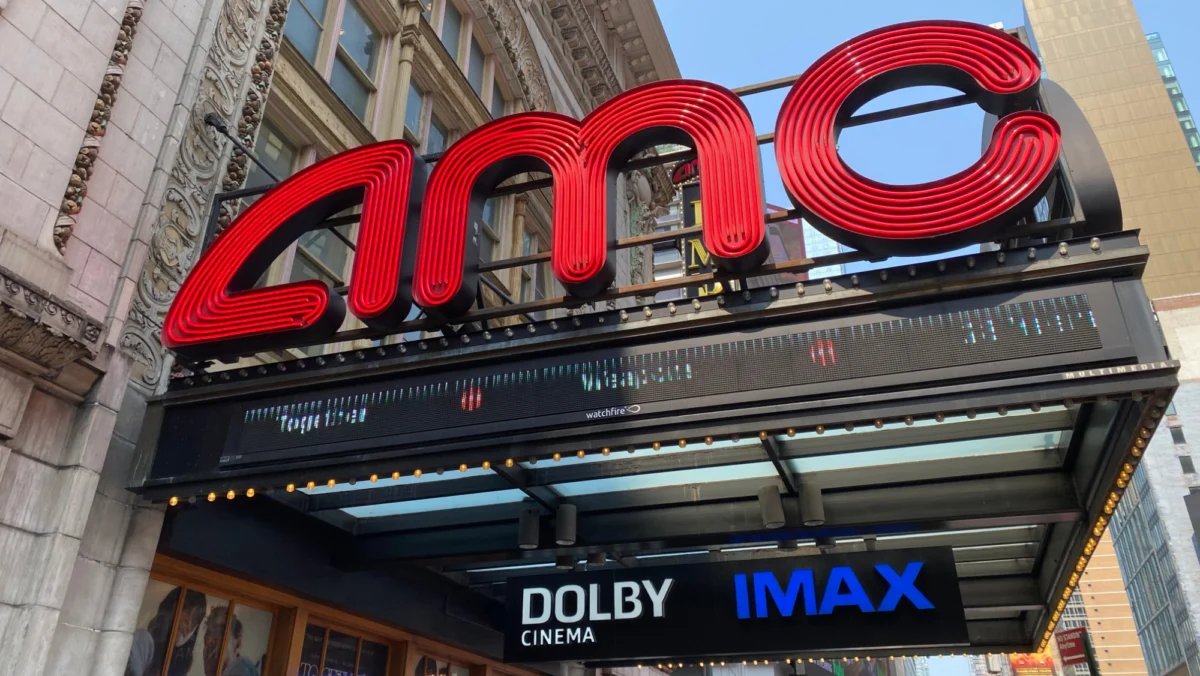
The momentum culminated in the recent launch of Christopher Nolan’s The Odyssey. The epic drama, which debuted just prior to the earnings announcement, secured the biggest live-action opening of the year and set a personal record for Nolan with a $124 million global launch. This specific event acted as a catalyst for AMC’s end-of-quarter performance, drawing 4.3 million patrons to its theaters over a single weekend and reinforcing the value of premium large-format (PLF) screens, such as IMAX and Dolby Cinema, which command higher ticket prices.
Financial Performance and Operational Metrics
While the $1.59 billion revenue figure stands as a testament to the scale of the recovery, the widening net loss to $11.4 million highlights the ongoing challenges of the exhibition business model in a high-interest-rate environment. Analysts point to several factors contributing to the net loss despite record revenue, including increased film rental costs, higher labor expenses, and the substantial interest payments required to service the company’s long-term debt.
However, the adjusted EBITDA of $320.6 million is viewed by many institutional investors as a more accurate reflection of the company’s operational health. This figure represents the cash flow generated from theater operations before accounting for capital structure and non-cash items. The 69.4 percent year-over-year increase in adjusted EBITDA suggests that AMC is becoming significantly more efficient at converting ticket and concession sales into operational profit.
Attendance figures further illustrate the strength of the market. In the United States, AMC saw 52.2 million patrons pass through its doors in the second quarter, a 12 percent increase from the 46.8 million recorded in 2025. The international segment showed even stronger growth on a percentage basis, with attendance rising 18 percent to 18.7 million cinemagoers, compared to 16 million in the previous year. This suggests that the appetite for the "big screen experience" is a global phenomenon, with European markets showing particularly strong resilience.
The Content Engine: Blockbusters and Genre Surprises
The second quarter’s success was underpinned by a strategic mix of intellectual property (IP) and original storytelling. The exhibition industry has long argued that a "steady and diverse supply" of films is the only way to sustain long-term growth, and the 2026 slate provided exactly that.
- The Franchise Powerhouses: Toy Story 5 and The Super Mario Galaxy Movie leveraged existing brand loyalty to dominate the family market. These films are critical for theater chains because they drive high-margin concession sales, as families tend to purchase more popcorn, soda, and snacks than solo adult viewers.
- The Horror Renaissance: Surprise hits like Backrooms and Obsession proved that mid-budget horror remains one of the most reliable genres for the theatrical model. These films often carry lower marketing costs relative to their box office returns and attract a younger, "appointment-viewing" audience that is essential for the industry’s future.
- The Auteur Effect: Christopher Nolan’s The Odyssey reaffirmed the drawing power of the "event" filmmaker. By positioning the film as a must-see cinematic event, the industry was able to capture the attention of adult audiences who may have become more selective about their theater visits in the streaming era.
Industry-wide, the domestic box office for the second quarter reached approximately $2.99 billion. This 10.7 percent increase from the previous year makes it the highest-grossing second quarter in seven years and the fifth-highest in the history of the North American box office.
Leadership Perspective: CEO Adam Aron on Strategic Leverage
AMC Theatres CEO Adam Aron addressed the results with a blend of optimism and a focus on the company’s "inherent operating leverage." In a statement released Monday morning, Aron emphasized that the company’s focus on premium offerings and cost management is finally yielding tangible results.
"Both our U.S. and European businesses showed great progress in the second quarter," Aron stated. "The momentum in the total industry-wide domestic box office was undeniable. This demonstrates the power of AMC’s market-leading position and the appeal of our theatres. We have been able to keep a tight lid on our costs even as revenues rise, which is the hallmark of a recovering, healthy business."
Aron also highlighted the role of the company’s marketing programs and loyalty schemes, such as AMC Stubs, in driving repeat attendance. By utilizing data-driven marketing, the chain has been able to target specific demographics for genre-specific films, ensuring that the "habit" of moviegoing remains ingrained in the consumer consciousness. He acknowledged the "tough years" following the pandemic but noted that the company is now "executing with all cylinders blazing."
Market Analysis and Future Implications
The implications of AMC’s second-quarter performance extend beyond the company’s own balance sheet. The results serve as a bellwether for the entire entertainment ecosystem, including studios, streaming platforms, and rival exhibitors.
The Death of the ‘Streaming-Only’ Narrative:
For several years, the prevailing narrative in Hollywood was that streaming would eventually cannibalize the theatrical window. However, the record-breaking revenue of 2026 suggests a symbiotic relationship rather than a predatory one. Studios are increasingly realizing that a successful theatrical run acts as a massive marketing campaign for a film’s eventual release on digital platforms, increasing its long-term value.
The Premium Format Shift:
The success of The Odyssey and The Super Mario Galaxy Movie on IMAX and other premium screens indicates that consumers are willing to pay a premium for an experience they cannot replicate at home. This is likely to lead to further investment from AMC and its competitors in upgrading standard auditoriums to include reclining seats, enhanced sound systems, and laser projection.
The Debt Challenge:
Despite the operational success, AMC remains a debt-laden company. The increase in net loss serves as a reminder that the company must continue to generate massive amounts of cash to manage its obligations. Analysts expect that if the box office remains at this record-setting pace, AMC may seek to refinance its debt under more favorable terms later in 2026 or 2027.
Looking Ahead to a Record-Breaking Full Year
As the industry moves into the second half of 2026, the outlook remains exceptionally positive. Exhibitors are now looking at the full-year 2026 box office as a candidate to exceed the performance of 2025 and potentially set a new all-time annual record.
The upcoming slate for the third and fourth quarters includes several highly anticipated sequels and original projects that are expected to maintain the current momentum. If the trend of 10-15 percent year-over-year growth continues, the "ravages of COVID-19," as CEO Adam Aron described them, may finally be relegated to the history books. For AMC, the challenge will be to translate this "undeniable momentum" into sustained profitability while continuing to delight a diverse and growing global audience.