Content creator Alanah Pearce, a prominent figure in the gaming and entertainment spheres, has officially launched Charred Pictures, a new independent production company with a distinct mission: to bridge the gap between the burgeoning video game industry and the world of film and television. The company aims to foster deep collaboration with game developers on adaptation projects, ensuring authentic and compelling translations of beloved digital narratives to the silver screen and streaming platforms. This initiative, as reported by Variety, marks a significant move by Pearce to leverage her extensive experience and network to champion video game IPs in Hollywood.
Genesis of Charred Pictures and its Ambitious Slate
Charred Pictures enters the competitive production landscape with an ambitious initial slate of three projects, signaling a clear intent to make a substantial impact. Two of these projects are directly based on established gaming intellectual property, while the third is an original indie film from Pearce herself that has already completed principal photography. This diversified approach showcases the company’s commitment to both established genres and new creative territories.
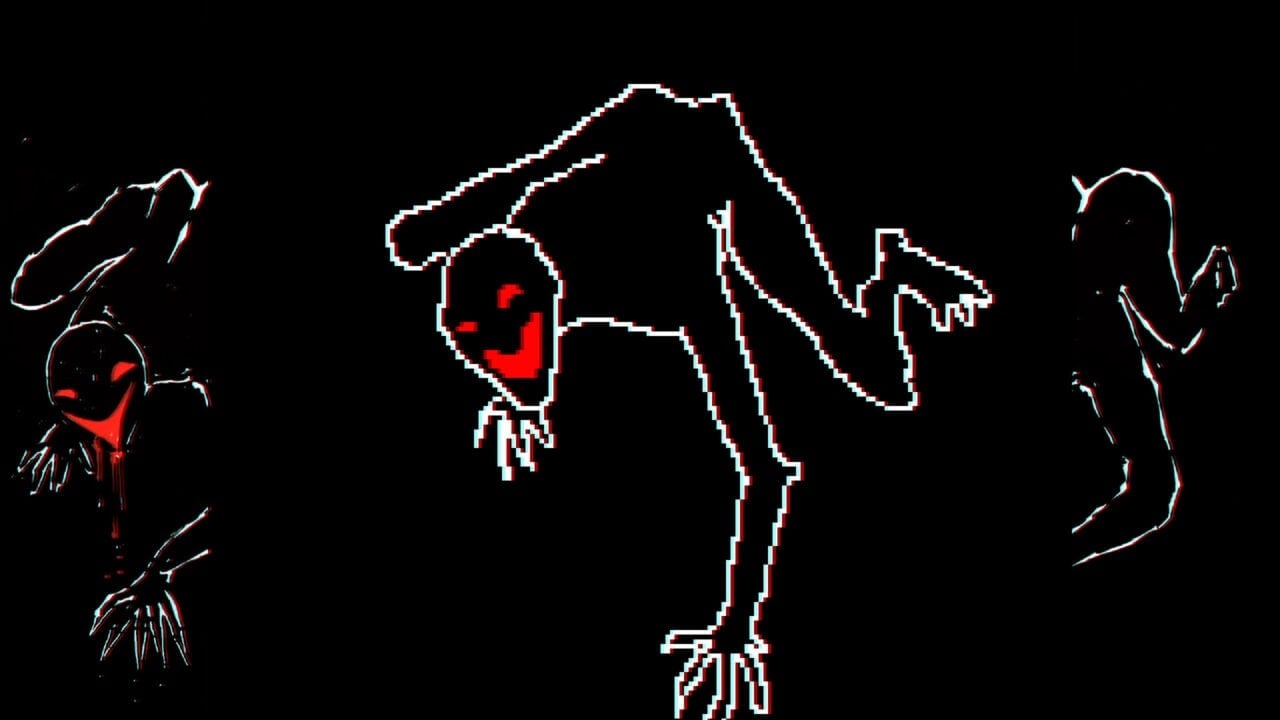
The cornerstone of Charred Pictures’ gaming adaptation efforts is an upcoming film based on the critically acclaimed survival horror game trilogy, Faith: The Unholy Trinity. The project is currently in pre-production, with Pearce herself attached to pen the screenplay. Directing the adaptation will be Brandon Salisbury, a filmmaker whose previous work includes contributing to the George A. Romero-adjacent Resident Evil projects, suggesting a strong understanding of the horror genre and its legacy.
Diving into the Darkness: Faith: The Unholy Trinity Adaptation
The narrative of Faith: The Unholy Trinity is ripe for cinematic exploration. The film is set to plunge audiences into the unsettling paranoia of the 1980s "Satanic Panic," a period characterized by widespread fear and suspicion surrounding alleged satanic cults. At the heart of the story is a young priest who finds himself in a harrowing confrontation with demonic entities, fanatical cultists, and the internal turmoil of his own faltering faith. This setting offers a rich tapestry for psychological horror, exploring themes of belief, doubt, and societal hysteria.
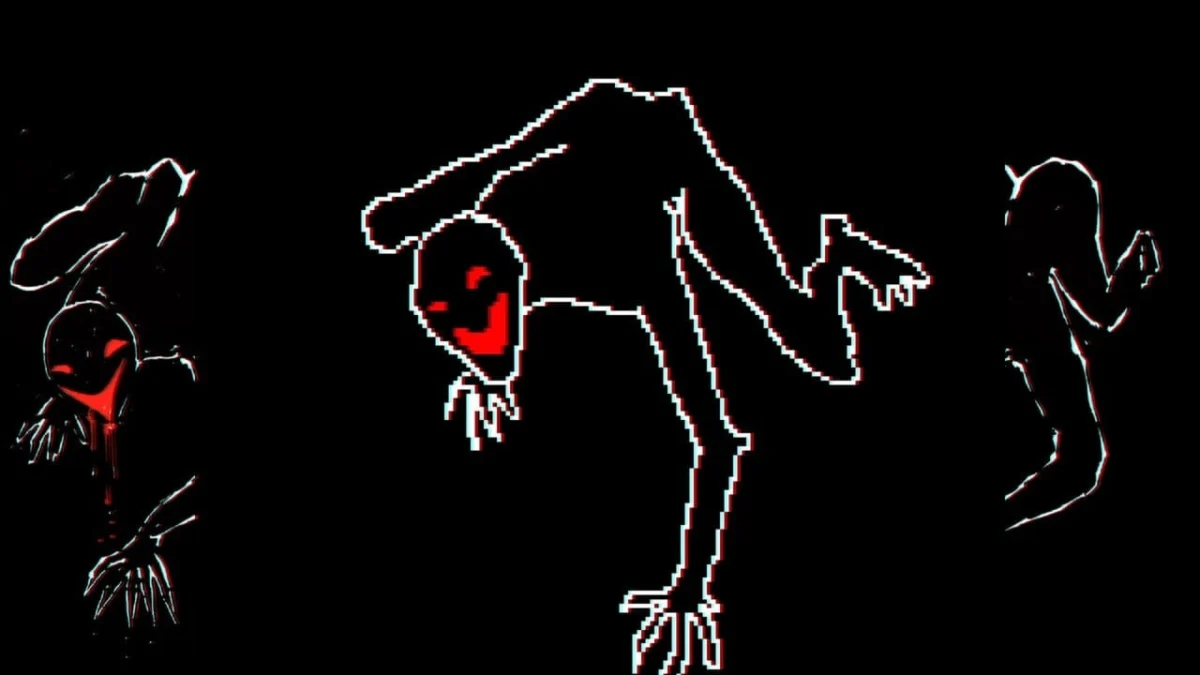
The production of the Faith: The Unholy Trinity film is a testament to the collaborative spirit Charred Pictures champions. Pearce will produce through her new company, with the original game developer, Airdorf Games, serving as an executive producer. This direct involvement from the creators of the source material is a crucial element in ensuring the integrity and authenticity of the adaptation, a point Pearce has repeatedly emphasized as vital for successful video game-to-film transitions. The Faith: The Unholy Trinity game itself, known for its minimalist yet terrifying pixel art aesthetic and its ability to build suspense and dread, has garnered a dedicated following, setting a high bar for its cinematic counterpart. The success of the game, which has seen multiple installments and critical acclaim for its innovative horror mechanics and narrative, underscores the potential of this adaptation to resonate with a broad audience, both existing fans and newcomers to the franchise.
Unveiling the Sinister Side of Hollywood: Dead Take
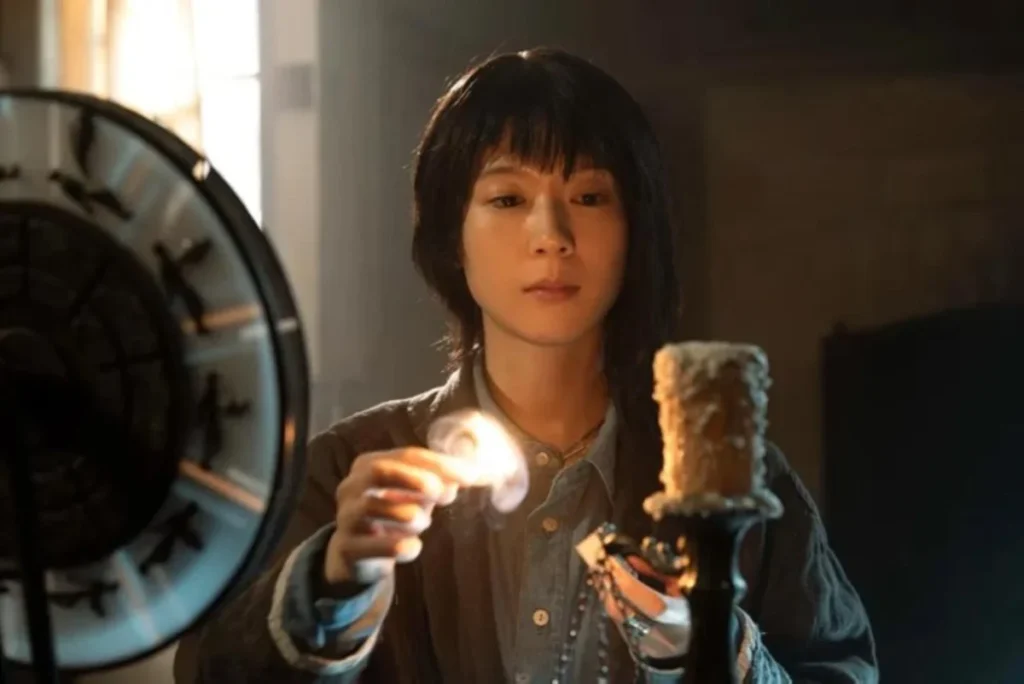
Adding another significant project to its slate, Charred Pictures is also developing a film adaptation of Dead Take, a first-person narrative horror game released in 2025. This project further highlights the company’s dedication to bringing unique gaming experiences to the screen. The game hails from Surgent Studios, founded by Abubakar Salim, a recognizable actor known for his role in HBO’s House of the Dragon. Salim will be a key creative force behind the film adaptation, co-writing the screenplay and co-producing alongside Pearce and Charred Pictures.
The narrative of Dead Take is poised to delve into the darker corners of the entertainment industry. The story is described as exploring "the seedy underbelly of Hollywood and the lengths people will go to achieve fame." This premise offers fertile ground for a contemporary thriller or horror film, tapping into anxieties surrounding celebrity culture, ambition, and the often-unseen sacrifices made in the pursuit of stardom. The game’s unique blend of narrative depth and horror elements, combined with Salim’s personal connection to the source material, suggests a passionate and insightful adaptation. The involvement of Salim, who has a vested interest in the success of the game and its narrative, is a strong indicator of the project’s potential to capture the essence of the original work.
Original Vision and Established Talent: Godmother
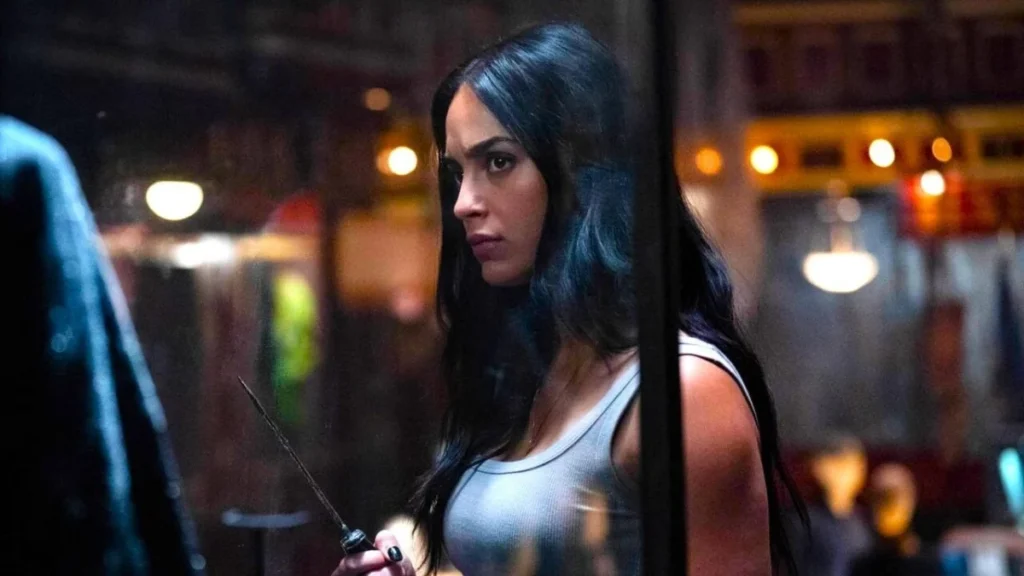
Beyond its direct video game adaptations, Charred Pictures is also nurturing original cinematic projects. The third film on the company’s initial slate is Godmother, an original indie film penned by Pearce and John Veron. Veron also takes on directorial duties for the project. The film boasts a compelling cast, including Paige Evans (Revival) as Theo and Cameron Cuffe (Krypton) as her boyfriend Colby. The plot centers on a couple who embark on a romantic weekend getaway to the High Desert, only for their plans to be subtly and increasingly disrupted by a pair of seemingly amiable retirees. However, these friendly faces harbor sinister intentions, adding a layer of suspense and unease to their idyllic escape.
Adding significant gravitas to the cast are veteran actors Dee Wallace, known for her iconic roles in horror classics like E.T. the Extra-Terrestrial and The Howling, and Bruce Davison, a respected actor with a prolific career including a notable role in X-Men. Their presence in Godmother suggests a film that will blend suspense with potentially chilling character performances. Godmother has already completed production, with filming wrapping in December, and is slated for a festival debut in 2026, marking it as the first completed project under the Charred Pictures banner and providing an early showcase for Pearce’s original storytelling capabilities.
A New Model for Funding: Engaging Content Creators
A particularly innovative aspect of Charred Pictures’ strategy, as revealed by Pearce in her interview with Variety, lies in its approach to funding. The company is actively seeking investment from content creators, such as YouTubers and Twitch streamers, who possess significant financial resources and a genuine passion for the games being adapted. Pearce’s rationale is that these individuals often have established careers that provide financial stability, allowing them to invest in projects they believe in for reasons beyond purely financial returns. Furthermore, these creators are frequently fans of the source material, bringing an inherent understanding and enthusiasm that traditional investors may lack.
"One thing that I’m doing very, very differently in regards to funding is reaching out to content creators," Pearce stated. "These are YouTubers or Twitch streamers who have a lot of money and, in a lot of cases, just want to make something cool. They already have these established careers where they can continuously make money. They operate very differently to most investors in the film industry. They are also always, the people that I’m reaching out to, fans of the game. Many times, a YouTuber has never been contacted about the idea of investing in something, but they’re not against it. Instead of contacting investors who aren’t familiar with these properties, I’m also contacting investors who are fans, and in some cases, helped to popularize the games themselves. That’s not to say everything is going to be 100% funded by YouTubers or content creators or anything, but I am always going to reach out. And thus far, the two of our projects that are fully funded have been largely funded by content creators.”
This novel funding model has already yielded tangible results. Pearce confirmed that the two projects on the slate that are fully funded have indeed received substantial backing from content creators. This approach not only diversifies the investment pool but also fosters a sense of community and shared investment among fans and creators, potentially leading to more organic and passionate marketing and audience engagement. The success of this model could set a precedent for future independent film productions seeking to tap into the vast and engaged audiences of online content creators.
Alanah Pearce’s Extensive Background and Vision
Alanah Pearce’s journey to founding Charred Pictures is marked by a rich and varied career in the entertainment industry. She spent several years as a video game writer at PlayStation’s Santa Monica Studio, a highly regarded developer known for its critically acclaimed titles, most notably the God of War series. This experience provided her with an intimate understanding of game development, narrative design, and the creative process behind interactive entertainment. Since transitioning to freelance work, Pearce has continued to contribute her writing talents to various video game projects.
Her creative portfolio extends beyond writing. Pearce has also ventured into directing and acting. She wrote and directed an episode of the animated kids’ horror series Dark Corners, created by Kate Siegel, and directed an episode of the indie comedy TV series The Comic Shop. Her acting credits include her appearance in V/H/S Beyond, the animated series Dark Corners, and the indie comedy The Comic Shop, as well as video games like Dispatch and the upcoming Warhammer 40,000: Boltgun 2. This multifaceted background equips her with a comprehensive perspective on filmmaking and storytelling, from conception to execution. Her involvement in V/H/S Beyond, a celebrated anthology film, also suggests a strong affinity for the horror genre, which features prominently in Charred Pictures’ initial slate.
The launch of Charred Pictures signifies more than just a new production company; it represents a strategic effort to empower game developers and honor the integrity of their creations in the adaptation process. By prioritizing collaboration and seeking funding from a passionate fan base, Pearce aims to carve out a unique and impactful niche within the film and television landscape, potentially reshaping how video game IPs are brought to life on screen. The success of her initial projects will be closely watched as a barometer for this innovative approach.