New Line Cinema has officially recommitted to the long-gestating sequel for its highly successful 2016 supernatural horror film, Lights Out, by bringing on board promising screenwriter Connor Osborn McIntyre to pen the script. This pivotal development signals a renewed push for the project, which has experienced a protracted and intermittent journey through various stages of development since the original’s theatrical debut. The decision to move forward underscores New Line’s enduring strategy of leveraging proven horror intellectual properties, especially those with a demonstrated capacity for significant financial returns.
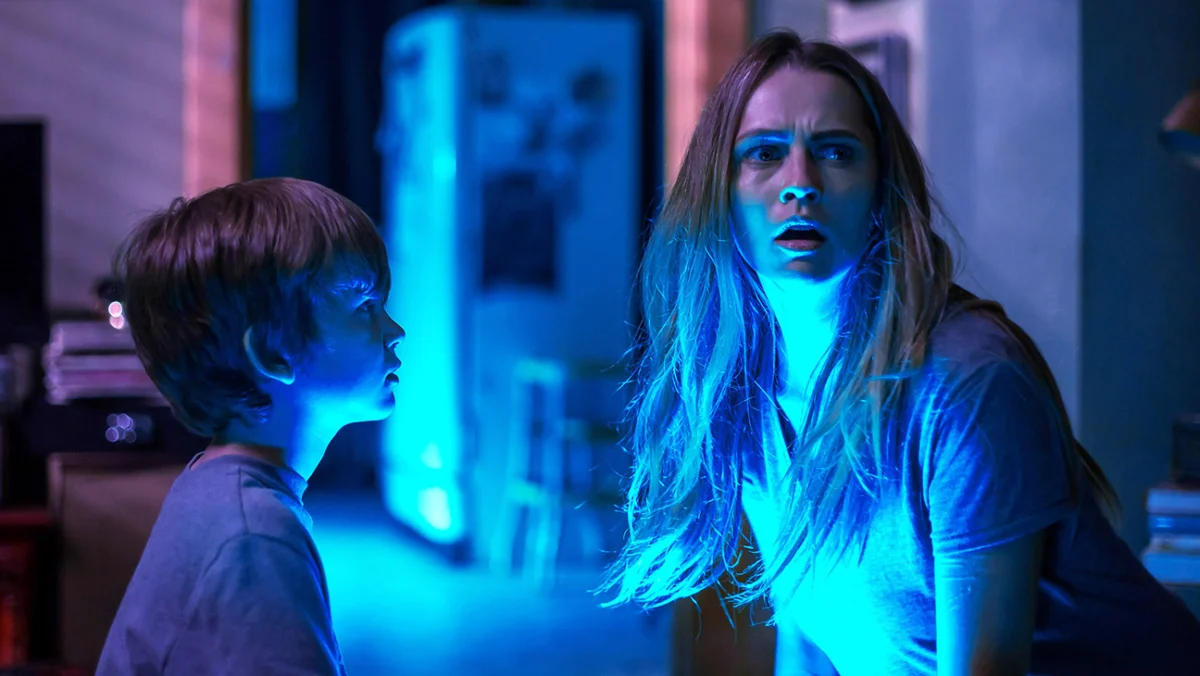
The original Lights Out, released in July 2016, emerged as a sleeper hit, captivating audiences with its innovative premise centered around a malevolent entity that can only manifest in darkness. Directed by David F. Sandberg in his feature film debut, and based on his acclaimed 2013 short film of the same name, the movie garnered both critical praise for its suspenseful atmosphere and originality, and a staggering commercial success. Produced on a modest budget of less than $5 million, Lights Out went on to gross an impressive $149 million worldwide, making it one of the most profitable films of the year and a significant win for New Line Cinema, a division of Warner Bros.
The film’s narrative captivated viewers with its exploration of fear personified by Diana, a supernatural entity intrinsically linked to the dark. The story follows Rebecca (Teresa Palmer), who must protect her younger brother Martin (Gabriel Bateman) from the same terrifying creature that tormented her childhood and is now threatening their mother, Sophie (Maria Bello). The unique visual conceit of a monster that disappears with light and appears with darkness provided a fresh take on classic horror tropes, resonating strongly with both genre enthusiasts and broader audiences. Alexander DiPersia also starred, rounding out the core cast facing the spectral menace.
The immediate and overwhelming success of Lights Out naturally spurred discussions about a sequel. In the wake of its release, New Line expressed keen interest in continuing the story, and initial attempts to develop Lights Out 2 saw original screenwriter Eric Heisserer, who adapted Sandberg’s short for the big screen, penning a draft. Later, Chris Borrelli also contributed to a script. However, despite these early efforts and the clear financial incentive, the project languished, moving in and out of active development over the ensuing years. Industry insiders suggest that common challenges in sequel development, such as securing optimal creative direction, aligning schedules of key personnel, and navigating evolving studio priorities, likely contributed to the delays. Furthermore, the horror genre itself is constantly shifting, with studios often balancing the desire for sequels to established hits with the pursuit of fresh, original concepts.
The current revitalization of Lights Out 2 is marked by the assembly of a robust creative and producing team, blending original talent with new blood. Lawrence Grey, who served as a producer on the first film, is set to return in the same capacity. Eric Heisserer, whose original screenplay was instrumental to the first film’s success, will now transition to an executive producer role, offering his narrative expertise and continuity to the project. David F. Sandberg, who transitioned from directing the original feature to helming major studio productions like Annabelle: Creation and Shazam!, will also serve as a producer, ensuring that the sequel retains the foundational vision of its creator. His continued involvement, even if not directing, is a strong signal of creative commitment to the franchise’s roots.

Joining them are Ben Everard and Lotta Losten, who also have close ties to the original film. Losten, Sandberg’s wife, starred in the original short film and had a cameo in the feature, often collaborating with Sandberg on his projects. Their involvement underscores a desire to maintain the authentic spirit of the Lights Out universe. Furthermore, James Wan’s Atomic Monster banner, a powerhouse in contemporary horror production and one of the original film’s producers, will once again be producing. Atomic Monster’s impressive track record includes the highly successful Conjuring universe, M3GAN, and The Nun, solidifying its reputation for delivering commercially viable and critically engaging horror content. The collective expertise of these returning producers provides a strong foundation for the sequel, promising a continuation of the quality that defined the first film.
The most significant new addition to the creative team is Connor Osborn McIntyre, tapped to write the screenplay for Lights Out 2. McIntyre is rapidly establishing himself as a compelling voice in Hollywood, particularly within the thriller and dramatic genres, making his foray into supernatural horror a notable development. His recent projects highlight his burgeoning talent and diverse storytelling capabilities. He is credited as the writer for Animals, an eagerly anticipated dramatic thriller directed by and starring Ben Affleck, alongside a star-studded cast including Gillian Anderson, Steven Yeun, and Kerry Washington. This high-profile project alone speaks volumes about McIntyre’s rising stock in the industry.
Moreover, McIntyre’s original script American Midnight gained significant recognition, earning a coveted spot on last year’s Black List—an annual compilation of the most liked unproduced screenplays in Hollywood. The script was subsequently acquired by Netflix, with Vertigo Entertainment and Spooky Pictures attached to produce, further solidifying his reputation for crafting compelling narratives. Prior to these successes, his original screenplay Copenhagen was acquired by Makeready and Fifth Season, demonstrating a consistent ability to generate buzz and attract major production entities. McIntyre’s representation includes prominent agencies such as CAA, Kaplan Perrone Entertainment, and Yorn Levine, indicating a well-managed and rapidly ascending career trajectory. His selection for Lights Out 2 signals New Line’s confidence in his ability to infuse fresh ideas and a contemporary sensibility into the established horror property.
While the hiring of McIntyre marks a decisive step forward, specific plot details or the creative "take" for Lights Out 2 are currently being kept under wraps. The enigmatic nature of the original film’s premise, with its creature confined to the dark, offers a fertile ground for various narrative directions. A sequel could explore the origins of Diana, delve deeper into the family’s curse, introduce new characters grappling with similar entities, or even expand the lore to a wider geographical or temporal setting. The challenge for McIntyre and the producing team will be to innovate while maintaining the core elements that made the first film a success, avoiding the pitfalls of diminishing returns often associated with horror sequels.
The renewal of Lights Out 2 also reflects broader trends within the horror genre and New Line Cinema’s strategic positioning. New Line has long been a dominant force in horror, consistently delivering hits ranging from A Nightmare on Elm Street in decades past to the current Conjuring universe, IT franchise, and other standalone successes. Their sustained investment in horror is a testament to the genre’s consistent profitability, often achieved with relatively modest budgets and high fan engagement. The decision to revisit Lights Out demonstrates a calculated move to capitalize on a proven brand that still holds significant recognition and potential for expansion. In a landscape increasingly dominated by franchise filmmaking, resurrecting a popular, high-ROI horror property aligns perfectly with studio imperatives.
The implications of this announcement are manifold. For New Line Cinema, it reinforces their commitment to a robust horror slate and their ability to cultivate and extend successful intellectual properties. For Connor Osborn McIntyre, it represents a significant opportunity to showcase his versatility and storytelling prowess in a major studio horror franchise, further cementing his status as a sought-after writer. For fans of the original Lights Out, it offers the long-awaited prospect of revisiting a beloved horror universe, albeit with the inherent anticipation and scrutiny that accompany any sequel to a breakout hit. The success of Lights Out 2 will hinge on its ability to evolve the chilling concept of its predecessor while delivering a fresh, terrifying, and compelling narrative that resonates with both existing fans and new audiences. The journey from short film sensation to a revitalized franchise continues, with all eyes now on McIntyre’s vision to bring darkness back to the big screen.