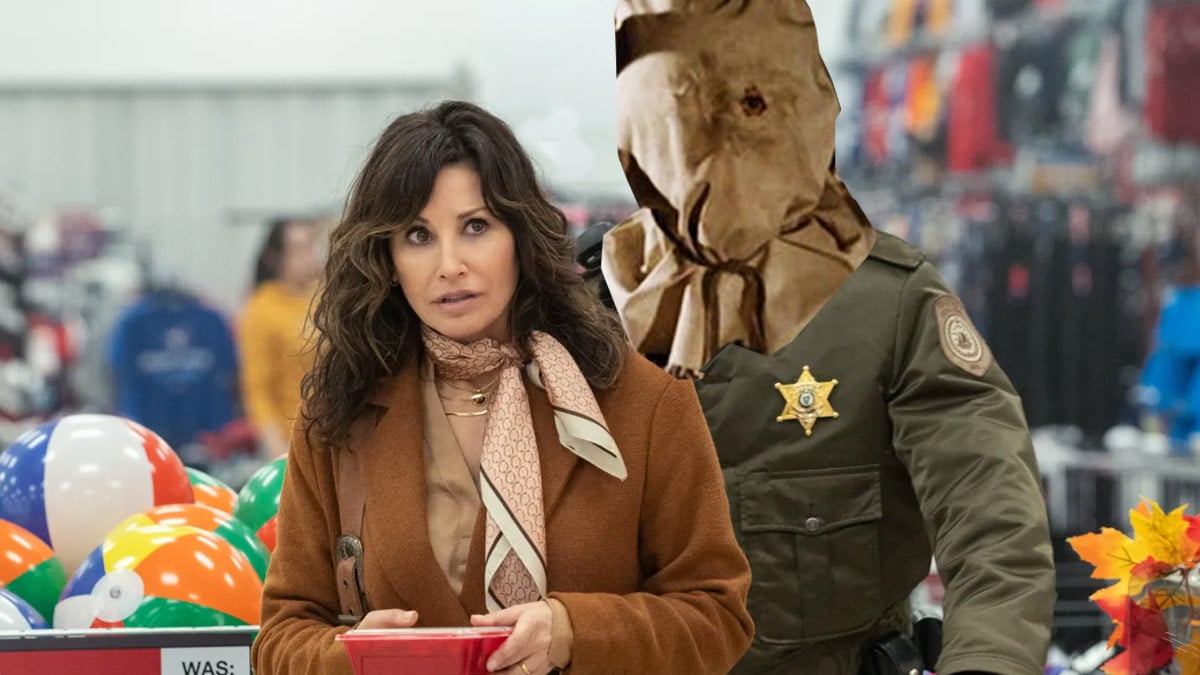
Acclaimed actress Gina Gershon, a familiar face in both mainstream cinema and genre entertainment, recently revealed a significant early career decision that saw her decline a role in the iconic horror franchise Friday the 13th. In an interview with Fox News, Gershon detailed her reasons for walking away from a potentially pivotal part in Friday the 13th Part 2, citing ethical objections to the script’s exploitative depiction of female nudity. This revelation offers a compelling look into the ethical considerations faced by actors, particularly women, in the burgeoning slasher film genre of the early 1980s.
A Promising Offer Meets Moral Conflict
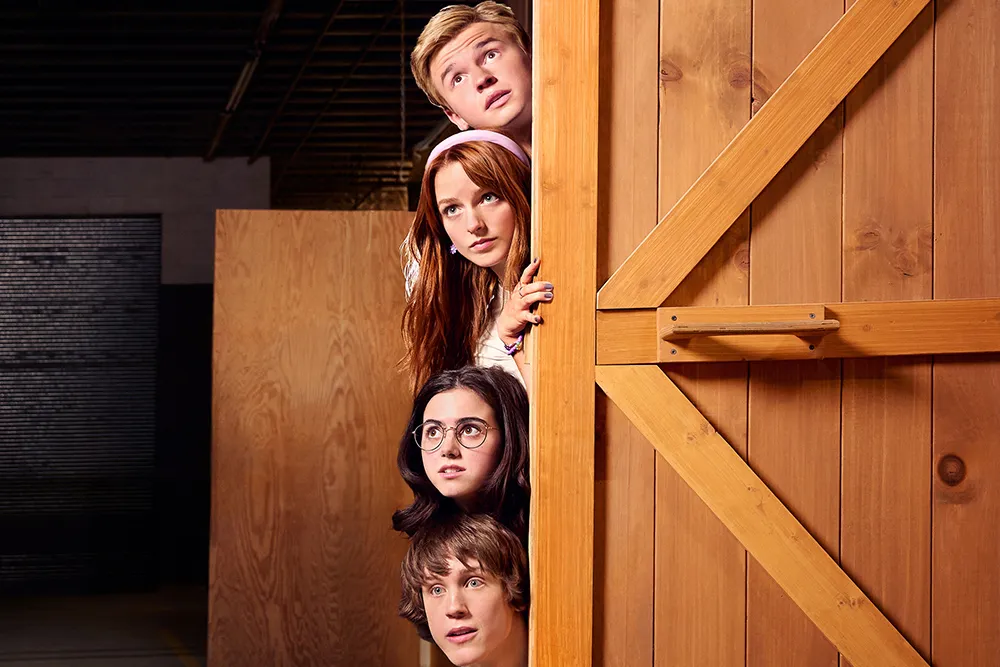
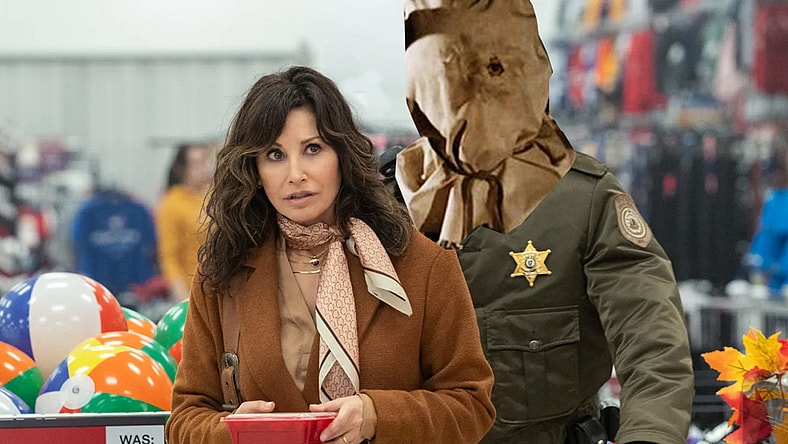
Gershon, who has since garnered widespread recognition for her diverse roles, including her compelling performance in Showgirls and more recently in the television series Chucky and Eli Roth’s Thanksgiving, was in the nascent stages of her acting career when the offer for Friday the 13th Part 2 materialized. The 1981 sequel to the seminal slasher film Friday the 13th was a highly anticipated project, and securing a lead role would have been a significant breakthrough for any aspiring actress.
However, upon reviewing the script, Gershon encountered a specific narrative element that gave her pause: the requirement for her character to appear topless immediately before her demise. "I was offered a lead in that movie," Gershon stated in the interview. "And, of course, I was so excited to act in movies, but it definitely felt kind of exploitative to me and a little silly that right before she gets killed, her top has to come off." This observation speaks to a prevalent trope in early slasher films, where female characters, particularly those portrayed as sexually active or vulnerable, were often subjected to gratuitous nudity and violence.
The "Exploitation 101" Trope
Gershon further elaborated on her discomfort, characterizing the scene as "exploitation 101." The film’s narrative arc for her potential character, as described by Gershon, involved a brutal death scene, reportedly culminating in a stake through the heart. The confluence of her character’s vulnerability, marked by the forced removal of clothing, and her subsequent violent end, struck Gershon as a formulaic and gratuitous depiction.
"I don’t really want to do this," she recalled her internal monologue. "I wasn’t comfortable with it. It seemed silly to me. Not that I had anything against nudity… but only if it makes sense for the character and the story." This sentiment highlights Gershon’s principled stance on her craft, emphasizing the importance of narrative integrity and character development over shock value or titillation. Her perspective underscores a growing awareness among some actors in the early 1980s regarding the often objectifying portrayal of women in horror cinema.
Identifying the Unspecified Role
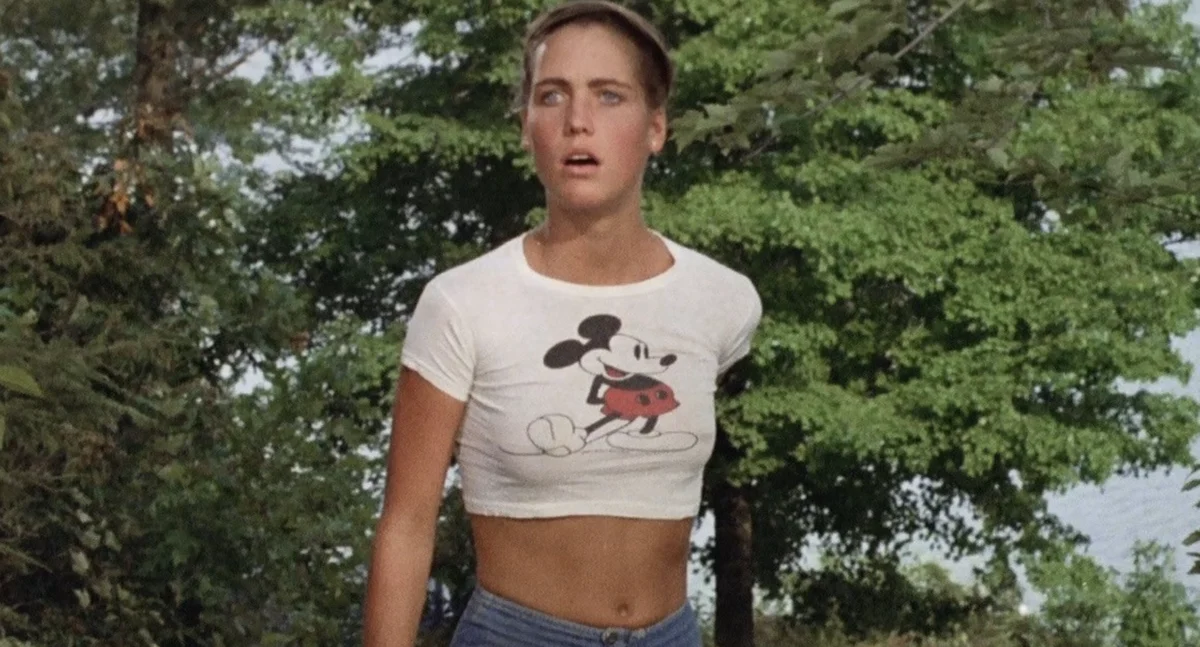
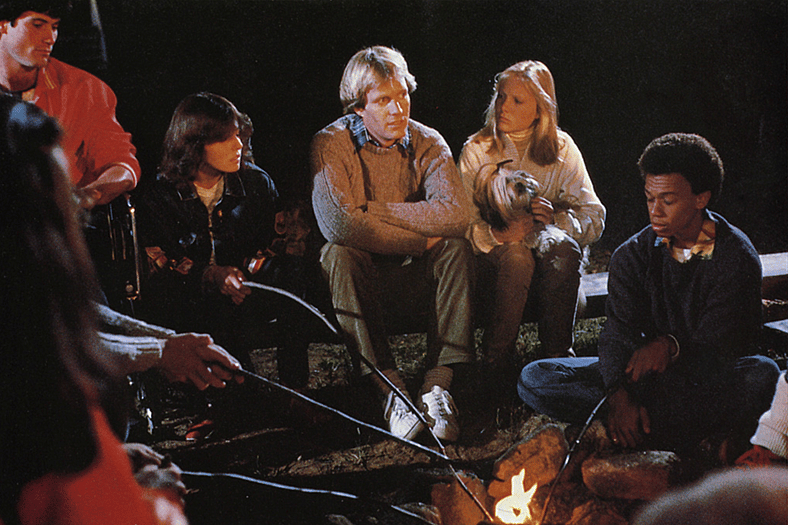
While Gershon did not explicitly name the character she was offered, her description strongly suggests it was one of the supporting female victims in Friday the 13th Part 2. The film, directed by Steve Miner, featured a cast of young adults at Camp Crystal Lake, many of whom meet untimely ends. Based on the narrative of the film and common character archetypes within the genre, the role most likely aligns with either Sandra, played by Larmon De’Vaughn, or Terry, played by Kristen Baker. Both characters are depicted as part of the group of counselors and campers who fall prey to Jason Voorhees’s (or in this case, his mother Pamela Voorhees’s) wrath. The scenes involving these characters, particularly their deaths, often followed the pattern Gershon described, where moments of vulnerability, including nudity, preceded their violent dispatch.
The film’s critical and commercial success, earning over $21.7 million at the box office against a modest budget, solidified the Friday the 13th franchise as a cornerstone of the slasher subgenre. However, its legacy is also intertwined with critiques of its portrayal of violence and its often formulaic reliance on sexualized violence against women.
Parental Guidance and Personal Integrity
Gershon’s decision was not made in a vacuum. She consulted with her father, who offered words of wisdom that reinforced her own ethical compass. "It’s your body," he reportedly told her. "If you’re comfortable with it, I’m comfortable with it." This supportive paternal guidance empowered Gershon to trust her instincts and prioritize her personal comfort and professional integrity over the allure of a potentially career-launching role. This interaction underscores the importance of a strong support system and personal values in navigating the often complex and ethically challenging landscape of the entertainment industry.
The Evolving Landscape of Genre Acting
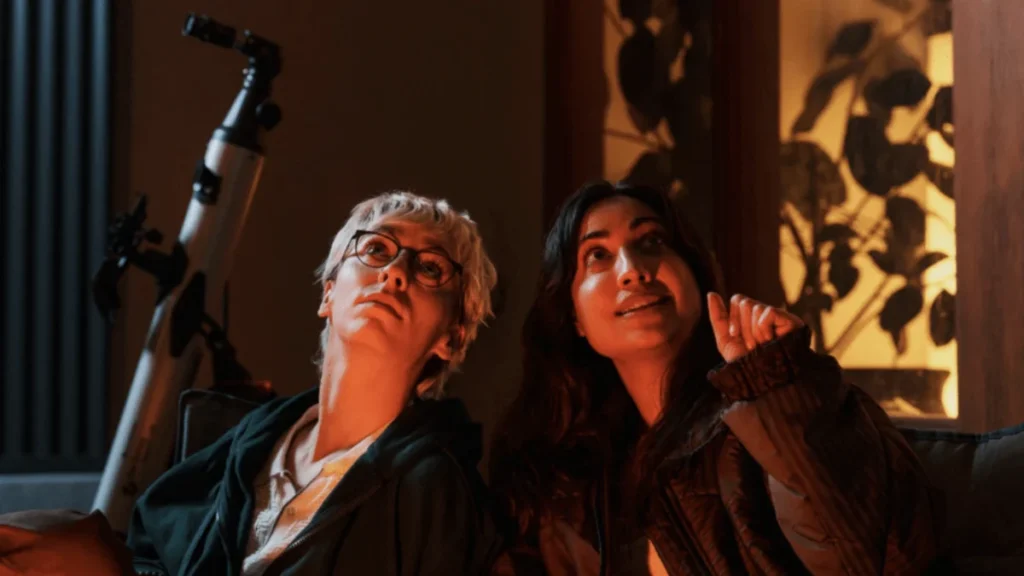
Gershon’s career trajectory after declining the role in Friday the 13th Part 2 demonstrates her ability to forge a successful path on her own terms. Her subsequent work has consistently showcased her range and talent, often in roles that subvert expectations or explore complex female characters. Her participation in the Chucky series, a franchise that itself has evolved and addressed its own tropes over time, and her role in Thanksgiving, a recent horror film that leans into a more satirical and self-aware brand of gore, indicate a continued engagement with the horror genre on her own terms.
The decision by Gershon also reflects a broader, albeit gradual, shift in Hollywood’s approach to female representation and the portrayal of violence. While exploitative elements persisted in genre films for years, there has been an increasing demand for more nuanced and respectful storytelling, particularly concerning female characters. The early 1980s were a peak period for slasher films, and while many were commercially successful, they also drew considerable criticism for their perceived misogyny and gratuitous violence. Gershon’s early rejection of such material positions her as a figure who prioritized artistic integrity and ethical considerations at a time when these were not always paramount in the genre.
Broader Implications for the Horror Genre
Gershon’s statement provides a valuable historical footnote to the Friday the 13th saga and a compelling insight into the decision-making processes of actors within the horror genre. It highlights the often-unseen ethical negotiations that occur behind the scenes, particularly for actresses navigating roles that may involve nudity and vulnerability. Her principled stand suggests that even in a genre often characterized by its embrace of the transgressive, there were actors who sought to uphold a standard of narrative sense and respect for character.
The enduring popularity of the Friday the 13th franchise, despite its often-criticized elements, speaks to its cultural impact. However, voices like Gershon’s serve as a crucial counterpoint, reminding audiences and industry professionals of the complex considerations involved in the creation of these films. Her career, marked by thoughtful choices and a commitment to her craft, stands as a testament to the possibility of achieving success without compromising personal values, even within the often-unconventional landscape of horror cinema. The conversation around female representation in horror continues to evolve, and Gershon’s early stance serves as an important reminder of the historical context and the individuals who paved the way for more nuanced portrayals.