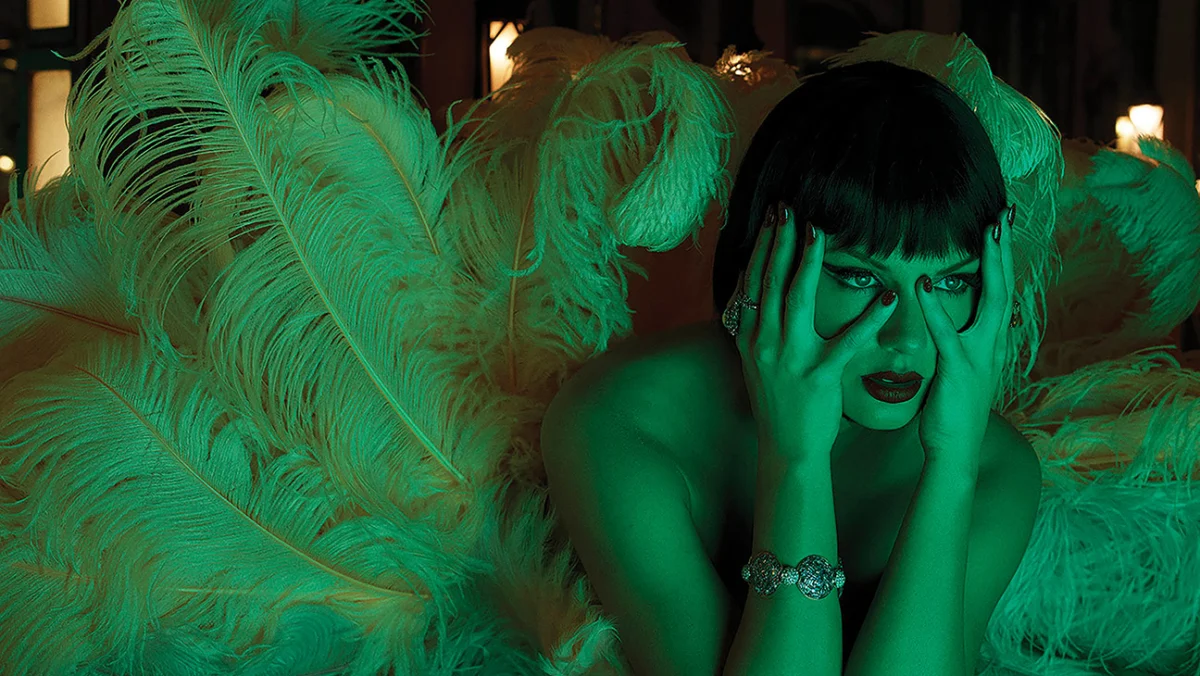
In a significant legal escalation within the music industry, global pop icon Taylor Swift and her label, UMG Recordings, have been named as defendants in a federal lawsuit alleging trademark infringement, false designation of origin, and unfair competition. The complaint, filed on Monday in the U.S. District Court for the Central District of California, centers on Swift’s use of the title The Life of a Showgirl for her twelfth studio album. The plaintiff, Maren Wade—a writer, performer, and former contestant on America’s Got Talent—claims that the singer’s branding has systematically eroded a decade of work Wade spent cultivating a distinct identity under a nearly identical moniker.
The litigation seeks unspecified monetary damages and a permanent injunction that would effectively bar Swift from using the album title in any commercial capacity, including on merchandise, digital streaming platforms, and promotional materials. The case highlights the intensifying friction between independent creators and the expansive intellectual property machines of "A-list" celebrities in the modern digital economy.
The Genesis of the Dispute: A Decade of Brand Building
The roots of the conflict trace back to 2014, when Maren Wade established herself in the competitive Las Vegas entertainment landscape. Wade launched a column in the Las Vegas Weekly titled "Confessions of a Showgirl," which chronicled her professional experiences and the nuances of the performance industry. Over the ensuing twelve years, Wade expanded the "Showgirl" brand into a multifaceted entertainment ecosystem.
According to the legal filing, Wade’s intellectual property extends beyond the written word. Her trademark registrations encompass live stage performances, theatrical productions, television appearances, and a popular podcast. The "Confessions of a Showgirl" live show, which blends pop and jazz music with storytelling, has become a staple of her professional identity. Her legal team argues that the trademark was not merely a title but a "source identifier" that signaled a specific quality and type of entertainment to her audience.
"A solo performer who spent twelve years building a brand shouldn’t have to watch it disappear because someone bigger came along," stated Jaymie Parkinnen, counsel for Wade, in a formal press release following the filing. The statement underscores the core of the plaintiff’s grievance: the alleged "steamrolling" of a small business by a global conglomerate.
The Launch of Swift’s Twelfth Album
The tension reached a breaking point last year with the release of Taylor Swift’s The Life of a Showgirl. The album, which quickly ascended to the top of global charts, was accompanied by a massive merchandising rollout. The complaint alleges that the "Showgirl" designation was "affixed to consumer goods, stamped onto labels, tags, and packaging, and deployed as a source identifier across retail channels."
The plaintiff contends that this saturation of the market was not accidental. The lawsuit suggests that Swift’s team was aware, or should have been aware, of the existing trademark. Wade argues that the sheer scale of Swift’s marketing machine has created "reverse confusion"—a legal phenomenon where a junior user (the larger entity) so saturates the market with a similar mark that consumers mistakenly believe the senior user (the smaller entity) is the infringer or is somehow affiliated with the larger brand.
Wade’s complaint notes that her brand has already suffered "continued erosion," with members of the public accusing her of copying Swift, rather than recognizing her as the original trademark holder.
Regulatory Hurdles: The USPTO Intervention
A critical piece of evidence cited in the lawsuit is a preliminary finding by the United States Patent and Trademark Office (USPTO). When Swift’s representatives moved to register The Life of a Showgirl as an official trademark, the USPTO reportedly declined the application.
According to the lawsuit, the federal agency cited a "likelihood of confusion" with Wade’s existing mark. The USPTO’s analysis reportedly focused on the shared operative phrase "of a Showgirl" and the fact that both parties operate within the same commercial sphere: musical and theatrical entertainment. In trademark law, the similarity of the marks combined with the similarity of the goods or services provided is often the decisive factor in infringement cases.
Existing trademarks generally take precedence over new applications under the "first to use" principle in the United States. The USPTO’s refusal to register Swift’s mark provided the legal foundation for Wade to move forward with a formal civil suit, as it suggests an independent government body found the branding problematic before the litigation even began.
Chronology of Events
To understand the trajectory of this legal battle, it is necessary to examine the timeline of the two brands’ development:
- 2014: Maren Wade debuts "Confessions of a Showgirl" in the Las Vegas Weekly.
- 2015–2022: Wade secures federal trademarks for the name covering live performances, podcasts, and theatrical productions. The brand grows through a live musical show and various media appearances.
- Last Year: Taylor Swift releases her twelfth studio album, The Life of a Showgirl, under UMG Recordings.
- Post-Release: Swift’s team applies for trademark registration for the album title. The USPTO issues a preliminary refusal based on Wade’s existing mark.
- Current Month: Maren Wade files a federal lawsuit in California after attempts to resolve the matter out of court reportedly failed to reach a satisfactory conclusion.
The Defendant’s Intellectual Property Empire
Taylor Swift is not a stranger to the complexities of trademark law. In fact, she oversees one of the most sophisticated intellectual property portfolios in the music industry. Her business operations are managed primarily through TAS Rights Management, which handles the registration and protection of her name, lyrics, and various catchphrases.
Swift currently holds or has pending more than 170 active registrations. These include trademarks for her name, specific album titles like 1989 and Folklore, and even specific lyrical phrases. Her global merchandising arm, Bravado, works in tandem with TAS to ensure that her brand is protected across thousands of product categories, from high-end apparel to digital media.
Historically, Swift has been aggressive in defending her own intellectual property. She has famously filed to trademark phrases like "this sick beat" and "nice to meet you, where you been?" to prevent unauthorized third-party merchandise. This history of rigorous IP enforcement adds a layer of irony to the current lawsuit, as Wade’s legal team argues that Swift is now the party disregarding the protections she so often invokes for herself.
Legal Analysis and Potential Outcomes
Legal experts suggest the case will likely hinge on the "Sleekcraft factors," a set of criteria used by the Ninth Circuit to determine the likelihood of confusion. These factors include:
- Strength of the Mark: How recognizable is "Confessions of a Showgirl"?
- Proximity of the Goods: Both parties provide musical entertainment.
- Similarity of the Marks: Both use the core phrase "of a Showgirl."
- Evidence of Actual Confusion: Wade’s claims that fans think she is copying Swift.
- Marketing Channels: Both use social media, streaming, and live venues.
In cases involving a high-profile defendant like Swift, a settlement is the most common outcome. A "buy-out" of the trademark rights would allow Swift to continue using the name in exchange for a significant financial payment to Wade. However, if the case proceeds to trial, the court could order a total rebrand of the album, a move that would cost UMG Recordings millions in lost merchandise and physical media production.
Broader Implications for the Music Industry
The lawsuit against Taylor Swift and UMG Recordings serves as a cautionary tale for the entertainment industry’s "name-checking" culture. As major artists seek increasingly evocative and thematic titles for their projects, the likelihood of overlapping with existing independent brands grows.
This case also highlights the power of the USPTO as a gatekeeper. By flagging the similarity early, the agency provided a "paper trail" that makes it difficult for a defendant to claim they were unaware of the prior mark. For independent artists like Wade, the lawsuit is a test of whether the legal system can truly protect a smaller creator against the gravity of a global superstar’s brand.
As of the time of filing, representatives for Taylor Swift and UMG Recordings have declined to comment on the pending litigation. The court is expected to set a schedule for preliminary hearings in the coming months, which will determine if the case proceeds to discovery or if a settlement can be reached behind closed doors. For now, the "Showgirl" title remains a point of high-stakes contention in the California federal court system.