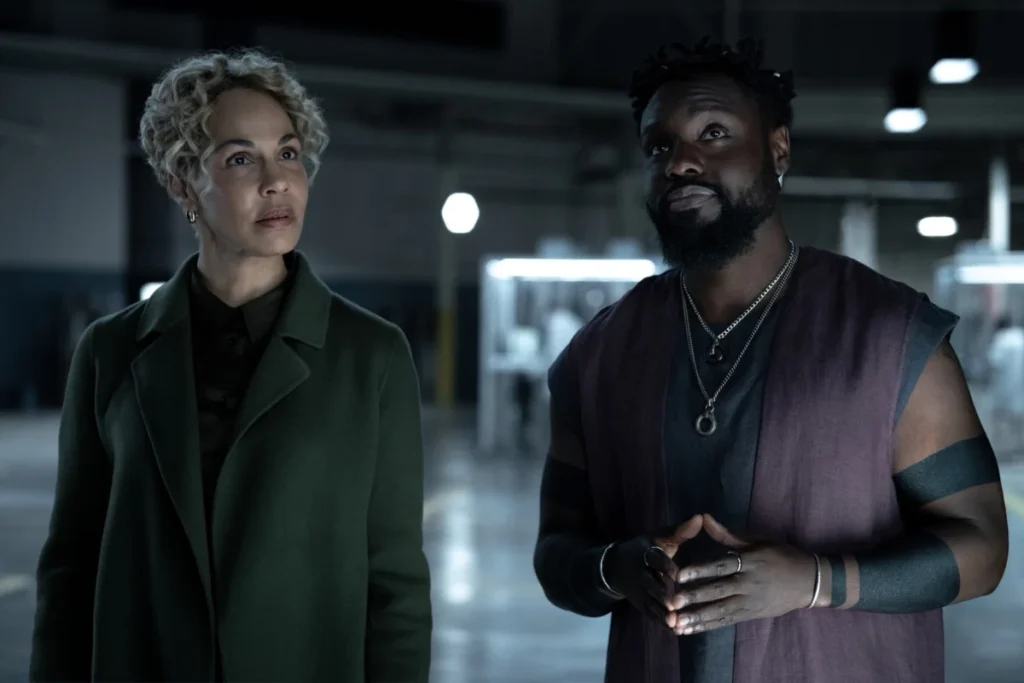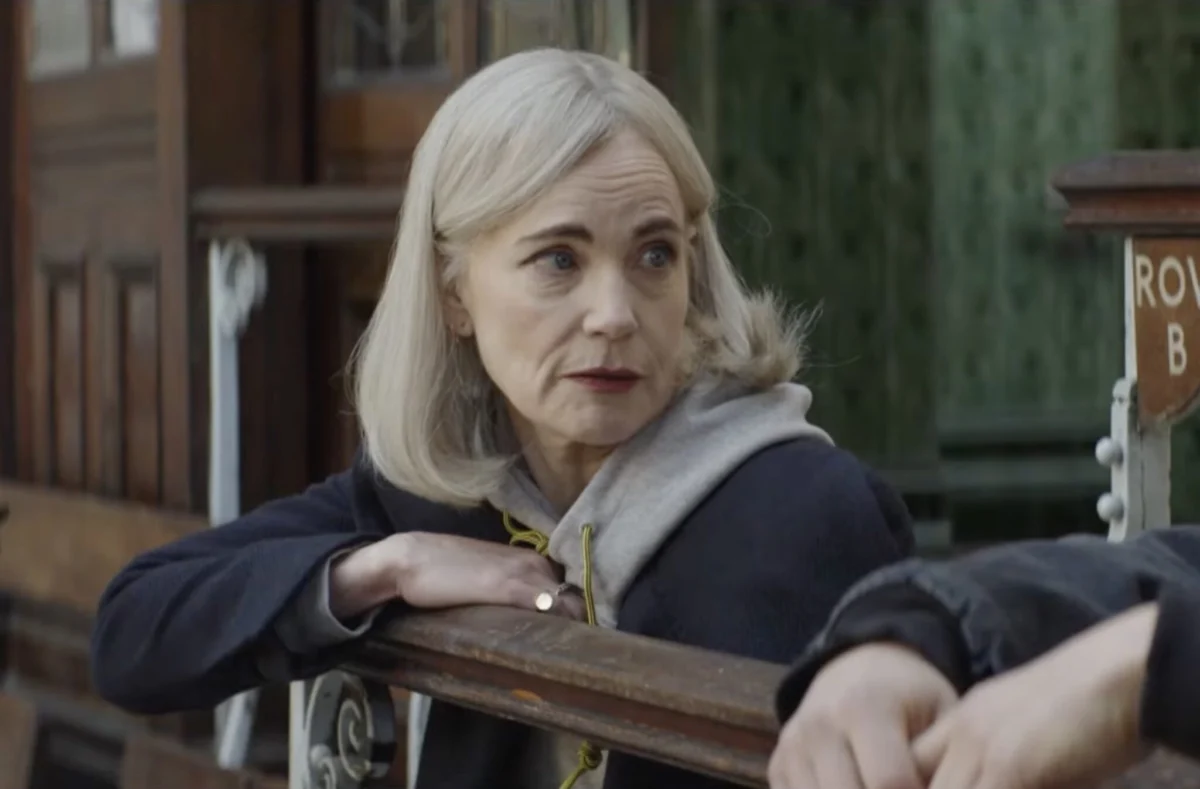
AMC has officially canceled Talamasca: The Secret Order, marking the first series within the burgeoning Anne Rice Immortal Universe to be axed. The decision by the network leaves fans of the sprawling supernatural franchise contemplating the future of this ambitious storytelling endeavor, even as other related series are slated for continuation. This move by AMC signals a critical juncture for the network’s strategy in adapting Anne Rice’s beloved literary works, suggesting a need for recalibration and potentially a more targeted approach to future productions within the universe.
The announcement, first reported by Variety, comes after a single six-episode season of Talamasca: The Secret Order. While the show explored the enigmatic Talamasca, an organization dedicated to observing and cataloging supernatural beings, its cancellation raises questions about its performance and the network’s overall investment in the interconnected universe. AMC, in a statement, acknowledged the significant role of the Talamasca within Rice’s mythology. "The Talamasca has a storied place within the Anne Rice Immortal Universe, and we expect to see at least some of these characters, and the organization itself, in future expressions of the franchise," the network stated. This suggests that while the dedicated series may be over, the lore and characters introduced within it are not necessarily being retired entirely, hinting at potential integration into future narratives or spin-offs.
A Universe in Flux: The Anne Rice Immortal Universe Landscape
The cancellation of Talamasca: The Secret Order arrives at a pivotal moment for the Anne Rice Immortal Universe on AMC. The network has found considerable success with its initial forays into Rice’s expansive world, particularly with Interview with the Vampire and Mayfair Witches. Both of these foundational series have been greenlit for third seasons, indicating a strong audience appetite for their respective narratives.
Interview with the Vampire, which premiered in October 2022, has been a critical and commercial success for AMC+, garnering significant praise for its bold reimagining of Anne Rice’s iconic novel and its stellar performances. The series is set to undergo a significant rebranding, returning as The Vampire Lestat in June. This name change suggests a potential shift in narrative focus, possibly delving deeper into the complex and alluring character of Lestat de Lioncourt, played by Sam Reid, or exploring other narratives within Rice’s vast vampire chronicles. The anticipation for this rebranded third season underscores AMC’s continued commitment to the vampire side of the universe.
Meanwhile, Mayfair Witches, which debuted in January 2023, has also secured a third season. This series, based on Rice’s supernatural thriller novels, centers on neurosurgeon Dr. Rowan Fielding as she discovers she is the heir to a family of powerful witches. The show has carved out its own niche, appealing to viewers fascinated by witchcraft, gothic mysteries, and familial curses. Its return for a third season, expected next year, confirms AMC’s belief in the enduring appeal of the Mayfair lineage and the magical elements of Rice’s universe.
Against this backdrop of established success and future plans, the cancellation of Talamasca: The Secret Order stands out. The series aimed to bridge the narratives of both the vampire and witch sagas, exploring the clandestine organization that acts as a silent observer to the supernatural world. Its cancellation raises the question of whether its specific narrative or execution failed to resonate as strongly with audiences or align with AMC’s long-term strategic vision for the universe, despite the network’s assertion of its continued importance in the lore.
The Genesis and Premise of Talamasca: The Secret Order
Talamasca: The Secret Order drew its inspiration from the rich tapestry of Anne Rice’s work, weaving elements from both the Interview with the Vampire and Mayfair Witches series. The core concept revolved around the Talamasca, a secret society established in the 17th century with the sole purpose of observing and documenting paranormal phenomena and immortal beings. This organization, often portrayed as a neutral entity, operates in the shadows, amassing knowledge about vampires, witches, ghosts, and other entities without directly interfering in their affairs.
The series’ narrative centered on Guy Denton, portrayed by Guy Denton himself, a bright law student whose life takes an extraordinary turn when he is recruited into the clandestine ranks of the Talamasca. The premise delved into Guy’s discovery that the Talamasca had been tracking him since his childhood, a revelation that plunged him headlong into a hidden world populated by secret agents and immortal beings who had, until then, maintained a fragile equilibrium with the mortal realm. This setup offered a unique perspective on the supernatural, shifting the focus from the direct experiences of vampires and witches to the clandestine operations of those who study them.
The logline succinctly captured this intriguing premise: "When Guy learns that the Talamasca has been tracking him since his childhood, he falls headlong into a world of secret agents and immortal beings who, up to now, have maintained a fragile balance with the mortal world." This promise of uncovering secrets and navigating the complex interrelationships between the seen and unseen worlds was the driving force behind the series.
Cast and Creative Team: A Blend of Familiar and New Faces
Talamasca: The Secret Order boasted a cast that blended established actors with emerging talent, aiming to bring depth and gravitas to the supernatural drama. Guy Denton, in the central role of the law student turned Talamasca operative, led the ensemble. His co-stars included notable performers such as Elizabeth McGovern, William Fichtner, Maisie Richardson-Sellers, and Celine Buckens, each contributing their skills to the intricate world of the Talamasca.
The series also featured significant guest appearances that directly linked it to the broader Anne Rice Immortal Universe. Jason Schwartzman made an appearance as a vampiric guest star, hinting at the intersection of the Talamasca’s observational duties with the vampire narratives. Furthermore, Eric Bogosian and Justin Kirk reprised their roles as their respective characters from Interview with the Vampire, solidifying the connective tissue between the shows and reinforcing the shared universe concept. This integration was crucial in establishing Talamasca not as a standalone entity, but as an integral part of AMC’s larger Anne Rice adaptation strategy.
However, the creative leadership of the series presented a somewhat unusual combination. The show was developed and co-showrun by John Lee Hancock, known for his work on films like The Blind Side, and Mark Lafferty, who had previous experience as a producer on acclaimed series such as The Right Stuff and Halt and Catch Fire. This pairing of talent from different spheres of the entertainment industry—film directing and television production—may have contributed to the varied critical reception the show ultimately received.
Critical Reception: A Divided Landscape
The critical response to Talamasca: The Secret Order was notably mixed, reflecting a divergence in opinion regarding its artistic merit and its place within the Anne Rice universe. This divided reception often serves as an indicator of a show’s potential to capture a broad audience and its overall impact.
Some critics found merit in the series’ premise and its ambitious attempt to expand the lore. The AV Club, for instance, awarded the show a respectable B+, suggesting a level of engagement and appreciation for its narrative ambitions. This rating implies that the series offered enough compelling elements to warrant a positive assessment, likely acknowledging its role in world-building and character introduction.
However, other reviews were far less forgiving. Vulture, in a particularly pointed critique, contrasted Talamasca unfavorably with its predecessor, Interview with the Vampire. The publication scoffed, "Where Interview With the Vampire is ambitious, Talamasca is brand management." This damning assessment suggests that Talamasca was perceived by some as a less inspired effort, potentially prioritizing the expansion of AMC’s Anne Rice franchise over genuine creative innovation or storytelling depth. Such criticism can significantly influence viewer perception and contribute to a show’s struggles to gain traction, even with a built-in fanbase. The "brand management" critique implies a feeling that the show was created more to leverage the existing IP rather than to tell a compelling, original story.
The Implications of Cancellation: A Strategic Reassessment?
The cancellation of Talamasca: The Secret Order by AMC suggests a strategic reassessment of their investment in the Anne Rice Immortal Universe. While the network has affirmed its commitment to the franchise, evidenced by the renewals of Interview with the Vampire and Mayfair Witches, the termination of the Talamasca series indicates that not all ventures within this universe are deemed equally viable or successful.
Several factors could have contributed to this decision. The mixed critical reception, as highlighted by the stark contrast between The AV Club and Vulture, likely played a significant role. A divided critical landscape can translate into a fractured audience, making it challenging to build substantial viewership and secure long-term renewal. Furthermore, while specific viewership data for Talamasca on AMC+ has not been publicly detailed, it is plausible that its performance did not meet the network’s expectations or benchmarks for continued investment. The streaming landscape is increasingly competitive, and networks often make difficult decisions based on a show’s ability to attract and retain subscribers.
The decision to cancel Talamasca may also signal a shift in AMC’s strategy towards focusing on the more established and popular narratives within the Anne Rice universe. The success of Interview with the Vampire and Mayfair Witches provides a strong foundation, and the network might opt to concentrate its resources on further developing these flagship series, as indicated by the rebranding of Interview with the Vampire to The Vampire Lestat. This approach allows for deeper dives into beloved characters and established storylines, potentially yielding more consistent returns than introducing a new, less proven element of the universe.
While AMC’s statement indicates that the Talamasca organization and its characters may reappear in future projects, the cancellation of its dedicated series suggests that the immediate future of the Anne Rice Immortal Universe on AMC will likely prioritize the continuation and expansion of its most successful components. This move underscores the delicate balance networks must strike between exploring new narrative avenues within a beloved franchise and ensuring the sustained success of their core offerings. The future of the Anne Rice universe on AMC will undoubtedly be watched closely by fans and industry observers alike, as the network navigates its path in this richly imagined supernatural world.