Arrow Video, a premier distributor of classic and cult cinema, has officially confirmed the upcoming release of a high-definition 4K restoration of the 1979 Japanese action-fantasy landmark, GI Samurai. Starring the legendary martial arts icon Sonny Chiba, the film is scheduled to arrive on Limited Edition Blu-ray in the United States and Canada on May 5, 2026. This release represents a significant milestone for enthusiasts of Japanese "J-Action" cinema, offering a definitive version of a film that famously merged modern military technology with the brutal, honor-bound warfare of the Sengoku period.
The restoration project, spearheaded by Kadokawa Pictures, utilizes contemporary scanning and color-grading technologies to revitalize the visual grandeur of the original 1979 production. Known in Japan as Sengoku Jieitai (Warring States Self-Defense Force), the film was a massive undertaking for its time, featuring extensive practical effects, large-scale battle choreography, and a narrative premise that has since become a staple of the "time-slip" subgenre in science fiction.
The Cinematic Legacy of Sonny Chiba and GI Samurai
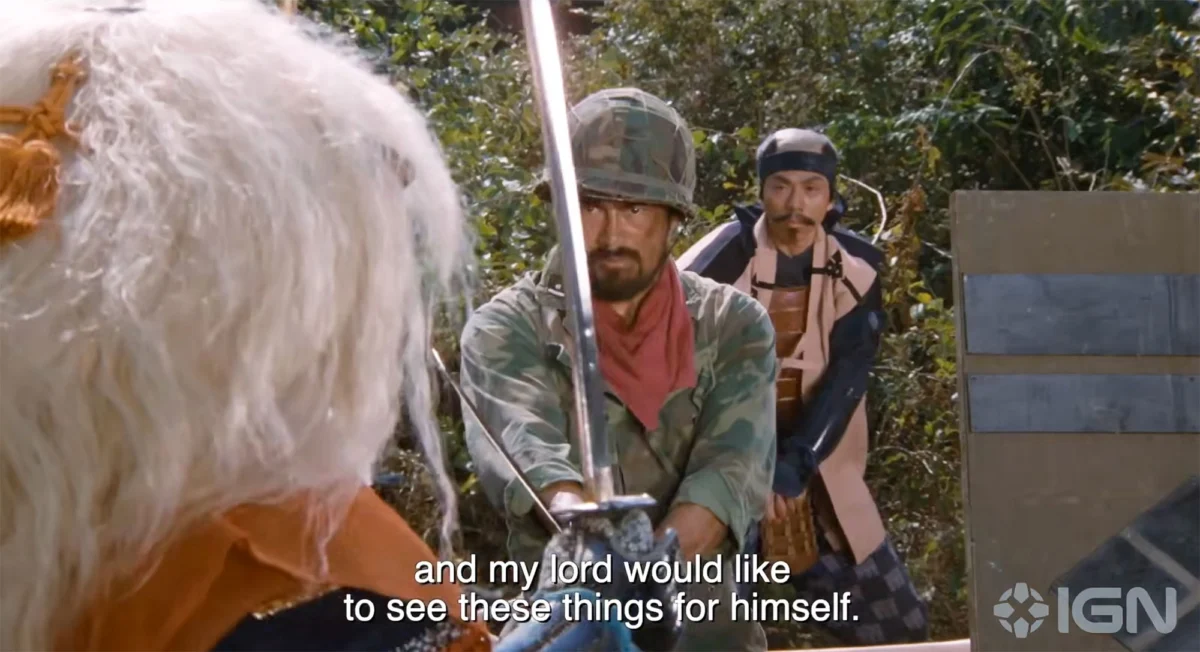
At the heart of GI Samurai is Shinichi "Sonny" Chiba, an actor whose physical prowess and intense screen presence helped define action cinema in the 1970s. While Chiba is perhaps best known to Western audiences for his role in The Street Fighter series or his later appearance as Hattori Hanzo in Quentin Tarantino’s Kill Bill: Vol. 1, GI Samurai showcases a different facet of his career. As Second Lieutenant Iba, Chiba portrays a modern soldier forced to reconcile 20th-century tactical training with the chaotic realities of feudal Japan.
The film follows a unit of the Japan Self-Defense Forces (JSDF) that, during a routine military exercise, is caught in a temporal anomaly. The soldiers, along with their modern arsenal—including a tank, a patrol boat, and a Bell UH-1 Iroquois helicopter—are transported 400 years into the past. They find themselves in the midst of the Sengoku period, an era of near-constant civil war and social upheaval. The narrative explores the inherent friction between modern men, who are bound by military protocol and a sense of historical displacement, and the samurai warlords who view the newcomers as either divine messengers or dangerous obstacles to their conquest.

Technical Specifications and Restoration Details
The 2026 Arrow Video release is based on a new 4K restoration conducted by Kadokawa Pictures from the original film elements. This restoration aims to preserve the film’s original grain structure while enhancing clarity and color accuracy, which is particularly vital for the film’s sprawling outdoor battle sequences.
The Limited Edition Blu-ray will include:
- A high-definition 1080p presentation of the 4K restoration.
- The original Japanese language track with newly translated English subtitles.
- The uncut English-language dub, historically titled Time Slip.
- Reversible sleeve artwork featuring original and newly commissioned illustrations.
- A comprehensive collector’s booklet featuring new writing on the film’s production and cultural impact.
The inclusion of the Time Slip version is a nod to the film’s international distribution history. When it first reached Western markets in the early 1980s, the film was often edited and re-titled, leading to various versions circulating on home video formats. Arrow Video’s commitment to providing the uncut versions ensures that the director’s original vision is maintained.
Production Context and Historical Significance
Directed by Kosei Saito, GI Samurai was produced during a transformative period for the Japanese film industry. By the late 1970s, the traditional studio system was struggling, leading to the rise of independent producers like Haruki Kadokawa, who sought to create "blockbuster" experiences that could compete with Hollywood imports. GI Samurai was a cornerstone of this strategy, boasting a budget that allowed for genuine military equipment and hundreds of extras.
The screenplay, written by Toshio Kamata and adapted from the novel by Ryo Hanmura, delved into themes of existentialism and the futility of war. Unlike many action films of the era that glorified combat, GI Samurai presented a more cynical view of how modern technology would interact with ancient traditions. The soldiers’ struggle to maintain their humanity while holding the power of gods—in the form of firearms and explosives—remains a poignant narrative thread.

Kosei Saito, who would later direct Ninja Wars (1982), brought a gritty, visceral style to the production. The action sequences, choreographed with Chiba’s Japan Action Club (JAC), are noted for their dangerous stunts and realistic horse-riding maneuvers. The sight of a tank crushing wooden fortifications or a helicopter engaging samurai on horseback provided a visual spectacle that was unprecedented in Japanese cinema at the time.
Chronology of the GI Samurai Franchise
The impact of GI Samurai has resonated through Japanese media for decades, leading to various adaptations and reimaginings:
- 1971: Ryo Hanmura publishes the original novel, Sengoku Jieitai, which becomes a literary sensation.
- 1979: The original film directed by Kosei Saito premieres in Japan, becoming a box office success.
- 1981: The film is released in the United States under the title Time Slip.
- 2005: A high-budget remake, Samurai Commando: Mission 1549, is released in Japan, featuring updated military technology and special effects.
- 2006: A two-part television miniseries, Sengoku Jieitai: Sekigahara no Tatakai, is produced, further expanding on the "modern soldiers in the past" premise.
- 2026: Arrow Video releases the definitive 4K restoration, bringing the original classic to a new generation of high-definition home theater users.
Analysis of Global Influence and Implications
GI Samurai is frequently cited as a foundational work in the "portal fantasy" or "isekai" genre, specifically within the military sub-genre. Its influence can be seen in later works such as the manga and anime series GATE, and even Western productions that explore the "what if" scenarios of modern technology meeting historical warfare.
From a sociological perspective, the film reflects the anxieties of post-war Japan. The JSDF, established as a defensive force under Japan’s pacifist constitution, is placed in a setting where defense is impossible and aggression is the only means of survival. This thematic tension provides a layer of depth that elevates the film above standard action fare.
Industry analysts suggest that the decision to release a 4K restoration in 2026 is a response to the growing demand for physical media among collectors. As streaming services often prioritize newer content, boutique labels like Arrow Video have found success by treating classic films as prestigious artifacts. The restoration of GI Samurai not only preserves a piece of cinematic history but also ensures that the artistry of Sonny Chiba and the Japan Action Club is viewed in the best possible quality.

Official Responses and Market Expectations
While official statements from Kadokawa Pictures emphasize the technical achievement of the restoration, film historians have praised the move as a necessary preservation of 1970s genre cinema. Dr. Hiroki Sato, a researcher in Japanese cinematic history, noted that "GI Samurai represents the pinnacle of the ‘Kadokawa era’ of filmmaking, where ambition and genre-blending pushed the boundaries of what Japanese cinema could achieve internationally."
Market expectations for the May 5 release are high. Retailers specializing in cult cinema have reported significant pre-order interest, particularly for the Limited Edition packaging. The release also coincides with a renewed global interest in martial arts cinema, fueled by the success of contemporary action franchises that cite 1970s classics as primary influences.
The 4K restoration of GI Samurai serves as a testament to the enduring power of high-concept storytelling and the physical commitment of its performers. As the film prepares for its North American re-emergence in 2026, it stands as a bridge between the analog spectacle of the past and the digital clarity of the future, offering a chaotic, "bonkers," and ultimately unforgettable cinematic experience.