Shannon Elizabeth, the actress who rose to international prominence as a definitive figure of the late-1990s teen comedy genre, has announced a significant professional transition by launching an official account on the creator-focused platform OnlyFans. At 52, the actress and conservationist described the move as the commencement of a "new chapter" intended to grant her total autonomy over her public image and professional output. The announcement, which was first detailed in an exclusive interview with People, signals a departure from traditional Hollywood management structures in favor of a direct-to-consumer model that has become increasingly popular among established entertainment figures seeking to monetize their personal brands and legacy status.
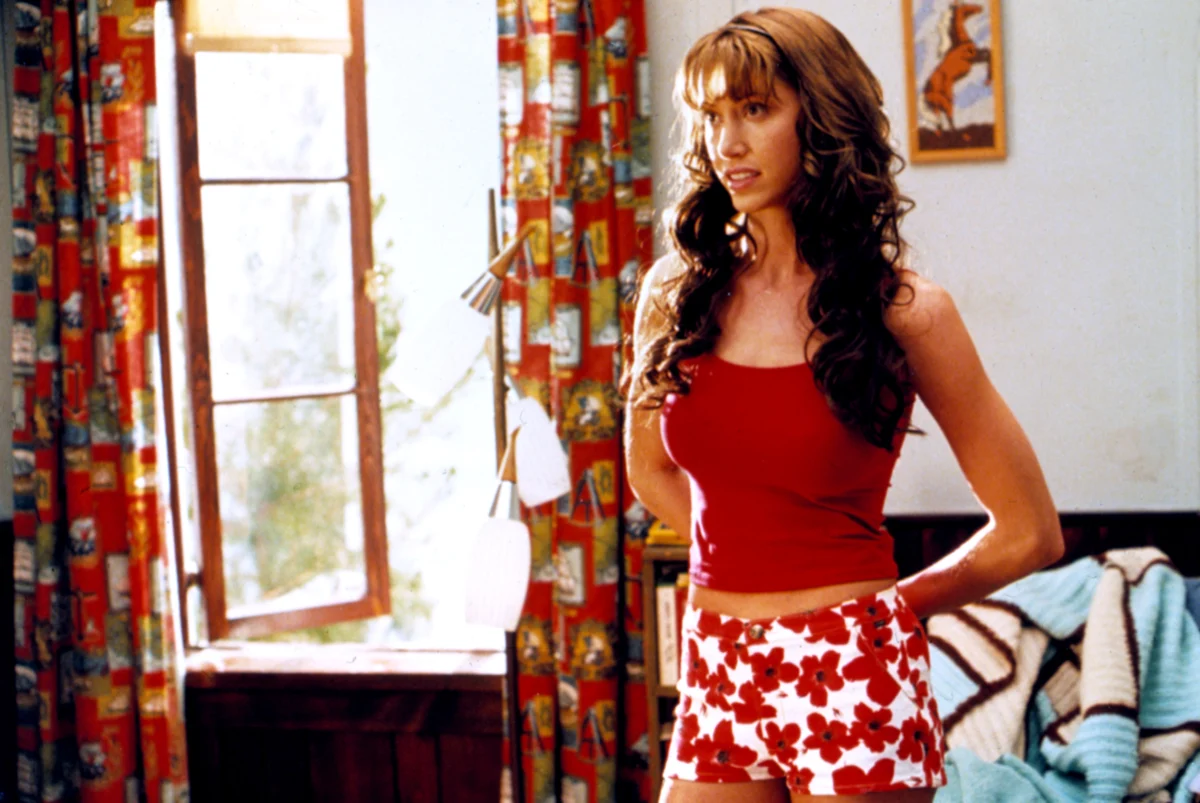
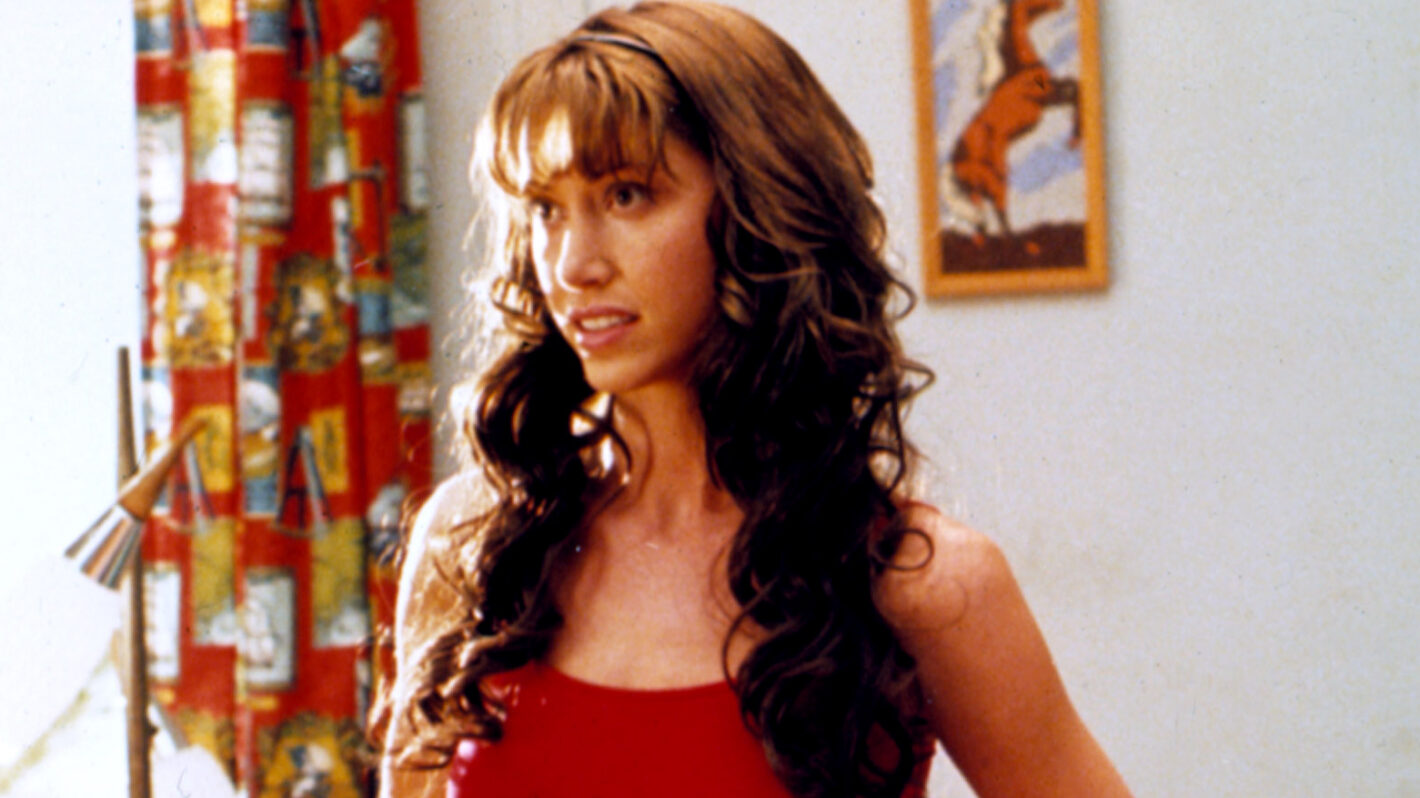
The actress, best known for her role as Nadia, a Czech foreign exchange student in the seminal 1999 comedy American Pie and its 2001 sequel, revealed that her decision was motivated by a desire to reclaim a narrative she felt was often dictated by external forces within the film industry. Elizabeth noted that throughout her multi-decade career, she frequently found the trajectory and public perception of her work controlled by studios, casting directors, and marketing departments. By joining OnlyFans, she intends to pivot toward a self-governed creative process that allows for a more intimate and authentic connection with her global fanbase.
The Evolution of the Nadia Archetype and Professional Autonomy
The transition marks a pivotal moment for Elizabeth, who has spent years navigating the complexities of being synonymous with one of the most recognizable "sex symbol" roles of the turn of the millennium. In her recent statements, she emphasized that this new platform would allow her to showcase a "more sexy side" that she feels has been underserved or mismanaged in the past. The move is not merely about aesthetic presentation but represents a broader shift toward the creator economy, where legacy stars leverage their established fame to bypass traditional gatekeepers.
"I’ve spent my entire career working in Hollywood, where other people controlled the narrative and the outcome of my career," Elizabeth explained during her announcement. She characterized the launch as an exercise in freedom, stating that the platform enables her to create on her own terms. This sentiment echoes a growing trend among Gen X and Millennial celebrities who are utilizing subscription-based services to maintain financial independence and creative control as the traditional studio system undergoes rapid transformation.
Reconciling Public Image with Private Reality
The launch of her OnlyFans account comes shortly after Elizabeth provided rare insights into the disparity between her on-screen persona and her private personality. In a March interview with Entertainment Tonight, she reflected on the legacy of Nadia, a character defined by her confidence and comfort with her physicality. Elizabeth clarified that, unlike her character, she has historically been a private person who preferred to remain "covered up" in her daily life.
"For me, it was a role, it was playing a character," she told the outlet. "But even in my real life, I’m just not the girl who likes to be naked, ever." She further elaborated that while the public assumed she mirrored the "it-girl" persona of the American Pie films, her personal comfort levels were quite different. She noted that while some of her peers were comfortable with nudity in their private lives, that was never her inclination. This context adds a layer of strategic complexity to her OnlyFans launch; by choosing a platform often associated with provocative content, she is now choosing to engage with that "sexy" side on her own terms rather than as a scripted requirement of a male-centric comedy franchise.
The Cultural Impact and Legacy of the American Pie Franchise
To understand the weight of Elizabeth’s career shift, one must look at the cultural footprint of the American Pie series. Released in 1999, the original film grossed over $235 million worldwide against an $11 million budget, revitalizing the R-rated teen comedy genre. Elizabeth’s role as Nadia became a central element of the film’s marketing and cultural impact.
The ensemble cast included Jason Biggs, Alyson Hannigan, Seann William Scott, Chris Klein, Thomas Ian Nicholas, Eddie Kaye Thomas, Tara Reid, and Mena Suvari. The film also featured career-defining turns by Eugene Levy and Jennifer Coolidge. Elizabeth returned for American Pie 2 in 2001, which was an even greater commercial success, grossing over $287 million. These films established her as a household name and led to a prolific run in the early 2000s, with roles in Scary Movie (2000), Jay and Silent Bob Strike Back (2001), Thirteen Ghosts (2001), and the holiday classic Love Actually (2003). Her television credits are equally diverse, including recurring roles in That ’70s Show and the sitcom Cuts.
The Rise of the Celebrity Creator Economy
Elizabeth joins a growing list of high-profile celebrities who have migrated to OnlyFans to diversify their income and engage directly with audiences. While the platform was initially known primarily for adult content, it has evolved into a versatile tool for musicians, actors, and fitness influencers. Figures such as Denise Richards, Cardi B, Bella Thorne, and Carmen Electra have successfully used the platform to offer exclusive behind-the-scenes content, personal interactions, and professional photography.
Industry analysts suggest that for stars like Elizabeth, OnlyFans provides a "nostalgia premium." Fans who grew up watching her films are now in an age bracket with disposable income, making them a prime demographic for subscription-based content. This "nostalgia economy" allows performers to sustain their careers without relying solely on the increasingly competitive and age-conscious casting cycles of major streaming services and film studios.
Strategic Implications and Future Outlook
The decision to launch on April 16 is seen as a calculated move to capitalize on the current media cycle regarding her recent retrospective interviews. By framing the move as a "new chapter," Elizabeth is positioning herself not as a retired actress, but as an active entrepreneur in the digital space.
Beyond her acting career, Elizabeth has been a vocal advocate for animal rights and environmental conservation. She co-founded the Shannon Elizabeth Foundation (formerly Animal Avengers), focusing on protecting endangered species and supporting wildlife rehabilitation in South Africa. It remains to be seen if her new platform will also serve as a vehicle to promote her philanthropic efforts, though many creators use their reach on the platform to fund secondary ventures and charitable causes.
The move also highlights a broader industry shift regarding age and visibility. At 52, Elizabeth is challenging the traditional Hollywood expiration date for female stars who rose to fame based on their physical appeal. By taking control of her own "sexy" imagery, she is asserting that her brand is her own property, to be marketed and distributed as she sees fit.
Conclusion and Market Response
As of Thursday, April 16, Elizabeth’s profile is live and accepting subscribers. Initial reactions from the industry suggest that her transparency regarding her motivations—specifically her desire to escape the "Hollywood narrative"—will resonate with fans who value authenticity.
The broader implications for the entertainment industry are significant. As more established stars move toward decentralized platforms, the power dynamic between talent and traditional agencies continues to shift. Elizabeth’s move is a testament to the viability of the creator model for veteran actors, providing a blueprint for others to monetize their legacy while maintaining a level of personal freedom that the traditional studio system rarely affords.
In the coming months, the success of Elizabeth’s venture will likely be measured by her ability to balance the expectations of a subscription-based audience with the personal boundaries she has recently discussed. Regardless of the content she chooses to produce, the launch marks a definitive end to her era as a studio-managed ingenue and the beginning of her tenure as an independent digital mogul. This transition reflects a broader societal shift toward individual agency in the digital age, where the "narrative" is no longer something to be inherited, but something to be actively constructed and owned.