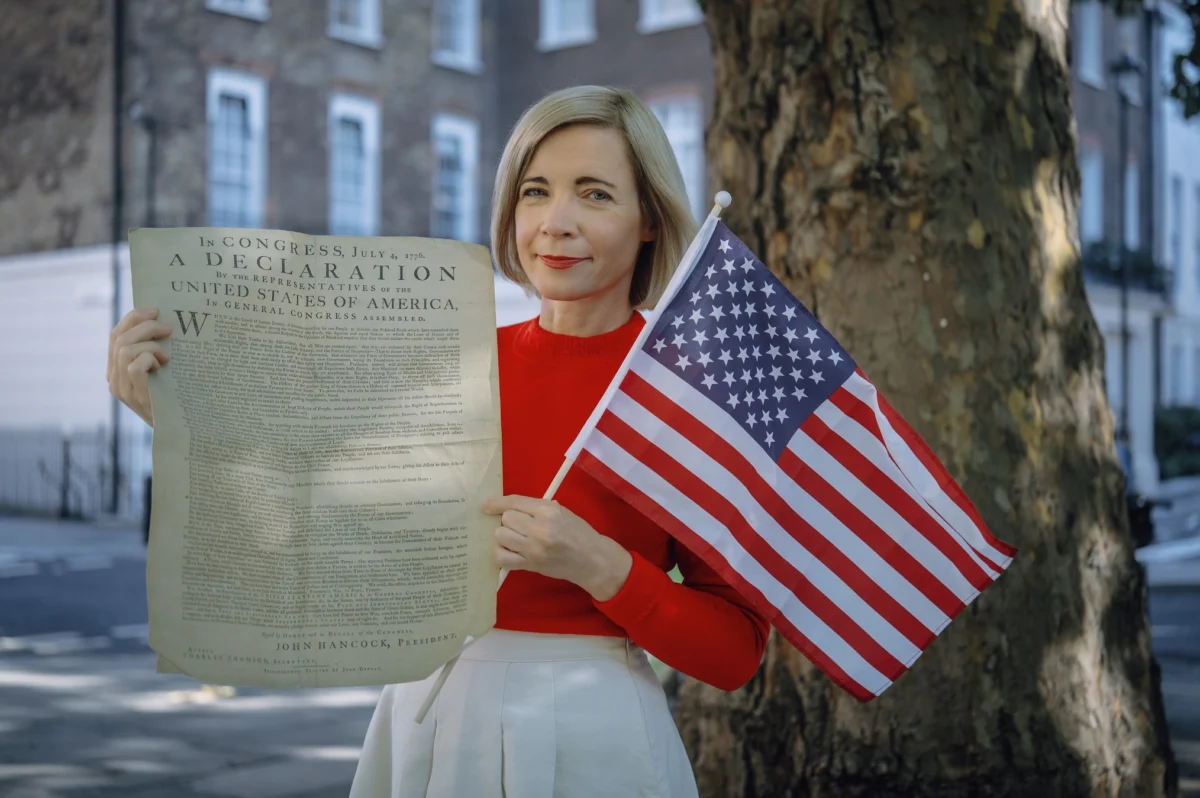
As the United States approaches its 250th anniversary in 2026, the series arrives at a moment of heightened national reflection. Worsley’s investigation spans the United Kingdom, Ireland, and the United States, blending archival research with site-specific storytelling. By sitting down with leading historians and handling rare artifacts, Worsley seeks to understand not only why the British Empire lost the war but how the conflict fundamentally reshaped British society, governance, and the monarchy itself.
The British Perspective: A Narrative Shift
For many American viewers, the Revolutionary War is framed as a linear struggle for liberty against a distant, tyrannical monarch. However, Worsley’s investigation reveals a far more fractured reality within Britain. At the time of the rebellion, the British public was deeply divided. The series highlights artifacts such as "revolutionary teapots" found in Manchester, which suggest that a segment of the British population actively supported the American rebels’ cause.
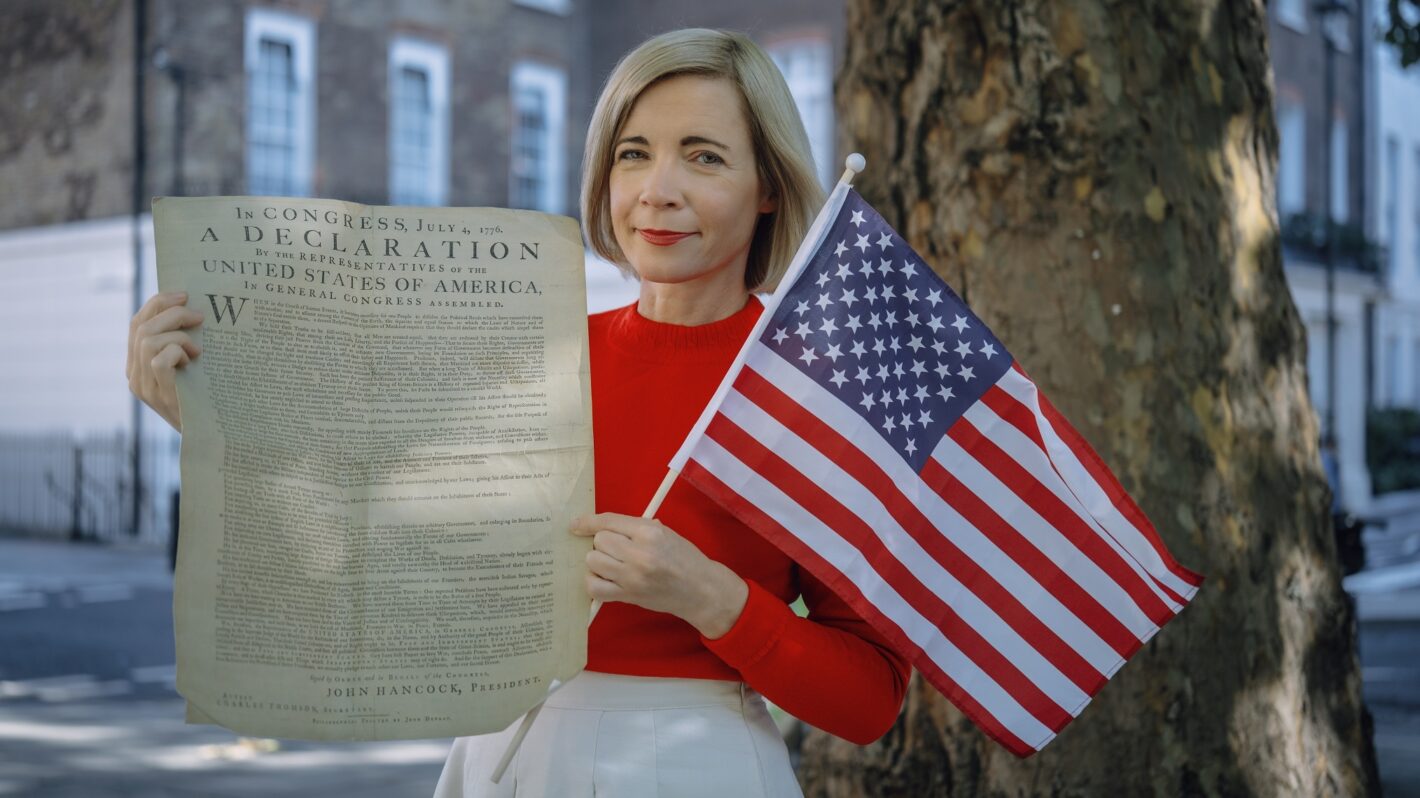
This internal dissent underscores the documentary’s central metaphor: the Revolution as a "messy divorce." Worsley suggests that the Declaration of Independence was the 18th-century equivalent of ending a long-term relationship via a public and scathing message. By humanizing the actors on both sides, the series moves away from the "villain vs. hero" trope, instead focusing on the failure of diplomacy, the lack of mutual understanding, and the tragic loss of life that resulted from escalating tensions.
Chronology of a Global Conflict
To provide context for Worsley’s investigation, it is essential to understand the timeline of the British experience during the war years. The documentary touches upon several key milestones that illustrate the widening chasm between London and the 13 colonies:
- 1765: The Stamp Act: The catalyst for the unrest. Worsley gains rare access to the physical document in the UK National Archives, noting that this single piece of legislation set the stage for a global firestorm.
- 1776: The Statue of George III: In a symbolic act of defiance, revolutionaries in Manhattan toppled a gilded lead statue of the King. Worsley visits the New York Historical Society to view the surviving "tail" of the King’s horse—the rest of the statue having been melted down into 42,088 musket balls to be fired at British troops.
- 1780: The Gordon Riots: The series explores the domestic fallout in Britain, including six days of the worst rioting in London’s history, fueled in part by the stresses of the American war and religious tensions.
- 1781: The Siege of Yorktown: The decisive military failure for Britain. The series examines the psychological impact of this defeat on King George III.
- 1783: The Treaty of Paris: The formal conclusion of the war, where Britain officially recognized American independence, leading to a period of intense national introspection in London.
The Human Element: George III and Thomas Paine
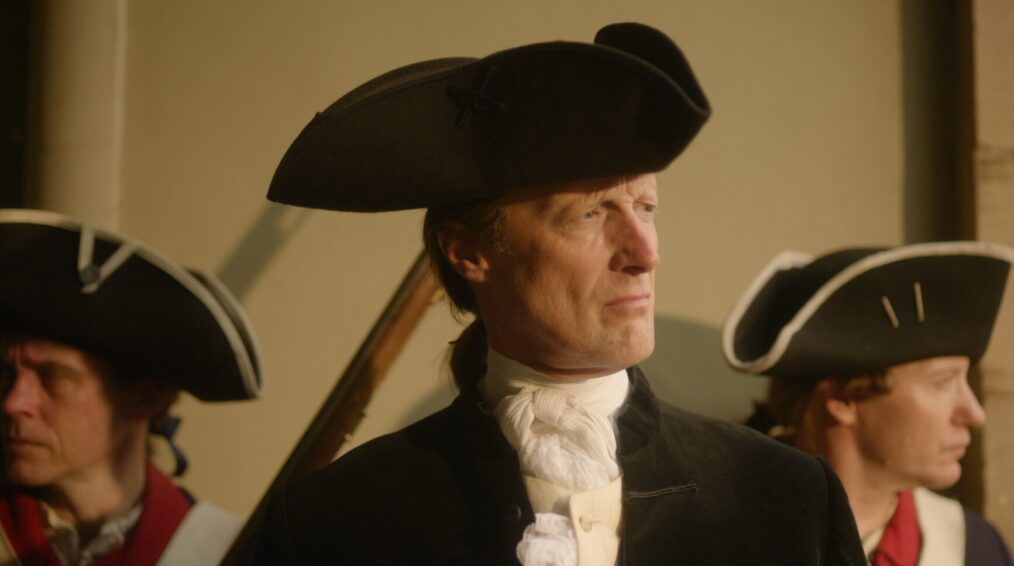
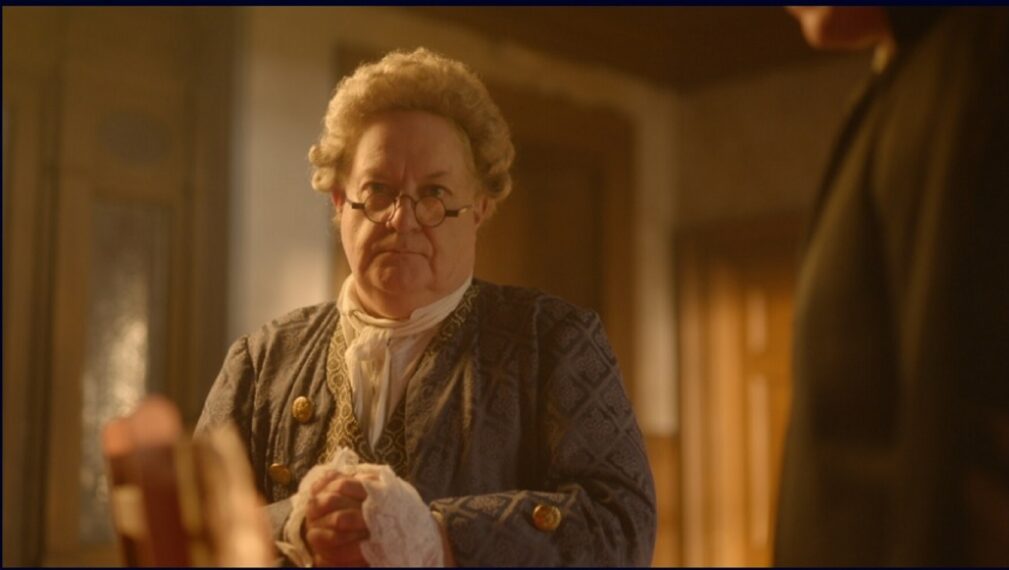
A significant portion of the documentary is dedicated to deconstructing the caricature of King George III. While modern popular culture—most notably the musical Hamilton—portrays him as an unstable and petulant tyrant, Worsley’s research into his personal letters and diaries reveals a more vulnerable figure. In a pivotal scene filmed deep within the library of Windsor Castle, Worsley examines a letter in which the King contemplated abdication.
"I give up. I can’t do this. I’m resigning my job," Worsley paraphrases, noting that the loss of the American colonies was a "life-defining failure" for the monarch. This evidence suggests that George III was a man struggling with the weight of an empire in decline, rather than a monster.
Conversely, the series highlights the influence of Thomas Paine, a British-born corset maker who moved to the colonies and authored Common Sense. Worsley identifies Paine as the "firecracker" who shifted the American argument from a dispute over taxes to a fundamental rejection of monarchy. This ideological "infection" was something the British establishment feared would spread to Ireland and the English working class—a fear that was realized as revolutionary fervor gripped the Atlantic world.
Espionage and Internal Threats
Lucy Worsley Investigates also delves into the shadowy world of 18th-century intelligence. Worsley interviews espionage expert Rory Cormac to uncover the story of Edward Bancroft, a double agent who sat at the heart of Benjamin Franklin’s negotiations in Paris. Despite Bancroft providing detailed reports to the British government about the impending Franco-American alliance, the British leadership failed to act on the intelligence, dismissing it as exaggeration.
Furthermore, the series sheds light on "John the Painter" (James Aitken), a revolutionary sympathizer who conducted acts of what Worsley terms "terrorism" on British soil. Aitken successfully planted an incendiary device in the Royal Navy dockyards at Portsmouth in an attempt to cripple the British fleet. These incidents illustrate that the war was not confined to the American continent; it was a domestic security crisis for the British Isles, involving bombings, invasions of the Channel Islands, and widespread civil unrest.
Social History and Diverse Voices
In a move to broaden the scope of the narrative, Worsley collaborates with actor and historian Paterson Joseph to discuss the life of Ignatius Sancho. Born on a slave ship, Sancho became a prominent Black Londoner, a composer, and the first person of African descent known to have voted in a British general election.
The inclusion of Sancho’s story serves to highlight the diverse social fabric of 18th-century London and the complex intersections of abolitionism and the American Revolution. While the American rebels fought for "liberty," many Black individuals looked to the British Crown as a potential liberator, creating a paradox that Worsley and Joseph explore through the lens of Sancho’s diaries and letters.
Technical Challenges and Archival Access
The production of the series required unprecedented access to sensitive historical sites. Worsley details the "delicate negotiations" required to film at the National Archives and Windsor Castle. Because of the fragile nature of documents like the Stamp Act, filming must occur under strictly controlled atmospheric conditions.
Worsley also reflects on the physical demands of historical documentary filmmaking, including a grueling schedule at the Chateau of Versailles, where filming is only permitted on Mondays when the site is closed to the public. These logistical hurdles emphasize the documentary’s commitment to presenting primary source evidence to the audience, effectively providing "virtual access" to artifacts that are usually hidden from public view.
Analysis of Global Implications
The overarching theme of the miniseries is the interconnectedness of the 18th-century world. Worsley argues that the American Revolution was not a localized rebellion but a global conflict involving France, Spain, the Netherlands, and Ireland. The series posits that the lessons of the 1770s—specifically the dangers of diplomatic inflexibility and the failure to understand an opponent’s perspective—remain acutely relevant in today’s global political climate.
Worsley’s analysis suggests that the "hard line" taken by British parliamentarians against the colonists ultimately backfired, forcing Britain to adopt a "softer line" in its future colonial dealings to prevent further revolutions. This shift in imperial strategy was a direct consequence of the "chastisement" Britain received at the hands of the American rebels.
Conclusion and Audience Impact
By blending high-stakes political history with intimate human stories, Lucy Worsley Investigates: The American Revolution seeks to engage both the "brain and the heart." Worsley expresses hope that the series will inspire a new generation of historians by demonstrating the "intellectual satisfaction" of piecing together historical puzzles.
As PBS prepares to air the special, the project stands as a reminder that history is rarely a settled narrative. By looking back from the British perspective, viewers are invited to "walk in the shoes" of the perceived antagonists, gaining a more nuanced understanding of the forces that birthed the United States and changed the British Empire forever. The series concludes that while the "divorce" was violent and costly, its legacy continues to shape the international order 250 years later.