The year 1981 stands as a pivotal moment in cinematic history, particularly for the werewolf subgenre. Within a remarkably short span, audiences were treated to a quartet of werewolf films, each offering a distinct interpretation of the lycanthropic mythos: Larry Cohen’s Full Moon High with its classic wolf-man aesthetic, the primal wolf-creature of Wolfen, John Landis’s groundbreaking An American Werewolf in London, and Joe Dante’s chilling The Howling. While the debate over which of the latter two reigns supreme has persisted for over four decades, a closer examination of their iconic transformation sequences reveals the distinct artistic visions and technical achievements that solidified their places in horror cinema. This analysis will delve into the context, technical execution, and thematic underpinnings of these seminal scenes, exploring why each remains a benchmark in its own right.
The early 1980s marked a significant evolution in practical special effects, moving away from the time-lapse dissolves and subtle edits that characterized earlier werewolf portrayals. Filmmakers sought to push the boundaries of visual storytelling, aiming for visceral, awe-inspiring transformations that would leave audiences stunned. Both An American Werewolf in London and The Howling were at the forefront of this movement, striving for unprecedented realism and terror.
The Technical Triumph of Rick Baker’s An American Werewolf in London
Rick Baker’s work on An American Werewolf in London is widely regarded as a technical masterpiece, earning him the inaugural Academy Award for Best Makeup. For writer-director John Landis, the film was an opportunity to update the Universal Monsters’ Wolf Man for a contemporary audience, infusing it with a darker, more psychologically resonant narrative. Landis drew inspiration from Curt Siodmak’s 1941 script, which itself was a veiled commentary on the demonization of Jewish people during Nazi Germany, represented by the pentagram on Lawrence Talbot’s clothing, a parallel to the Star of David forced upon Jews.
Landis transposed this theme of societal ostracization and survivor’s guilt onto David Kessler (David Naughton), a Jewish man who witnesses the brutal death of his best friend, Jack (Griffin Dunne), at the hands of a werewolf. David survives the attack but is irrevocably changed. Throughout the film, Jack’s spectral, decaying form reappears, a constant torment to David, amplifying his guilt and dread. This psychological torment culminates in David’s agonizing transformation, a physical manifestation of his inner pain.
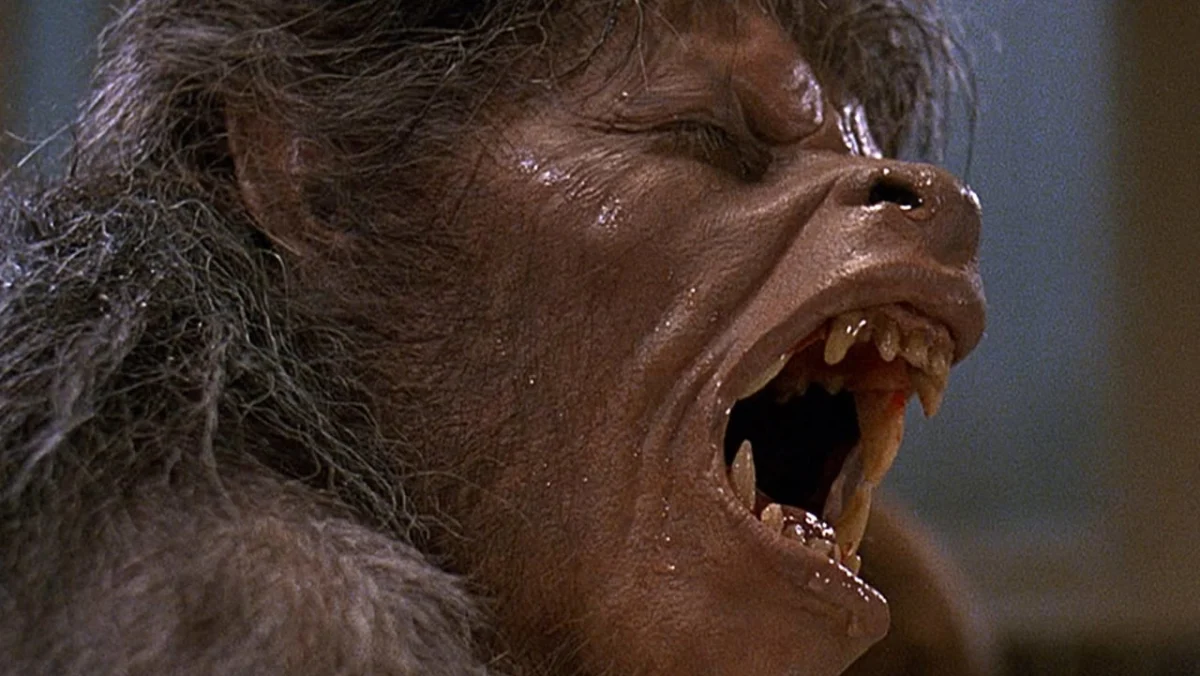
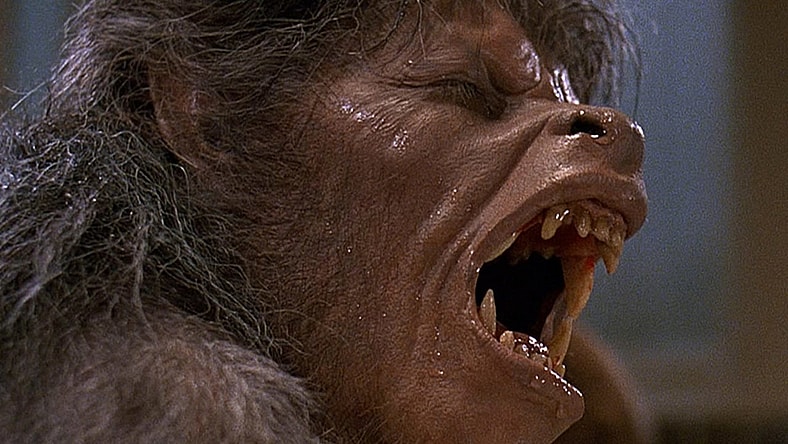
The transformation scene in An American Werewolf in London is a masterclass in visceral horror. Under the harsh glare of fluorescent lights – a deliberate choice by Baker and Landis to showcase the effects without hiding behind shadows – David’s body contorts and breaks. Bones snap, skin stretches, and coarse hair erupts in thick patches. The sheer detail and grotesque realism of the process are breathtaking. Baker’s meticulous craftsmanship, evident in every exposed muscle and shifting bone, under intense lighting, left no room for imperfection, solidifying the scene’s status as a pinnacle of practical effects and a defining moment for the werewolf genre. The deliberate choice to film under bright, unforgiving lights was a bold move that showcased the unparalleled quality of the practical effects, forcing viewers to confront the horror in all its unvarnished detail.
Joe Dante’s The Howling: A Psychological Nightmare Unleashed
In stark contrast to the agonizing, pain-fueled transformation of David Kessler, Joe Dante’s The Howling, with a screenplay by John Sayles adapting Gary Brandner’s novel, presents a different, yet equally terrifying, approach to lycanthropy. The film centers on Karen White (Dee Wallace), a television reporter investigating a series of gruesome murders in Los Angeles, seemingly connected to a man named Eddie Quist (Robert Picardo). After a traumatic encounter with Eddie, Karen suffers memory loss, recalling only fragmented images of his monstrous transformation. Her therapist recommends a retreat to a remote commune, which, unbeknownst to her, is populated by werewolves.
Dante and Sayles intentionally departed from Brandner’s source material, opting to craft a film that was not only modern but also radically innovative. The Howling blends the eerie, gothic atmosphere of classic horror with a surreal, almost dreamlike quality, making its creatures feel otherworldly. As Dante himself stated in an archival interview featured on Scream Factory’s release, "Horror films, I think, are much more effective when they take place in a sort of dream world." This philosophy profoundly influences the film’s impact, creating a pervasive sense of unease and disorientation.
Beyond its aesthetic, The Howling delves deeply into psychological themes. The film explores the concept of the Id unleashed, the primal urges that lie dormant within us. Karen’s attack by Eddie is powerfully rendered as a metaphor for rape and the subsequent trauma. Unlike the novel, where Eddie is a straightforward villain, the film imbues him with a more complex, albeit still monstrous, persona. This thematic richness directly informs the film’s most memorable transformation scene.
The Groundbreaking In-Camera Transformation in The Howling
A significant twist in the production of The Howling is that Rick Baker was initially slated to design the werewolves. However, he departed to work on An American Werewolf in London, entrusting the task to his protégé and assistant, Rob Bottin. This proved to be a monumental opportunity for Bottin, as AVCO Embassy Pictures greenlit The Howling with the explicit goal of showcasing the first-ever in-camera werewolf transformation. Bottin not only met this ambitious objective but did so in a film that arrived in theaters approximately four months before An American Werewolf in London.
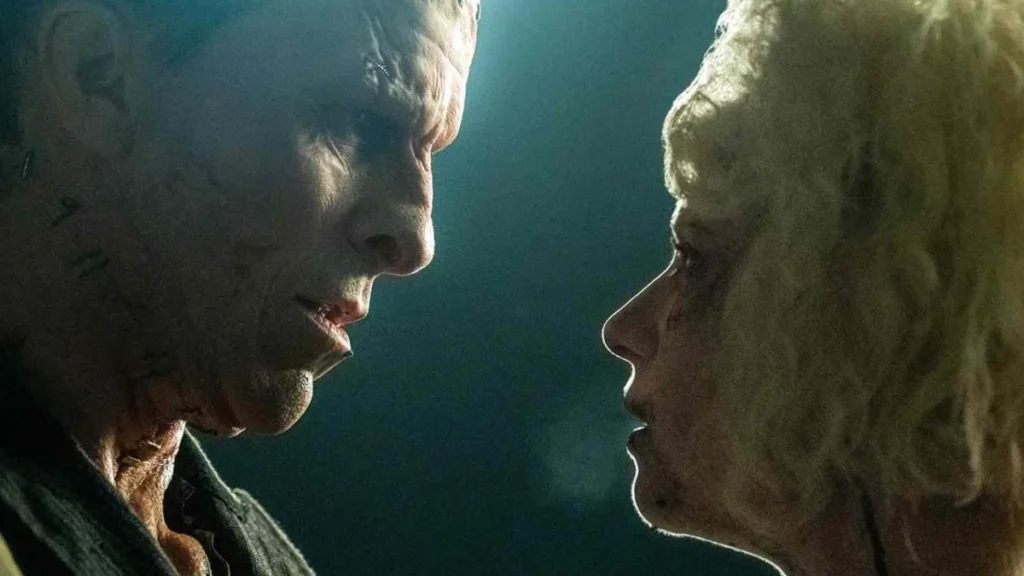
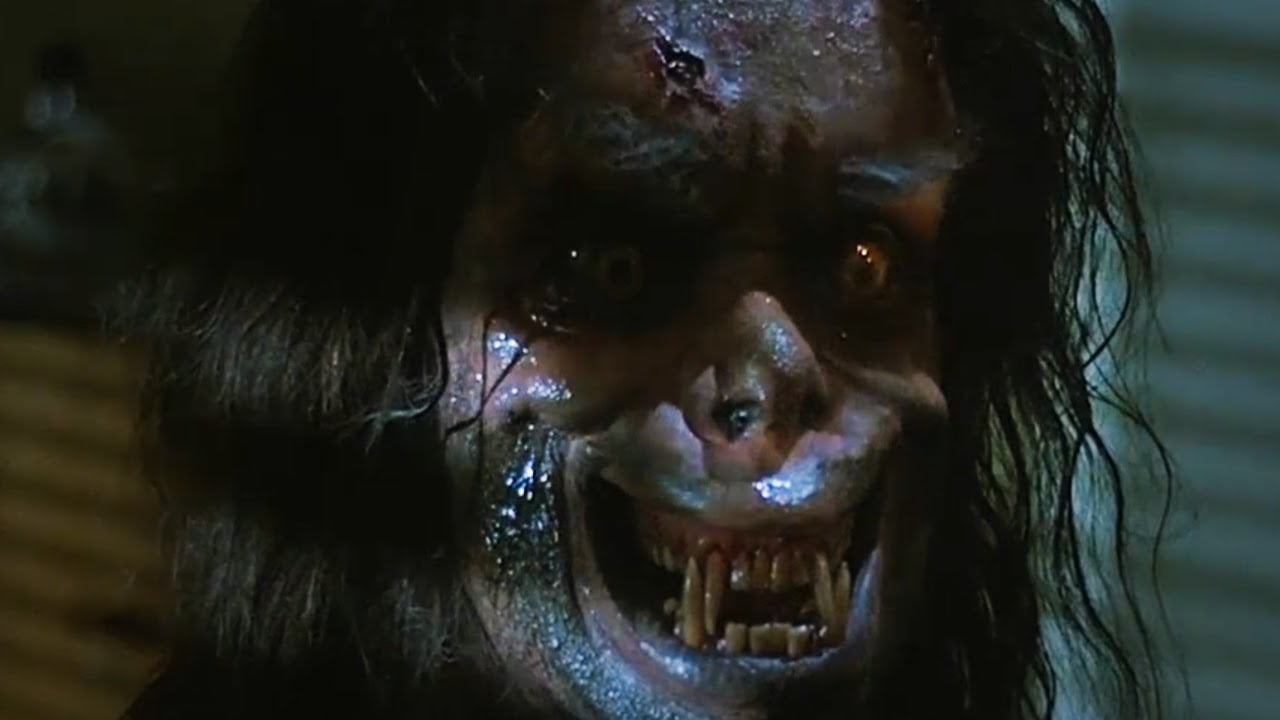
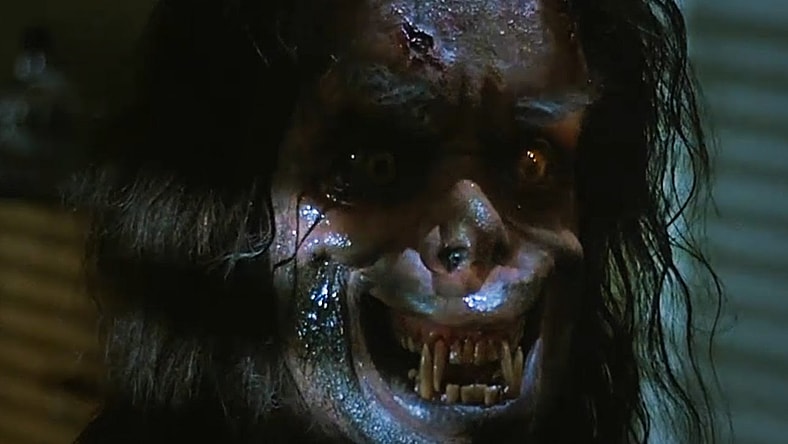
The pivotal transformation sequence occurs in a morgue. Karen discovers the mutilated body of her friend Terry (Belinda Balaski). As she covers her friend with a sheet, the forlorn score by Pino Donaggio swells, punctuated by the sounds of howling from outside. Suddenly, Eddie Quist, who had appeared to be dead, leaps from beneath the sheet. His appearance is ghastly, his skin pale, his eyes monstrous, and a bullet wound on his forehead blooms grotesquely. He confronts Karen, accusing her of betrayal and promising to give her "a piece of my mind"—a literal threat, as he proceeds to dig the bullet from his brain.
What follows is Eddie’s transformation, a stark departure from the agony depicted in An American Werewolf in London. Eddie embraces his change, reveling in the release of his inhibitions. This embrace of primal instinct is precisely what makes the scene, and the werewolves of The Howling, so terrifying. For a character like Eddie, portrayed as a misogynistic killer, the werewolf is not a curse but the physical embodiment of his inner monstrosity.
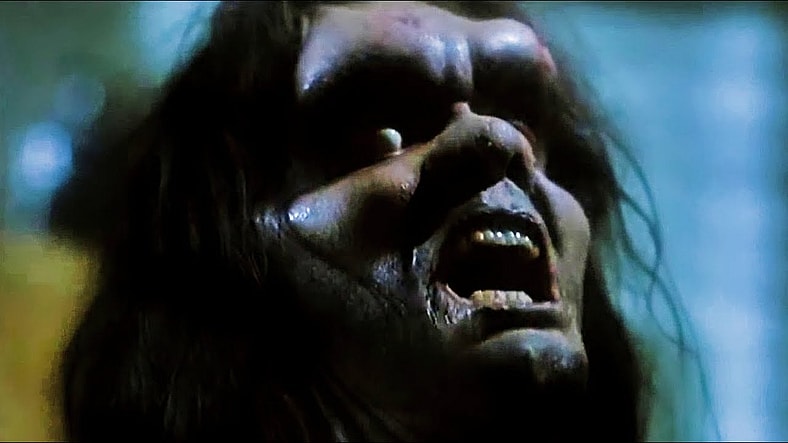
The scene’s duration, nearly three minutes, allows for a detailed unfolding of Eddie’s metamorphosis. While some viewers might find Karen’s frozen reaction perplexing, it underscores the profound psychological impact of witnessing her abuser transform into the ravenous creature that represents her deepest trauma. This mirrors the societal issue of women’s voices going unheard in situations of abuse and violation. Bottin’s innovative use of mechanical effects and bladder techniques, including the use of condoms glued to actor Robert Picardo’s face to create the expanding skin, results in the characteristic cracks, pops, and groans of a werewolf transformation. However, unlike the typical portrayal of a transformation as a painful ordeal, Eddie’s is an expression of raw, ferocious power, a unique update to the werewolf lore. Donaggio’s score shifts to a sci-fi tone, reminiscent of 1950s creature features, enhancing the unsettling, alien quality of the transformation and placing the horror not in gothic landscapes, but in the unsettlingly familiar, our own backyards. The werewolves of The Howling, standing over seven feet tall and possessing vertically stretching skulls, evoke a sense of otherworldliness, suggesting that the monsters are not from beyond, but are the most monstrous aspects of ourselves made manifest.
Broader Impact and Implications
Both An American Werewolf in London and The Howling were critical and commercial successes, significantly impacting the horror landscape. They elevated the werewolf genre beyond simple monster movies, infusing them with psychological depth and groundbreaking visual effects. The debate over which film is superior is subjective, hinging on individual preferences for thematic exploration and stylistic execution.
An American Werewolf in London offers a profound exploration of guilt, trauma, and societal alienation, with its transformation scene serving as a powerful, gut-wrenching depiction of internal suffering made flesh. Rick Baker’s technical virtuosity under challenging lighting conditions set a new standard for realism in practical effects.
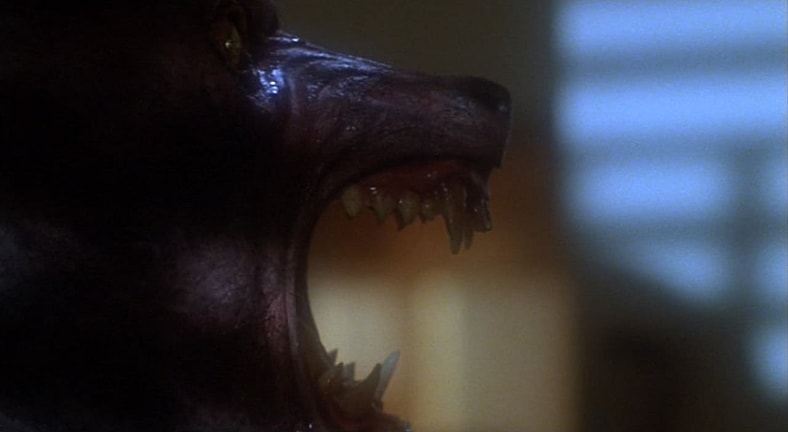
The Howling, on the other hand, presents a more psychological and surreal horror experience. Rob Bottin’s in-camera transformation, achieved with groundbreaking techniques, is a testament to innovative filmmaking. The film’s thematic resonance, particularly its exploration of primal urges and the metaphor for sexual violence, adds a disturbing layer of real-world horror. Joe Dante’s vision of werewolves as an unleashed Id, lurking beneath the surface of ordinary society, taps into deep-seated fears of deception and hidden monstrosity.
In conclusion, the year 1981 gifted horror aficionados two definitive werewolf transformations that continue to be studied and admired. While An American Werewolf in London excels in its raw, visceral depiction of pain and societal commentary, The Howling offers a more psychologically complex and unsettling exploration of inner demons made manifest. Both films, through their distinct artistic merits and technical innovations, forever transformed the werewolf subgenre, leaving an indelible mark on cinematic history and continuing to provoke discussion and debate among fans and critics alike. The legacy of these films is not just in their scares, but in their profound engagement with the darker aspects of the human psyche and their enduring impact on the art of special effects.