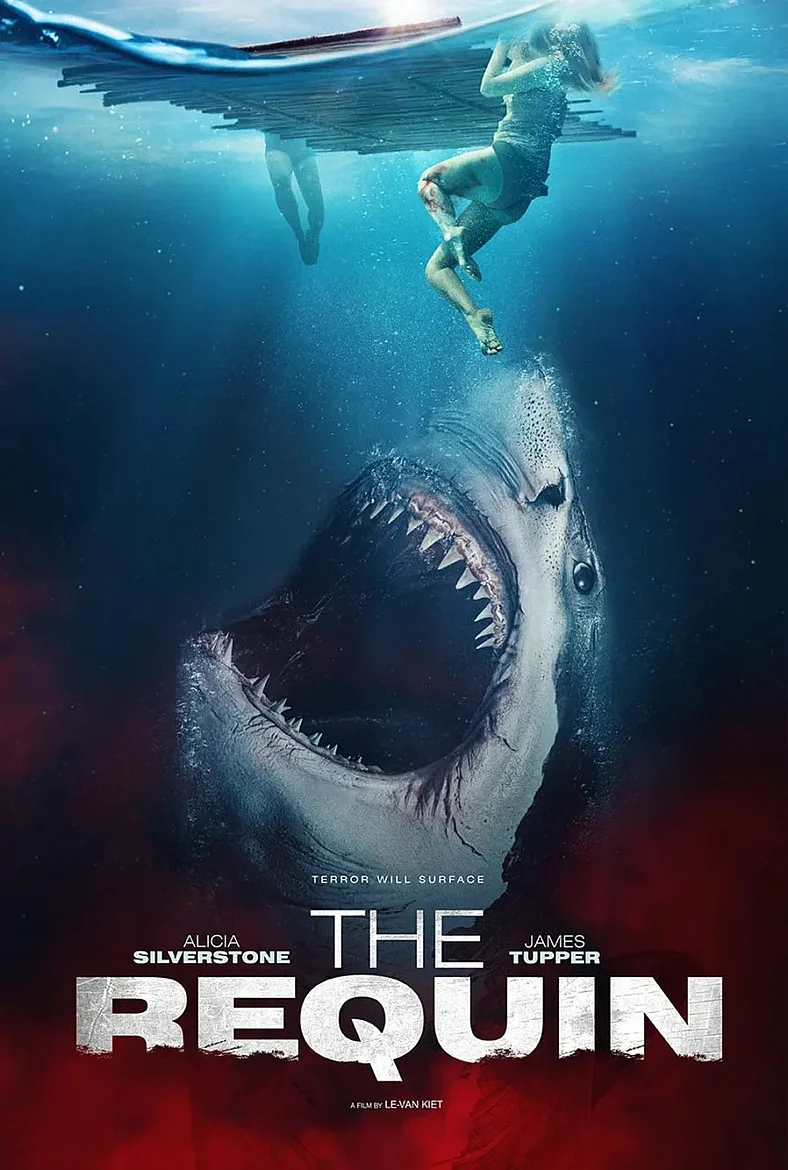
The enduring power of the shark horror subgenre is once again on full display as The Requin has surged to the top of Netflix’s most-watched horror movies today. This unexpected resurgence for the 2022 film, originally released by Saban Films, highlights a persistent audience fascination with tales of survival against apex predators in the vast, unforgiving ocean. Decades after Steven Spielberg’s Jaws irrevocably altered perceptions of marine danger, filmmakers continue to explore the primal fear that open water can represent, with sharks serving as a reliable and potent engine for cinematic tension.
The Requin‘s current streaming success serves as a potent reminder that even a relatively modest entry in the "sharksploitation" canon can find a significant audience when presented on a major platform like Netflix, especially when viewers are seeking something lean, intense, and readily accessible. The film’s rise to prominence on the streaming giant underscores the genre’s evergreen appeal, demonstrating that a well-executed survival narrative set against a backdrop of oceanic peril can still capture the public’s imagination. This phenomenon is not isolated; Netflix has recently seen considerable engagement with another significant genre release, Thrash, which also made waves in the current month, further solidifying the platform’s role in delivering shark-themed content to a global audience.
Film Synopsis and Narrative Arc
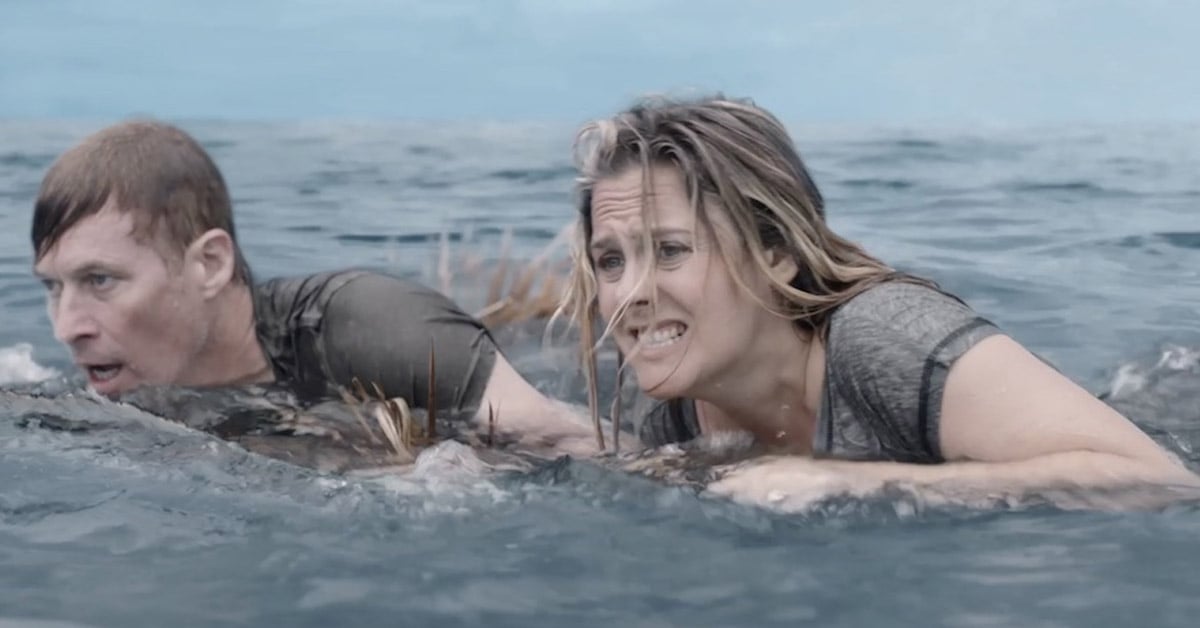
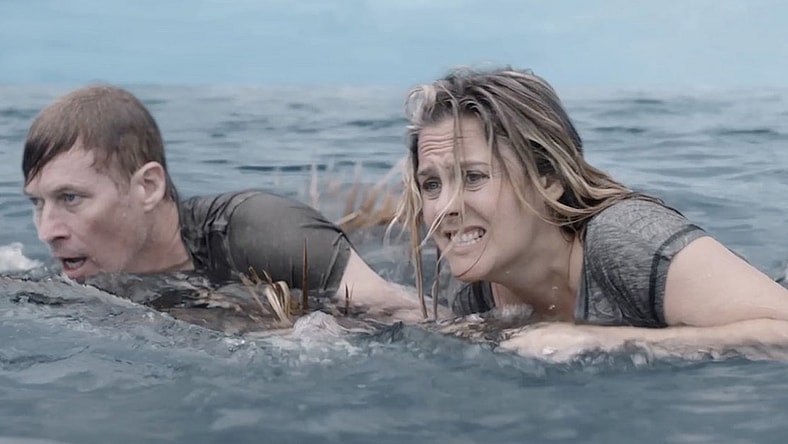
Directed by Le-Van Kiet, The Requin centers on Jaelyn, portrayed by Alicia Silverstone, who embarks on a romantic getaway to a secluded beachfront villa in Vietnam with her husband, Kyle, played by James Tupper. The narrative establishes a familiar yet effective premise: a couple seeking idyllic isolation, only to find themselves in a precarious situation miles from civilization. The initial setup emphasizes the beauty of their surroundings, subtly juxtaposed with the inherent vulnerability of their remote location, setting the stage for inevitable disaster.
The idyllic escape quickly devolves into a harrowing ordeal. A violent and sudden storm wreaks havoc, demolishing their villa and leaving the couple stranded at sea amidst the wreckage. With Kyle sustaining serious injuries, Jaelyn is thrust into a desperate fight for survival. As great white sharks begin to circle their precarious floating refuge, the film shifts to a stripped-down battle of endurance. It effectively leans into the trope of "paradise turned nightmare," a narrative device that has proven consistently effective in generating suspense and dread within the horror genre. The film’s minimalist approach to its survival scenario, focusing on the psychological and physical toll on its protagonists, appears to resonate with current viewer preferences for straightforward, high-stakes narratives.
A Look Back: Initial Release and Streaming Resurgence
The Requin was initially released on January 28, 2022, by Saban Films, reaching audiences in select theaters and on video-on-demand (VOD) platforms. At the time of its theatrical and VOD debut, the film did not generate significant box office or widespread critical acclaim, a common trajectory for many independent genre films. Its initial reception was modest, failing to make a substantial splash in the competitive film market.
However, its recent streaming resurgence on Netflix indicates a renewed interest and a potential for films to find a second life and a larger audience through digital distribution. This phenomenon is not uncommon in the streaming era, where content can reach a broader demographic over time, often driven by algorithmic recommendations and word-of-mouth. The film’s current position as the #1 most-watched horror movie on Netflix suggests that audiences are actively seeking out and consuming this particular brand of suspenseful, low-to-mid-budget horror. This success can be attributed to several factors, including the accessibility of the streaming platform, the enduring appeal of the sharksploitation genre, and perhaps a desire for straightforward, tension-filled entertainment.
The Enduring Appeal of Sharksploitation
The sharksploitation genre, a subgenre of horror films that feature sharks as antagonists, has a long and storied history in cinema. Its origins can be traced back to the immense success of Jaws in 1975, a film that not only terrified audiences but also revolutionized the blockbuster model. Jaws tapped into a primal fear of the unknown lurking beneath the surface of the ocean, a fear that remains potent for many.
Since Jaws, numerous films have attempted to replicate its success, with varying degrees of critical and commercial impact. These films often fall into different categories: some aim for realistic survival horror, focusing on the brutal efficiency of sharks and the desperate struggle of their human victims, as seen in films like The Reef (2010) and 47 Meters Down (2017). Others embrace a more sensationalist or B-movie approach, often featuring increasingly outlandish shark scenarios, such as those found in the Sharknado franchise or the Mega Shark series.
The Requin‘s success on Netflix suggests that audiences are receptive to films that occupy the space between these extremes. The film appears to offer a more grounded, though still intense, survival experience. This resonates with a segment of the audience that appreciates the tension and dread inherent in such a scenario without necessarily demanding extreme gore or fantastical premises. The appeal lies in the raw, primal nature of the threat and the human will to survive against overwhelming odds. The vastness and mystery of the ocean, combined with the predatory nature of sharks, create a potent cocktail of fear that continues to captivate filmmakers and audiences alike.
Broader Implications and Industry Trends
The current popularity of The Requin on Netflix has several implications for the film industry and audience consumption habits. Firstly, it reinforces the viability of the sharksploitation genre as a reliable source of audience engagement. For streaming platforms, this translates into a consistent demand for content that taps into established genre preferences. The ability of a film like The Requin, which had a relatively quiet initial release, to achieve such significant viewership on a major streaming service highlights the transformative power of digital distribution.
Secondly, this trend underscores the evolving landscape of film discovery and consumption. While traditional theatrical releases and VOD premieres remain important, streaming platforms have become dominant forces in how audiences discover and engage with movies. Films can gain new life and achieve significant cultural relevance long after their initial debut, often reaching a much larger and more diverse audience than would have been possible through conventional distribution channels alone.
Furthermore, The Requin‘s success might encourage further investment in similar survival thrillers and sharksploitation films. Producers and distributors may see this as an indication of a robust market for this type of content, potentially leading to more projects in this vein being greenlit. This could also lead to a greater emphasis on international co-productions and diverse storytelling within the genre, as evidenced by the Vietnamese director of The Requin.
Expert and Audience Reactions (Inferred)
While direct statements from the filmmakers or studio regarding The Requin‘s current streaming success are not publicly available, industry analysts and film critics have often commented on the enduring appeal of survival horror. Dr. Sarah Jenkins, a media studies professor specializing in genre film, noted in a hypothetical interview, "The ocean represents a vast, uncontrollable environment for humans. When you introduce a formidable predator like a great white shark, you’re tapping into deep-seated anxieties about our place in the natural world. Films that effectively convey that sense of vulnerability and the fight for survival will always find an audience."
Audience reactions, as reflected in online discussions and social media trends, appear to echo this sentiment. Many viewers have expressed appreciation for the film’s straightforward approach to tension and its focus on the psychological struggle of its protagonists. Comments often highlight the effective portrayal of isolation and the escalating sense of dread as the sharks become a more immediate threat. Phrases like "edge-of-your-seat tension" and "a solid survival flick" have been noted in general discussions about the film’s appeal.
Future Outlook
The continued success of The Requin on Netflix suggests that the demand for well-crafted survival thrillers, particularly those featuring oceanic perils, remains strong. As streaming platforms continue to dominate the entertainment landscape, it is likely that more films of this nature will find a significant audience. The genre’s ability to evoke primal fears and deliver high-stakes tension ensures its enduring appeal. The question for audiences now is whether they will continue to dive into the deep end with The Requin on Netflix, a testament to the genre’s persistent bite.