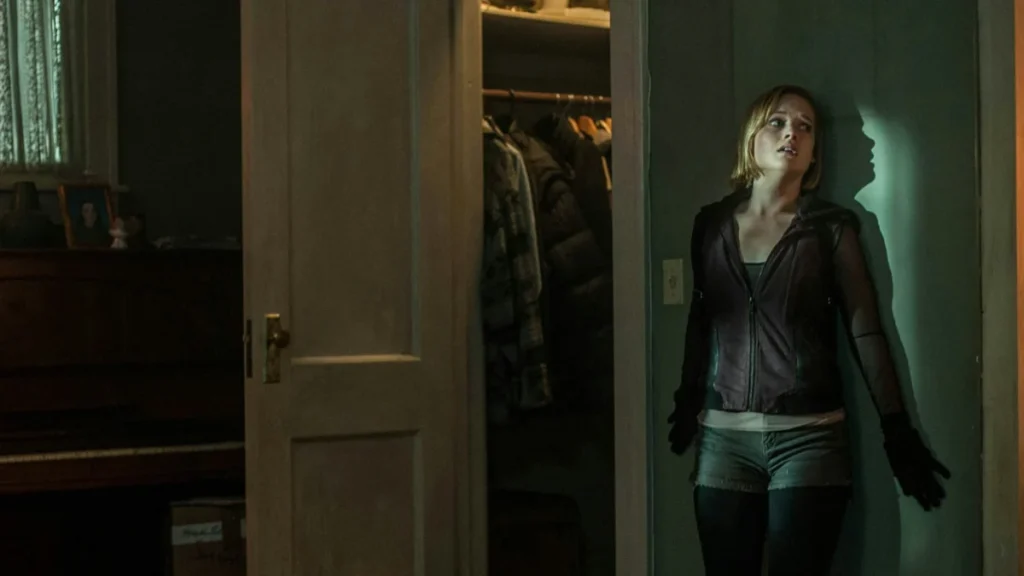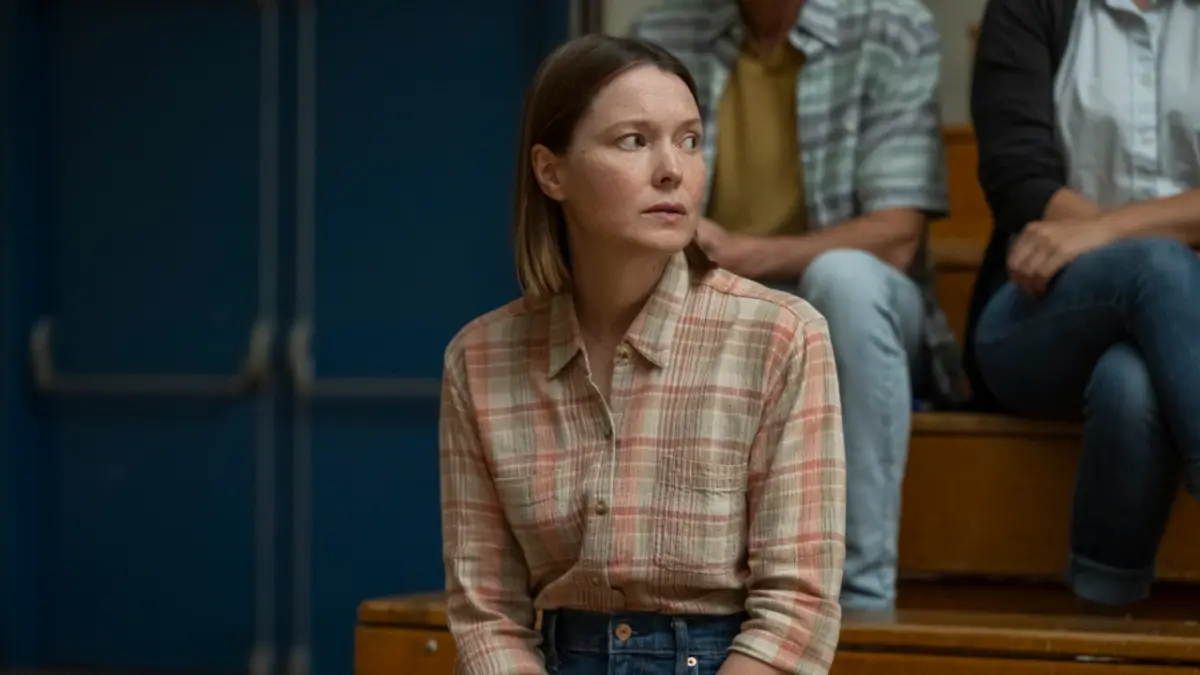
The anticipation surrounding Mike Flanagan’s upcoming entry into the legendary horror franchise, The Exorcist: Martyrs, has reached a fever pitch following recent comments from longtime collaborator Samantha Sloyan. While Sloyan is currently garnering critical attention for her portrayal of the indomitable Margaret White in Flanagan’s television adaptation of Stephen King’s Carrie—now streaming on Prime Video—her minor role in the upcoming Exorcist project has provided audiences with a tantalizing glimpse into the film’s tone. Despite having a limited footprint in the production, Sloyan’s experience on set suggests that Flanagan, a director renowned for his ability to blend psychological dread with visceral horror, has crafted a film that surpasses the intensity of his previous projects.
A Career-Defining Collaboration
Samantha Sloyan has become synonymous with the "Flanaganverse," having established a creative partnership that spans seven distinct productions. Her work in projects such as The Haunting of Hill House, Midnight Mass, and The Fall of the House of Usher has solidified her reputation as an actor capable of delivering complex, often unsettling performances. Speaking to the press regarding her involvement in the upcoming Universal Pictures release, Sloyan noted that while her screen time in The Exorcist: Martyrs is brief, the atmosphere on set was distinctively heavy.
"I have a very tiny footprint in that one, but I did get to go and see some stuff," Sloyan stated. "All I’ve seen is what I watched through the monitor that day. But, it’s stunningly beautiful. And, for me personally, I think from what little I saw, it’s the scariest thing that I’ve seen him do." For a filmmaker whose body of work includes some of the most lauded supernatural dramas of the last decade, such a declaration carries significant weight.

The Exorcist: Martyrs and the Flanagan Vision
The Exorcist: Martyrs represents a pivotal moment for both the franchise and the studio. Universal Pictures, which previously invested heavily in the 2023 revival, has entrusted the creative reins to Flanagan, whose track record for revitalizing classic horror IP—most notably with his work on The Haunting series—suggests a pivot toward a more grounded, character-driven approach to the demonic possession subgenre.
Early reports and promotional materials indicate that the film will synthesize elements from the original 1973 classic and the cult-favorite 1990 sequel, The Exorcist III. Observers have noted that the narrative appears to incorporate a gritty, procedural aesthetic reminiscent of David Fincher’s Se7en. This stylistic fusion is intended to move the franchise away from traditional jump-scare tropes and toward a sustained, oppressive atmosphere of dread.
Narrative Framework and Cast
The plot centers on Julie Miller, an NYPD homicide detective portrayed by Scarlett Johansson. The narrative trajectory follows Miller as she apprehends a serial killer known as Father Sunday, played by John Leguizamo. The catalyst for the supernatural events occurs following the execution of the antagonist, an act that leads to unforeseen and harrowing consequences.
The ensemble cast reflects the high-profile nature of the production. Sasha Calle, known for her role in The Flash, joins the cast as a fellow detective, while Jacobi Jupe is set to portray Miller’s 12-year-old son, placing him at the center of the film’s central conflict. The film also features a notable religious component, with Chiwetel Ejiofor and Laurence Fishburne portraying priests whose faith and sanity are tested by the unfolding investigation. By casting high-caliber dramatic actors in these roles, Flanagan is signaling an intent to treat the existential themes of the franchise with the same gravity as his previous character studies.

Chronology of Development
The road to The Exorcist: Martyrs began in earnest following the announcement of a new creative direction for the franchise. Universal Pictures officially confirmed the project in late 2026, setting a theatrical release date of March 12, 2027. This timeline allows for an extensive post-production phase, which is vital for the practical effects and atmospheric sound design that have become hallmarks of Flanagan’s work.
- October 2026: Initial teasers are released to the public, offering a brief, visceral look at the film’s aesthetic, sparking widespread speculation regarding the nature of the entity or threat involved.
- November 2026: The full-length trailer is scheduled for release, which is expected to provide a clearer indication of how the narrative balances police procedural elements with the supernatural.
- March 12, 2027: The scheduled global theatrical release date.
Analysis of Genre Impact
The decision to bring Mike Flanagan into the Exorcist universe is viewed by industry analysts as a strategic move to restore the franchise’s prestige. The 1973 original, directed by William Friedkin, remains a cultural touchstone, and subsequent entries have struggled to capture the same critical consensus. Flanagan’s approach, which typically emphasizes the "haunting" aspect of horror—viewing ghosts or demons as manifestations of grief, trauma, and moral decay—aligns with the foundational themes of the Exorcist novels by William Peter Blatty.
Furthermore, the involvement of a large-scale studio like Universal indicates a significant budget allocation, suggesting that the film will prioritize high-production value, practical effects, and elaborate set pieces. The success of this project will likely determine the future of the Exorcist brand in the coming decade. If the film succeeds in meeting the high expectations set by collaborators like Sloyan, it could redefine the standard for legacy sequels in the horror genre.
The Role of Psychological Horror
In his previous work, Flanagan has demonstrated a preference for long-form storytelling that allows characters to evolve before they are subjected to supernatural trauma. In The Exorcist: Martyrs, this methodology appears to be applied to the detective genre. By centering the story on a homicide investigation, the film creates a bridge between the rational world of criminal law and the irrational, chaotic nature of the demonic.

The presence of seasoned performers like Laurence Fishburne and Chiwetel Ejiofor suggests that the film will delve deeply into the theological implications of the story. Unlike many modern horror films that rely on quick-cut editing, Flanagan’s directing style often utilizes long, sweeping camera movements and deliberate pacing to build tension, a technique that is likely to be utilized to great effect in the claustrophobic environments where these characters will find themselves.
Final Outlook
As the release date approaches, the film is poised to be one of the most significant horror releases of 2027. The convergence of a well-regarded director, a top-tier cast, and a franchise with deep historical roots creates a high-stakes environment. Samantha Sloyan’s endorsement—citing the project as the most frightening in the director’s extensive filmography—is the strongest indicator yet that audiences should prepare for a cinematic experience that prioritizes lingering, psychological impact over transient shocks.
While the industry continues to wait for the full-length trailer to debut, the current evidence points toward a film that is as ambitious in its thematic scope as it is in its commitment to the visceral terror that defined the original Exorcist experience. With production now firmly in the final stages, all eyes remain on Universal’s March release, a date that represents a crucial milestone for one of the most storied properties in cinematic history.