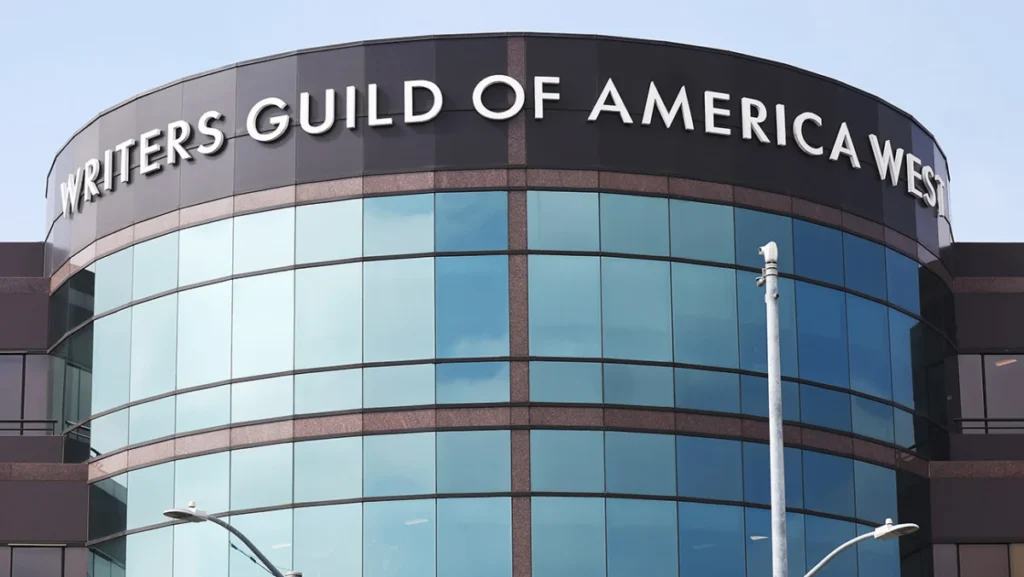
WME, the powerful talent agency representing Blake Lively, has officially broken its silence regarding the escalating legal conflict between the actress and filmmaker Justin Baldoni. In a move that underscores the widening rift within the production of the blockbuster film It Ends With Us, the agency issued a definitive statement on Friday, throwing its full institutional weight behind Lively as the parties prepare for a high-profile trial scheduled to commence next month. The public endorsement comes shortly after a pivotal court ruling that narrowed the legal scope of the case but left the door open for significant claims regarding retaliatory conduct and professional sabotage.
“In an industry that too often asks women to absorb the damage and stay quiet, Blake Lively chose to stand up for herself, her castmates, and those without the ability to fight back,” WME stated. The agency further lauded Lively’s resilience, asserting that she has met the challenges of the litigation with “courage, moral clarity, and extraordinary determination.” This statement marks a significant escalation in the public relations battle accompanying the legal proceedings, as WME had previously faced scrutiny for dropping Baldoni as a client shortly after Lively leveled accusations of sexual harassment against him.
The Divergent Narratives of a Hollywood Fallout
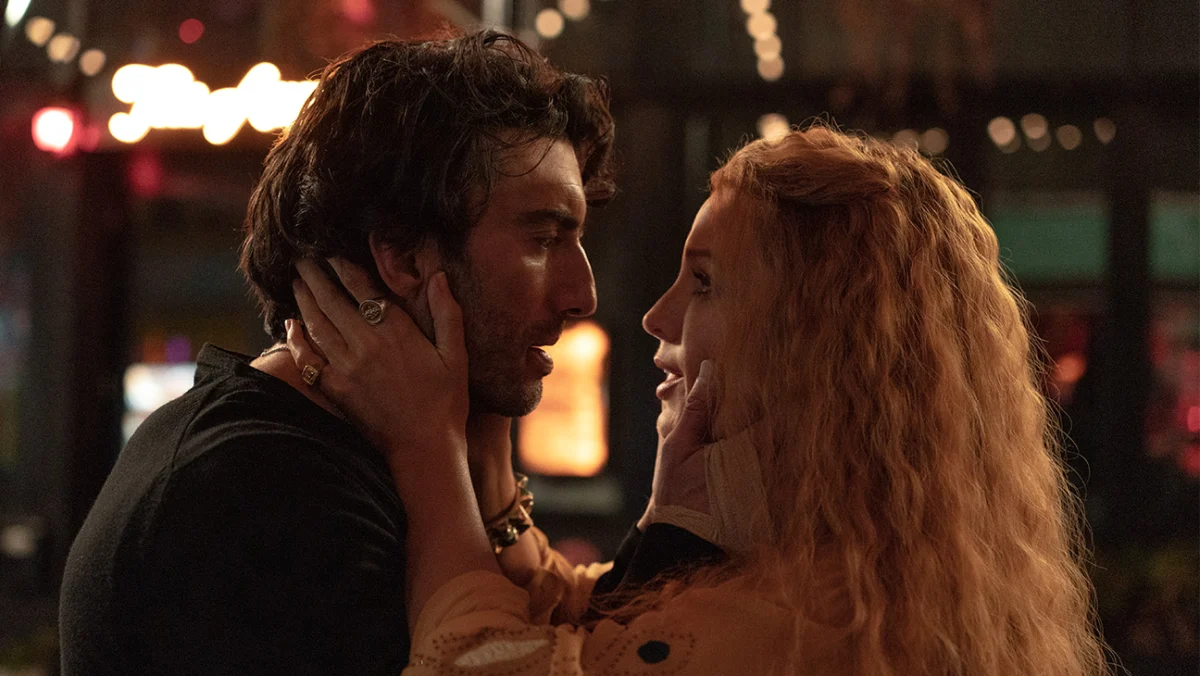
The legal battle between Lively and Baldoni has become one of the most scrutinized industry disputes in recent years, characterized by two diametrically opposed accounts of the production of It Ends With Us. The film, based on the bestselling novel by Colleen Hoover, was a commercial juggernaut, grossing over $340 million globally. However, the success of the project has been overshadowed by allegations of a toxic workplace and a coordinated effort to destroy professional reputations.
The narrative presented by Baldoni and his production company, Wayfarer Studios, depicts an A-list actress who leveraged her immense social capital to seize control of a director’s passion project. According to this version of events, Lively, supported by her husband Ryan Reynolds and a circle of high-profile friends including Taylor Swift, engaged in a calculated effort to marginalize Baldoni during the editing process and the subsequent promotional tour. Baldoni’s legal team argues that this "seizure" of the project was part of a broader attempt to dominate the creative direction of the film at the expense of the director’s vision.
Conversely, Lively’s legal team presents a narrative centered on sexual harassment, a hostile work environment, and a sophisticated retaliatory campaign. Lively alleges that Baldoni’s conduct on set was inappropriate and that, following her decision to come forward with these claims, Baldoni and his associates orchestrated a "digital takedown" designed to discredit her. This narrative suggests that Baldoni utilized a network of crisis management professionals and billionaire-backed resources to wage a war of attrition against Lively’s career and public image.
A Chronology of Conflict: From Set to Courtroom
The friction between the two leads reportedly began during the principal photography of It Ends With Us in 2023. While creative differences are common in major film productions, the discord on this set appears to have transcended standard professional disagreement. Rumors of a "rift" became public during the film’s press tour in mid-2024, when observers noted that Baldoni did not participate in joint interviews or photographs with Lively and the rest of the cast.
The timeline of the legal escalation is as follows:
- Production Phase (2023): Reports emerge of tension regarding the creative direction of the film, specifically concerning the portrayal of sensitive themes such as domestic abuse.
- Post-Production (Early 2024): Lively and Baldoni reportedly commissioned separate edits of the film. Lively’s version, which allegedly involved input from Ryan Reynolds, was the version ultimately released in theaters.
- The Press Tour (August 2024): The visible separation between Baldoni and the cast during the New York premiere sparks intense social media speculation.
- The Filing of the Lawsuit (Late 2024): Lively officially files suit, alleging sexual harassment and retaliation. WME subsequently drops Baldoni as a client.
- The Counter-Suit: Baldoni and Wayfarer Studios file a cross-complaint, alleging breach of contract and a conspiracy to destroy Baldoni’s career, specifically naming the influence of Reynolds and Lively on WME.
- The Dismissal Ruling (Thursday): U.S. District Judge Lewis Liman dismisses several of Lively’s primary claims, including sexual harassment and defamation, while allowing the retaliation claims to proceed.
Analyzing the Judicial Pivot
The legal landscape of the case shifted dramatically on Thursday when Judge Lewis Liman issued a ruling that significantly narrowed the path forward for Lively’s legal team. By dismissing the claims for sexual harassment, defamation, and conspiracy, the court indicated that the evidence provided did not meet the high legal threshold required for those specific causes of action at this stage.
However, the ruling was far from a total victory for Baldoni. Judge Liman’s memorandum contained a stern warning regarding the conduct of the director’s camp during the fallout. The judge signaled that the public relations maneuvers executed by Baldoni’s representatives could be viewed by a jury as illegal retaliation.
“Certain conduct at least arguably crossed the line,” Judge Liman wrote. He elaborated that while an accused individual has the right to defend themselves, there are legal limits to that defense. “There comes a point where the accused stops simply defending him or herself and starts taking action that a reasonable jury could view as retaliation for the fact that the accuser had the temerity to make the accusations.”
This distinction is critical. By allowing the retaliation claims to stand, the court has focused the upcoming trial on the aftermath of the allegations rather than the initial incidents on set. This puts the spotlight on the actions of Baldoni’s PR team and the alleged "covert digital takedown campaigns."
Allegations of a "Digital Takedown" and Crisis Management Tactics
A central pillar of WME’s statement and Lively’s remaining legal claims is the role of professional crisis communicators in the dispute. Court documents have revealed aggressive language used by members of Baldoni’s inner circle. Melissa Nathan of The Agency Group, a crisis specialist hired by Baldoni, reportedly expressed concerns in internal communications about the sensitivity of certain documents.
“You know we can bury anyone,” Nathan allegedly wrote in one exchange. Furthermore, Steve Sarowitz, the billionaire founder of Wayfarer Studios, was quoted in filings as saying, “There will be two dead bodies when I’m done,” a statement Lively’s team interprets as a literal threat to the professional lives of Lively and her associates.
Lively’s lawsuit contends that these were not mere idle boasts but part of a coordinated effort to flood social media with narratives portraying her as a "difficult" or "out-of-touch" diva. WME’s recent statement reinforces this, claiming that Lively “helped expose the devastating harm caused by covert digital takedown campaigns designed to intimidate, discredit, and drown out the truth.”
Wayfarer Studios has consistently denied these allegations, maintaining that their actions were purely defensive. They argue that the company contemplated various strategies to protect its reputation but never followed through on the more aggressive measures alleged by Lively’s team.
The Influence of Ryan Reynolds and the WME Controversy
One of the most contentious aspects of the case involves the role of Ryan Reynolds. In his own filings, Baldoni alleged that Reynolds used his significant industry leverage to force WME to abandon Baldoni. The director claimed that Reynolds approached his agent at the premiere of Deadpool & Wolverine and demanded the agency cut ties with the director.
“The wielding of power and influence became undeniable,” Baldoni’s complaint stated, describing an environment where he and Wayfarer grew “increasingly fearful” of what the Reynolds-Lively "power couple" was capable of.
WME has vehemently denied these claims, asserting that the decision to stop representing Baldoni was an internal one based on the merits of the situation, not external pressure. The agency clarified that Baldoni’s representative was not even present at the Deadpool & Wolverine premiere, dismissing the alleged confrontation as a fabrication. The agency’s latest statement of support for Lively further cements its position, signaling that it is prepared to defend its decision-making process under the scrutiny of a trial.
Broader Industry Implications and the Road to Trial
The outcome of the It Ends With Us trial is expected to have far-reaching implications for Hollywood’s power dynamics and the ethics of crisis management. At its core, the case tests the boundaries of "creative control" and the legal protections afforded to those who speak out against colleagues in high-stakes environments.
If Lively prevails on the retaliation claims, it could set a precedent regarding how production companies and their PR firms respond to internal allegations. It would signal that "burying" an accuser through digital campaigns is a legally actionable form of retaliation. Conversely, if Baldoni successfully argues that he was the victim of a coordinated industry "cancellation" led by more powerful stars, it could prompt a re-evaluation of how agencies and studios handle disputes between talent of varying levels of influence.
The commercial success of the film adds a layer of complexity to the battle. Usually, a box office hit of this magnitude results in sequels and continued collaboration. In this instance, the "Hoover-verse" appears fractured beyond repair, with the future of the franchise in jeopardy despite its immense profitability.
As the trial date approaches next month, the industry will be watching closely. The proceedings are expected to feature testimony from some of the biggest names in entertainment and provide a rare, unvarnished look into the mechanics of celebrity power, agency loyalty, and the high-priced world of Hollywood crisis control. For now, WME’s public stance serves as a definitive line in the sand, ensuring that the legal battle remains as much a fight for public perception as it is for judicial vindication.