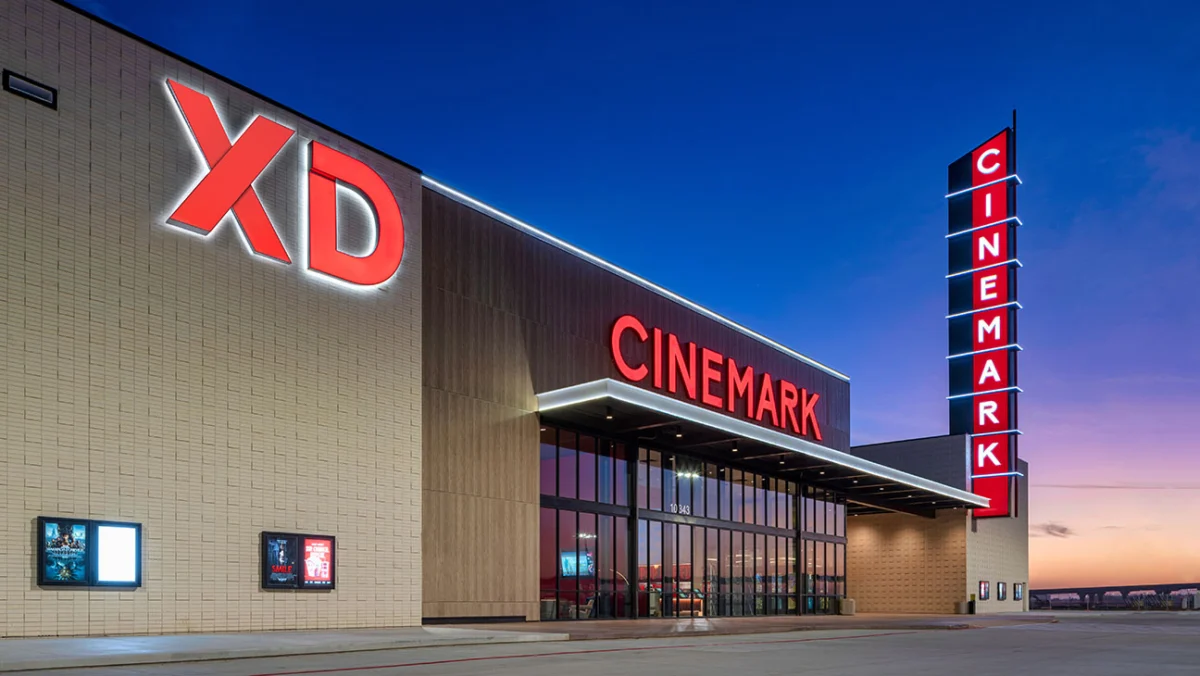
Cinemark Holdings, one of the world’s largest motion picture exhibitors, released its financial results for the first quarter of 2026 on Friday, revealing a significant narrowing of its net loss and a substantial surge in overall revenue. The results underscore a resilient recovery for the theatrical exhibition industry, driven by a combination of high-demand blockbuster releases, an aggressive expansion into premium large-format (PLF) screens, and a strategic pivot toward alternative content. For the three months ending March 31, 2026, the Texas-based exhibition giant reported total revenue of $643.1 million, representing a 19 percent increase over the $540.7 million recorded during the same period in 2025. This financial upswing was bolstered by a 17 percent increase in domestic attendance, with Cinemark theaters hosting approximately 24 million patrons across the United States during the quarter.
The company’s bottom line showed marked improvement, with a net loss attributable to Cinemark Holdings, Inc. of $6.4 million, or $(0.05) per diluted share. This figure stands in sharp contrast to the $38.9 million net loss reported in the first quarter of 2025. This reduction in losses suggests that the company is nearing a return to consistent profitability as it optimizes its operational costs and capitalizes on higher-margin revenue streams such as concessions and premium ticket pricing. CEO Sean Gamble characterized the period as the company’s strongest first quarter since the onset of the pandemic, noting that the growth was visible across all primary revenue categories and adjusted EBITDA (Earnings Before Interest, Taxes, Depreciation, and Amortization).
Revenue Streams and Patron Spending Patterns
The breakdown of Cinemark’s revenue reveals a healthy ecosystem of consumer spending within the multiplex. Admissions revenue for the first quarter reached $311.4 million, up from $264.1 million in the prior year. This growth was not merely a result of increased ticket volume but also reflected the success of tiered pricing models and the popularity of premium viewing experiences. Simultaneously, concession revenue saw an even more dramatic climb, reaching $255.2 million compared to $210.4 million in the first quarter of 2025.
The growth in concession sales is particularly vital for exhibitors, as food and beverage sales carry significantly higher margins than ticket sales, which must be shared with film distributors. The 21 percent increase in concession revenue outpaced the 17 percent growth in attendance, indicating that patrons are spending more per capita once they enter the theater. Industry analysts suggest that this trend is driven by Cinemark’s expanded menu offerings, including gourmet snacks, alcoholic beverages, and high-quality hot food options, which transform the moviegoing experience into a broader entertainment and dining outing.
The Dominance of Premium Large Format (PLF) and Alternative Content
A cornerstone of Cinemark’s recent success is its investment in proprietary and partner-branded premium screens. During the first quarter, 13 percent of the company’s worldwide admissions revenue was generated from PLF screens, including Cinemark’s proprietary XD (Extreme Digital) auditoriums, as well as IMAX and ScreenX installations. The company’s "XD" brand has become a significant differentiator in a crowded marketplace, offering oversized screens, immersive surround sound, and high-end projection technology that cannot be replicated in a home theater environment.
Sean Gamble emphasized that the push toward PLF is a direct response to consumer behavior in the streaming era. As audiences become more selective about which films they see in theaters, they are increasingly gravitating toward "event" movies that demand the largest possible canvas. By focusing on these larger-than-life experiences, Cinemark is insulating itself against the convenience of at-home streaming services. The company’s executive summary noted that their goal is to ensure a premium experience regardless of the auditorium, but the XD and IMAX screens remain the primary drivers of higher average ticket prices.
Furthermore, alternative content—once a niche segment of the box office—accounted for a staggering 17 percent of Cinemark’s global box office during the quarter. This category includes live-streamed concerts, sporting events, and limited-run fan events. High-profile releases such as the KPop Demon Hunters Sing Along and the theatrical finale of Stranger Things served as catalysts for this growth. These "event cinema" offerings allow exhibitors to fill auditoriums during mid-week slumps or periods between major Hollywood tentpole releases, providing a more consistent and diversified revenue stream.
The Theatrical Window Debate and Studio Relations
A significant portion of the post-earnings analyst call focused on the ongoing evolution of the theatrical window—the period during which a film plays exclusively in theaters before becoming available on digital platforms or streaming services. Following the disruptions of the pandemic, the industry standard has largely settled at approximately 45 days, a significant reduction from the traditional 90-day window.
Sean Gamble addressed this shift with a nuanced perspective, noting that while the shortened window offers studios quicker access to home entertainment revenue, it has created "headwinds" for the full recovery of theatrical attendance. According to Gamble, the 45-day window may be sufficient for major blockbusters that earn the bulk of their revenue in the first three weeks, but it often undercuts the potential of smaller titles and films aimed at more casual moviegoers who might wait for a digital release if it is only a few weeks away.
Gamble argued that the industry is currently undergoing a "reset." He suggested that some of the more aggressive window reductions seen in 2024 and 2025 "went a bit too far" and that a more flexible, title-by-title approach might be necessary to maximize the lifetime value of a film. He praised recent moves by certain studios to extend theatrical runs for over-performing titles, calling it a "step in the right direction" for the health of the entire cinematic ecosystem.
Supply Chain Challenges and the "Clumping" of Releases
Another challenge discussed during the earnings call was the timing of film releases. Gamble urged major studios to better stagger their tentpole releases throughout the calendar year to avoid "clumping." He noted that the first quarter’s success could have been even greater had the release schedule been more balanced. "We’ve seen some of that kind of clumping, and we would have wished that some of the stuff that’s been programmed this summer would have been spread earlier in the year," Gamble remarked.
The "clumping" effect often leads to a "feast or famine" scenario for exhibitors, where multiple high-budget films compete for the same PLF screens and audience attention in a single month, followed by weeks of lackluster content. By spreading these releases, exhibitors can maintain a steady flow of traffic, which in turn stabilizes concession revenue and labor management.
Industry Consolidation and the Entrance of Streaming Giants
The landscape of Hollywood is also shifting through massive corporate maneuvers. Gamble was asked about the potential impact of David Ellison’s Skydance Media acquiring a controlling stake in Paramount and the rumored discussions regarding a further merger or partnership with Warner Bros. Ellison has reportedly told exhibitors that a combined entity could aim to release up to 30 films theatrically per year.
Gamble expressed cautious optimism regarding these developments. "The positive thing is they’re saying all the right things regarding their future intentions for film volume and windows in a combined company," he told analysts. However, he added a caveat: "We just like to see those statements backed by firm commitments." The exhibition industry has been wary of studio promises in the past, particularly during the height of the "streaming wars" when several major players pivoted away from theatrical releases in favor of building their own subscriber bases.
In a surprising turn, Netflix co-CEO Ted Sarandos also made an appearance at CinemaCon, the annual convention for theater owners, signaling a potential thaw in the icy relationship between the streaming giant and traditional exhibitors. While Netflix has historically been resistant to long theatrical windows, the success of limited theatrical runs for its flagship titles like Stranger Things has demonstrated a mutual opportunity. Gamble noted that while he does not expect a "material shift" in Netflix’s strategy in the near term, he remains optimistic that the company will pursue more meaningful theatrical distribution as it seeks to monetize its high-budget content beyond the subscription model.
Operational Efficiency and Future Outlook
Despite the net loss, Cinemark’s operational performance remains strong. The company has focused on upgrading its existing fleet of theaters with luxury loungers and improved projection technology, rather than merely expanding its footprint. This "quality over quantity" approach appears to be paying off, as evidenced by the 17 percent increase in U.S. patrons.
As the company moves into the second and third quarters of 2026, the focus will remain on capital allocation and debt management. Like many of its peers, Cinemark took on significant debt to survive the pandemic-induced closures of 2020 and 2021. The narrowing of losses in Q1 2026 is a critical indicator that the company is moving toward a position where it can more aggressively pay down that debt and return value to shareholders.
The broader implications of Cinemark’s Q1 results suggest that the movie theater is far from obsolete. The data indicates that when provided with a premium experience and compelling content—whether it be a Hollywood blockbuster or a K-Pop concert—audiences are willing to leave their homes and pay a premium for the collective experience of the cinema. As the theatrical window stabilizes and studios reinvest in diverse release slates, Cinemark appears well-positioned to capitalize on a new era of event-driven exhibition.
With a 19 percent revenue jump and a 17 percent rise in attendance, the first quarter of 2026 serves as a bellwether for the industry. The message from Cinemark’s leadership is clear: the future of film is not just about the content itself, but about where and how that content is consumed. By leaning into premium formats and alternative programming, Cinemark is redefining the role of the multiplex in the modern entertainment landscape.