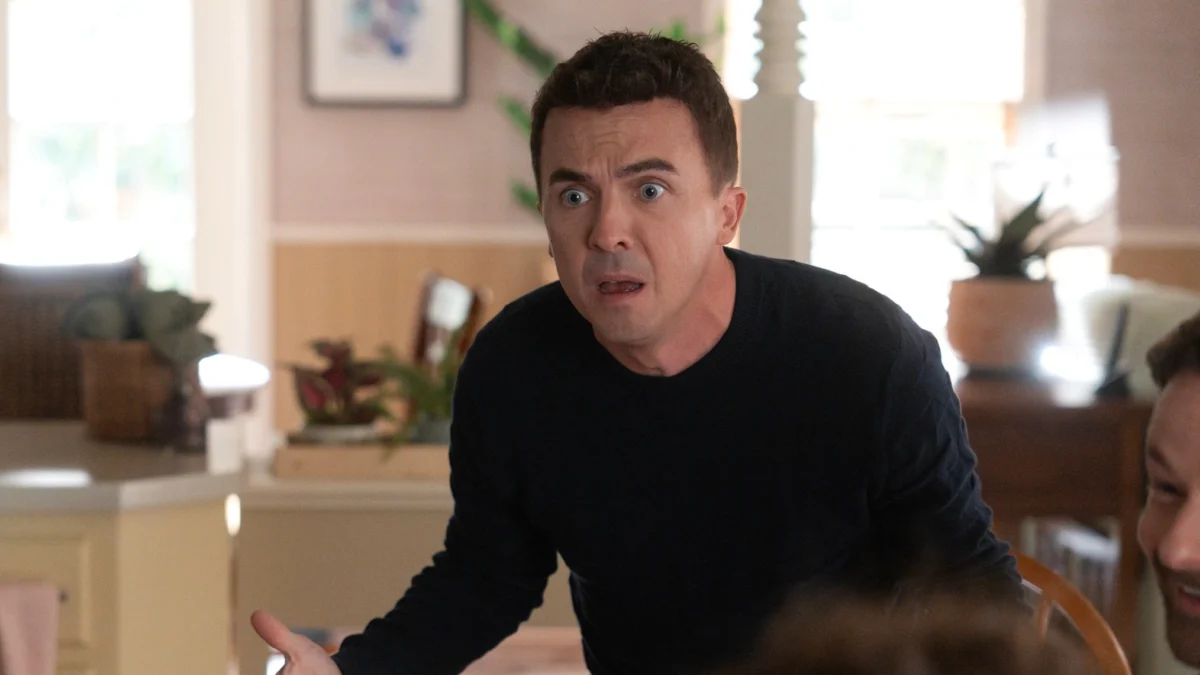
The landscape of contemporary television has seen a significant shift toward the revival of classic intellectual properties, a trend exemplified by the recent debut of the highly anticipated continuation of a staple of early 2000s programming. On April 10, Hulu released a four-part limited series titled Malcolm in the Middle: Life’s Still Unfair, effectively ending a twenty-year hiatus for the central characters of the beloved Fox sitcom. This revival, which serves as a canonical bridge between the original series finale and the present day, has immediately captured public attention by revealing substantial shifts in the life of its titular protagonist, Malcolm, portrayed once again by Frankie Muniz. The series premiere provides a definitive answer to the long-standing question regarding the trajectory of the "gifted kid" who spent seven seasons navigating the chaos of a dysfunctional, lower-middle-class household. In a move that subverts the trope of the perpetually struggling genius, the reboot reveals that Malcolm has transitioned into a new phase of life characterized by domestic stability and the complexities of parenthood.
The most significant revelations presented in the opening episodes involve Malcolm’s current status: he is no longer the solitary, neurotically observant individual fans remember, but is instead in a committed relationship and is the father of a teenage daughter named Leah. Played by Keeley Karsten, Leah represents the next generation of the family legacy, bringing a new dynamic to a narrative that was previously centered on the fraternal conflicts of Malcolm and his brothers. This narrative choice serves to mirror the aging demographic of the show’s original audience, many of whom have transitioned into parenthood themselves since the original series concluded in 2006. By positioning Malcolm as a father to a teenager, the creators of Life’s Still Unfair have established a thematic symmetry with the original run, where the struggles of youth are now viewed through the lens of parental responsibility.
A Chronological Overview of the Malcolm in the Middle Franchise
To understand the weight of the new Hulu series, one must examine the historical context of the original production. Malcolm in the Middle debuted on Fox on January 9, 2000, and quickly became a critical and commercial juggernaut. Created by Linwood Boomer, the show was revolutionary for its time, eschewing the traditional multi-camera setup and laugh track in favor of a single-camera format and a fast-paced, cinematic editing style. It was one of the first major sitcoms to utilize the "breaking the fourth wall" technique, where Malcolm would speak directly to the audience, offering a cynical and intellectual commentary on his surroundings.
The original series ran for seven seasons, encompassing 151 episodes. Throughout its tenure, it garnered seven Emmy Awards, a Grammy Award, and seven Golden Globe nominations. The show was praised for its realistic portrayal of a family living on the edge of the poverty line, a departure from the polished, affluent families typically seen on television in the late 1990s. When the series ended on May 14, 2006, the finale saw Malcolm heading to Harvard University to pursue his education, while working as a janitor to pay his way—a trajectory mandated by his mother, Lois (Jane Kaczmarek), to ensure he remained grounded and motivated to help people like his own family.
The path to the 2024 reboot was marked by years of speculation and sporadic updates from the cast. Bryan Cranston, who played the patriarch Hal, frequently expressed interest in a reunion, particularly after his career reached new heights with Breaking Bad. Frankie Muniz, who stepped away from acting for several years to pursue professional race car driving and other ventures, also signaled a willingness to return to the character if the script was right. The announcement of the Hulu limited series finally solidified these rumors into a tangible project, designed to capitalize on the nostalgia of the "Millennial" and "Gen X" demographics.
Plot Dynamics and the Introduction of Leah
In Malcolm in the Middle: Life’s Still Unfair, the narrative jump of two decades allows for a radical reimagining of the family hierarchy. The introduction of Leah, portrayed by Keeley Karsten, is the cornerstone of the reboot’s emotional arc. Leah is introduced as a gifted but rebellious teenager, creating a poignant irony: Malcolm, who once chafed under the strict and often erratic parenting of Lois and Hal, now finds himself in the role of the disciplinarian and guardian.
Early analysis of the four-part series suggests that the relationship between Malcolm and Leah is intended to deconstruct the "gifted child" trope. While Malcolm’s intellect was often presented as a burden during his youth, his adulthood is defined by how he applies that intellect to provide a better life for his daughter than the one he experienced. The series does not immediately identify Malcolm’s partner, maintaining a level of narrative tension regarding his domestic life, but the confirmation that he is not single suggests a departure from the "lonely genius" archetype. This development allows the show to explore themes of partnership and the balancing of professional ambitions with familial duties—a far cry from the suburban survivalism of the original series.
Supporting Data and the Impact of Nostalgia-Driven Content
The decision by Hulu to greenlight the project is supported by significant viewership data regarding classic sitcoms on streaming platforms. Industry reports indicate that during the COVID-19 pandemic, viewership for "comfort TV"—older shows with established fanbases—surged by over 30%. Malcolm in the Middle consistently ranked among the most-watched library titles on platforms like Hulu and Disney+, proving that the brand maintained its relevance decades after its initial broadcast.
Furthermore, the success of other recent reboots, such as That ’90s Show on Netflix and the iCarly revival on Paramount+, demonstrated a clear market appetite for "legacy sequels." These productions typically perform well because they attract two distinct audiences: the original fans who are now adults and a newer, younger generation discovering the show through social media and streaming. By casting a contemporary young actress like Keeley Karsten, the producers of Life’s Still Unfair are strategically positioning the show to appeal to Gen Z viewers while retaining the loyalty of the original fanbase.
Production Insights and Official Responses
While official statements from the production team have been measured, the creative direction of the reboot indicates a desire to honor the original’s tone while modernizing its aesthetic. Reports from the set suggest that Linwood Boomer remained involved in a consultative capacity, ensuring that the sharp, satirical edge of the writing was preserved. Bryan Cranston, in various press junkets leading up to the release, noted that the goal was not simply to "rehash the past" but to see how these characters would survive in the hyper-connected, economically volatile world of the 2020s.
Frankie Muniz has spoken candidly about the experience of returning to the character of Malcolm. In interviews, Muniz highlighted the challenge of playing an adult version of a character so closely associated with childhood. He noted that the "Life’s Still Unfair" subtitle is a direct nod to the show’s original theme song, "Boss of Me" by They Might Be Giants, but it carries a different weight in the reboot. For the adult Malcolm, the unfairness of life is no longer about a missed school dance or a grounded weekend; it is about the systemic challenges of the modern economy and the daunting task of raising a child in an uncertain world.
Broader Implications and Cultural Analysis
The release of Malcolm in the Middle: Life’s Still Unfair serves as a case study for the evolution of the American sitcom. The original show was a product of the broadcast era, designed to be watched weekly by a mass audience. The reboot, as a four-part streaming event, reflects the "prestige miniseries" format that has become dominant in the 2020s. This shift allows for more serialized storytelling and a deeper exploration of character psychology than the episodic format of the early 2000s permitted.
From a sociological perspective, the reboot addresses the "delayed adulthood" often attributed to the Millennial generation. By showing Malcolm as a father, the show validates the experiences of its original viewers who have reached similar milestones. It also tackles the reality of the "gifted" label; many children who were identified as gifted in the 1990s and 2000s have found that academic success does not always translate to a seamless adult life. Malcolm’s journey in the reboot reflects this reality, showing that even with a high IQ, the "unfairness" of life remains a constant factor.
As the series continues to circulate on Hulu, critical reception has focused on the chemistry between Muniz and Karsten. Critics have noted that the "nature vs. nurture" debate is central to their interactions, as Malcolm sees glimpses of his own younger, arrogant self in Leah. This meta-commentary on the show’s own history is what elevates the reboot from a simple nostalgia trip to a meaningful expansion of the franchise.
In conclusion, Malcolm in the Middle: Life’s Still Unfair represents a sophisticated approach to the television revival. By grounding the return in significant life changes for its lead character—specifically his roles as a partner and a father—the series avoids the pitfalls of stagnation. As Malcolm navigates the trials of raising Leah, the show reaffirms its original thesis: that while life may indeed be unfair, the bonds of family, however dysfunctional they may be, remain the primary means of enduring it. The April 10 premiere marks not just a return of a favorite character, but a maturation of the sitcom genre itself, proving that there is still much to be said about the middle of the road.